





Decorative Glass Lantern
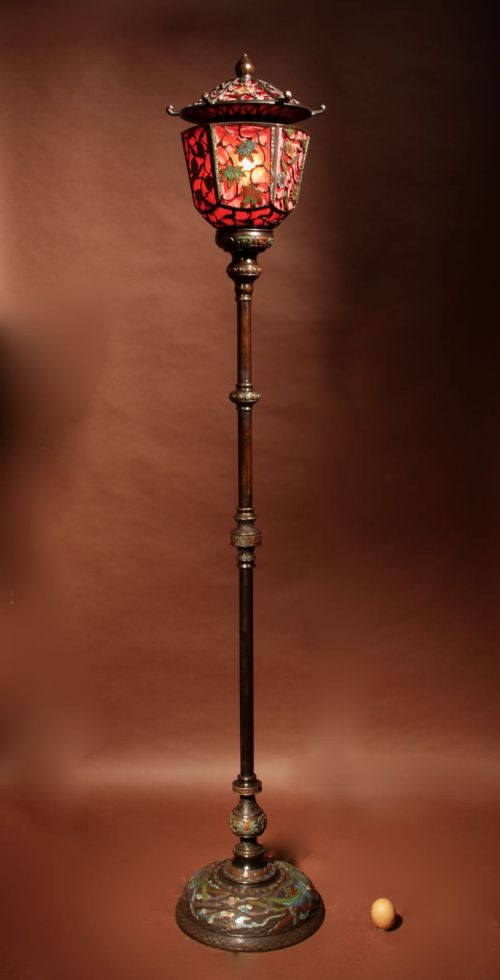
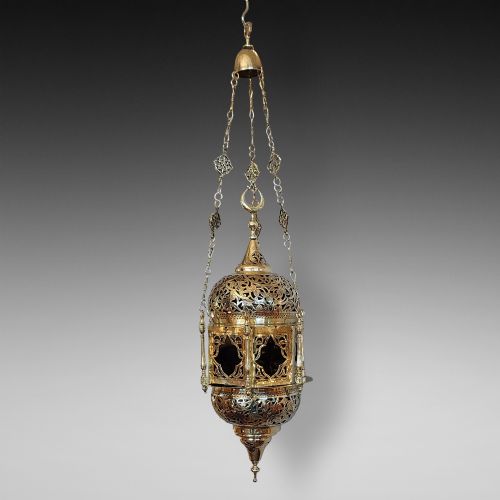
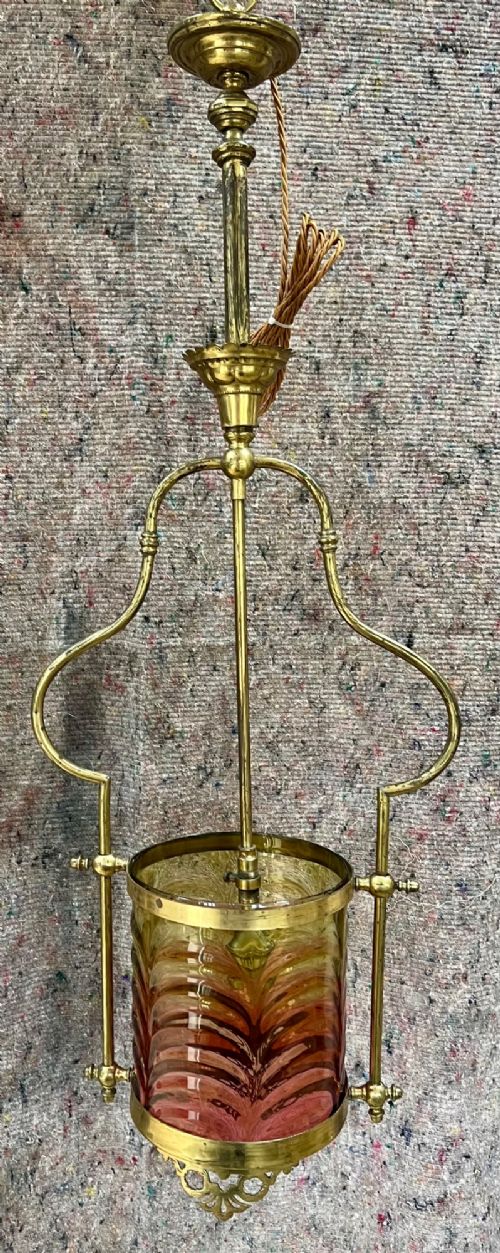
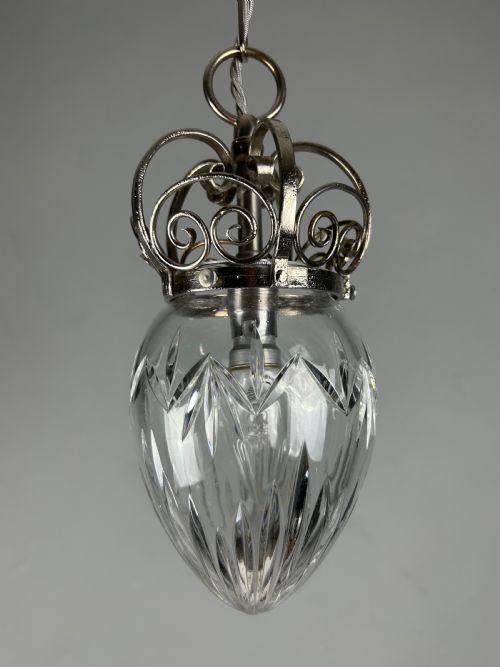
These decorative glass lantern options bring character and ambient illumination to a hallway or porch, prized for their period metalwork and coloured panels.
Decorative Glass Lantern
A decorative glass lantern serves as an atmospheric hanging or wall-mounted light source for hallways, porches and rooms. When searching for a decorative glass lantern, buyers encounter forms ranging from Edwardian brass and stained glass to French wrought iron and 1930s chrome pendants.
The pieces listed span periods from the late nineteenth century through the Edwardian era and into the 1920s and 1930s. Styles such as Gothic Revival, Moroccan Revival, Arts & Crafts and Art Deco shape the silhouettes and structural details of these hanging lights.
Hanging lanterns, ceiling lights, hall lanterns and wall sconces make up the primary object types available. Metal frames support plain, cut, leaded or stained glass panels designed to catch and diffuse light effectively.
Materials and construction
Makers constructed these lanterns using durable metals including brass, wrought iron, cast iron, copper, gilt brass and chrome. These structural elements were shaped to hold glass securely while bearing the weight of suspension.
Glass components include hand-blown diamond cut crystal, leaded stained glass and plain glass panels. Lead came holds stained glass sections together in geometric or figurative patterns common to Edwardian and revival pieces.
Blacksmiths and metalworkers utilised casting, forging and soldering techniques to join frames, brackets and suspension loops. Many examples incorporate hinged access doors or decorative pierced galleries for ventilation.
Decorative Glass Lantern Retail Price Guide 2026
Typical asking prices for decorative glass lantern among the pieces listed under this phrase on Sellingantiques today, from the lower quarter to the upper quarter. They describe what is for sale here now, not the wider market.
An unusual green man copper lantern brings a watchful mythological face directly into your hallway lighting.
Judging quality and character
Quality rests in the weight and substance of the metal frame, whether heavy cast brass, forged wrought iron or substantial copper. Lighter gauge metals lack the architectural presence of robust period examples.
The calibre of the glasswork dictates visual distinction, from hand-blown cut crystal bell jars to intricate leaded stained glass panels. The precision of the metal soldering and the integrity of the original joints distinguish finer workshop production.
The Decorative Glass Lantern Glossary
- Stained Glass
- Glass coloured by the addition of metallic salts during its manufacture, often assembled with lead cames into decorative windows or lantern panels.
- Wrought Iron
- Iron that has been heated and shaped with tools by a blacksmith, recognised by its fibrous texture and strength.
- Hall Lantern
- A lighting fixture specifically designed to hang in entrance halls and corridors, typically enclosed with glass panels to protect the flame or bulb.
- Bell Jar Lantern
- A hanging light featuring a bell-shaped glass vessel suspended by chains or a metal frame, often diamond cut.
Decorative Glass Lantern: Frequently Asked Questions
How do I hang a heavy brass lantern safely?
Heavy lanterns require anchorage directly into ceiling joists or structural timber using appropriate fixings rated for the weight of the metal and glass.
Consult a qualified electrician to ensure the suspension chain and electrical wiring comply with current safety standards before installation.
Were these lanterns originally used for candles or gas?
Many nineteenth and early twentieth-century examples were designed for candles or oil burners before being converted to electricity later in life.
Rewired fixtures retain their antique housings while accommodating modern internal lamp holders for everyday domestic use.
How do I clean stained glass panels without damage?
Use a soft, dry cloth or a gentle microfibre duster to remove surface dust from the glass and metal framework regularly.
Avoid harsh chemical cleaners or abrasive pads that can damage lead cames, patinated brass or fragile painted glass surfaces.
What distinguishes an Edwardian lantern from a Victorian one?
Victorian pieces often display heavier historic revival styles such as Gothic Revival, while Edwardian designs frequently lean towards lighter proportions and Arts and Crafts influences.
Details like leaded stained glass and polished brass become prominent during the Edwardian period.