






Decorative Flower Bowl
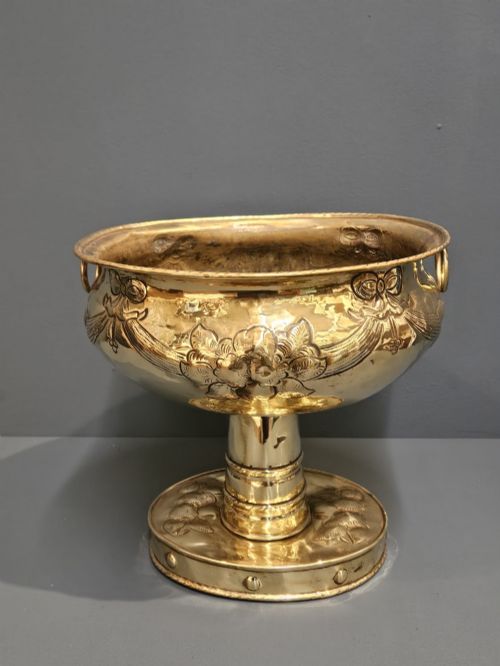
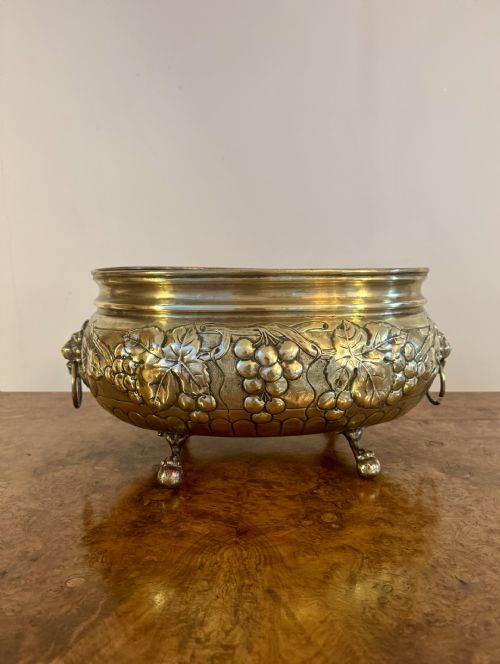
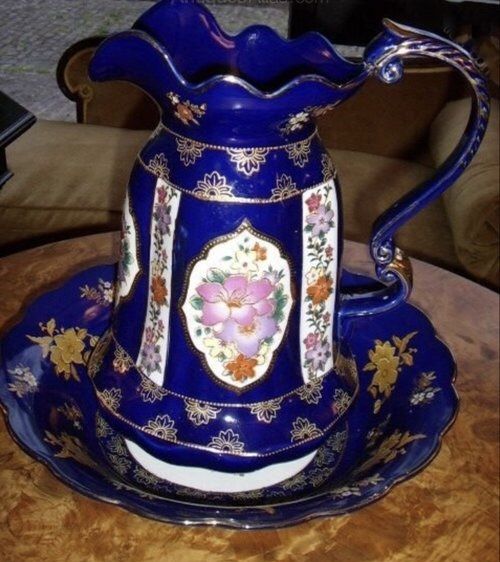
A decorative flower bowl brings organic form and rich colour into a room, serving as a striking centrepiece for any table or surface.
Decorative Flower Bowl
A decorative flower bowl encompasses a broad range of vessels designed to display blooms or simply stand alone as ornamental objects. When exploring these items, a buyer encounters forms spanning the nineteenth century through to the art deco period.
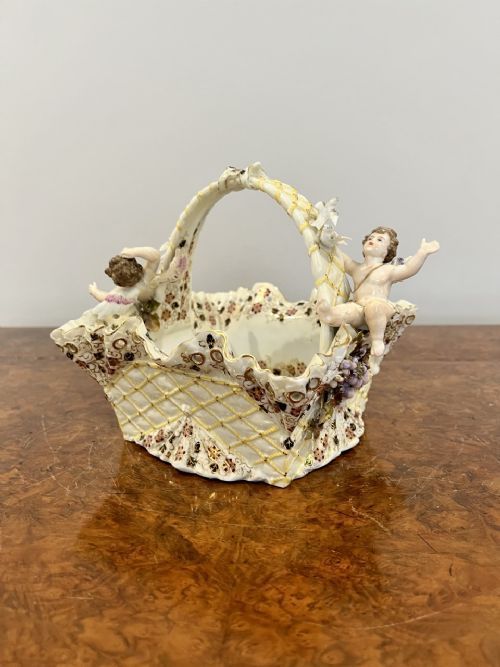
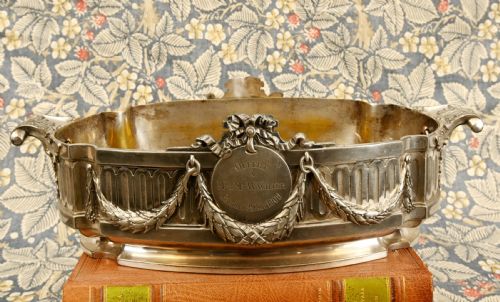
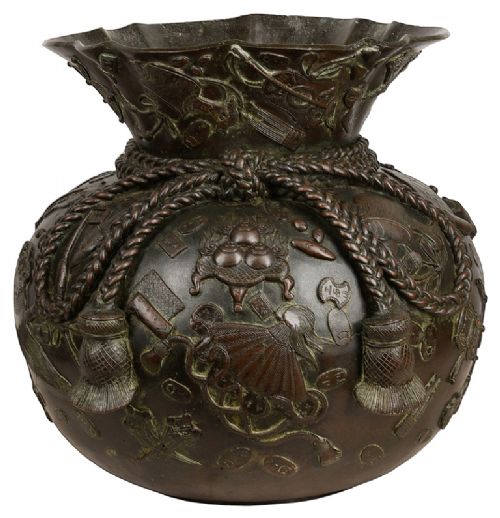
The selections on this page include Victorian porcelain baskets, Edwardian silver-plated centrepieces, and French art glass pieces. Chinese Canton famille rose jardinières and Japanese Satsuma vessels also appear among the varied origins.
Vessels take the shape of footed bowls, jardinieres, baskets, and centrepieces. Materials shift from earthenware and copper lustre to opalescent glass and sterling silver.
Assessing craftsmanship and finish
Quality rests upon the crispness of the modelling, especially where applied floral elements or cast metalwork are concerned. Finer examples display meticulous hand-painting and balanced proportions that elevate them above standard production pieces.
The weight of the material and the depth of the glaze or enamel finish distinguish superior items. Marks indicating renowned makers or specific periods add further weight to a piece's standing.
Decorative Flower Bowl Retail Price Guide 2026
Typical asking prices for decorative flower bowl among the pieces listed under this phrase on Sellingantiques today, from the lower quarter to the upper quarter. They describe what is for sale here now, not the wider market.
Several bowls arrive with their original presentation boxes intact, proving that nineteenth-century gift-giving was just as prone to careful archiving as it is today.
R Lalique·Daum France·Coalport·Rockingham Porcelain·Samson Porcelain
The Decorative Flower Bowl Glossary
- Jardiniere
- A large ornamental pot or bowl, usually ceramic or metal, designed to hold a live plant or floral arrangement. These vessels often sit on heavy tables or pedestals as focal points.
- Opalescent Glass
- Glass that diffuses light with a milky, iridescent appearance, often showing contrasting tones when viewed against the light. This technique gained prominence in twentieth-century French decorative arts.
- Cloisonne
- A decorative metalwork technique where thin wire partitions are affixed to a metal base and the resulting cells filled with enamel paste before firing. The finish presents distinct coloured compartments.
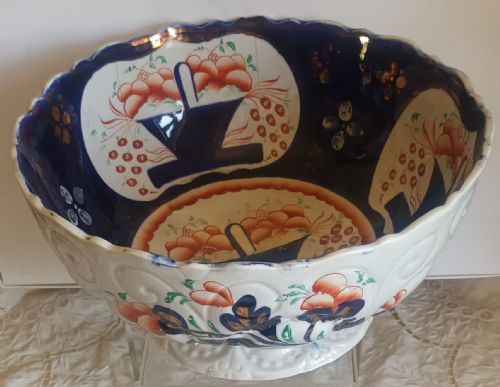
- Gaudy Welsh
- A type of colourful earthenware pottery featuring bold cobalt blue, copper lustre, and iron-red floral patterns. It was produced in nineteenth-century Staffordshire for the Welsh market.
Decorative Flower Bowl: Frequently Asked Questions
What is a decorative flower bowl used for?
These vessels serve primarily as ornamental centrepieces for dining tables, sideboards, or mantelpieces. Many are designed to hold fresh arrangements, while others function purely as decorative display items.
Larger versions, such as jardinieres, accommodate potted plants or large floral displays. Their varied forms allow them to integrate into both traditional and modern interiors.
How do I style a decorative flower bowl in my home?
Place a footed bowl or centrepiece in the middle of a table to anchor the room's decor. Pairing ceramic bowls with seasonal foliage or dried stems highlights their painted or glazed motifs.
Metal and glass variations catch the light near windows or under lamps, adding texture to a surface. Grouping them with complementary objects creates a layered, collected look.
How can I tell the period of a flower bowl?
Examine the materials, glazes, and manufacturing marks to determine the era. Nineteenth-century pieces often feature hand-painted details and heavier ceramic bodies, whereas twentieth-century items may display art deco geometric styling or opalescent glass techniques.
Maker stamps and base signatures provide definitive clues to origin and date. Comparing the decorative motifs against known historical styles confirms the period.
Are these bowls waterproof for real flowers?
Many ceramic, glass, and metal vessels can hold water safely for fresh arrangements. However, older pieces with porous earthenware bodies or delicate enamel work require careful handling.
Using a discreet inner container or liner protects fragile antique interiors from moisture damage. Checking the interior glaze helps determine if direct water use is suitable.