

Decorative Floral Table
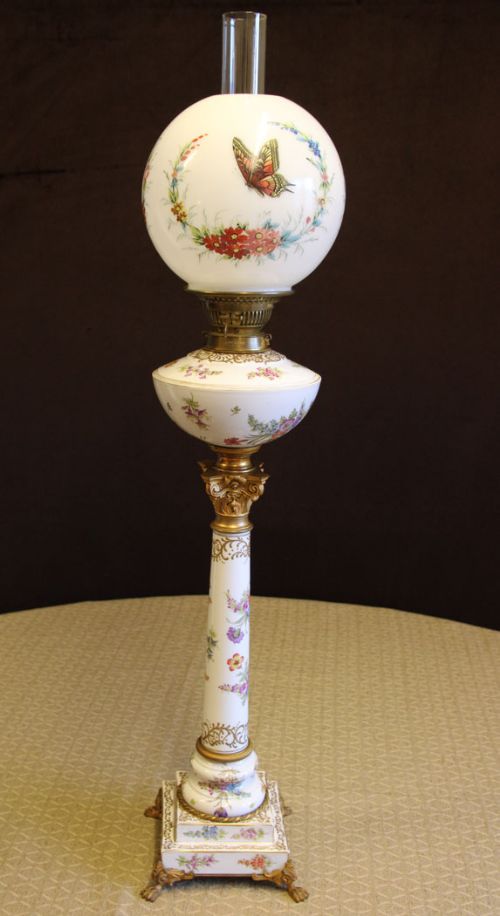
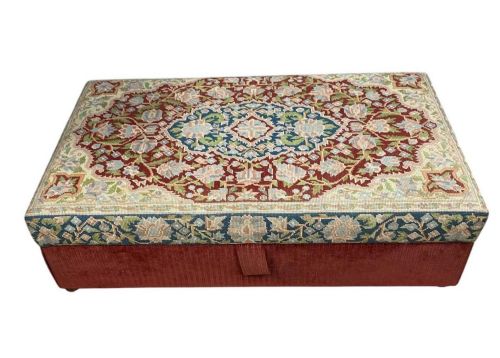
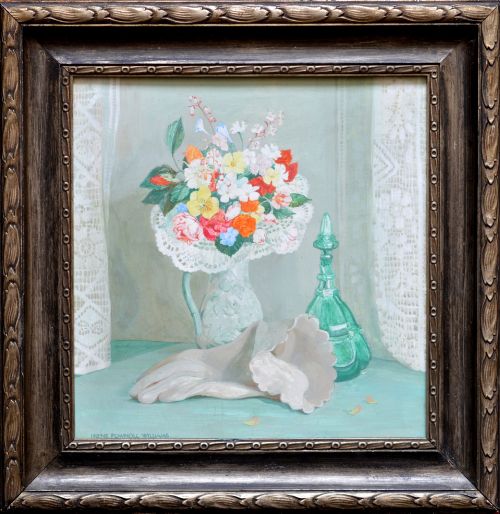
A decorative floral table brings intricate botanical motifs into a room, offering a functional surface shaped by diverse global aesthetics.
Decorative Floral Table
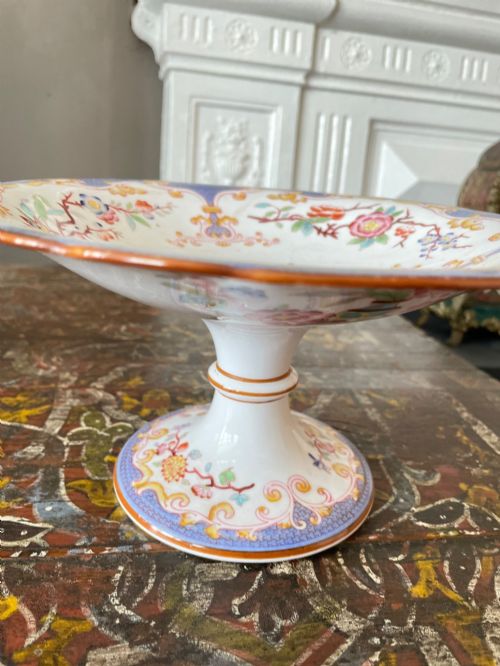
A decorative floral table sits among occasional and side pieces found in nineteenth and early twentieth-century households. These items frequently display painted, inlaid, or carved botanicals across wood and lacquered surfaces.
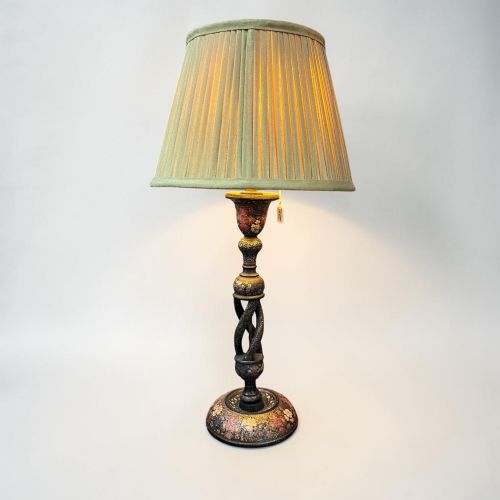
Buyers meet variations spanning English satinwood, Italian polychrome, and Anglo-Indian or Kashmiri craftsmanship from the Victorian and Edwardian eras. Such furniture merges utility with botanical artistry, serving as a focal point in a reception room.
Materials and construction methods
Craftsmen utilised seasoned timbers such as oak, satinwood, and walnut, often applying lacquer, paint, or gold leaf to build up complex floral schemes. Inlaid elements and painted panels require precise hand skills to fix botanicals securely onto the wooden foundations.
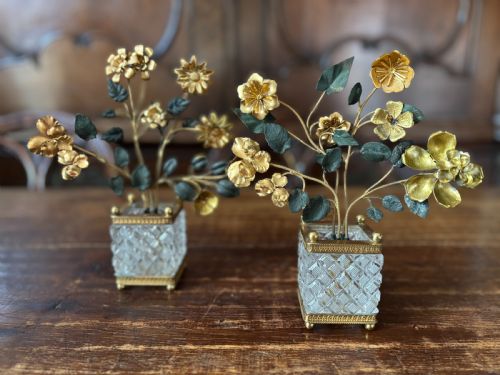
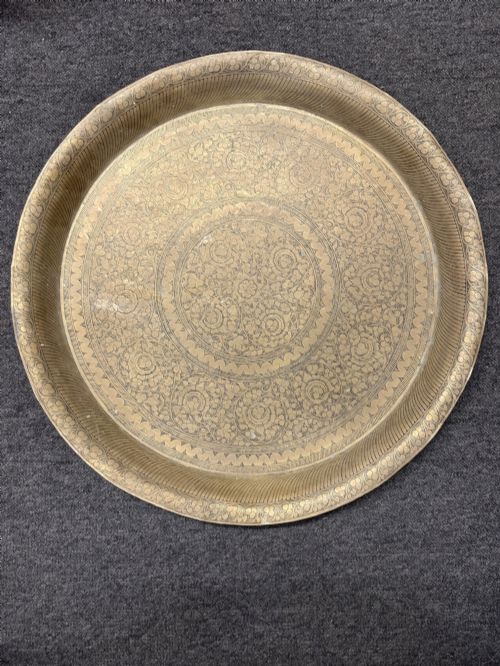
Makers integrated various media including brass, bronze, and ceramic tiles into table structures and associated small furniture. Surface protection relied upon traditional varnishes and polishes that aged over decades to reveal deep patination.
Decorative Floral Table Retail Price Guide 2026
Typical asking prices for decorative floral table among the pieces listed under this phrase on Sellingantiques today, from the lower quarter to the upper quarter. They describe what is for sale here now, not the wider market.
Assessing quality in execution
Superior examples reveal meticulous hand-painting and precise joinery where wood sections meet without visible gaps. The depth of carved relief and the fineness of polychrome pigments distinguish standard commercial production from master workshops.
The integrity of the structural frame alongside the preservation of original surface finishes dictates the standing of a piece. Well-maintained lacquer and crisp inlay work show that an object received careful handling over generations.
John Davenport of Longport·Royal Doulton·Royal Worcester·Charlotte Rhead
The Decorative Floral Table Glossary
- Satinwood
- A durable hardwood with a natural golden sheen, frequently utilised for painted occasional furniture during the eighteenth and nineteenth centuries.
- Polychrome
- The practice of decorating architectural elements, ceramics, or wooden furniture in a variety of bright colours.
- Lacquered
- Coated with resinous finishes derived from natural saps, creating a hard, glossy surface that resists moisture and wear.
- Occasional table
- A small, movable table designed for specific, temporary uses such as holding books or displaying decorative objects.
Decorative Floral Table: Frequently Asked Questions
How do I clean a painted wooden table surface?
Dust gently with a soft, dry cloth to remove surface particles without disturbing delicate paint layers.
Avoid chemical cleaning sprays and moisture, which can penetrate aged varnishes and lift historical pigments.
Where should I place an occasional table at home?
Position these pieces beside seating areas or in hallways where their decorative tops can be easily observed.
Keep them away from direct sunlight and radiators to prevent wood warping and paint fading.
Are these tables suitable for everyday heavy use?
Most antique decorative items are intended for light placement rather than heavy load-bearing duties.
Using coasters and avoiding sharp impacts preserves the fragile floral painting and inlay work.
How do I identify a nineteenth-century period piece?
Examine the construction joints, timber types, and wear patterns underneath and inside the frame.
Hand-cut fixings and natural ageing in the lacquer or paint point directly to nineteenth-century manufacturing methods.