
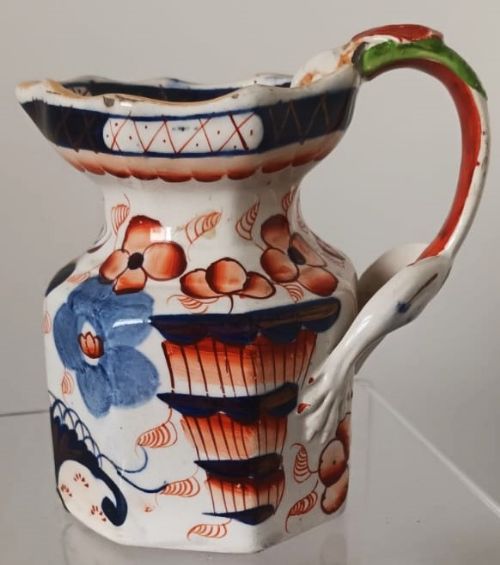


Decorative Floral Ceramic Pitcher
A decorative floral ceramic pitcher brings botanical colour and pattern to a room, offering both practical pouring form and striking display presence.
Decorative Floral Ceramic Pitcher
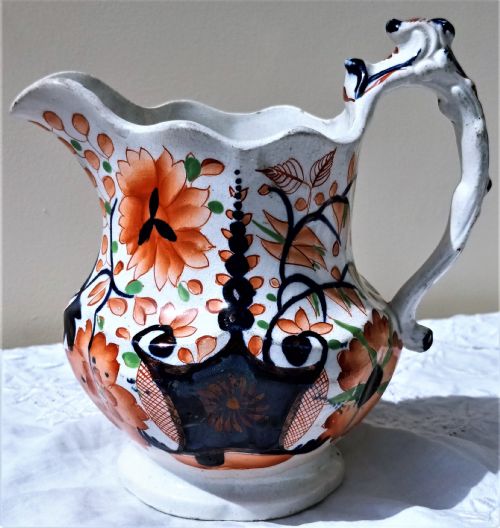
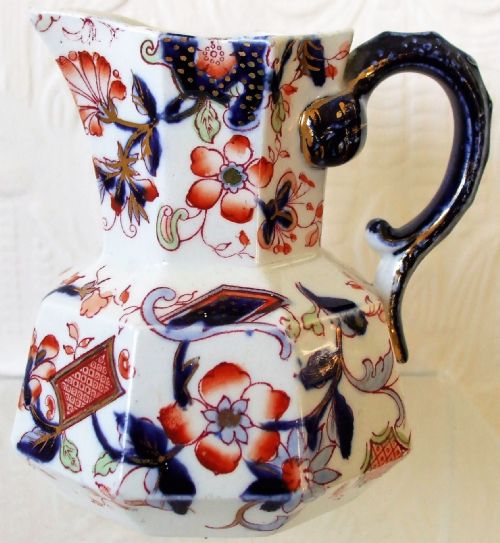
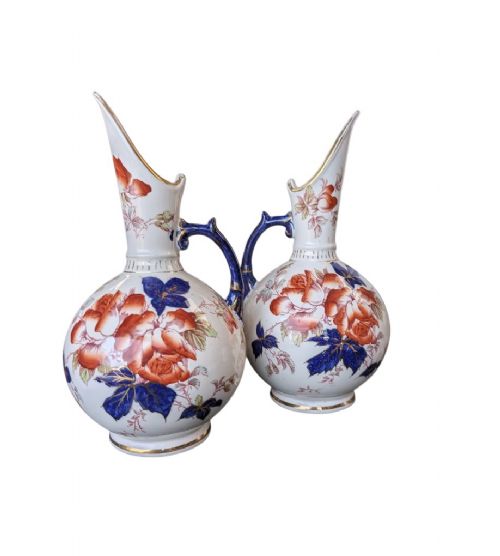
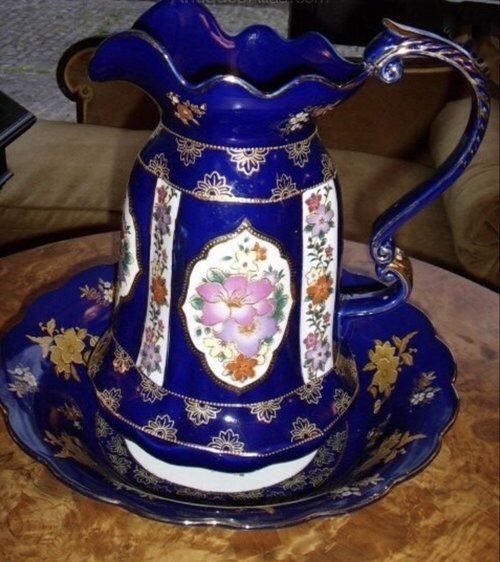
A decorative floral ceramic pitcher is a handled vessel designed for display or washing, taking forms such as ewers, jugs, and washstand sets. These pieces emerge predominantly from the nineteenth century into the early twentieth century, spanning Victorian, Arts and Crafts, and Art Nouveau styles.
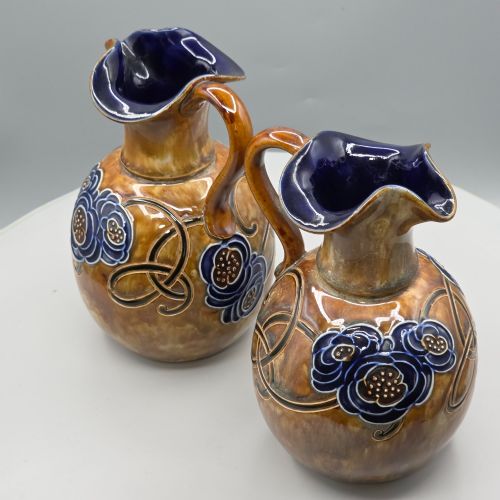
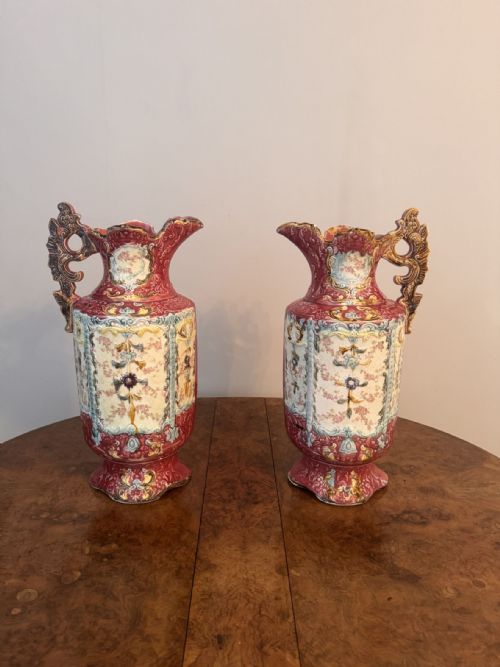
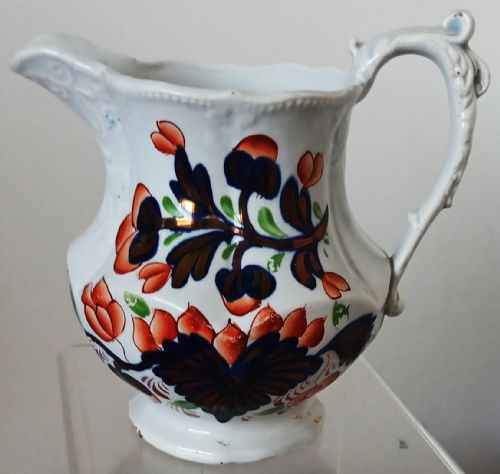
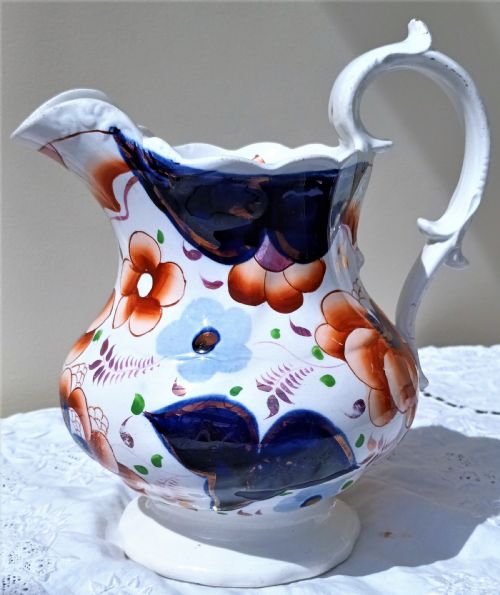
Buyers will encounter various incarnations ranging from grand Royal Worcester ewers with gilt accents to robust Gaudy Welsh pottery jugs featuring traditional patterns like Grape and Pagoda. Smaller floral jugs and washstand sets with cobalt blue glazes also appear frequently across the selection.
Originating from English potteries, Austrian kilns, and Japanese workshops, these vessels reflect diverse aesthetic movements including Japanese Imari, Aesthetic style, and Victorian Rococo Revival. Each object combines utility with botanical ornamentation executed in ceramic, porcelain, and earthenware.
How they were made
Potters shaped these vessels using earthenware and porcelain bodies, applying liquid clay and glazes before firing them in kilns. Many items receive hand-painted floral motifs and botanical panels directly onto the ceramic surface.
Makers enhanced select pieces with gold leaf, gilding, and enamel highlights to accentuate moulded reliefs and handles. Techniques such as Doulton Slater's Patent introduced textured backgrounds beneath floral decorations.
A pouch jug awaits discovery for anyone seeking an unusually plump silhouette among the floral wares.
What varies in quality
Quality rests in the crispness of the modelled form, whether handling a cleft jug or a tall pedestal ewer. Superior examples display precise hand-painted botanical detail and balanced proportions rather than flat, uniform transfers.
The application of gilding and gold leaf distinguishes standard production from exceptional factory pieces. Maker attribution, particularly to established names like Royal Worcester or Doulton, elevates the standing of a piece within its period.
Royal Doulton·Keeling and Co·Royal Worcester·Charlotte Rhead·Doulton Burslem
The Decorative Floral Ceramic Pitcher Glossary
- Ewer
- A large jug with a wide spout and a curved handle, traditionally used for holding water or wine.
- Gilding
- The application of gold leaf or gold powder to the ceramic surface to create metallic highlights and borders.
- Gaudy Welsh
- A distinctive style of brightly coloured pottery featuring cobalt blue, copper lustre, and pink flowers, popular during the nineteenth century.
- Blush ivory
- A porcelain finish developed by Royal Worcester featuring a creamy, matte background decorated with soft floral colours and raised gold.
- Washstand set
- A matching collection comprising a large jug and bowl used for personal washing before modern indoor plumbing.
Decorative Floral Ceramic Pitcher: Frequently Asked Questions
How were ceramic pitchers used originally?
These vessels served practical domestic roles on washstands, dining tables, and sideboards for holding water, wine, or flowers. Larger ewers formed part of matching washstand sets used in bedrooms.
Over time, many transitioned into pure display objects valued for their sculptural forms and painted botanical patterns.
How do I identify a Victorian ewer?
Victorian ewers typically feature robust ceramic or porcelain bodies decorated with elaborate handles, gilt accents, and floral motifs. They often draw upon historical revivals such as Rococo curves or Gothic proportions.
Look for impressed factory marks and registration numbers on the underside to confirm the production era.
What is Gaudy Welsh pottery?
Gaudy Welsh pottery consists of earthenware jugs and tableware decorated with vibrant hand-painted patterns like Grape, Pagoda, and Drape. These pieces utilise strong cobalt blue, copper lustre, and pink highlights.
Potters produced them in large quantities during the nineteenth century for everyday domestic use.
Can I use these pitchers for fresh flowers?
Most ceramic and porcelain pitchers hold water safely and make striking vases for fresh floral arrangements. It remains wise to check the interior for any hairline cracks before filling.
Hand washing is essential to preserve delicate surface gilding and hand-painted enamel details.