

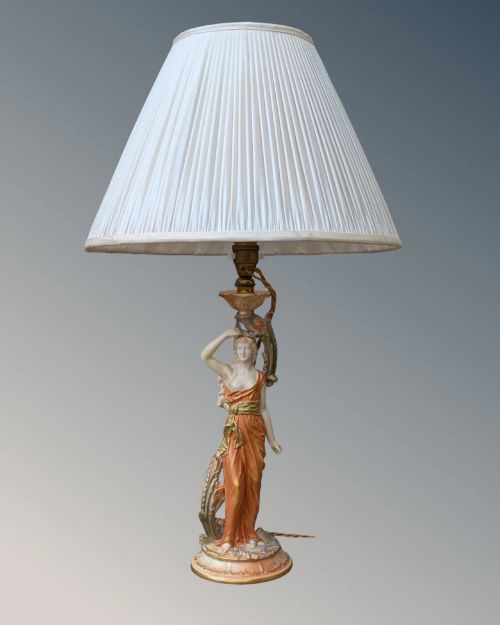


Decorative Figural Lamp
These decorative figural lamp designs combine sculptural human or animal forms with functional lighting, bringing character and period presence to a room.
Decorative Figural Lamp
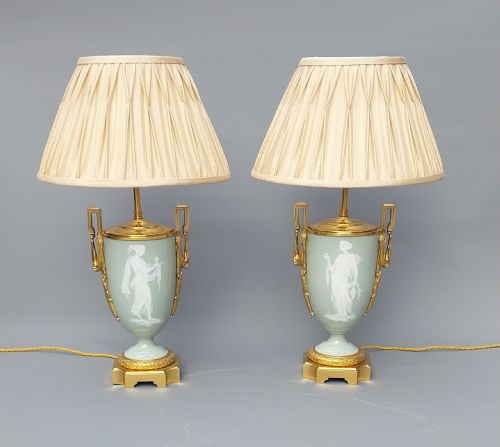
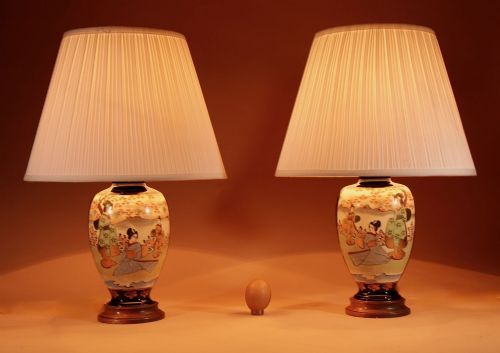
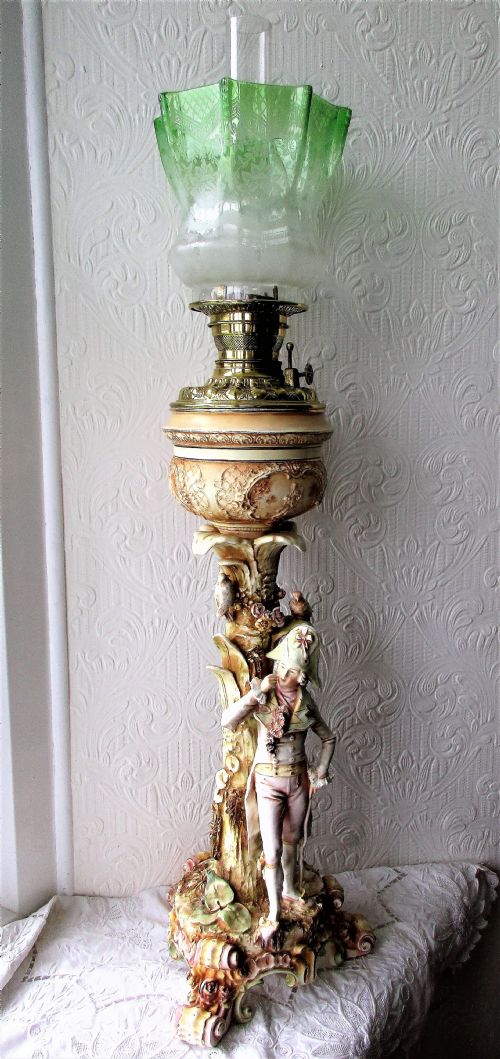
When you search for a decorative figural lamp, you encounter lighting fixtures that incorporate sculpted figures into their primary design, ranging from classical cherubs and bronze ladies to Japanese Satsuma ware and porcelain pairs. These pieces serve as both functional illumination and substantial sculptural objects, frequently dominating the surface or corner where they stand.
The versions most commonly met on this page span the nineteenth century through the nineteen-thirties, taking the form of table lamps, standard lamps, and converted oil lamps. Materials include porcelain, gilt bronze, carved wood, and frosted glass, representing Victorian, Edwardian, Art Nouveau, and Art Deco aesthetics.
How They Were Made
Makers shaped these fixtures using metals such as bronze and brass, often applying gilt or patinated finishes to the cast figures. Bronze examples demonstrate detailed foundry work, whilst carved wood and gesso variants rely on hand-chiselled detailing and applied surface preparation.
Porcelain components, including pâte-sur-pâte and Satsuma wares, involve ceramic moulding and hand-painted decoration, sometimes paired with cast metal mounts. Glass elements utilise frosted or shaped techniques to diffuse light effectively from the central body or the accompanying fabric shades.
Decorative Figural Lamp Retail Price Guide 2026
Typical asking prices for decorative figural lamp among the pieces listed under this phrase on Sellingantiques today, from the lower quarter to the upper quarter. They describe what is for sale here now, not the wider market.
Cherubs and bronze ladies hold up the light, proving that even a nineteenth-century reading nook appreciates a theatrical assistant.
What Varies in Quality
Quality also emerges in the integrity of the materials, such as heavier bronze proportions, genuine signed foundry work, and superior ceramic painting rather than mass-produced transfer printing. The harmony between the figural base and the lighting elements dictates the overall success of the piece.
Emile Picault·P.Sega·Henri Honore Ple
The Decorative Figural Lamp Glossary
- Pâte-sur-pâte
- A ceramic technique where wet porcelain slip is built up in layers on a dark body to create a low-relief cameo effect. This process requires considerable skill from the artisan to achieve subtle translucent effects.
- Gilt Bronze
- Bronze metal that has been coated with a thin layer of gold or gold amalgam to impart a rich metallic sheen. It protects the underlying metal whilst adding decorative brilliance.
- Blackamoor
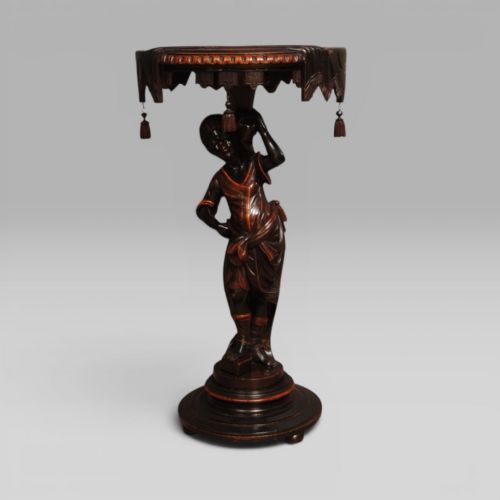
- A term historically used in European decorative arts to describe carved wooden figures, often depicted in elaborate attire serving as stands or furniture supports. They are frequently rendered in polychrome and gesso during the Venetian tradition.
- Satsuma
- A type of Japanese earthenware traditionally decorated with intricate enamel patterns and gilt over a crackle-glaze ivory ground. These vessels are frequently adapted into electrified table lamps.
Decorative Figural Lamp: Frequently Asked Questions
How do I date a figural lamp?
Dating relies on the stylistic markers of the base, such as the flowing organic lines typical of Art Nouveau or the geometric symmetry of Art Deco. Material choices and manufacturing techniques also align with specific nineteenth and early twentieth-century periods.
Examining the wiring, fittings, and signature marks, where present, provides further clues to the decade of production. Comparing the sculptural style to documented bronzes and ceramics from known makers clarifies the timeline.
Are these lamps safe for modern use?
Most antique lamps require rewiring to meet contemporary electrical standards, as original cords and internal components degrade over decades. A qualified electrician can easily update the internal wiring without altering the exterior historic fabric.
It is advisable to use modern low-heat LED bulbs to protect delicate materials like fabric shades, aged porcelain, and painted wooden surfaces from thermal damage.
How were figural lamps used originally?
These pieces functioned primarily as statement lighting in grand Victorian parlours, Edwardian drawing rooms, and interwar reception spaces. Positioned on side tables, pedestals, or floor standings, they provided ambient light whilst displaying the owner's taste in sculpture and fine craft.
Many began as oil lamps before being converted to electricity as domestic power became widespread during the early twentieth century.
How do I clean a bronze or porcelain lamp?
Dust bronze and metal surfaces gently with a soft, dry cloth to prevent the accumulation of grime without disturbing the patina. Avoid using chemical polishes that can strip away original gilt or patination finishes.
Porcelain and glass sections can be wiped down with a barely damp cloth, ensuring no moisture enters any remaining vintage electrical components or unsealed wooden bases.