




Decorative Elephant Figure
These decorative elephant figure examples combine carved hardwoods, precious porcelain and detailed metalwork to bring character to a mantelpiece or desk.
Decorative Elephant Figure
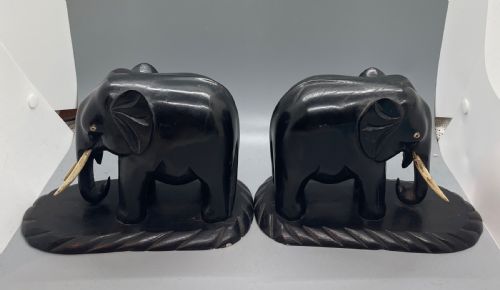
A decorative elephant figure encompasses carved studies, functional bookends, candelabras and doorstops produced across the nineteenth and early twentieth centuries. Buyers seeking these ornamental sculptures will find works ranging from Victorian doorstops to carved hardwood studies from the Raj period.
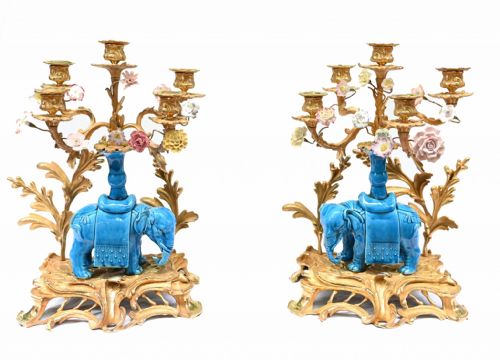
The pieces on this page originate from diverse workshops and global traditions, including Anglo-Indian carvings, Chinese cloisonné and European porcelain manufactories. Formats span solitary sculptures on bases to matched pairs designed to hold books or flank a fireplace.
How they were made
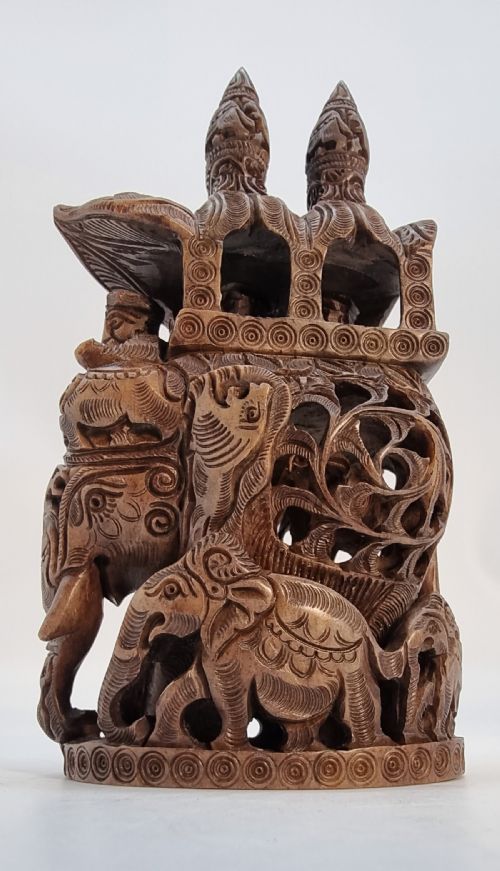
Carved pieces utilise dense natural materials such as ebony, hardwood, soapstone and bone, shaped by hand to capture realistic musculature and ceremonial trappings. Sculptors often incorporated separate tusks and applied intricate surface detailing for riders or attendants.
Ceramic examples employ hard-paste porcelain and enamel work, shaped in moulds before receiving hand-painted glazes and gilding. Metal components and leather models utilise traditional stitching and casting techniques typical of Arts and Crafts production.
Decorative Elephant Figure Retail Price Guide 2026
Typical asking prices for decorative elephant figure among the pieces listed under this phrase on Sellingantiques today, from the lower quarter to the upper quarter. They describe what is for sale here now, not the wider market.
Some nineteenth-century carvers included minute, hidden attendants perched atop ceremonial elephants to surprise attentive viewers.
What varies in quality
Quality rests upon the naturalism of the carving and the precision of the surface decoration, distinguishing master artisans from regional workshops. Finer sculptures display careful attention to anatomical proportions, posture and facial expression.
The integrity of the material also dictates distinction, seen in the grain of genuine ebony or the crispness of hand-painted porcelain and gilding. Complete appendages and original bases preserve the artistic intent of the maker.
Meissen·Carl Thieme Dresden
The Decorative Elephant Figure Glossary
- Anglo-Indian
- Descriptive of decorative arts produced in India during the British colonial period, often combining local materials with European forms. These items frequently utilise native timbers like ebony.
- Hard-paste porcelain
- A durable ceramic composition fired at high temperatures, allowing for sharp detail and brilliant glaze retention. European manufactories utilised this material for intricate animal figures.
- Cloisonné
- An ancient metalworking technique where thin wire partitions are soldered to a base and filled with enamel paste. This method creates vibrant, patterned surfaces on sculptural forms.
- Steatite
- A metamorphic rock rich in talc, commonly known as soapstone, valued for its soft texture and ease of carving. Sculptors utilised it for smooth, tactile animal studies.
Decorative Elephant Figure: Frequently Asked Questions
What materials were used?
Makers utilised a diverse range of materials, including dense tropical hardwoods like ebony, soapstone, bone and leather. Ceramic examples feature hard-paste porcelain enhanced with enamel and gilt.
Craftsmen selected each material to suit the specific style and region of production, from colonial carving traditions to European porcelain factories.
How are pairs matched?
Matched pairs often function as bookends, candelabras or decorative ornaments designed to mirror one another in posture and scale. Sculptors carved ebony pairs or moulded porcelain figures in reverse to create balanced compositions for display.
Collectors look for consistent patination, matching dimensions and identical base designs to confirm an original pair.
Where were they made?
Geographic origins span British colonial workshops in India, Chinese enamel-working centres and prominent European porcelain manufactories in Germany. Each region imparted distinct regional characteristics through local materials and prevailing artistic styles.
Victorian English foundries also produced functional items such as iron and brass doorstops for domestic interiors.
How should I display them?
These figures suit placement on mantelpieces, bookshelves, desks or dedicated display tables where their materials can be appreciated close up. Bookends and doorstops require sturdy surfaces capable of supporting substantial weight.
Keeping items away from direct sunlight and extreme temperature fluctuations protects organic materials like leather, bone and polished hardwood.