

Decorative Edwardian Glass
Decorative Edwardian glass brings together the luminous forms and fluid lines typical of the period, offering collectors items designed to catch light and shape interior spaces.
Decorative Edwardian Glass
When you search for decorative Edwardian glass, you encounter items shaped by the tastes of the early twentieth century, spanning table vessels, lighting components and architectural panels. The pieces on this page draw upon periods such as the Edwardian era alongside Victorian and Art Nouveau influences, reflecting a broad range of domestic utility and ornament.
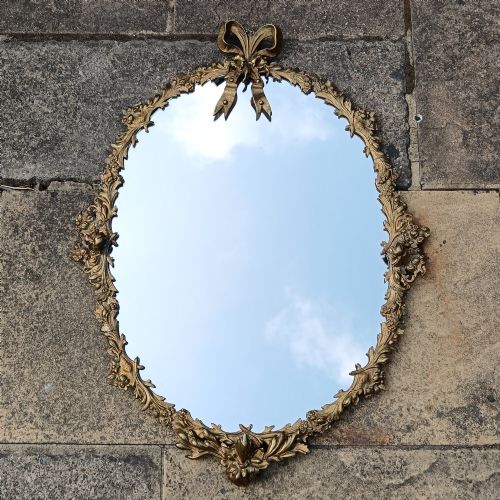
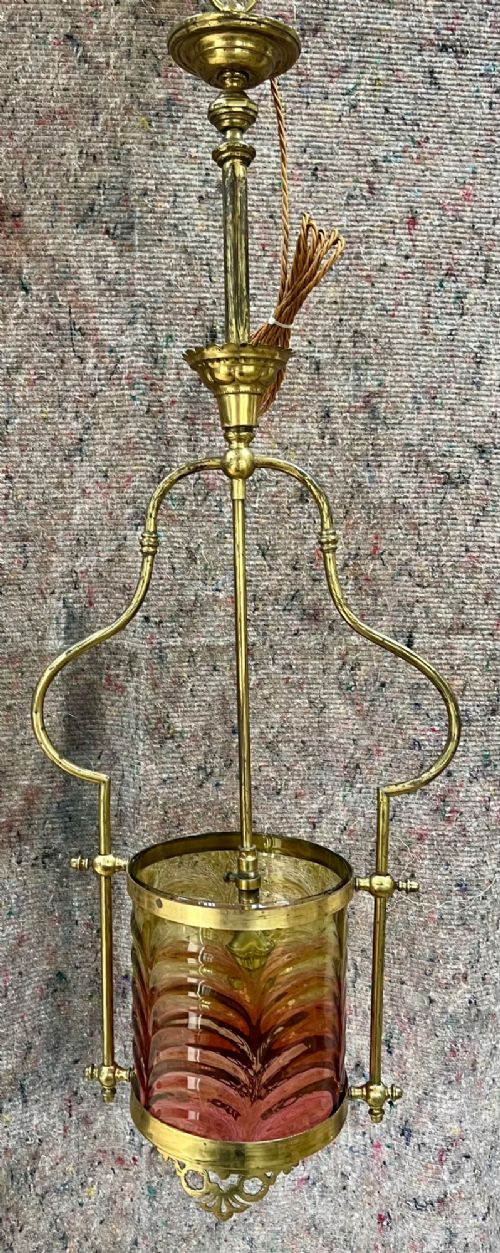
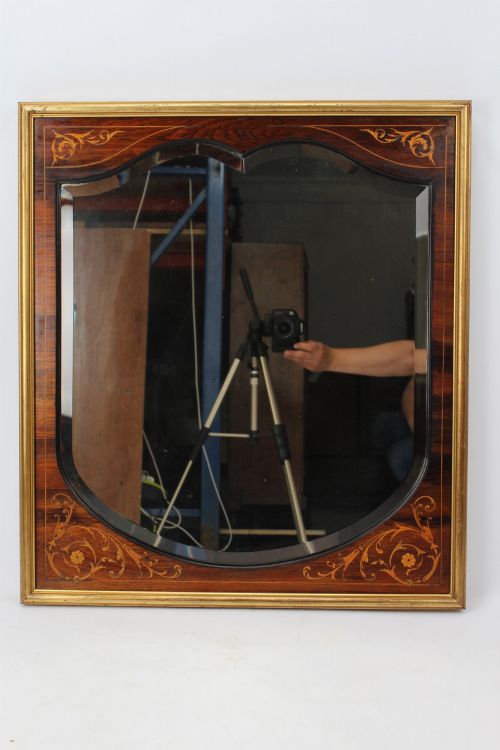
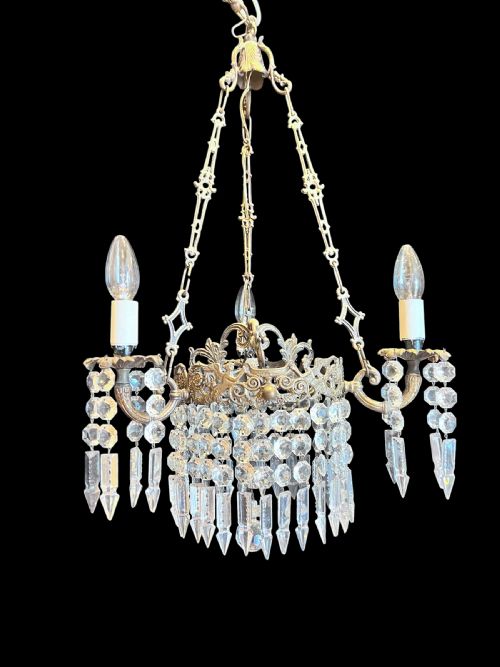
Vases, oil lamps, chandeliers and mirrors form the core of what appears here, often combining glass with brass, gilt bronze or lead. Makers and designers utilised cut glass, enamelling and cameo techniques to achieve tactile surfaces that suit both period interiors and modern settings.
Materials and methods of construction
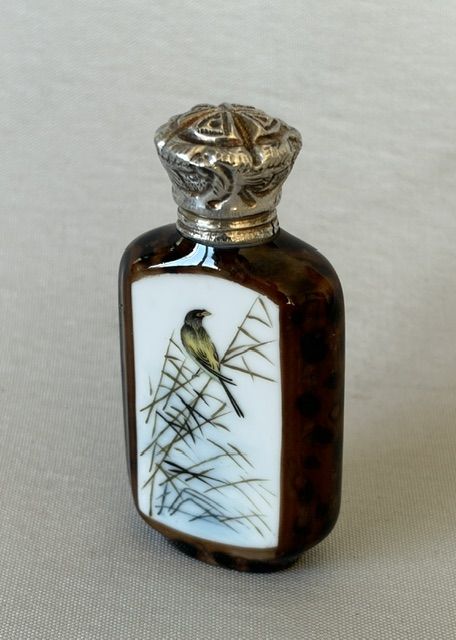
Makers shaped glass through blowing, moulding and cutting, producing heavy lead crystal or delicate cased vessels with distinct optical properties. Techniques such as cameo carving and enamelling added layered colour and intricate surface relief, frequently paired with metal mounts in brass or gilt bronze.
In architectural and display contexts, stained and leaded glass panels required precise soldering and framing to hold coloured segments in place. These physical methods determine the weight, clarity and structural integrity visible in each surviving object.
Decorative Edwardian Glass Retail Price Guide 2026
Typical asking prices for decorative edwardian glass among the pieces listed under this phrase on Sellingantiques today, from the lower quarter to the upper quarter. They describe what is for sale here now, not the wider market.
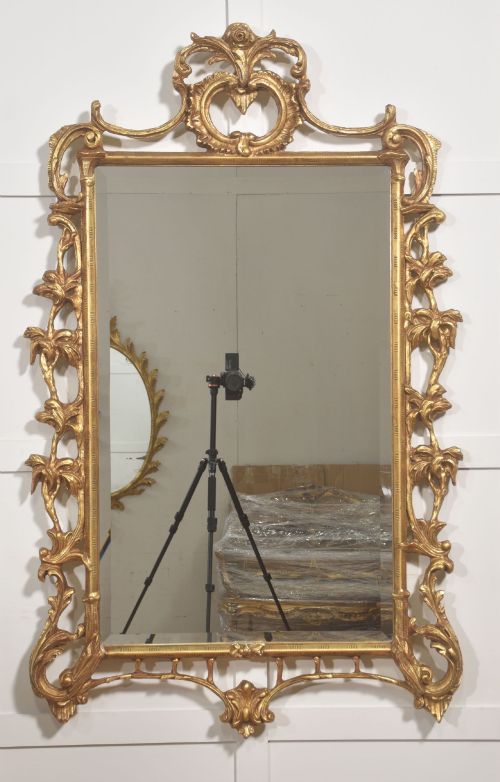
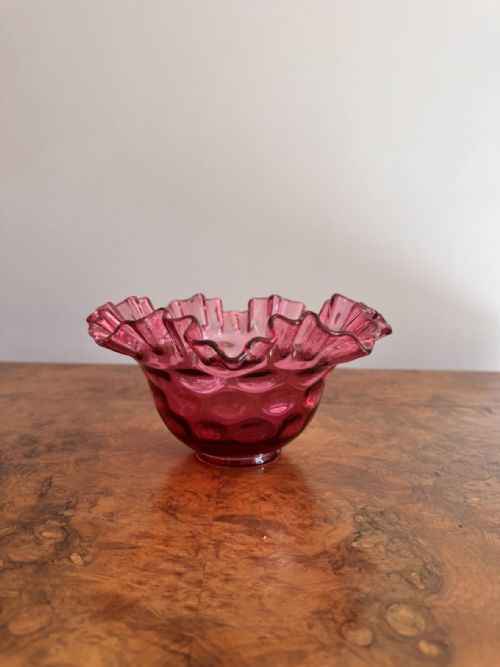
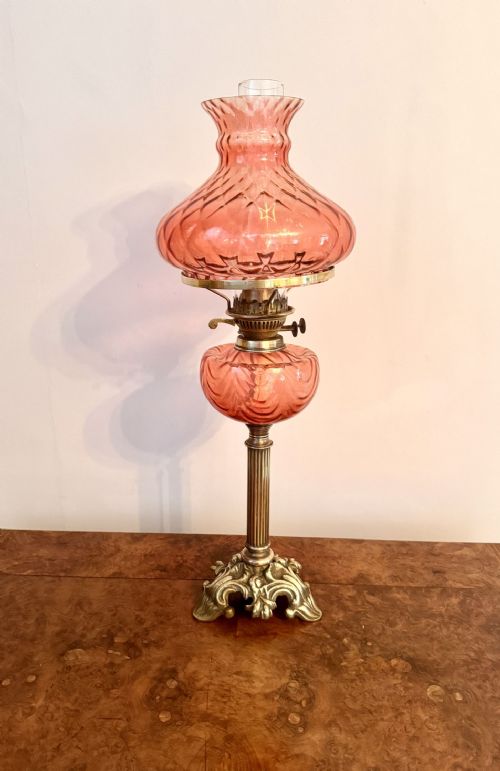
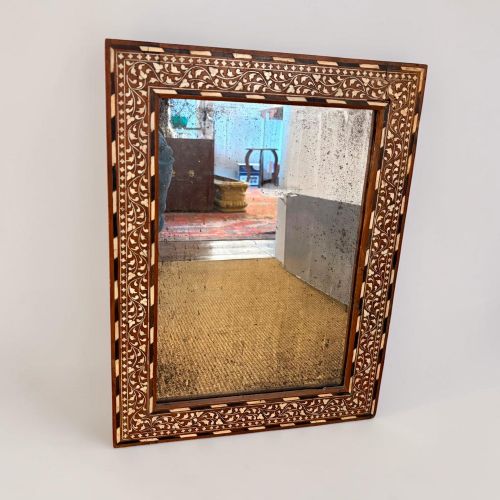
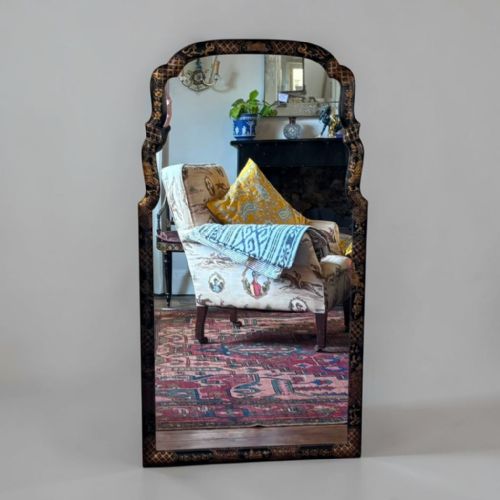
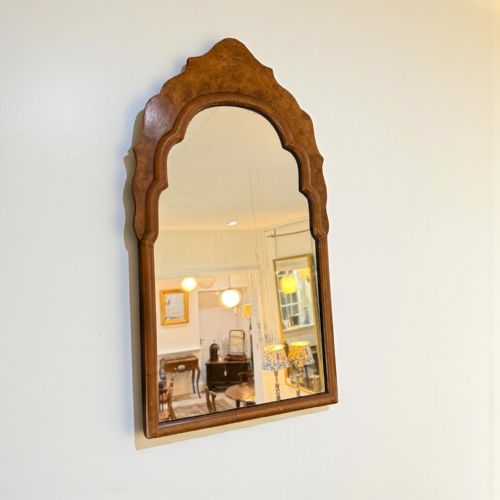
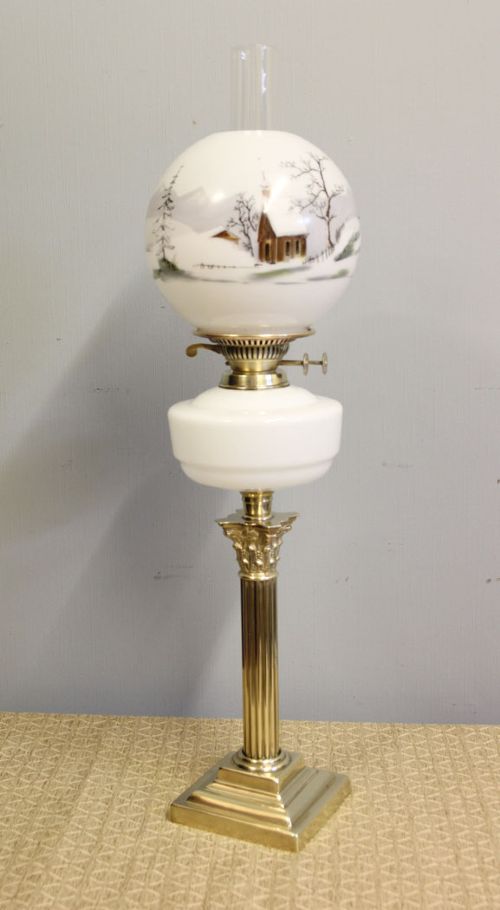
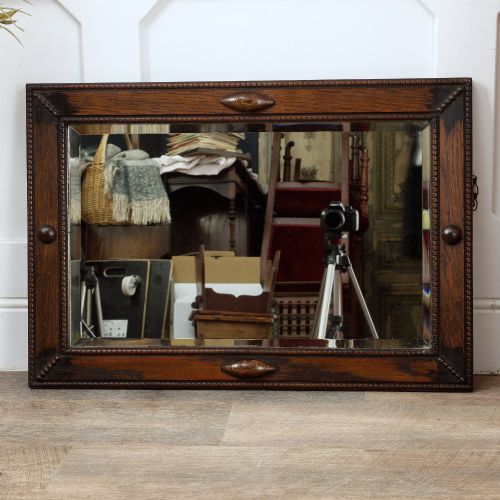
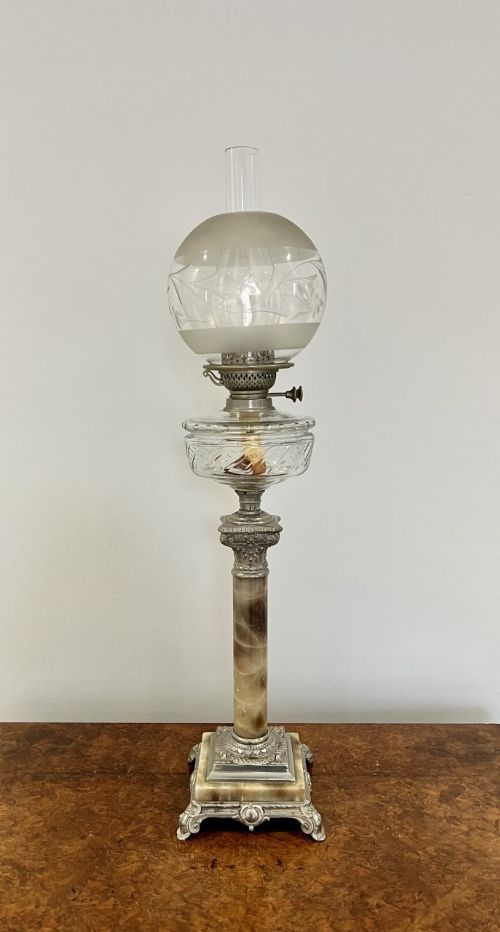
Object forms on this page include wall mirrors, oil lamps, chandeliers, vases, and stained glass windows dating from the late nineteenth and early twentieth centuries.
Distinctions in quality
The standard of execution separates exceptional pieces from ordinary production, visible in the crispness of glass cutting and the depth of cameo layers. Superior items display careful hand-finishing on metal mounts and balanced proportions between the glass body and its brass or bronze fittings.
Design ambition also marks the better examples, where artistic direction aligns with skilled execution rather than standard factory output. The handling of colour and the integration of ornamental details reveal the workshop's level of expertise.
Galle·Georges Leleu
The Decorative Edwardian Glass Glossary
- Cameo glass
- A vessel formed of two or more distinct layers of coloured glass fused together, where the outer layer is carved away to leave a raised design. This technique requires considerable skill to achieve consistent depth and detail across the motif.
- Cased glass
- Glass made with multiple layers of different colours, often blown together and then cut or etched to reveal the underlying hues. It creates rich visual contrast within decorative objects.
- Cut glass
- Glass decorated by grinding facets or geometric patterns into the surface using a rotating wheel. Deep and sharp facets indicate superior craftsmanship.
- Art Nouveau
- A style characterised by organic, flowing lines and motifs derived from natural forms such as plants and flowers. It heavily influences the decorative arts of the late nineteenth and early twentieth centuries.
- Gilt bronze
- Bronze that has been coated with a thin layer of gold or gold-coloured alloy to give a rich metallic finish. It frequently appears as mounts or frames alongside decorative glass elements.
Decorative Edwardian Glass: Frequently Asked Questions
What is decorative Edwardian glass?
Decorative Edwardian glass encompasses items made around the start of the twentieth century, combining utility with artistic design. These objects include vases, lamps and architectural panels that reflect contemporary tastes for colour and light.
Craftsmen utilised various glassworking techniques, frequently pairing the material with supportive mounts of brass, bronze or lead to create durable domestic items.
How were these pieces used?
Many of these items served practical functions in homes, providing illumination through oil lamps and chandeliers or holding flowers in decorative vases and centrepiece bowls. Mirrors and glass screens also helped distribute light and divide interior spaces.
Over time, their decorative qualities became more prominent, leading to their preservation as display objects rather than purely utilitarian items.
How do I live with decorative glass?
Placing glass objects near natural light sources allows their colour and cut facets to interact with changing daylight throughout the room. Stained glass panels and window inserts work effectively when hung where light can pass directly through them.
Heavier pieces like vases and centrepieces require stable surfaces away from high-traffic areas to ensure safety while still serving as focal points in a room.
How do I tell periods apart?
Distinguishing between periods relies on observing shifts in design styles, such as the geometric order of the Edwardian era compared to the sinuous, organic lines of Art Nouveau. Material combinations, such as heavy gilt bronze mounts or specific glass colouring techniques, also point to particular decades of manufacture.
Examining construction methods and finishing details helps clarify whether an item originates from the late nineteenth century or the early decades of the twentieth.