


Decorative Earthenware Vases
Decorative earthenware vases bring tactile warmth and rich colour to a room through centuries of ceramic tradition.
Decorative Earthenware Vases
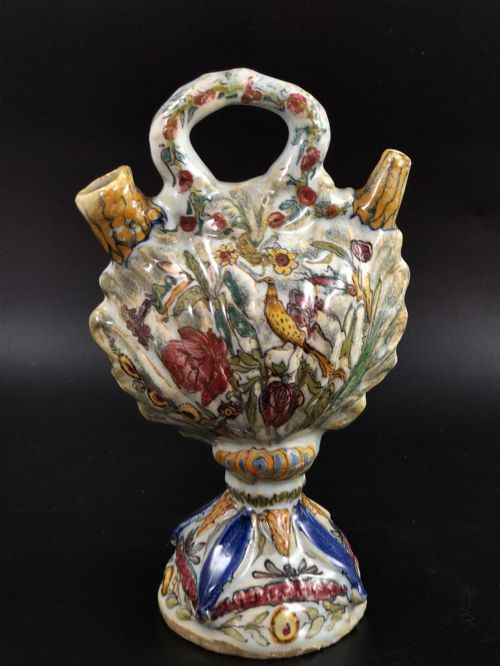
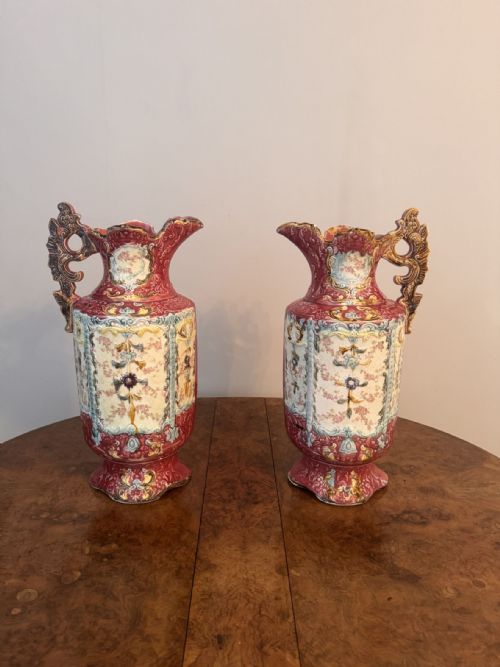
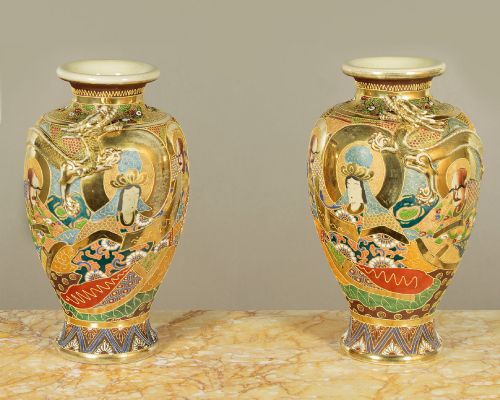
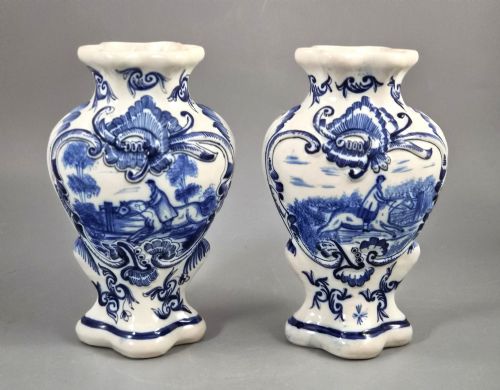
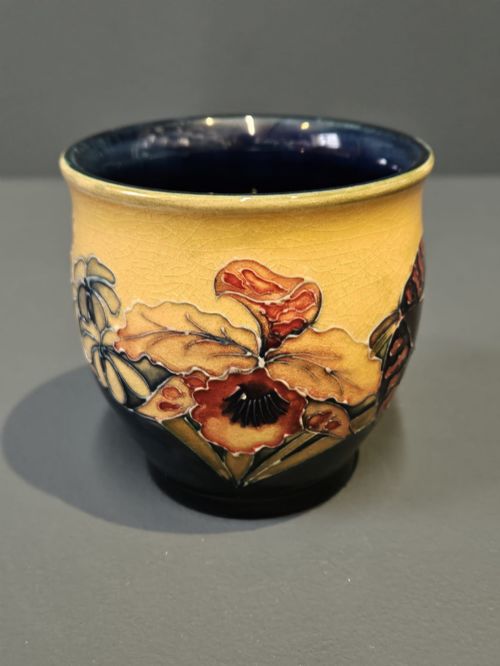
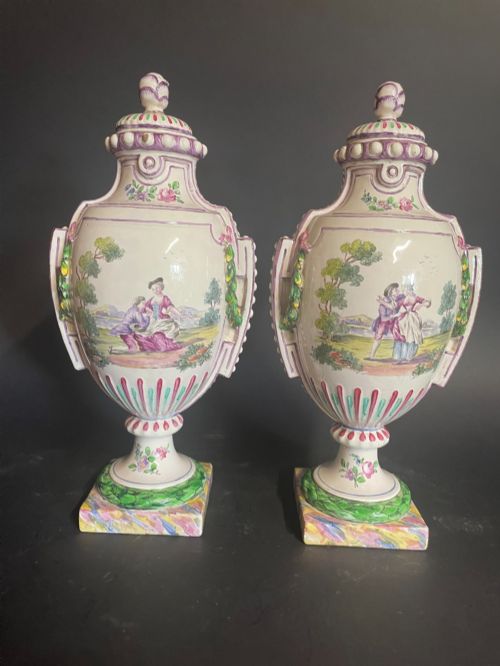
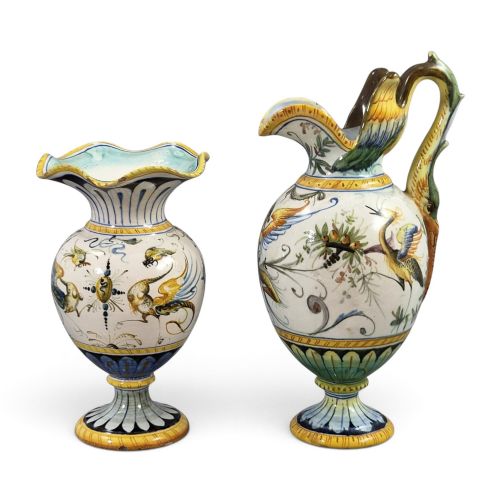
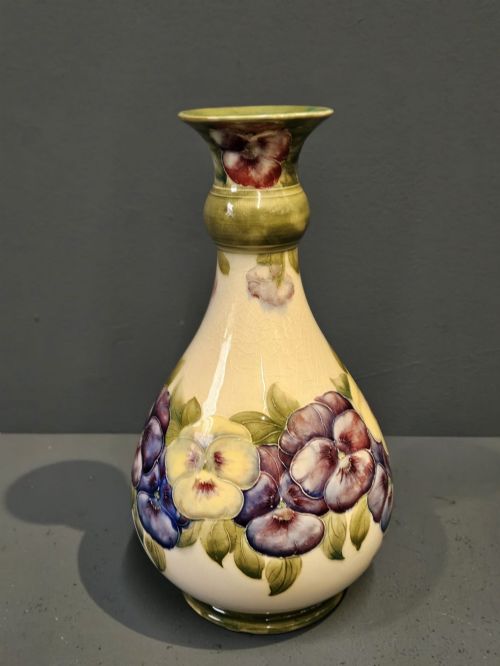
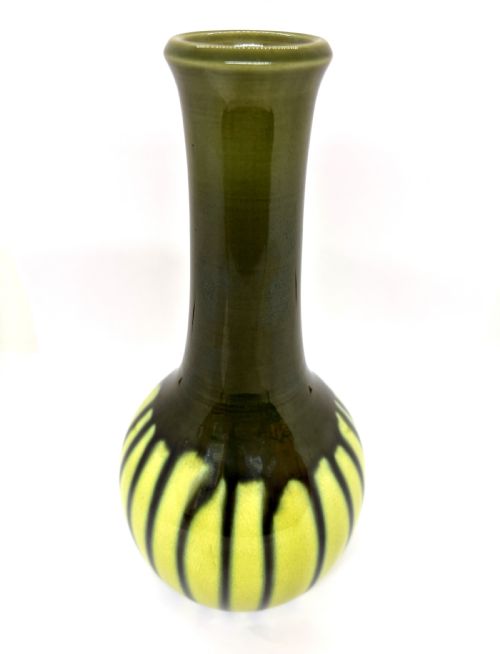
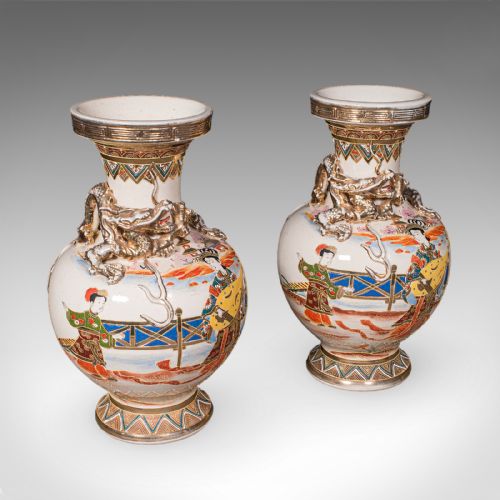
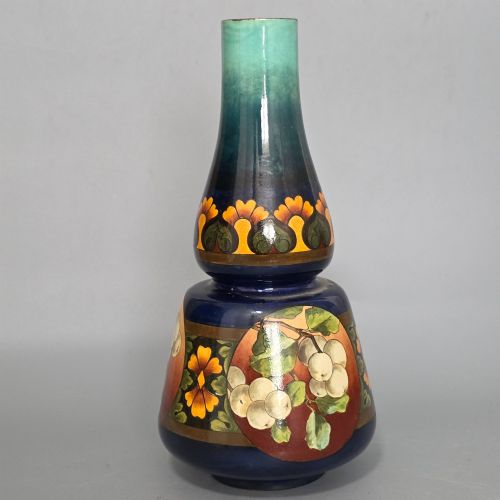
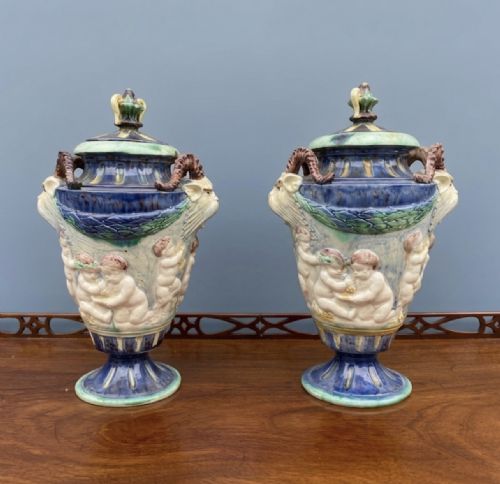
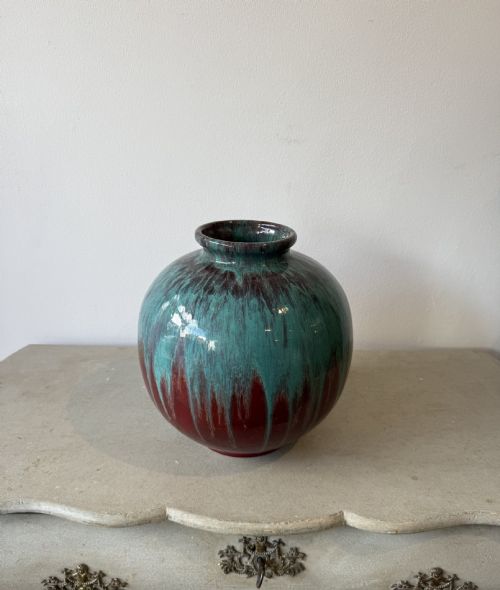
Decorative earthenware vases encompass a broad spectrum of ceramic vessels designed primarily for display, ranging from grand Victorian majolica urns to delicate Japanese Satsuma miniatures. When searching for decorative earthenware vases, buyers encounter diverse forms such as pilgrim flasks, ewers, and baluster vases spanning the nineteenth and early twentieth centuries. European faience and majolica sit alongside Japanese stoneware and earthenware, reflecting global exchanges in ceramic art.
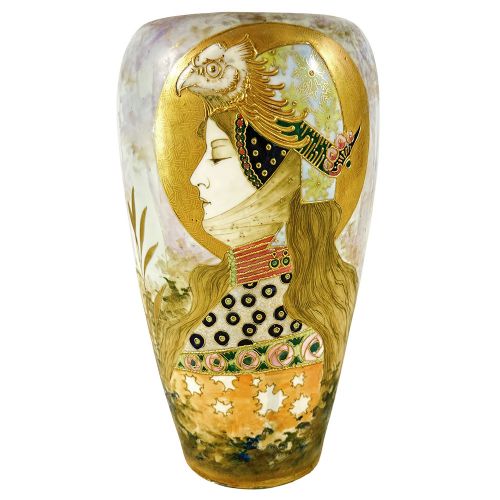
The pieces appearing most frequently on this page originate from the Victorian era up through the Art Deco period, with notable representation from Meiji period Japanese workshops. Makers utilised traditional potting techniques to shape terracotta and glazed earthenware into elaborate household ornaments. These vessels often incorporate handles, covers, and sculptural elements shaped as shells or bamboo.
Continental European potteries and English factories contribute significantly to the available selection, alongside prominent Japanese studios. Forms vary from monumental display pieces intended for pedestals to smaller cabinet items adorned with hand-painted scenes. Buyers find both matched pairs and individual statement items representing distinct regional aesthetics.
Standards of Quality
Execution of hand-painted detail and the crispness of moulded relief work separate standard production pieces from exhibition-quality examples. Finer items display precise brushwork in figurative scenes and floral panels, often complemented by heavy, unrubbed application of gold leaf and enamel. The sophistication of the glaze chemistry also plays a role, with superior pieces showing even coverage and harmonious colour separation.
The reputation of the studio or maker influences the standing of a piece within the broader range of ceramic production. Signed works from known Kyoto masters or documented European ceramicists carry distinct markers of workshop excellence. Structural integrity and the preservation of delicate surface ornamentation over time complete the evaluation of quality.
The listings span multiple centuries, including 18th Century, Victorian, and 1930 periods.
Fourmaintraux-Courquin at Desvres·Cantagalli Florence·Moorcroft McIntyre·Burmantoft's Pottery·Doulton Lambeth·Reissner Stellmacher and Kessel·Mugello·Makuzu Kozan II·Robert T Lallement·Minton·Kinkozan·Chosei·Nanzan·Hakusan
The Decorative Earthenware Vases Glossary
- Majolica
- A type of earthenware decorated with opaque coloured glazes over a tin-glazed surface. This technique produced vibrant polychrome wares in both Renaissance revival and nineteenth-century European traditions.
- Moriage
- A Japanese ceramic technique where slip is piped onto the surface of a vessel to create raised decorative patterns before glazing and gilding. It appears frequently on Satsuma earthenware.
- Faience
- Tin-glazed earthenware produced in France, Germany, and other European regions. The method allows for intricate painted designs applied directly to the unfired glaze.
- Ewers
- Large water jugs with wide spouts and arched handles, frequently produced as decorative display items rather than functional tableware. They often match urns or vases in symmetrical pairs.
- Pilgrim Flask
- A flattened flask-shaped vessel derived from medieval travel containers, adapted in ceramics for decorative display. These items often feature ornate side lugs and painted panels.
Decorative Earthenware Vases: Frequently Asked Questions
What is the difference between majolica and faience?
Majolica generally refers to Italian or Victorian tin-glazed earthenware known for brightly coloured lead-based glazes and sculptural relief modelling. Faience is a broader European term often associated with tin-glazed pottery from France and Germany.
Both techniques involve coating an earthenware body in an opaque white glaze before painting detailed designs directly onto the surface.
Where were these decorative vases displayed?
Victorian and Edwardian interiors accommodated these large earthenware vessels on mantelpieces, pedestals, and side tables as focal points of reception rooms. Monumental urns and pairs of ewers often occupied prominent positions in entrance halls.
Smaller cabinet vases and miniature Satsuma pieces were housed within glass-fronted display cases to protect their delicate enamel and gilt surfaces.
How should I clean antique earthenware vases?
Dust these ceramic objects gently with a dry, soft-bristled brush to prevent particulate buildup on fragile painted and gilded surfaces. Avoid using water, liquid cleaners, or abrasive cloths, as moisture can penetrate old glaze crackle or damage gold leaf.
Display the vases away from direct sunlight and areas prone to heavy temperature fluctuations to preserve the stability of the earthenware body.