


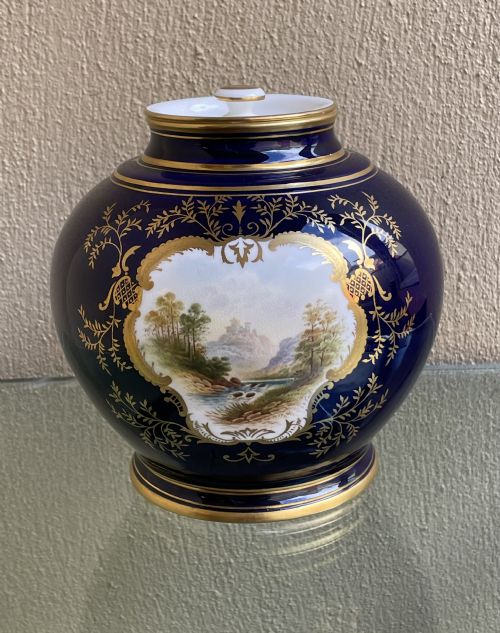


Decorative Display Vases
Decorative display vases bring historic craftsmanship into a room, offering ornamental forms from the nineteenth and early twentieth centuries.
Decorative Display Vases
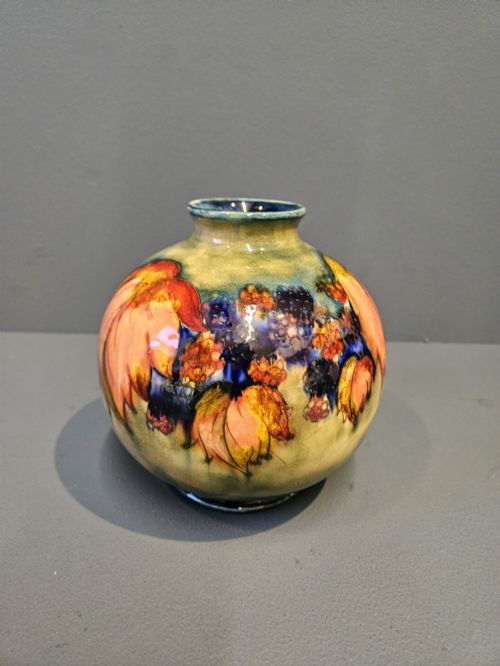
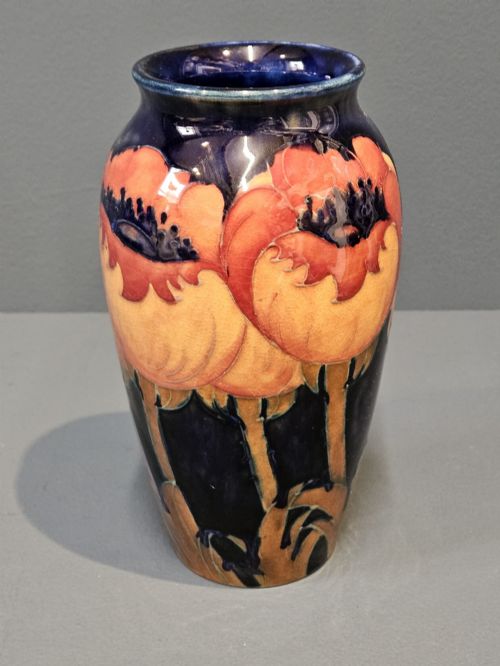
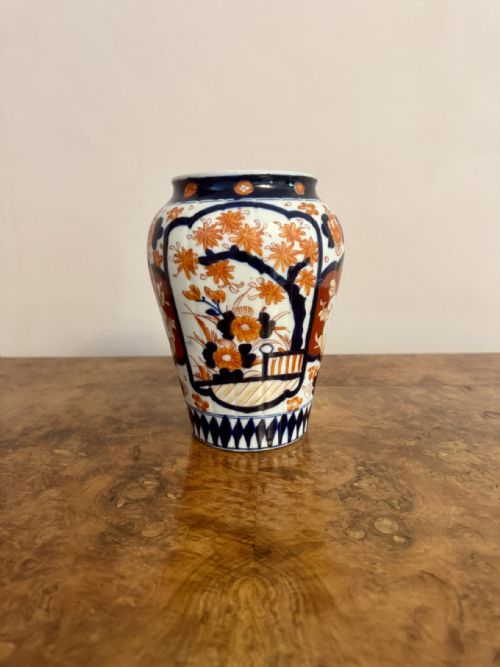
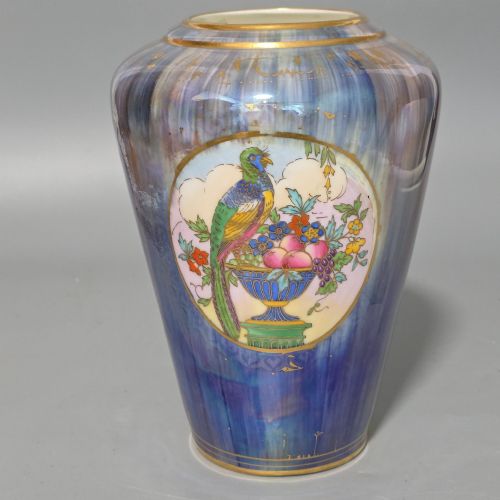
Decorative display vases encompass a diverse range of ornamental vessels designed primarily for visual impact rather than holding cut flowers. When searching for decorative display vases, buyers encounter everything from Japanese Satsuma and Imari ceramics to European porcelain and cloisonné enamel works dating from the nineteenth and twentieth centuries.
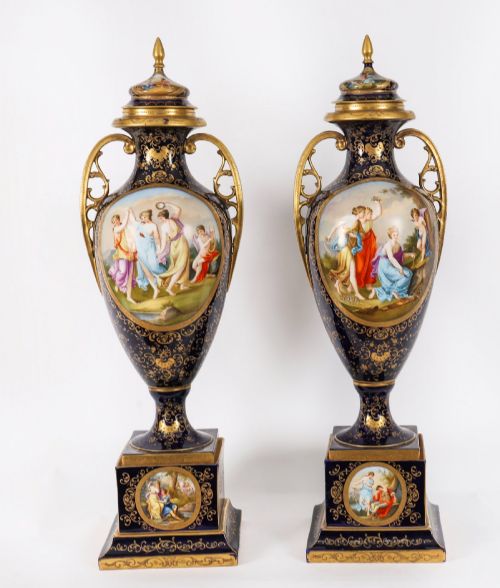
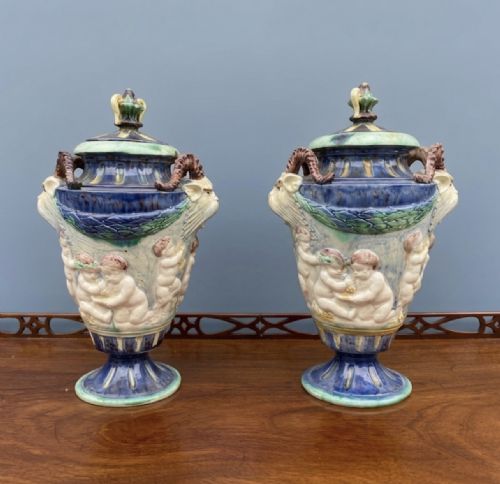
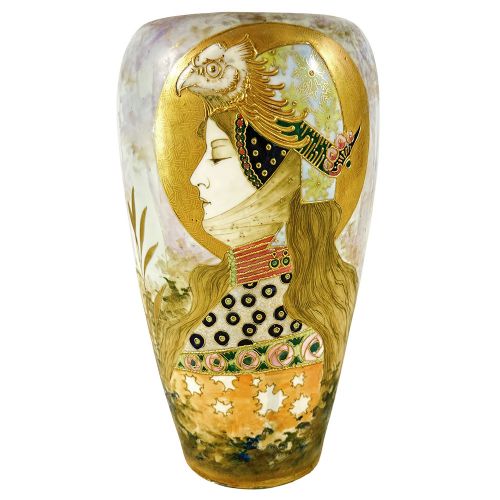
The selection ranges from pairs of stately urns and moon flasks to single monumental floor vessels and mantle garnitures. Pieces from this grouping originate across British, European, and East Asian workshops, reflecting distinct stylistic movements including Victorian, Art Nouveau, and Meiji period designs.
Earthenware, porcelain, and bronze form the core structural materials of these decorative objects, often enhanced with gilding, hand-painted details, or applied metal mounts. Buyers most frequently meet large-scale ceramic and cloisonné examples intended to anchor a room or complement period interiors.
Materials and production methods
Potters and artisans utilised traditional techniques such as hand-throwing, slip-casting, and metal-beating to shape these vessels before applying intricate surface decoration. Ceramic bodies in porcelain and earthenware received hand-painted enamels, transfer prints, or raised moriage work prior to firing in kilns.
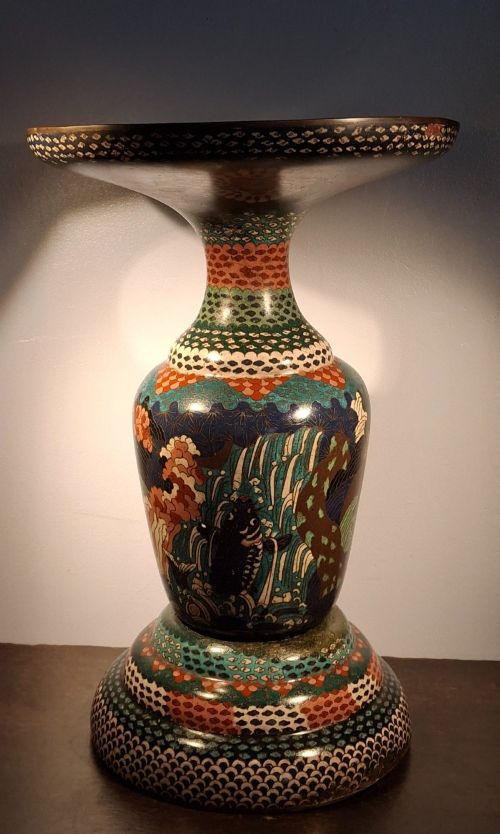
Metal vessels relied on bronze casting, brass mounting, and intricate cloisonné wirework where individual cells were filled with enamel paste. Artisans layered gold leaf, gilding, and lacquer over painted surfaces to create reflective finishes and rich textures characteristic of late nineteenth and early twentieth-century manufacturing.
Decorative Display Vases Retail Price Guide 2026
Typical asking prices for decorative display vases among the pieces listed under this phrase on Sellingantiques today, from the lower quarter to the upper quarter. They describe what is for sale here now, not the wider market.
Listings feature porcelain, earthenware, bronze, and brass, spanning the Victorian, Edwardian, and Art Deco periods.
Distinctions in craftsmanship
Quality rests upon the precision of the hand-painting, the weight and integrity of the material body, and the complexity of the surface ornamentation. Superior pieces demonstrate crisp detail in figural panels, balanced proportions in handles and covers, and careful application of heavy gilding or enamel work.
Makers known for exceptional studio output or documented factory production achieve greater visual depth through layered glazes and refined finishing techniques. Lesser examples rely on repetitive stencilling or simpler forms that lack the individual articulation found in exhibition-standard works.
Royal Vienna·Moorcroft·Reissner Stellmacher and Kessel·Minton·Coalport·Hododa·Kinkozan·Charlotte Rhead·Baccarat·Wedgwood·Royal Worcester
The Decorative Display Vases Glossary
- Cloisonne
- Enamelwork created by soldering metal wires to a base to form compartments filled with paste before firing. This technique produces intricate patterns divided by thin metallic outlines.
- Moriage
- A Japanese ceramic technique using piped clay slip to build up raised decorative designs. It creates a tactile, three-dimensional surface texture on pottery.
- Imari
- A style of Japanese export porcelain featuring underglaze blue and overglaze iron red, gold, and green. The palette remains remarkably vivid and distinct.
- Pate Sur Pate
- A ceramic decorating method where successive layers of liquid white clay are painted onto a tinted body to build up a cameo-like relief. The process requires immense skill from the artist.
- Garniture
- A set of matching vases or urns designed to be displayed together on a mantelpiece or sideboard. They typically comprise a central vessel flanked by smaller matching pieces.
Decorative Display Vases: Frequently Asked Questions
Where should I place these vases?
These pieces suit prominent spots like mantelpieces, entrance hall consoles, or large sideboards where their scale and colour can be fully appreciated.
Because many are designed purely for display rather than holding water, placing them safely away from busy family pathways protects fragile handles and raised enamel work.
How do I clean antique ceramics safely?
Dusting gently with a soft, dry artist brush or a feather duster keeps the surface clear without risking delicate gilding or painted enamels.
Water and liquid cleaners should generally be avoided, particularly on pieces with exposed earthenware bodies, metal mounts, or lacquered finishes.
How do I identify the period?
Makers' marks, backstamps, and painted signatures stamped into the base offer the most reliable clues to a piece's origin and manufacturing date.
Stylistic indicators such as Art Nouveau curves, Meiji motifs, or Victorian neoclassical forms further help narrow down the decade of production.