



Decorative Desk Chairs
These decorative desk chairs bring period character and function to a workspace, combining sturdy timber frames with upholstery, paint, and inlay.
Decorative Desk Chairs
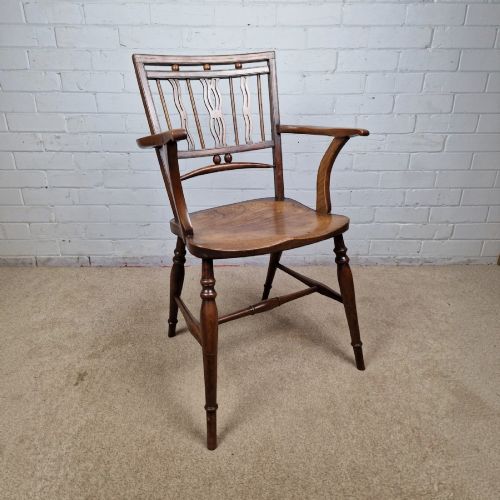
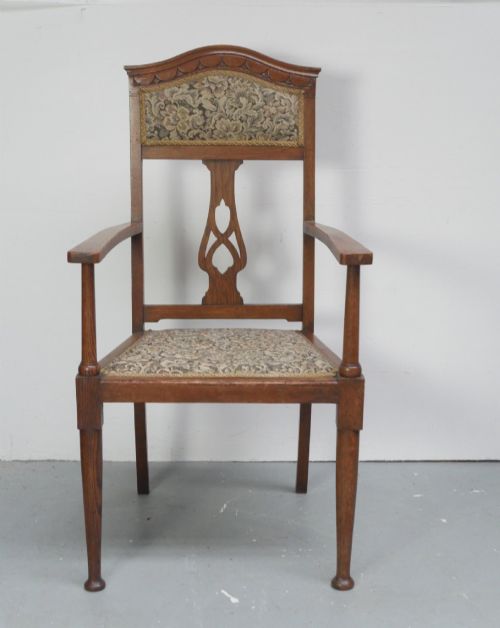
When you search for decorative desk chairs, you are looking at seating options that bridge the gap between utility and visual appeal. The selection on this page draws from the 19th Century, Edwardian period, and early 20th Century, offering varied forms for a study or home office.
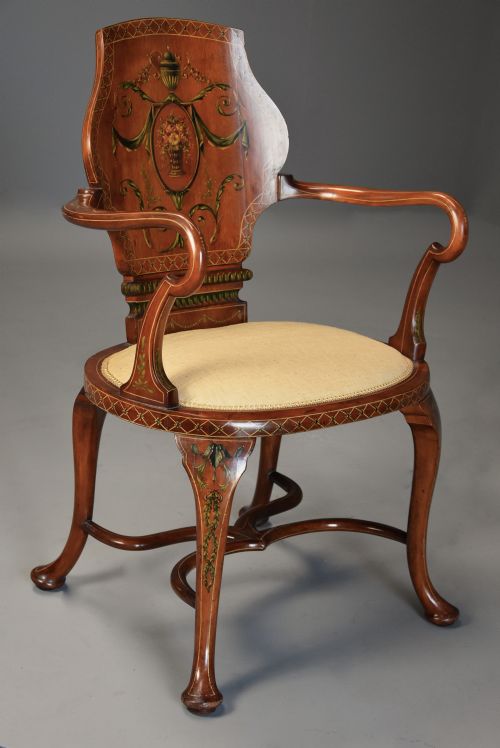
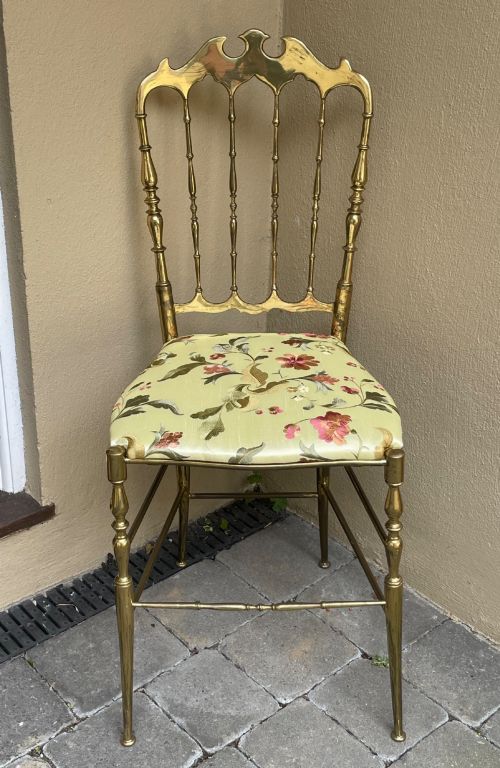
You will encounter armchairs, side chairs, and salon chairs spanning styles such as Victorian Sheraton Revival, Arts and Crafts, and Chinese Chippendale. These pieces often feature painted finishes, wood inlay, or carved details that set them apart from standard office seating.
Origins and periods vary widely, from Regency and Victorian examples to Edwardian satinwood pieces and early twentieth-century designs. Each chair brings distinct regional or stylistic traits, utilising timber frames designed for both daily use and decorative presence.
How they were made
The construction of these chairs relies heavily on traditional hardwoods such as mahogany, walnut, oak, and yew. These timbers provide the structural integrity required for armchairs and side chairs across different centuries.
Decorative techniques recorded in the evidence include hand painting, brass mounts, wood inlay, and detailed carving. Craftsmen applied these finishes to transform functional seating into striking interior furnishings.
Periods represented span from the Regency era through Victorian designs to Edwardian and early twentieth-century pieces.
What varies in quality
Quality in these pieces is determined by the crispness of the carving, the precision of the wood inlay, and the finesse of any hand-painted elements. Finer examples display deliberate attention to detail in their splat backs, frames, and hardware.
The choice of primary timber also influences the standing of a piece, with select cuts of mahogany, walnut, and satinwood offering greater visual depth than simpler utility woods.
The Decorative Desk Chairs Glossary
- Satinwood
- A pale, hard timber often used for fine veneers and inlay work during the Edwardian period. It provides a bright, reflective surface that takes painted decoration well.
- Splats
- The vertical central strip of wood in the back of a chair. Decorative versions often feature hand-painted motifs or intricate piercing.
- X frame
- A structural chair design where the legs and supports cross in the shape of an X. This form appears in Edwardian armchairs for added geometric interest.
- Inlay
- A technique where pieces of contrasting wood, brass, or other materials are inserted into depressions in the base timber to form decorative patterns.
Decorative Desk Chairs: Frequently Asked Questions
Are these chairs comfortable for daily work?
Many of these pieces are armchairs or salon chairs designed with padded fabric seats for comfort during lighter tasks. Their suitability for long hours depends on the specific ergonomics of the period.
Buyers often pair them with a modern cushion or reserve them for occasional desk use while maintaining a period aesthetic in the room.
How do I identify an Edwardian chair?
Edwardian chairs frequently utilise satinwood, light mahogany, and delicate inlaid motifs reflecting revival styles. They date from the early part of the twentieth century.
Look for refined painted splats and lighter proportions compared to heavier Victorian models.
What is a Chinese Chippendale style chair?
This style draws inspiration from Chinese design motifs, often incorporating fretwork and lattice patterns into the woodwork. It gained popularity in the 18th Century and saw revivals later on.
Chairs in this style feature distinctive geometric cutouts in the backrest and sturdy frame construction.
Can I use a salon chair at a desk?
Salon chairs and side chairs can function well at a desk if the seat height aligns with your workspace surface. They offer a compact footprint compared to large executive seating.
Their decorative backs add visual interest to a room when pulled up to a writing table.