


Decorative Crystal Glasses
These decorative crystal glasses and associated vessels combine polished brilliance with intricate cutting, offering collectors a striking way to bring period light and texture into a room.
Decorative Crystal Glasses
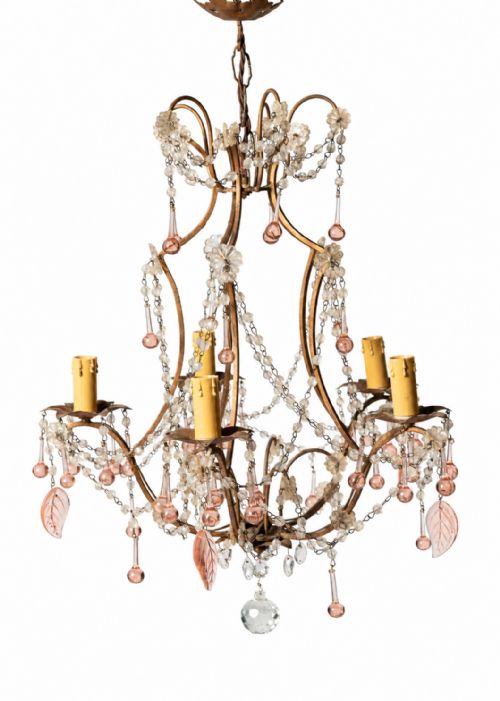
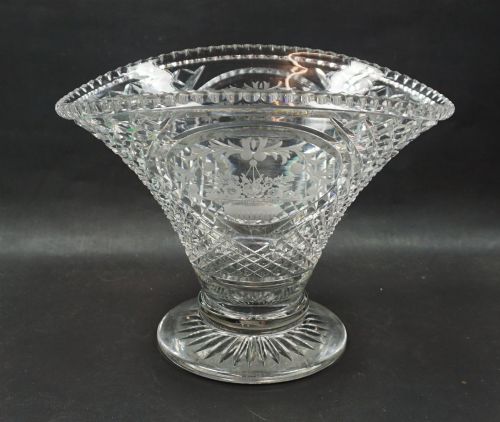
When searching for decorative crystal glasses, buyers encounter a diverse array of table items, lighting components, and display pieces ranging from Victorian decanter sets to Edwardian jugs and specialised stemware. The selection draws heavily upon nineteenth-century and early twentieth-century production, spanning Victorian, Edwardian, and Art Deco aesthetics.
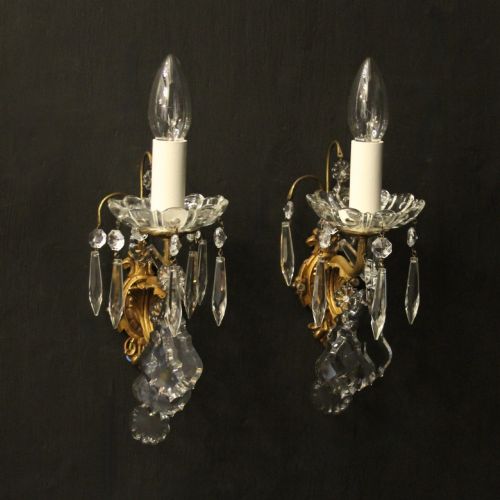
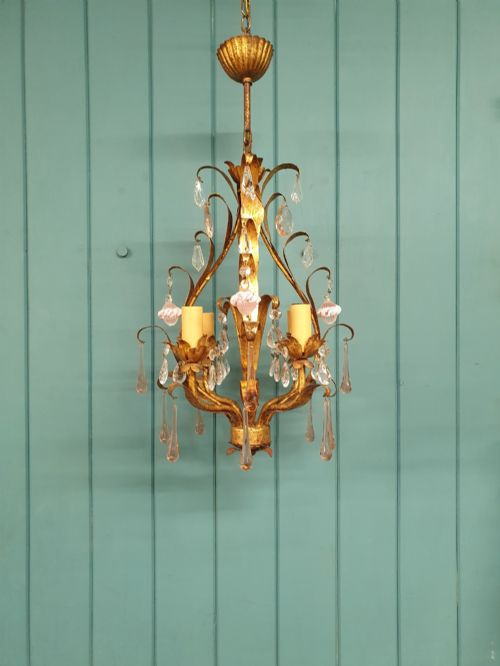
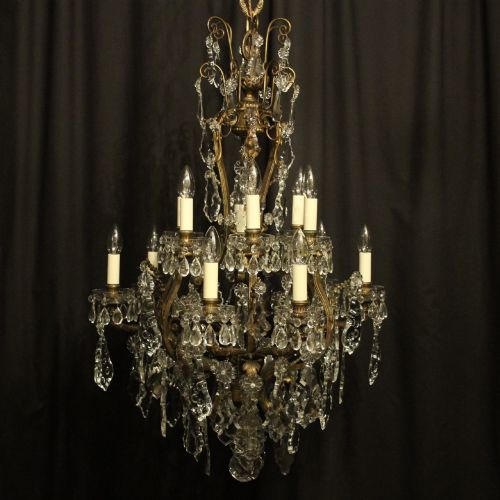
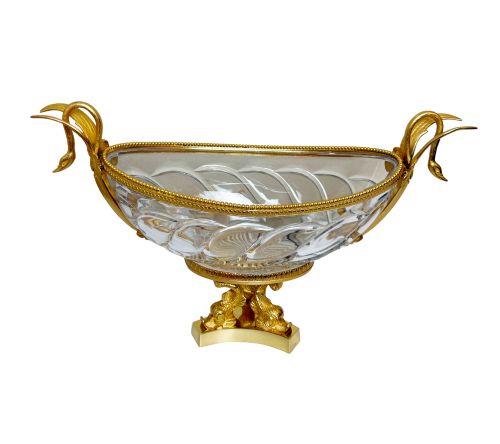
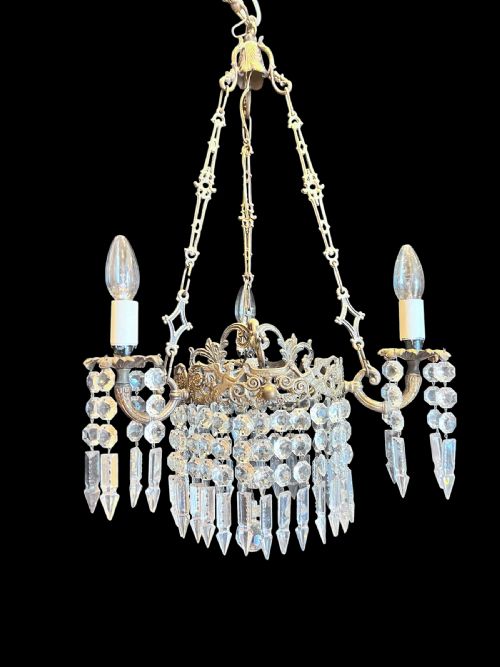
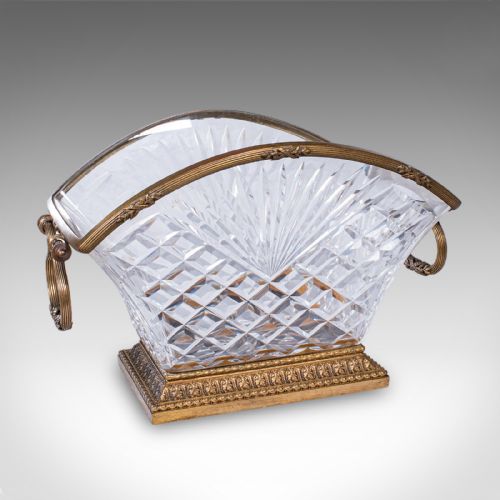
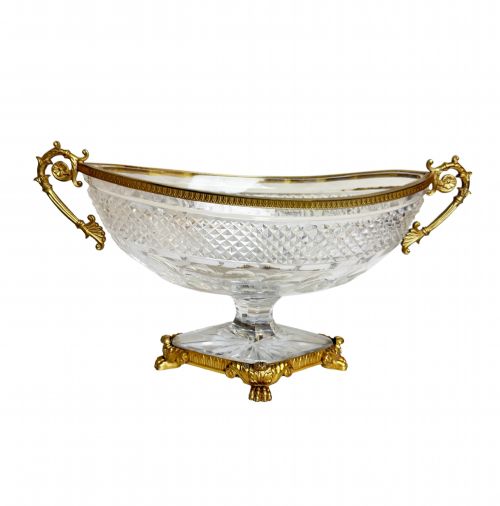
Most items on this page lean towards French and English origins, incorporating decorative tableware alongside substantial centrepieces, chandeliers, and mounting hardware. Standard forms include cut glass bowls, tazzas, and mantle lustres alongside individual drinking vessels.
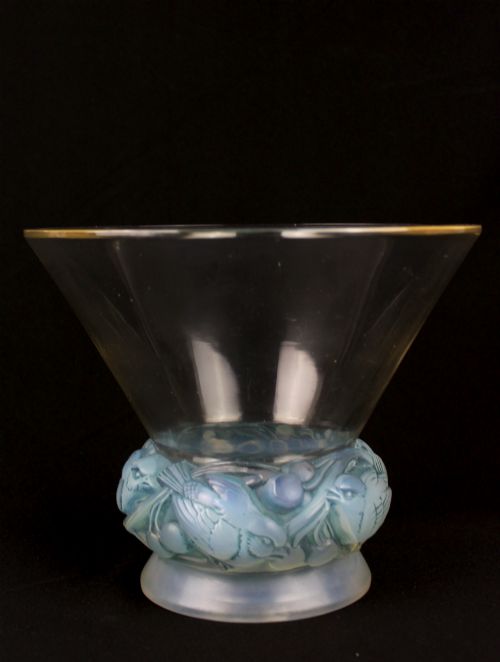
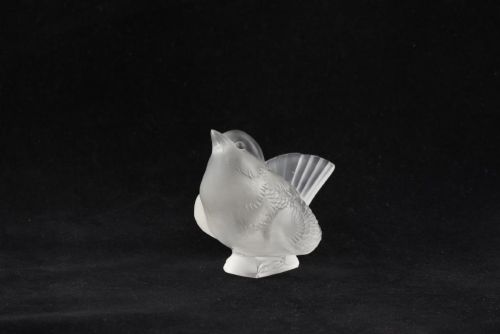
Makers and designers from continental and British houses populate the offerings, bridging functional tableware with ornamental glass art.
Materials and manufacturing methods
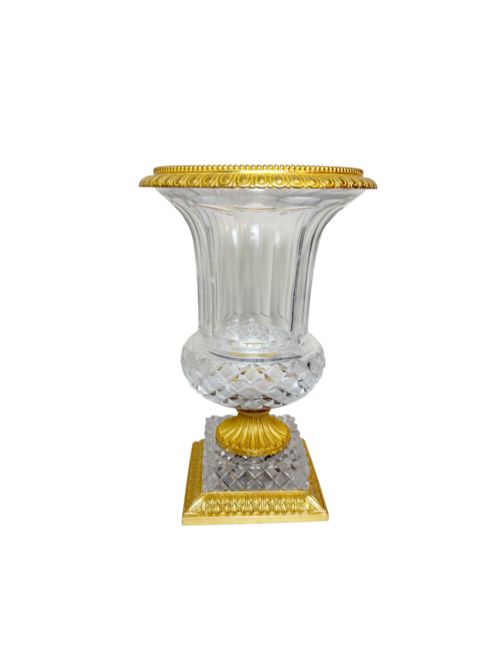
The primary material is lead crystal or heavy cut glass, often paired with metal mounts in gilt bronze, brass, or ormolu to construct complex objects like chandeliers and lamps. Artisans utilised techniques such as facet cutting, acid etching, and enamelling to texture the glass surfaces.
Many pieces incorporate coloured layers, known as over-crystal, where clear glass is cased in tinted hues and subsequently carved to expose contrasting tones beneath. Silver plating and gilt metal hardware provide structural support and decorative framing for the glass components.
Decorative Crystal Glasses Retail Price Guide 2026
Typical asking prices for decorative crystal glasses among the pieces listed under this phrase on Sellingantiques today, from the lower quarter to the upper quarter. They describe what is for sale here now, not the wider market.
Listings feature items spanning the nineteenth century through the Art Deco era, incorporating lead crystal, cut glass, gilt bronze, and silver plate.
Distinctions in quality and execution
Quality rests upon the crispness of the cutting and the weight of the glass, where deeper bevels and sharper facets create superior light refraction. The integration between the glass body and its metal mounts - such as ormolu or brass fittings - distinguishes standard production from masterwork execution.
Artistic ambition also separates items, with signed studio pieces and specialised coloured overlays demonstrating higher levels of design complexity than routine moulded wares.
Rene Lalique·Val St. Lambert·Stevens and Williams·St. Louis·Thereisenthal
The Decorative Crystal Glasses Glossary
- Lead crystal
- Glass containing lead oxide to increase weight, brilliance, and softness for cutting. This composition allows for deeper facets and sharper light dispersion.
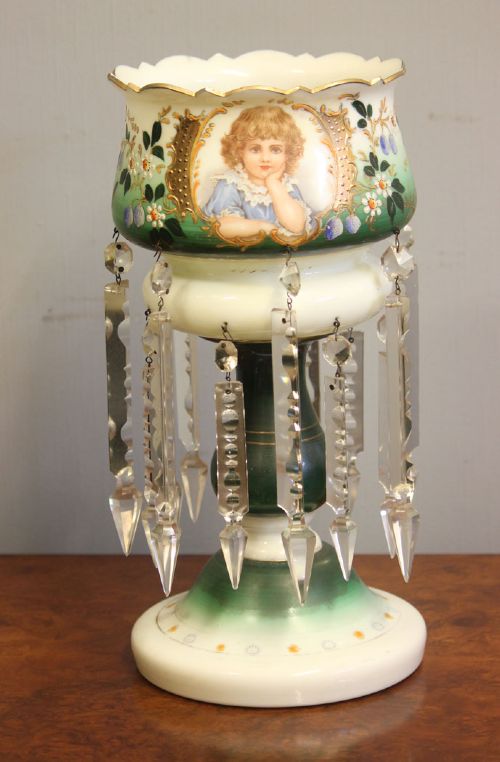
- Mantle lustre
- An ornamental candelabra hung with glass drops designed for display on a fireplace mantelpiece. These pieces reflect ambient room light through dangling crystal prisms.
- Ormolu
- Gilded bronze mounts applied to furniture, lighting, and glass centrepieces. The technique involves coating bronze in a gold amalgam.
- Tantalus
- A locking wooden frame holding decanters securely visible while preventing access without a key. They typically house cut crystal vessels with silver-plated hardware.
- Over crystal
- A manufacturing technique where a layer of coloured glass is fused over a clear glass base. Artisans cut through the top layer to reveal the contrasting glass underneath.
Decorative Crystal Glasses: Frequently Asked Questions
How do I clean antique crystal glasses?
Wash items by hand in lukewarm water using mild detergent, placing a towel at the bottom of the sink to prevent chipping. Avoid extreme temperature changes to protect the glass structure.
Dry each piece immediately with a lint-free cloth to maintain clarity and prevent water spots from forming on the cut surfaces.
Can these glass pieces be used daily?
Many items function adequately for regular use, though older or finely cut vessels require careful handling. Hand washing is mandatory to preserve delicate rims and metallic mounts.
Display items with ormolu mounts or delicate enamelling are better suited for occasional service or decorative placement.
How do I date cut crystal items?
Examine the depth and sharpness of the cutting, as earlier Victorian and Edwardian pieces often feature hand-polished facets with slight irregularities. Machine-cut glass from later decades tends to feel more uniform and precise.
Factory marks, signatures, and associated metal mounts like brass or silver plate also help narrow the production period.
What is the difference between glass and crystal?
Crystal contains minerals such as lead oxide that increase the material density and refractive index. This addition makes the glass heavier and allows for deeper, more brilliant cutting.
Standard glass lacks these additives, resulting in a lighter weight and less intense light dispersion.