



Decorative Collector Cabinet
These decorative collector cabinet pieces are finely crafted display vessels and specimen cases, offering a glimpse into centuries of storage and presentation.
Decorative Collector Cabinet
A decorative collector cabinet encompasses a diverse range of specialised display vessels, table cabinets, and specimen cases spanning several centuries. When exploring this selection, a buyer encounters pieces from the seventeenth century through to the twentieth century, reflecting varied global aesthetics.
The objects listed range from Japanese black lacquer kodansu table cabinets and Chinese rosewood specimen cases to nineteenth-century Victorian burr walnut dentist's cabinets and Regency bird's-eye maple folio cabinets. Table cabinets and cabinets on stands dominate the forms, alongside cabinet plates and natural history specimens.
Origins stretch across English, Spanish, Chinese, and Japanese traditions, incorporating styles such as Spanish Baroque, Victorian Neoclassical, and Edwardian Ceramic Art. Collectors find both compact tabletop designs and larger freestanding structures suited to organising specialised curiosities.
Materials and construction methods
Construction relies heavily on traditional woodworking techniques utilising walnut, ebonised wood, birds-eye maple, rosewood, and lacquered surfaces. Artisans incorporated delicate tortoiseshell carapaces and intricate brass fittings to enhance both structural integrity and visual depth.
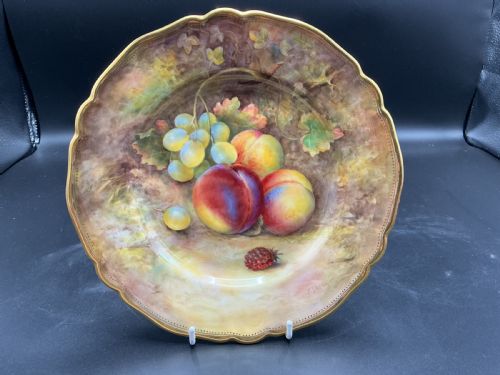
Decorative embellishments involve specialised ceramic techniques like Royal Worcester painted fruit finishes and Mintons pate sur pate on porcelain plates. Gilding and lacquer work further demonstrate the high level of craftsmanship applied to both the cabinetry and the accompanying display elements.
Decorative Collector Cabinet Retail Price Guide 2026
Typical asking prices for decorative collector cabinet among the pieces listed under this phrase on Sellingantiques today, from the lower quarter to the upper quarter. They describe what is for sale here now, not the wider market.
The current selection spans materials from porcelain and enamel to ebonised wood, walnut, brass, and lacquer across multiple centuries.
Evaluating craftsmanship and execution
Quality separates pieces through the precision of the joinery and the refinement of surface decoration, whether in the depth of a black lacquer finish or the figuring of burr walnut and rosewood. Superior examples exhibit seamless integration of brass hardware and harmonious proportions across doors, drawers, and stands.
The intricacy of applied artistic work, such as hand-painted porcelain fruit scenes or detailed pate sur pate detailing, distinguishes finer decorative elements from standard production. The preservation of original organic materials, including tortoiseshell carapaces, also dictates the distinction between standard items and exceptional survivals.
Royal Worcester·Mintons
The Decorative Collector Cabinet Glossary
- Kodansu
- A small Japanese tabletop cabinet featuring multiple drawers and compartments, traditionally used for storing documents or small valuables. These pieces often showcase intricate lacquerwork.
- Pate sur pate
- A ceramic decorating technique where a relief design is built up layer by layer using liquid porcelain slip on a contrasting background. This method creates a cameo-like effect.
- Folio cabinet
- A specialised storage unit designed specifically to hold large sheets of paper, prints, or drawings flat. Regency examples often utilise figured veneers like bird's-eye maple.
- Tortoiseshell
- The mottled brown and yellow shell of certain marine turtles, historically utilised as a decorative veneer on luxury furniture and small cabinets during the Baroque and later periods.
- Specimen case
- A shallow box or cabinet fitted with glass or drawers to organise natural history items, minerals, or small artefacts. These objects reflect the Victorian passion for systematic collecting.
Decorative Collector Cabinet: Frequently Asked Questions
What is a decorative collector cabinet used for?
These cabinets serve to organise and display small curiosities, natural history specimens, or specialised collections of porcelain and paper. Their compartments provide secure storage while presenting items for close examination.
Historically, they allowed scholars and enthusiasts to curate private museums within domestic spaces, highlighting both the objects inside and the craftsmanship of the housing itself.
How do I care for antique wood and lacquer cabinets?
Maintaining these pieces requires stable indoor humidity levels and protection from direct sunlight to prevent timber warping or lacquer fading. Gentle dusting with a dry, soft cloth preserves the polished surfaces without introducing moisture.
Avoid using modern chemical polishes on antique finishes, especially those featuring delicate gilding, brass work, or organic veneers like tortoiseshell.
How can I tell the period of a table cabinet?
Dating relies on identifying characteristic construction methods, timber choices, and stylistic markers such as Victorian neoclassical motifs or seventeenth-century walnut framing. Examining the interior secondary woods and hardware reveals the period of manufacture.
Makers' marks on integrated ceramic plates or lacquer signatures also help anchor a piece within a specific decade or artistic movement.
Where should I place a collector cabinet in my home?
Table cabinets and small tabletop specimen cases sit well on sturdy sideboards, desks, or dedicated display tables away from heat sources. Freestanding cabinets on stands require a secure corner or wall space where traffic will not endanger the piece.
Placement should consider eye level to ensure that the contents and the fine details of the exterior joinery are easily visible.