







Decorative Ceramic Pot
These decorative ceramic pot selections span centuries of global kiln work, offering functional vessels and display jars shaped by diverse regional aesthetics.
Decorative Ceramic Pot
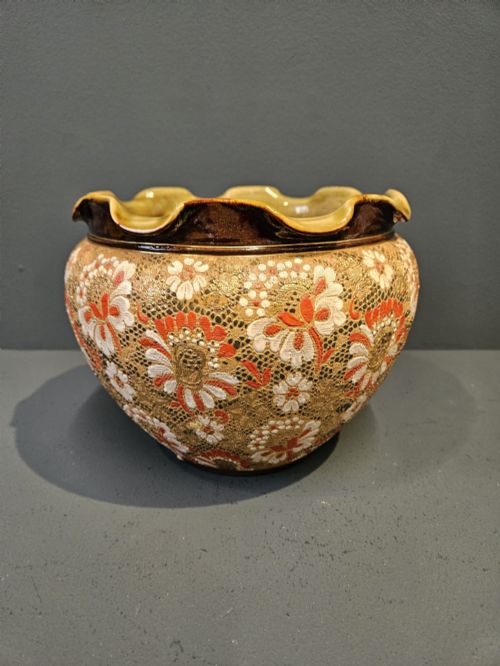
A decorative ceramic pot encompasses everything from large floor jardinières and lidded ginger jars to small mantel vases and pot pourri vessels. Buyers seeking these items will encounter pieces originating from English potteries, European factories, and Asian workshops.
The selections span the nineteenth century through the mid twentieth century, drawing on Victorian, Edwardian, Art Nouveau, and Art Deco design movements. Jardinières and vases dominate the forms, frequently accompanied by pedestals, covers, or stands.
Makers ranged from large British commercial potteries to Japanese studios and continental porcelain houses. Each piece reflects the functional domestic requirements or decorative tastes of its specific period of manufacture.
Materials and Technique
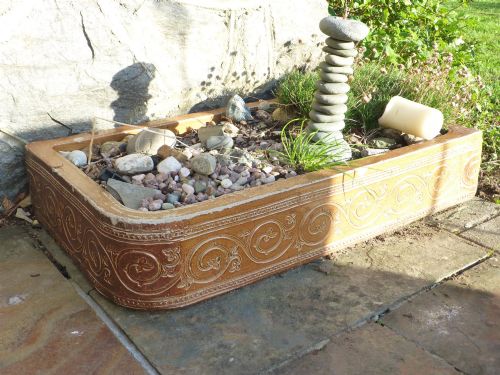
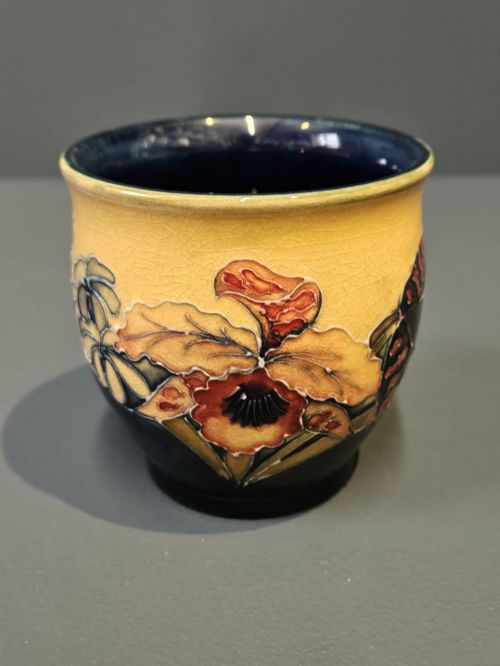
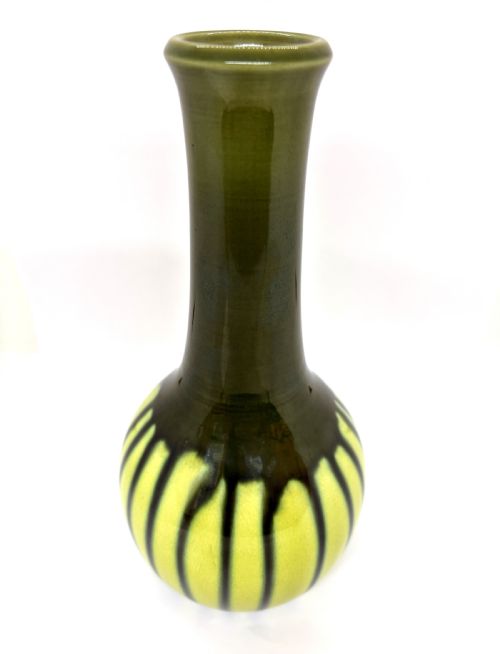
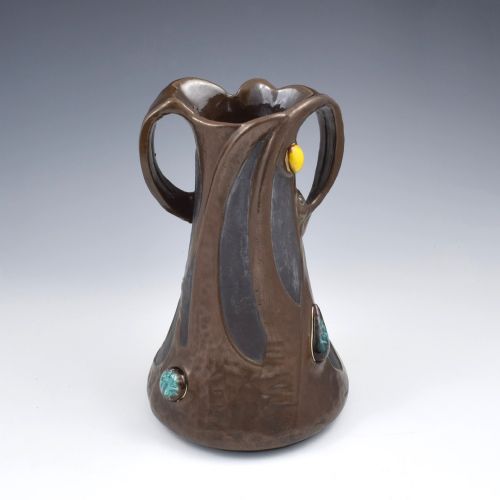
Potters shaped these objects using earthenware, stoneware, and porcelain, applying glazes ranging from salt glaze and majolica enamels to fluid coloured oxides. Surface decoration frequently involved hand painted motifs, gold leaf highlights, or applied metal and jewelled cabochons.
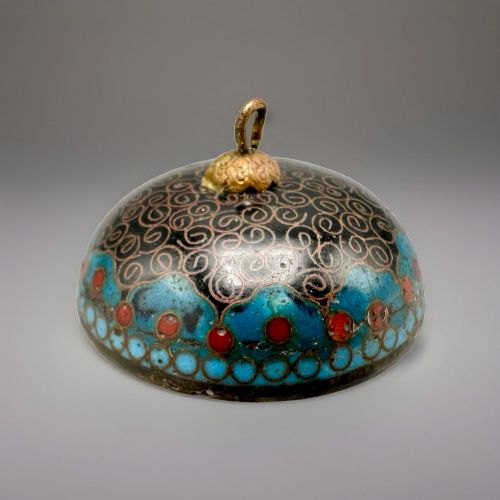
Techniques varied from industrial slip casting and transfer printing to intricate hand throwing and cloisonné enamel work over ceramic or metal cores. Firing methods dictated the final vitrification of the body and the chemical interaction of the glazes.
Decorative Ceramic Pot Retail Price Guide 2026
Typical asking prices for decorative ceramic pot among the pieces listed under this phrase on Sellingantiques today, from the lower quarter to the upper quarter. They describe what is for sale here now, not the wider market.
Listings feature items from the Victorian and Edwardian eras alongside twentieth century Art Deco and Art Nouveau pieces.
Evaluating Quality
Quality rests upon the precision of the potter's throw, the clarity of the glaze, and the execution of hand painted or modelled details. Superior examples display crisp definition in relief moulding and secure application of supplementary metal or enamel elements.
The distinction between standard commercial output and exceptional studio or factory work lies in the depth of the palette and the restraint of the decorative scheme. Pieces retaining original matching stands, covers, or mounts command greater interest from collectors.
Doulton Lambeth·Royal Worcester·Burmantoft's Pottery·Makuzu Kozan II·Moorcroft
The Decorative Ceramic Pot Glossary
- Jardiniere
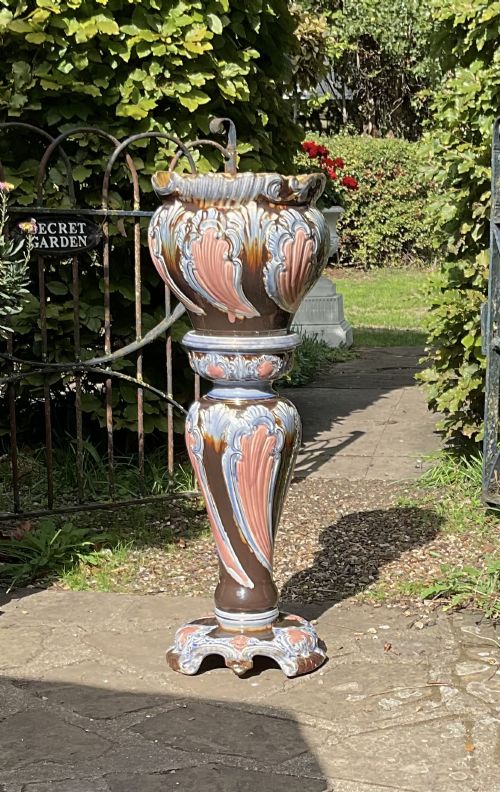
- A large ornamental pot designed to hold a live plant or floral arrangement. These vessels typically sit on tables or floor pedestals.
- Majolica
- A type of earthenware coated with an opaque tin glaze and painted with bright metal oxide colours. This technique produced vivid greens, blues, and purples popular during the Victorian era.
- Cloisonne
- A decorative metalwork technique where enamel paste is applied within compartments formed by soldered wires. On ceramic and pottery pieces, this work provides intricate surface patterns.
- Pot Pourri
- A lidded vessel designed to hold dried scented plant material, featuring pierced or perforated covers to release fragrance. These items were standard mantel ornaments in period drawing rooms.
- Stoneware
- A heavy, dense ceramic fired at high temperatures until vitrified and non porous. It often receives salt glazing or simple surface engobes.
Decorative Ceramic Pot: Frequently Asked Questions
What is a jardiniere?
A jardiniere is a large decorative pot designed to hold a potted plant rather than cut flowers placed directly in water. They often include matching pedestals or stands for floor placement.
In period interiors, these vessels sat in reception rooms and hallways to display palms and large ferns. Their substantial size allowed them to anchor a room's decorative scheme.
Were lidded jars used for storage?
Lidded jars and ginger jars served both functional storage purposes and purely decorative display roles in period homes. Many held dry goods, preserves, or aromatic pot pourri.
Over time, the decorative function superseded practical storage, leading to finer painted finishes and more delicate ceramic bodies. Their covers became integral sculptural elements of the silhouette.
How should I clean antique ceramics?
Antique ceramics require gentle maintenance using a dry or barely damp soft cloth to remove dust. Avoid harsh chemical cleaners or submersion, particularly on pieces with gilt highlights or enamel work.
Fragile surfaces, such as applied enamel or metal mounts, can suffer damage from abrasive scrubbing. Regular light dusting preserves the original glaze and any delicate surface additions.