


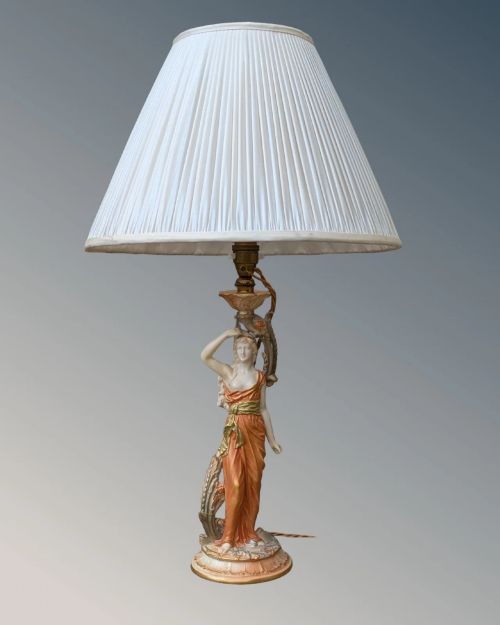


Decorative Ceramic Lighting
Decorative ceramic lighting brings warmth and colour to a room through converted vases, oil lamps and porcelain figures.
Decorative Ceramic Lighting
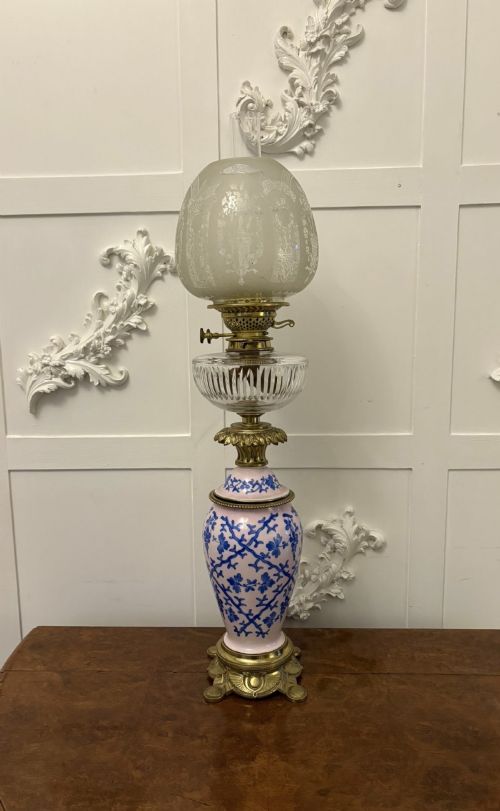
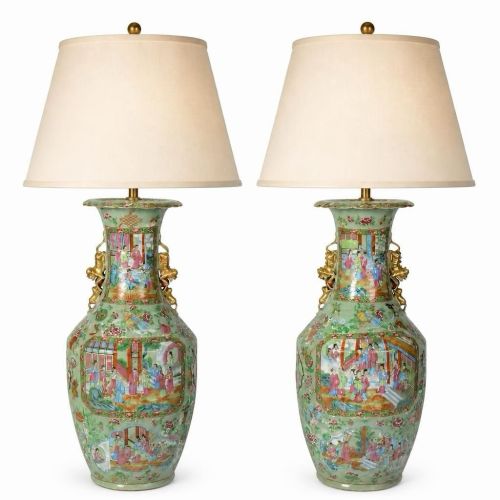
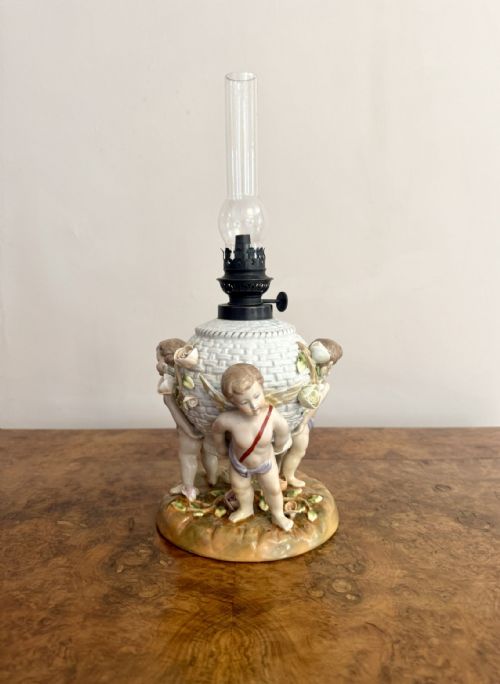
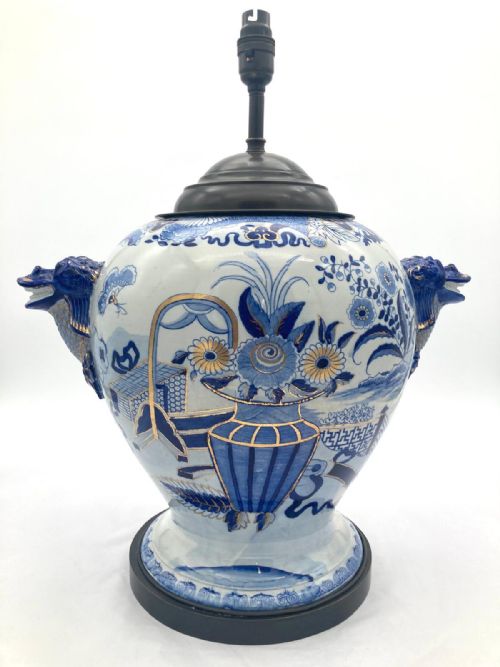
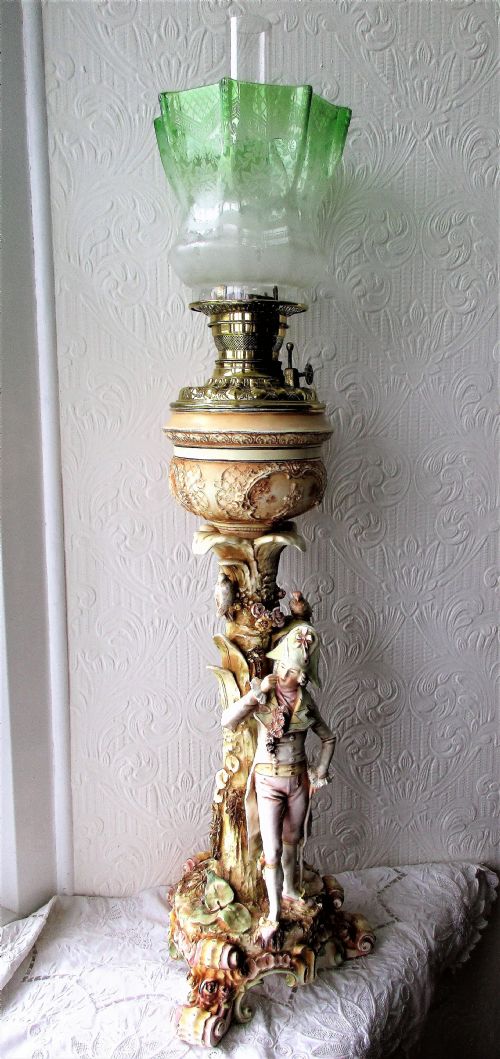
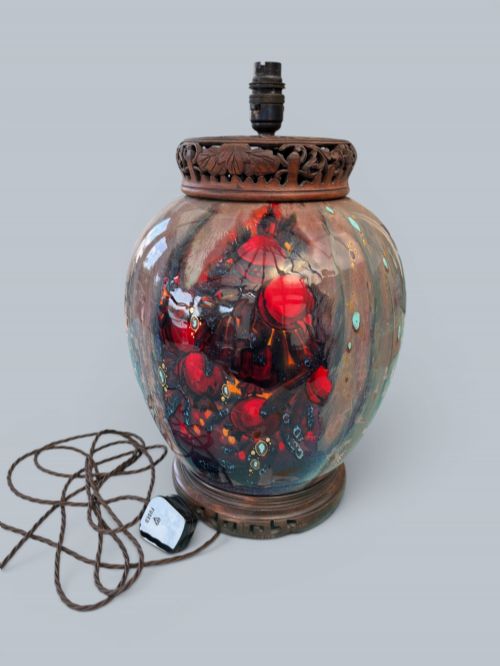
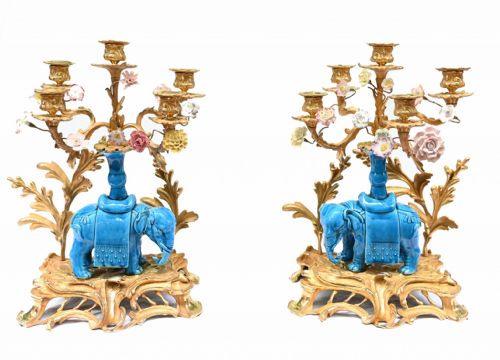
When you search for decorative ceramic lighting, you encounter a varied selection of electrified oil lamps, table lamps and converted vases spanning the nineteenth and early twentieth centuries. These pieces combine historic ceramic bodies with functional lighting, ranging from Victorian porcelain reservoirs to Japanese Satsuma and Chinese export vases.
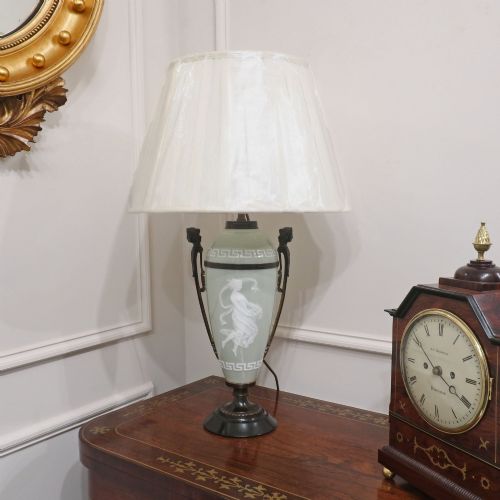
The most common forms on this page include Victorian oil lamps and pairs of Asian porcelain vases adapted as lamps during later periods. Pieces from the Arts and Crafts and Art Deco eras also appear, alongside French neoclassical and Regency designs using earthenware, ironstone and porcelain.
How they were made
The pieces combine ceramic bodies - such as porcelain, earthenware, ironstone and faience - with mounts and fittings cast in brass or bronze. Many items utilise hand-painted enamel decoration, pate sur pate techniques, or transfer printing applied beneath or over the glaze before firing.
Conversion is central to the history of these objects, as nineteenth-century oil lamps, vases and candelabras were subsequently fitted for electricity. Metal components like brass burners, stems and weighted bases are integrated to support wiring and shades.
Object forms span table lamps, oil lamps, candlesticks, side tables, decorative bowls, and a wall-standing fountain.
What varies in quality
Quality rests primarily on the crispness of the ceramic moulding and the refinement of the hand-painted or enamelled decoration. Pieces from established potteries or studios display greater precision in their glaze colours and detail work.
The integration of metal mounts and the retention of original components also influence the character of each piece. Superior examples maintain balanced proportions between the ceramic base and the associated brass or bronze elements.
Sitzendorf·Moorcroft·Royal Worcester·Hicks and Meigh·Wedgwood·Vallauris
The Decorative Ceramic Lighting Glossary
- Pate sur pate
- A ceramic technique where liquid clay is built up in successive layers on a contrasting body to create a low-relief cameo effect. This method demands immense skill from the decorator.
- Satsuma
- A type of Japanese earthenware featuring a pale, ivory-coloured crackle glaze decorated with enamel and gilt. These wares were widely exported to Europe during the Meiji period.
- Ironstone
- A heavy, durable type of ceramic developed in the nineteenth century as a tough alternative to porcelain. It takes enamels and blue-and-white transfer prints particularly well.
- Faience
- Tin-glazed earthenware produced in various European traditions, often featuring hand-painted motifs. The opaque glaze provides a smooth white ground for colourful pigments.
- Bocage
- An eighteenth-century porcelain decorative motif depicting stylized foliage and leaves surrounding figures or animals. It is frequently found on English candlesticks from factories such as Bow.
Decorative Ceramic Lighting: Frequently Asked Questions
Are these lamps converted from old vases?
Many items listed as lamps began life as vases, ginger jars or oil lamps before receiving electrical fittings at a later date. This adaptive history is standard for ceramic lighting from the nineteenth and early twentieth centuries.
Converters often utilised brass bases and caps that secure safely to the original neck and foot without causing permanent damage to the pottery.
How do I date a ceramic lamp?
Dating relies on stylistic clues in the ceramic body, glaze colours, maker marks stamped underneath, and the design of any metal mounts. Victorian pieces often display distinct floral hand-painting, whereas Art Deco examples favour geometric patterns.
Comparing the manufacturing style to known periods like the Regency or Meiji eras helps narrow down the decade of production.
What shades work best with antique ceramic bases?
Fabric shades in neutral silks or linens allow ornate hand-painted porcelain or Satsuma crackle glaze to remain the focal point of the room. The proportions of the shade should complement the height and width of the ceramic body.
Avoid overly bright or heavy patterns that compete with the detailed artwork on the antique vase or oil lamp below.