

Decorative Ceramic Centrepiece
A decorative ceramic centrepiece anchors a room with painted colour and generous scale, drawing the eye instantly to the middle of a table.
Decorative Ceramic Centrepiece
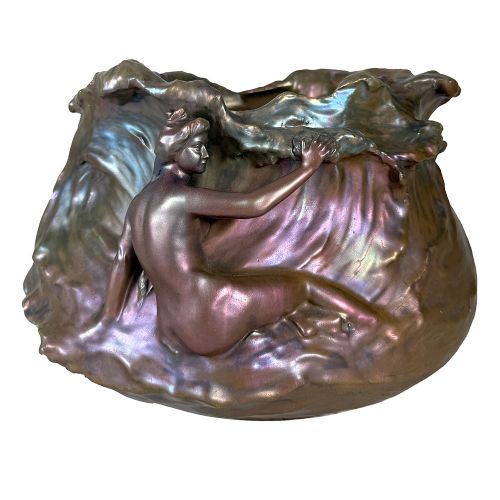
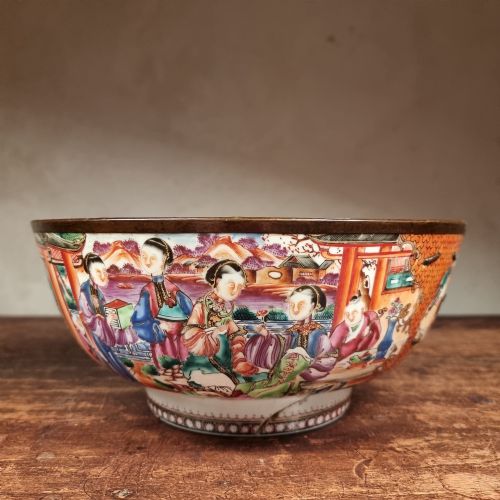
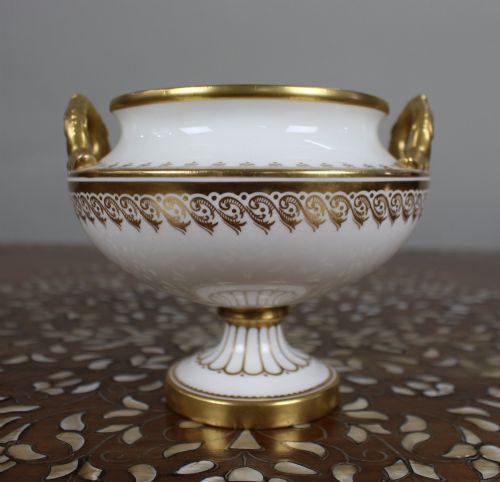
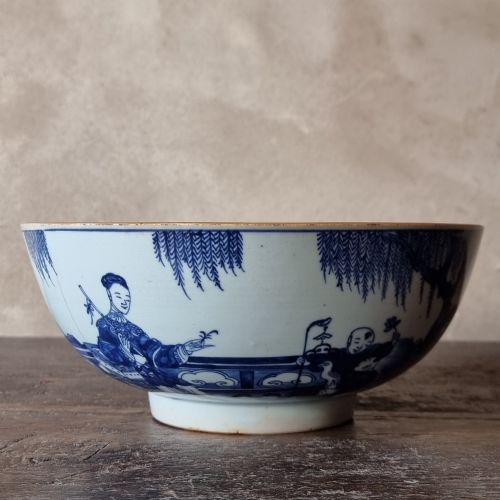
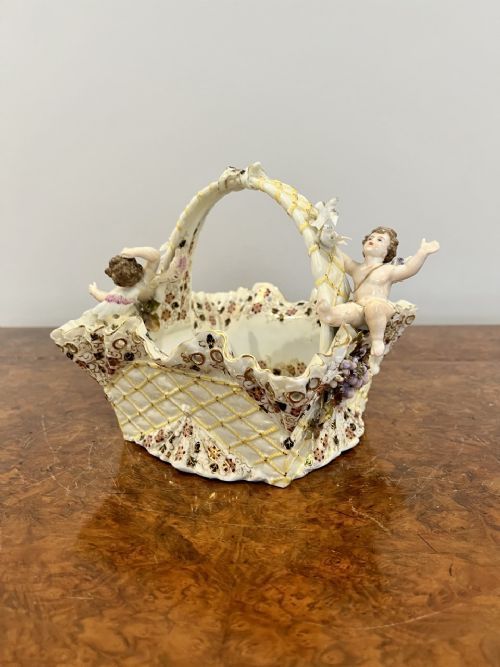
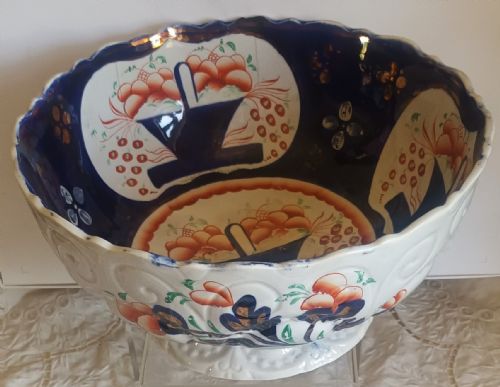
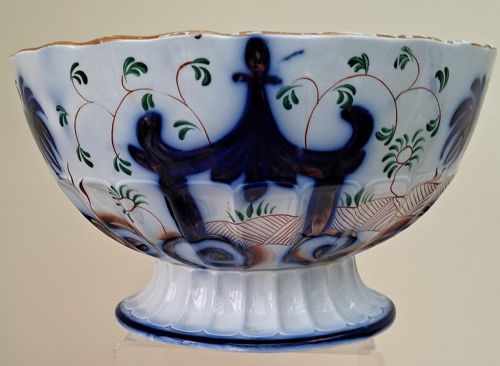
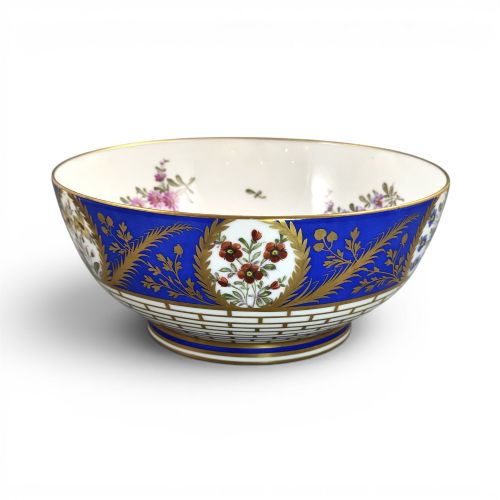
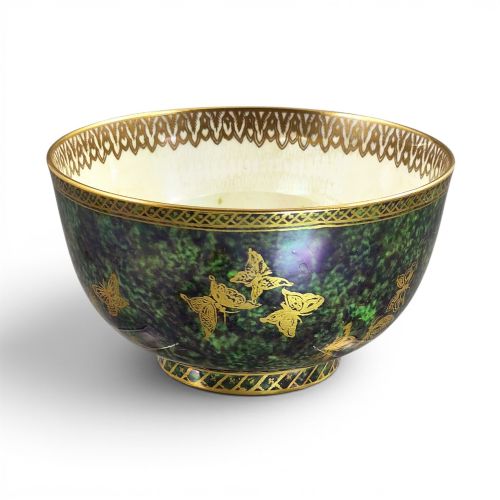
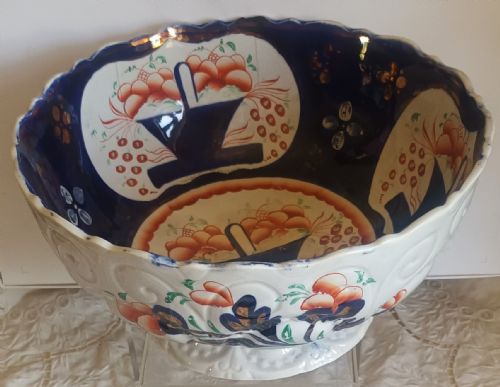
A decorative ceramic centrepiece takes the form of wide bowls, footed dishes, punch bowls, and lidded vessels designed to hold fruit or simply command a surface. The examples gathered here stretch from the eighteenth century through the Victorian and Edwardian eras into the twentieth century, bringing together domestic British potteries and continental porcelain houses.
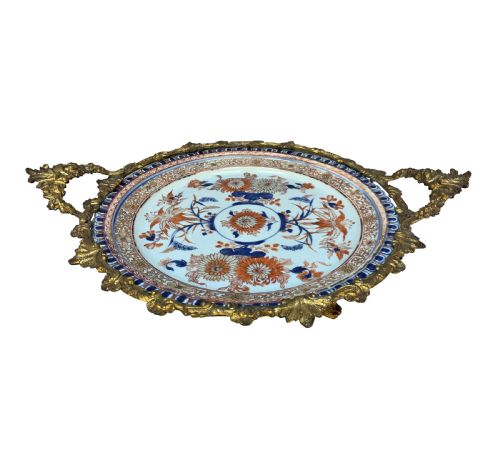
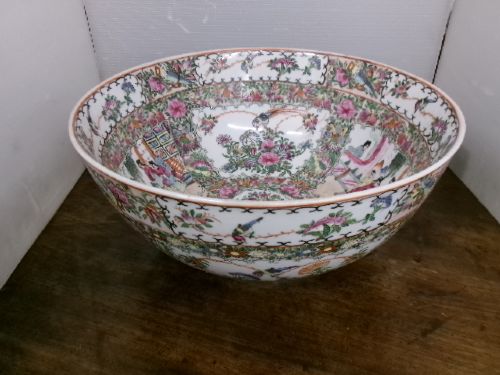
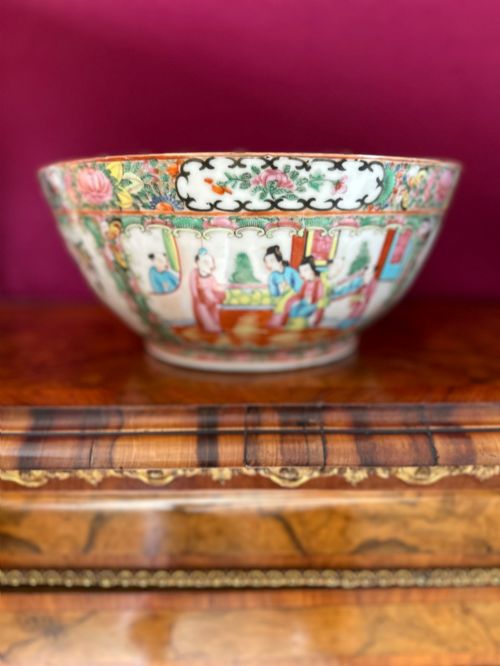
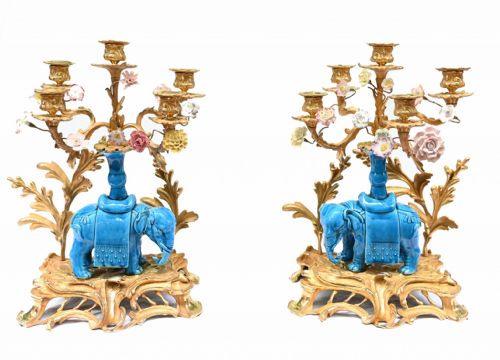
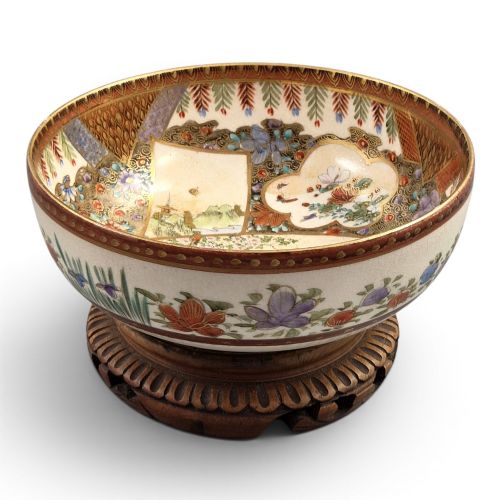
Asian export wares appear frequently among these listings, particularly Japanese Imari and Satsuma alongside Chinese Canton and Famille Rose punch bowls. Buyers meet everything from English earthenware and ironstone comports to elaborate French urns and German figural centrepieces mounted in ormolu.
Materials and Technique
Makers shaped these pieces from fine porcelain and robust earthenware, applying glossy glazes and hand-painted motifs in cobalt blue, enamel, and gold leaf. Many elaborate nineteenth-century examples combine fired ceramic with gilt bronze, ormolu mounts, and champlevé enamel to elevate the central vessel.
Techniques range from intricate hand-painted botanical and figurative scenes to raised flower encrustations and printed transferware patterns. Kiln work from this span of centuries relies on skilled brushwork and precise high-temperature firing to fix colours and gilding permanently to the body.
Listings feature porcelain, earthenware, and ironstone decorated with hand-painted motifs, enamel, and gold leaf across the nineteenth and early twentieth centuries.
Standards of Execution
Quality rests upon the crispness of the hand-painted brushwork, the depth and lustre of the glaze, and the precision of any applied metal mounts. Pieces from recognised porcelain manufactories display superior control over their palette and finer detail in floral or figural panels.
The weight and balance of the vessel, the integrity of the gilding, and the harmony between the ceramic body and its decorative scheme separate standard production items from exceptional studio and factory output.
Daisy Makeig-Jones Wedgwood·Doulton Burslem·Royal Worcester·Chamberlain Worcester·Rockingham Porcelain·Sevres Porcelain·Meissen Porcelain
The Decorative Ceramic Centrepiece Glossary
- Imari
- A style of Japanese porcelain featuring a distinct palette of underglaze blue, iron red, and added gold leaf. These wares were heavily exported to Europe during the nineteenth century.
- Ormolu
- Gilt bronze mounted onto ceramics or furniture to provide decorative handles, feet, or rims. This technique adds structural weight and visual splendour to nineteenth-century continental centrepieces.
- Punch bowl
- A large, deep vessel originally intended for mixing and serving alcoholic beverages at social gatherings. They often feature expansive hand-painted interior scenes.
- Famille Rose
- A major palette of Chinese ceramic glazes characterised by opaque pink enamel colours. The style gained popularity during the eighteenth and nineteenth centuries for export bowls.
- Comport
- A raised dish or bowl on a footed stand used for serving fruit or sweetmeats at the dining table. They frequently appear in ironstone and porcelain.
Decorative Ceramic Centrepiece: Frequently Asked Questions
How were antique bowls used?
Larger punch bowls and footed vessels were functional items used during formal meals and gatherings for serving drinks or food. Over time, many transitioned into purely decorative display objects.
Their generous scale allowed artisans to paint detailed exterior and interior scenes intended to impress dinner guests.
How do I clean my centrepiece?
Dust porcelain and earthenware gently with a soft, dry cloth to protect fragile painted surfaces and gilding. Avoid using harsh chemical cleaners or submerging pieces with metal mounts.
Water and mild soap should be used sparingly and only on unmounted, durable ceramic glazes when absolutely necessary.
How do I identify periods?
Dating relies on stylistic markers, painted motifs, and the type of ceramic body used by the maker. Victorian and Edwardian pieces often show distinct revival styles or dense floral patterns.
Examining the glaze, hand-painting style, and any factory marks helps place a piece within its nineteenth or early twentieth-century context.