





Decorative Carved Wood Box
A decorative carved wood box is a small storage piece shaped by the hand, holding precious personal items while bringing texture and history to a room.
Decorative Carved Wood Box
A decorative carved wood box brings together centuries of regional craftsmanship, spanning small personal keepsakes and larger storage chests. When you search for a decorative carved wood box, you encounter pieces designed to hold tea, gloves, jewellery, or letters, each reflecting the tastes of its period.
The selections available here range from intimate nineteenth-century trinket boxes to seventeenth-century caskets and larger trunks. Common forms include tea caddies, glove boxes, and table coffers, originating from British workshops, European centres, and farther afield.
Nineteenth-century examples dominate the offerings, though seventeenth and eighteenth-century pieces appear alongside early twentieth-century interpretations. These objects served practical domestic functions while showcasing intricate surface carving, inlay, and metal mounts.
Materials and construction
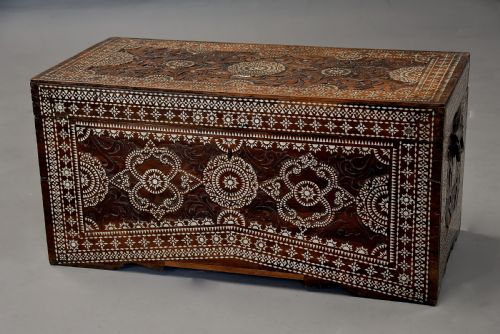
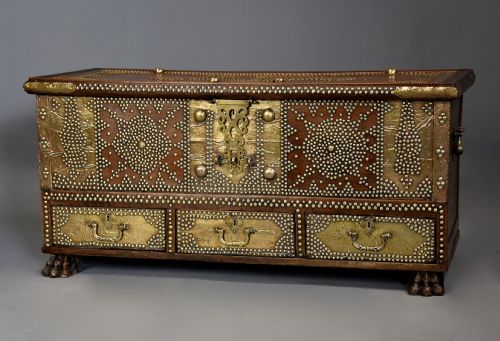
Makers utilised a wide array of timbers, including hardwood, walnut, mahogany, olive wood, teak, and fruitwood, often selecting denser woods for finer carving. Surface enrichment relied heavily on brass studding, mother of pearl inlay, bone, and marquetry to create pattern and contrast.
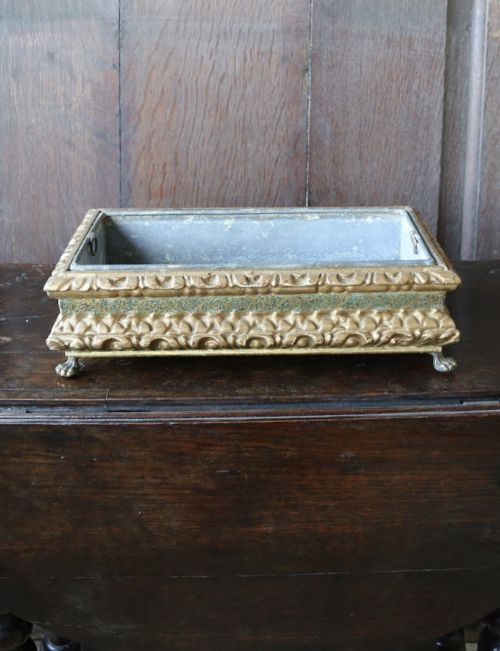
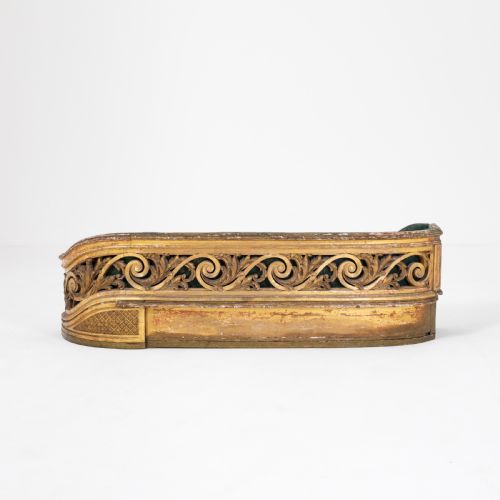
Construction techniques combined traditional joinery with surface ornamentation such as floral marquetry, pressed maple, and mosaic inlay like Tunbridge Ware. Carvers worked directly into the solid timber or applied carved elements to the exterior, achieving depth and texture across lids and panels.
Decorative Carved Wood Box Retail Price Guide 2026
Typical asking prices for decorative carved wood box among the pieces listed under this phrase on Sellingantiques today, from the lower quarter to the upper quarter. They describe what is for sale here now, not the wider market.
Periods represented span from the seventeenth century through to the Edwardian era and the nineteen-twenties.
Distinguishing quality
Quality in these pieces rests upon the crispness of the carving and the fidelity of the materials employed. Crisp, deep relief work executed in dense hardwoods indicates a higher level of workshop skill than shallow, machine-influenced surface scoring.
The integration of secondary materials, such as finely cut mother of pearl or precise brass stud work, separates standard production items from exceptional commissions. A rich natural patina and careful preservation of the original timber surface further distinguish the finer examples.
The Decorative Carved Wood Box Glossary
- Tea caddy
- A small container specifically designed for storing loose tea leaves, often fitted with internal compartments and a lock. These boxes protected precious imported tea from moisture and theft.
- Marquetry
- The art of applying small pieces of veneer to a structure to form decorative patterns and pictures. Craftsmen used various tinted woods to achieve pictorial depth.
- Casket
- A richly decorated box used for holding jewels, letters, or other valuables. They frequently feature secure fastenings and elaborate exterior carving.
- Trinket box
- A diminutive container intended for small personal ornaments like rings or pins. They appear in numerous regional styles and materials.
- Patina
- The deep, lustrous surface sheen developed on wood through years of handling, polishing, and natural ageing. This quality is prized by collectors as a marker of genuine age.
- Tunbridge Ware
- A distinct type of British mosaic woodwork characterised by tiny wood prisms assembled to create detailed geometric or pictorial designs. It reached its height of popularity in the nineteenth century.
Decorative Carved Wood Box: Frequently Asked Questions
What were antique decorative carved wood boxes used for?
These boxes served practical domestic roles for storing valuable commodities, personal accessories, and correspondence.
Specific forms held tea, gloves, lace, or jewellery, keeping delicate items secure and organised within the home.
How can I tell the period of a carved wood box?
Dating relies on combining the timber species, construction methods, and stylistic motifs present in the piece.
Earlier seventeenth-century examples typically show heavier timber and simpler joinery, while nineteenth-century items often display diverse global influences and complex inlays.
Are these boxes made from solid wood?
Many examples are constructed from solid hardwoods such as mahogany, walnut, or ebony, while others utilise veneers over secondary timbers.
Inlay and decorative elements like mother of pearl or bone are carefully inset into the primary wooden body.
How do I care for an antique wood box?
Keep wooden boxes away from direct sunlight and fluctuating heat sources to prevent the timber from splitting or warping.
Apply a minimal amount of appropriate wax polish only when the surface appears dry, maintaining the natural patina.