



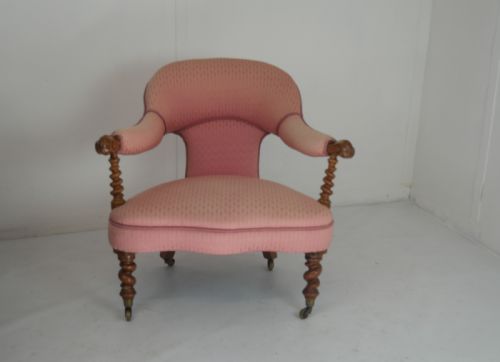
Decorative Carved Accent Chairs
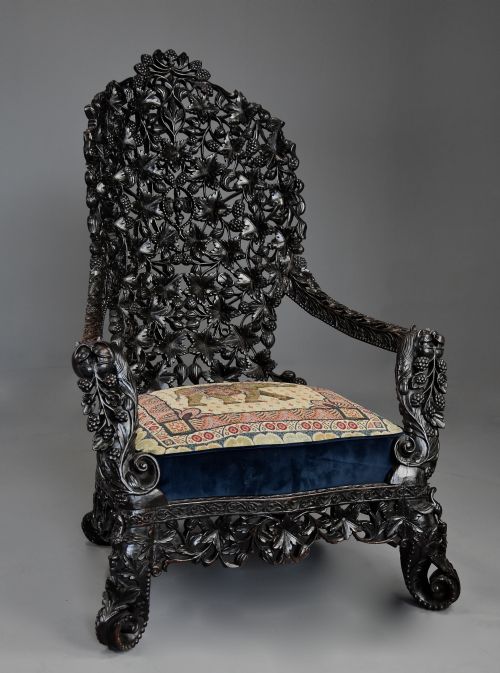
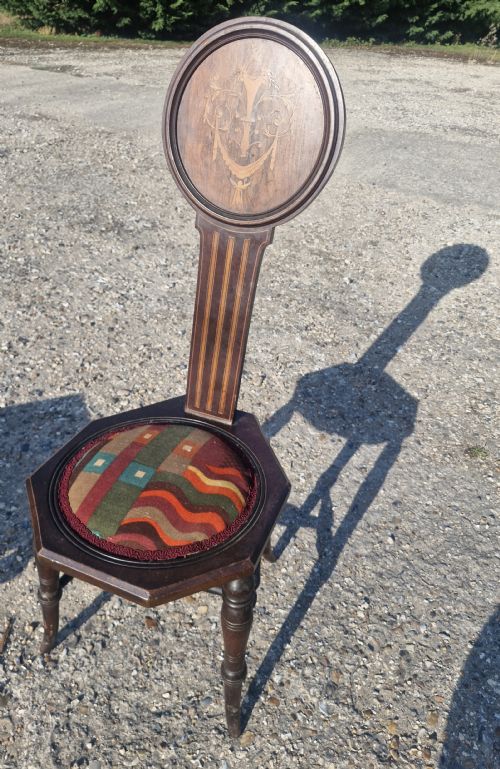
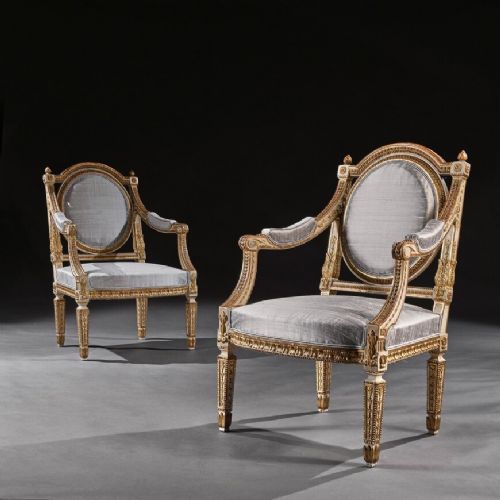
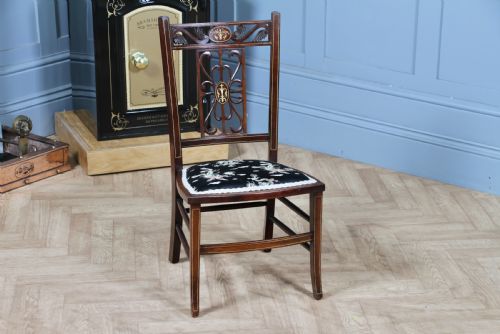
These decorative carved accent chairs bring varied 19th-century and Edwardian craftsmanship, offering character and distinct period style to a room.
Decorative Carved Accent Chairs
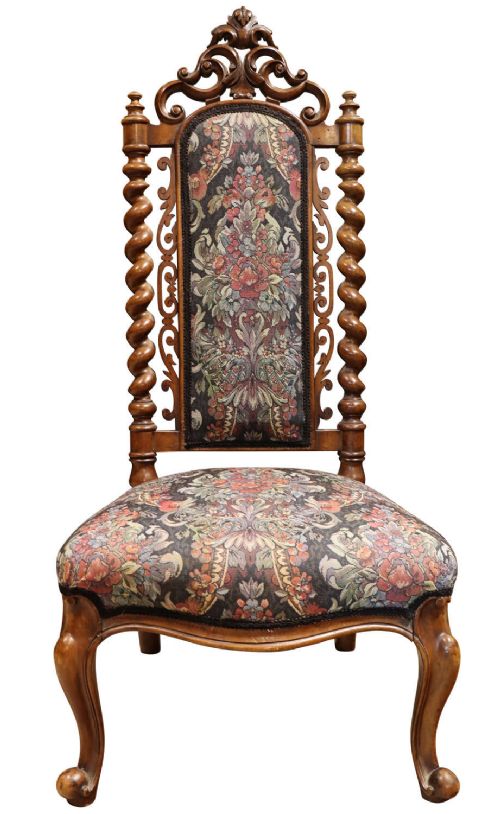
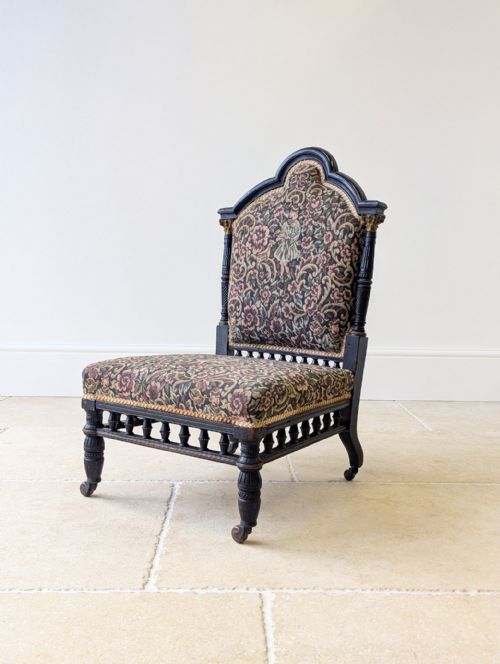
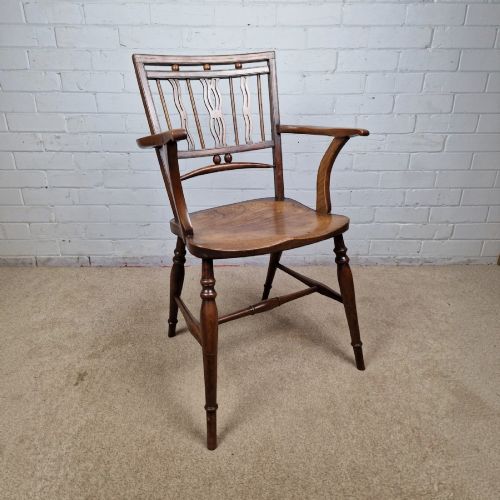
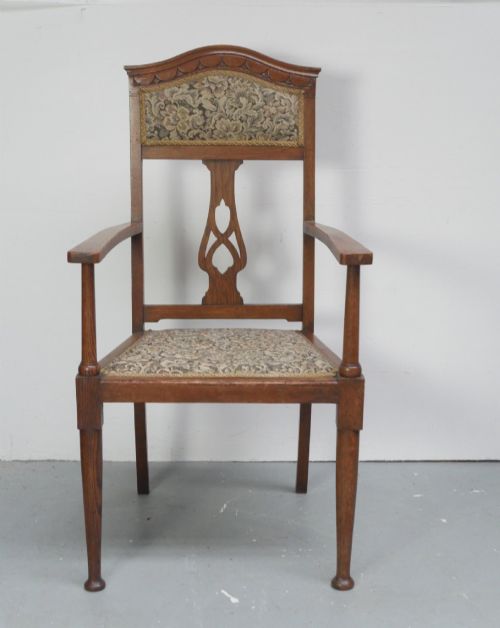
Decorative carved accent chairs encompass an eclectic group of seating forms, ranging from Victorian walnut armchairs and low salon chairs to Edwardian spinning chairs and hall chairs. You meet various regional and international expressions here, including French giltwood armchairs, Italian painted seats, and Anglo-Indian blackwood chairs.
The selection frequently includes walnut, oak, and mahogany frames alongside painted, ebonised, and gilt finishes. Upholstery materials span tapestry, silk, velvet, and various fabrics, paired with stylistic influences from the Renaissance Revival, Aesthetic Movement, and Chinese Chippendale.
These pieces function as striking focal points in domestic interiors rather than everyday dining seating. Their elaborate carving and distinct silhouettes suit placement in drawing rooms, hallways, and bedrooms where visual interest is paramount.
How they were made
Makers utilised solid timbers such as walnut, mahogany, and oak, often shaping them through traditional joinery and hand-carving techniques. Giltwood, ebonised, and painted finishes required careful surface preparation before applying gold leaf or pigments.
Upholstered elements relied on textile coverings like silk, velvet, and tapestry, secured to frames using traditional stuffing methods. Detail work incorporated bone inlay, pierced carving, and turned wooden components to elevate the visual complexity of each chair.
Walnut and mahogany appear frequently as the primary woods across the 19th-century and Edwardian chair selections.
What varies in quality
The depth and crispness of the hand-carving separate standard production from superior pieces, with intricate detailing showing clean lines and deliberate execution. Timber selection also dictates the grade, where dense walnut or figured mahogany provides a finer finish than softer woods.
Structural integrity depends on the tightness of the original joinery and the preservation of the frame over time. Surface treatments, whether original gilding, hand-painted decoration, or bone inlay, retain their visual impact when execution is precise and materials are well-matched to the form.
The Decorative Carved Accent Chairs Glossary
- Giltwood
- Timber coated with gold leaf or a gold-coloured preparation to give a metallic sheen. This finish is typical on ornate European salon and throne chairs.
- Aesthetic Movement
- A late 19th-century design approach emphasising visual beauty over narrative content. Pieces from this movement often feature ebonised surfaces and simplified structural lines.
- Glastonbury chair
- A traditional form of wooden armchair with an X-frame base and slanted back panel. These gothic revival pieces often display ecclesiastical carving.
- Spinning chair
- A low-seated chair historically used for hand-spinning wool or flax. They typically feature compact proportions and decorated carved backs.
- Bone inlay
- Small pieces of animal bone fitted into recessed channels within a wooden surface to create geometric or floral patterns. It appears on specific imported and regional seats.
Decorative Carved Accent Chairs: Frequently Asked Questions
Where should I place an accent chair?
These chairs suit positions where their carved details and distinct silhouettes can be appreciated without causing obstruction.
They work well in corners of living rooms, as occasional seating in bedrooms, or positioned along hallways.
How do I care for antique upholstery?
Protect delicate textiles such as silk and tapestry by keeping chairs out of direct sunlight to prevent fading.
Gentle surface cleaning and avoiding heavy moisture help preserve the integrity of both the fabric and the underlying stuffing.
What defines an Aesthetic Movement chair?
Aesthetic Movement pieces often utilise ebonised wood finishes and restrained forms inspired by Japanese and other global design traditions.
They prioritise visual balance and surface decoration over heavy historical revival motifs.
Are these chairs suitable for daily sitting?
Many of these pieces serve primarily as decorative accents rather than heavy-use lounging chairs due to their age and delicate carved elements.
Lighter daily use preserves the joinery, gilding, and antique upholstery on more fragile frames.