






Decorative Candle Holders
These decorative candle holders bring together centuries of metalwork and porcelain, offering both light and focal points for a room.
Decorative Candle Holders
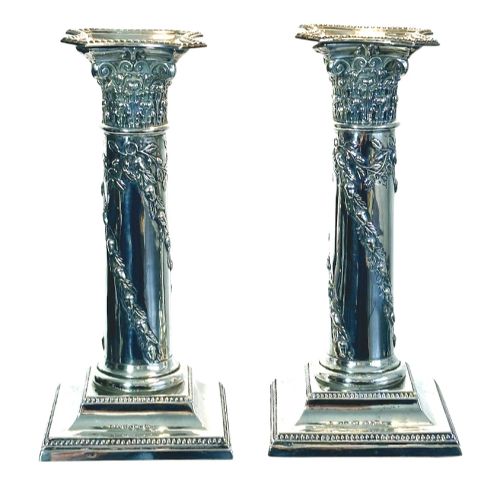
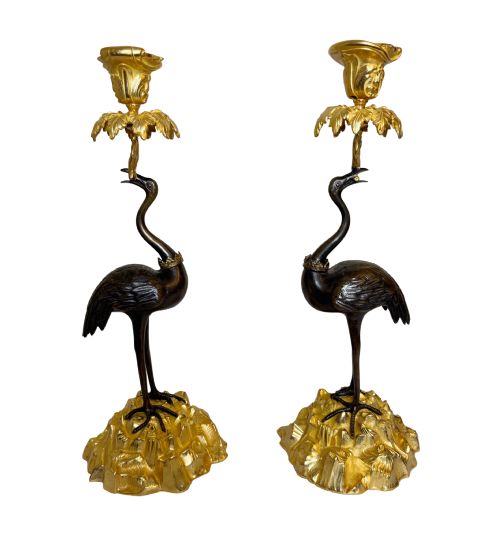
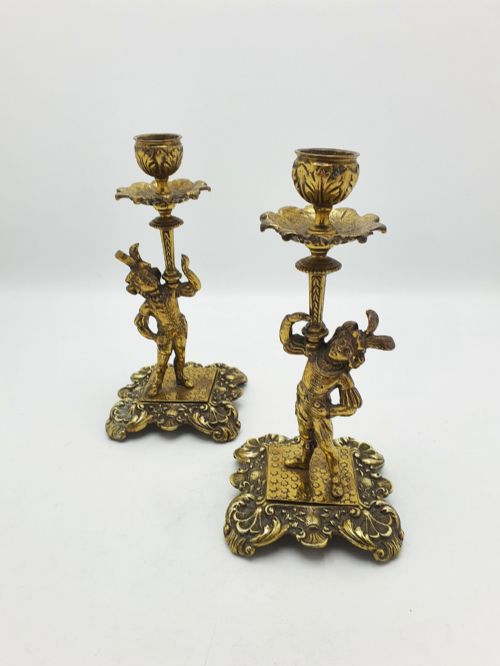
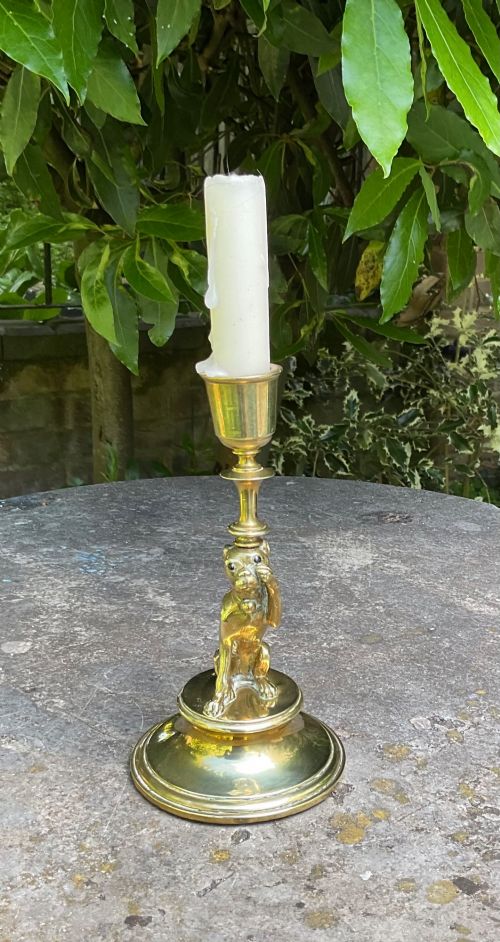
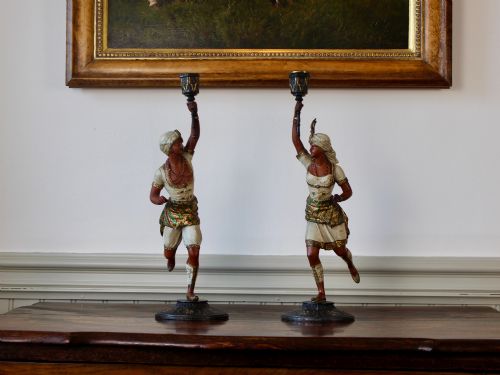
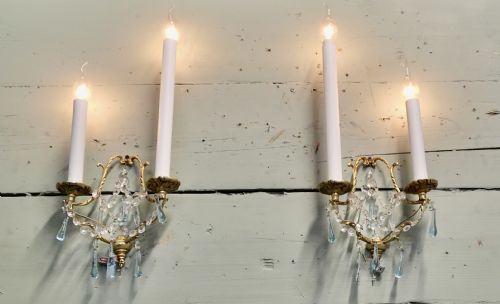
Decorative candle holders encompass a wide range of objects designed to support tapers and pillars, including candlesticks, multi-armed candelabra, wall sconces, and chambersticks. When searching for decorative candle holders, buyers encounter pieces fashioned in brass, bronze, silver, and porcelain across periods from the eighteenth century to the art deco era.
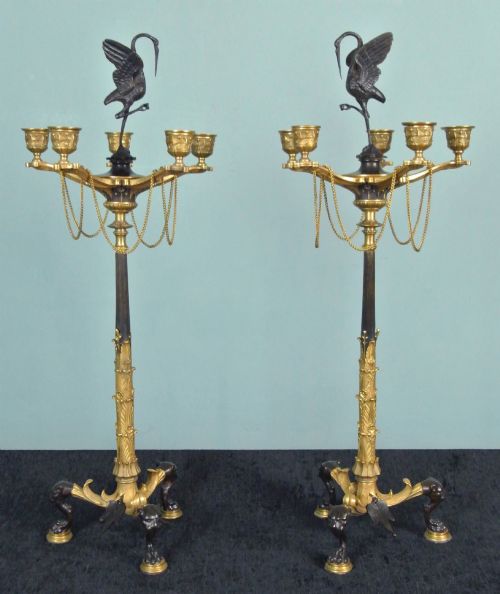
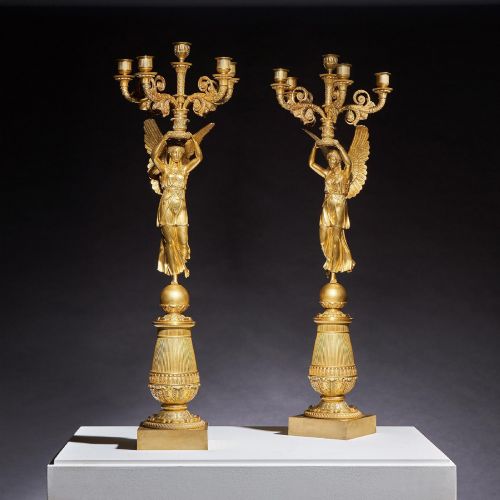
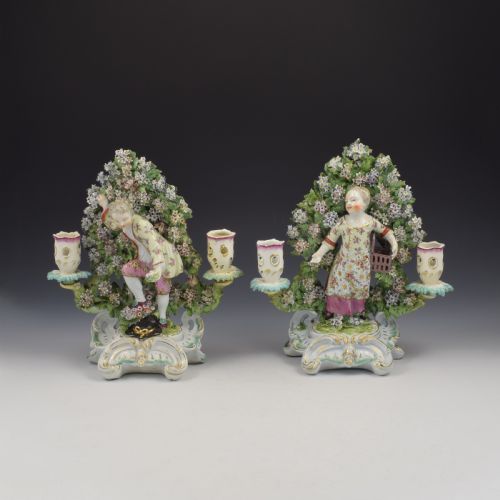
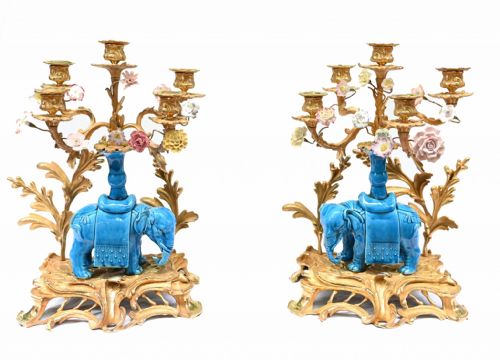
The selection ranges from simple nineteenth-century brass chambersticks to elaborate French gilt bronze candelabra and porcelain bocage figures. These items serve both practical lighting functions and sculptural display roles within traditional and period interiors.
Materials and Construction
Metal pieces rely on casting and chasing techniques, utilising brass, bronze, patinated bronze, and ormolu to create intricate surface detail and substantial weight. Silver and Old Sheffield plate provide reflective metallic finishes, whilst gilt bronze combines mercury gilding with cast bronze forms.
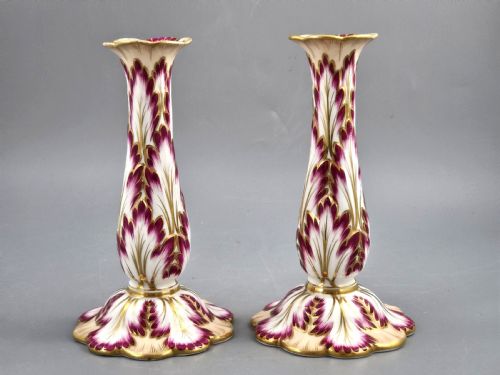
Ceramic examples employ porcelain bodies shaped into figural or botanical motifs, often incorporating bocage work and hand-painted enamel colours. Wall mirrors and sconces integrate mirrored glass with metal mounts or wooden frames to multiply the light cast by the flames.
Decorative Candle Holders Retail Price Guide 2026
Typical asking prices for decorative candle holders among the pieces listed under this phrase on Sellingantiques today, from the lower quarter to the upper quarter. They describe what is for sale here now, not the wider market.
Listings feature decorative candle holders spanning from the seventeenth century through the Regency, Victorian, and Art Deco periods.
Markers of Quality
Quality rests upon the crispness of the casting and the depth of the chased detail across bronze and brass examples. Superior pieces display finely articulated motifs, secure joints in multi-armed candelabra, and well-preserved gilding or patination.
Porcelain quality is distinguished by the delicacy of modelled flowers, figures, and foliage, alongside precise enamel application and clear firing. The integration of secondary materials, such as white marble bases or mirrored backplates, further separates standard production from exceptional examples.
Pierre Philippe Thomire·Barbedienne·Rene Lalique·Abel Landry·Auguste Cain·Minton·Ridgway·Derby·Bow·Dresden·Helena Wolfsohn
The Decorative Candle Holders Glossary
- Ormolu
- Gilded bronze, where a layer of gold amalgam is applied to a bronze base through heat treatment. This technique produces a rich golden finish characteristic of French decorative arts.
- Bocage
- Background foliage made of porcelain, commonly found behind figures on eighteenth and nineteenth-century candlesticks. It creates a leafy arbour effect around the central subject.
- Chamberstick
- A short candlestick fitted with a wide drip pan and a loop handle for carrying from room to room. They were essential domestic lighting devices before fixed electrical wiring.
- Pricket candlestick
- A candlestick featuring a sharp metal spike at the top to secure a large wax candle rather than a socket. This medieval form reappears in later revivalist metalwork.
- Sconce
- A wall-mounted lighting fixture designed to hold candles or tapers, often backed by a reflecting plate. They direct candlelight forward into the space of a room.
Decorative Candle Holders: Frequently Asked Questions
How do I care for antique brass candle holders?
Antique brass benefits from gentle dusting with a soft cloth to preserve its natural patina and historical surface character.
Avoid harsh chemical metal polishes that strip away age and wear, as collectors value the unpolished appearance.
Were wall sconces used for lighting in historical interiors?
Wall sconces were mounted in pairs or sets along walls to illuminate hallways, drawing rooms, and dining spaces by reflecting candlelight.
Mirrored backplates were frequently added to these fixtures to maximise the spread of light from the flame.
How can I tell the period of a bronze candlestick?
Dating relies on identifying the stylistic markers of periods such as Regency, French Empire, or Art Nouveau within the casting design.
Examining the construction methods, tool marks, and fastening screws underneath also helps determine the era of manufacture.