



Decorative Bronze Tray
These decorative bronze tray pieces bring exceptional metalwork and enamel detail to a table, offering both utility and historic display.
Decorative Bronze Tray
A decorative bronze tray encompasses metal centrepieces, comports, tazzas, and platters spanning the eighteenth, nineteenth, and early twentieth centuries. Buyers seeking these items will encounter pieces fashioned from cast or gilded bronze, often combined with porcelain, enamel, or brass.
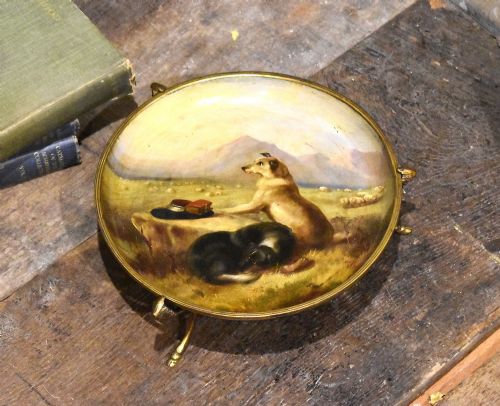
The selection ranges from French Rococo revival mounts and Neo-Classical platters to Meiji period mixed-metal dishes and Chinese export ceramics. Victorian examples frequently integrate organic materials such as papier-mâché or coromandel wood alongside metallic mounts.
Forms vary from large display chargers and centrepiece trays to smaller desk sets, inkwells, and mounted comports. Each piece demonstrates the period preference for combining heavy cast metal with contrasting decorative surfaces.
Materials and construction
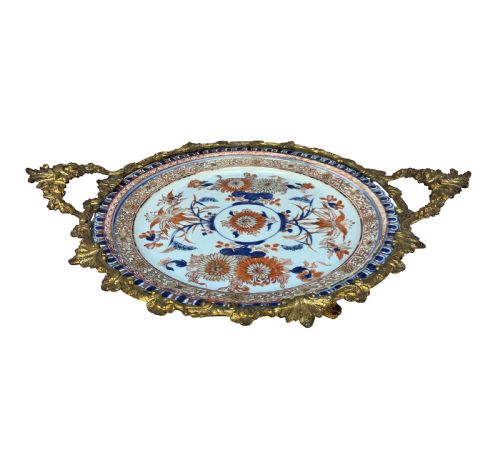
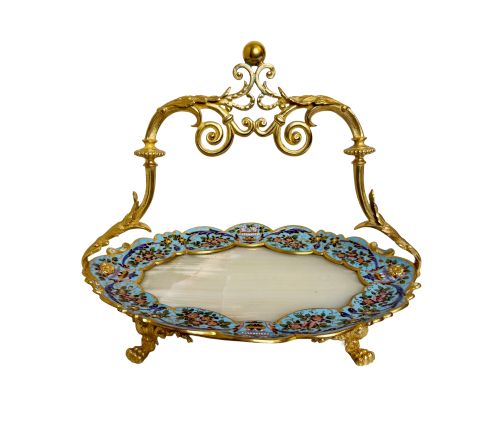
Items rely on bronze, gilt bronze, and ormolu as primary structural metals, frequently paired with champlevé enamel or ceramic inserts like Sevres and Chinese Imari porcelain. Artisans cast these metals using traditional foundry methods before applying gilding or patination.
Complex pieces incorporate mixed metals, brass, and silver plating on bronze bases, complemented by hand-painted details or inlaid enamel panels. Mounts are secured to porcelain dishes or wooden trays with fitted pins and screws.
Decorative Bronze Tray Retail Price Guide 2026
Typical asking prices for decorative bronze tray among the pieces listed under this phrase on Sellingantiques today, from the lower quarter to the upper quarter. They describe what is for sale here now, not the wider market.
Assessing quality in bronze work
Quality reveals itself in the crispness of the cast ornamentation and the depth of the gilding or patination across the bronze surface. Finer examples display meticulous hand-chasing after casting, which sharpens foliage, figural details, and geometric borders.
The integration of secondary materials defines the tier of craftsmanship, where perfectly fitted porcelain plates, unblemished enamel cells, and substantial weight indicate superior workshop production.
Bergmann·Louis Pierre Malpass
The Decorative Bronze Tray Glossary
- Ormolu
- Gilded bronze, where a layer of gold amalgam is applied to a bronze base and heated to bond the precious metal. This technique creates a rich, enduring metallic lustre.
- Champlevé
- An enamelling technique where troughs or cells are hollowed out in the metal surface and filled with vitreous enamel powder before firing. The metal ridges separate the distinct colours of glass.
- Comport
- A raised decorative dish or bowl used historically for serving fruit or sweets at formal dining tables. They typically stand upon a central pedestal or foot.
- Meiji Period
- The era in Japanese history spanning from 1868 to 1912, known for sophisticated mixed-metalwork and intricate decorative arts created for export. Pieces from this era often feature detailed patination and overlay techniques.
- Japonesque
- A Western artistic style of the nineteenth century inspired by Japanese art and design aesthetics. It influences the asymmetry and motifs found on certain European ceramics and metal mounts.
Decorative Bronze Tray: Frequently Asked Questions
What is a decorative bronze tray used for?
These items functioned historically as centrepieces, comports for fruit, or desk accessories for holding writing equipment.
Today, collectors utilise them as decorative tabletop display pieces or mantel focal points.
How do I date a decorative bronze tray?
Dating relies on stylistic markers such as French Rococo revival curves, Neo-Classical symmetry, or Meiji period mixed-metal techniques.
Examining the casting quality and the integration of materials like champlevé enamel or Sevres porcelain also helps narrow the period of origin.
Are these pieces made of solid bronze?
Many items feature solid cast bronze or gilt bronze, sometimes enhanced with fire gilding or ormolu finishes.
Others combine bronze mounts with porcelain plates, brass elements, or wooden bases like papier-mâché and coromandel.
How should I clean a bronze tray?
Dusting gently with a soft, dry cloth preserves the historic patination and protects delicate gilt or enamelled surfaces.
Harsh metal polishes and chemical cleaners must be avoided, as they strip away original gilding and antique finishes.