

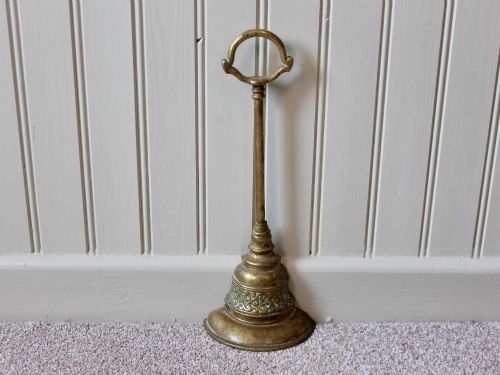


Decorative Brass Stop
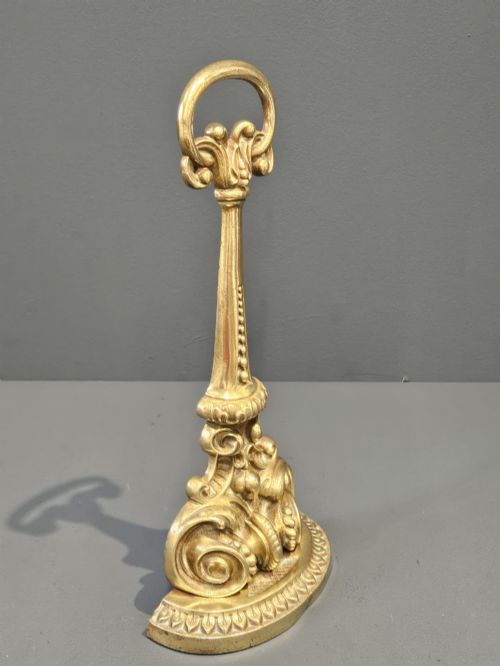
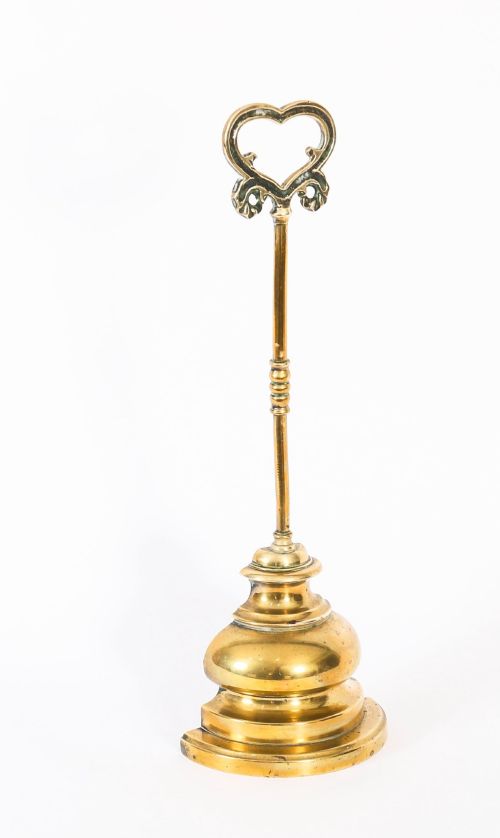
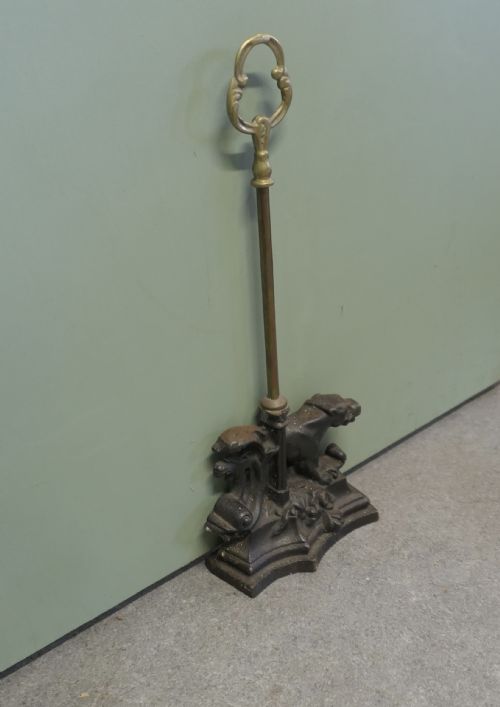
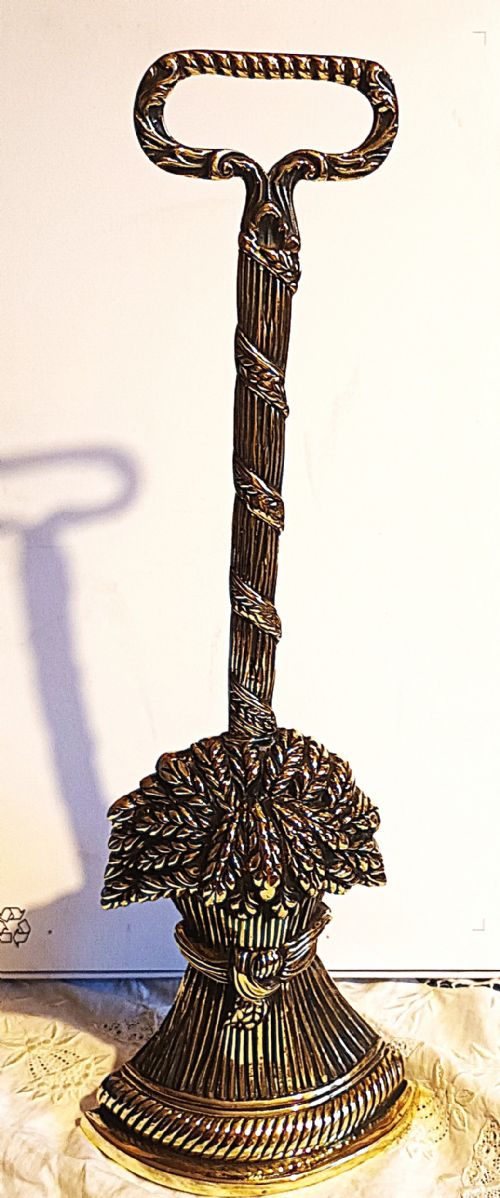
A decorative brass stop holds heavy doors or books with heft and presence, bringing period character directly to your floor or shelf.
Decorative Brass Stop
Forms vary from classic figural door porters to nautical themes like tall ships, alongside utilitarian bookends. Most examples rely on brass or cast brass construction, occasionally paired with cast iron or lead for added stability.
Origins span English workshops of the nineteenth century alongside Dutch pieces and later twentieth-century iterations from the nineteen-thirties. Buyers encounter a mix of sturdy brass foundations and maritime motifs that reflect period interior tastes.
Materials and construction methods
Makers utilised cast brass and cast iron to achieve the necessary weight required for holding heavy doors and books steady. Molten metal was poured into moulds to create detailed figural or architectural shapes.
Iron and lead frequently reinforced the interiors or bases of these objects to ensure they remained firmly planted on floorboards. The resulting metalwork combines structural durability with decorative surface detail.
Decorative Brass Stop Retail Price Guide 2026
Typical asking prices for decorative brass stop among the pieces listed under this phrase on Sellingantiques today, from the lower quarter to the upper quarter. They describe what is for sale here now, not the wider market.
A sturdy tall ship stands ready to keep your bookshelf from drifting away.
Assessing quality and craftsmanship
Quality rests in the crispness of the casting and the depth of the metal relief work rather than mere surface polish. Finer pieces display sharply rendered details on figures and maritime motifs without soft edges from worn moulds.
Substantial weight and solid internal ballasting distinguish superior examples from lighter utilitarian casts. The integrity of the foundational metals, whether brass or cast iron, dictates how well the piece endures daily use.
The Decorative Brass Stop Glossary
- Doorstop
- A heavy object placed on the floor to prevent a door from swinging shut. These items often feature decorative handles or figural tops for easy lifting.
- Door porter
- An alternative term for a heavy doorstop, historically moved around hallways to manage draughts and heavy internal doors. They frequently incorporate a looped handle at the top.
- Regency
- A British design period spanning the early nineteenth century known for classical restraint and elegant proportions. Pieces from this era often display refined lines before the more ornate Victorian styles took hold.
- Cast brass
- Molten brass poured into a mould to form solid decorative objects with intricate surface details. This technique allowed manufacturers to produce consistent weights and repeatable patterns.
Decorative Brass Stop: Frequently Asked Questions
What is a door porter?
A door porter is a heavy movable doorstop fitted with an upright handle at the top for carrying from room to room.
They were designed during the nineteenth century to keep heavy interior doors propped open against draughts.
How heavy are these pieces?
These items are cast with substantial metal mass to ensure they hold heavy doors or books securely in place.
Most combine brass outer shells with heavier internal metals like cast iron or lead to increase their overall weight.
Where were they used?
They were placed in hallways, libraries, and principal rooms of nineteenth-century homes to manage heavy doors.
Today they function equally well on the floor holding doors or on shelves supporting heavy volumes as bookends.
How do I spot a Regency piece?
Regency items display earlier nineteenth-century characteristics with cleaner classical lines and restrained ornamentation.
Later Victorian examples tend to feature more elaborate cast decoration and varied figural motifs.