



Decorative Brass Ornament
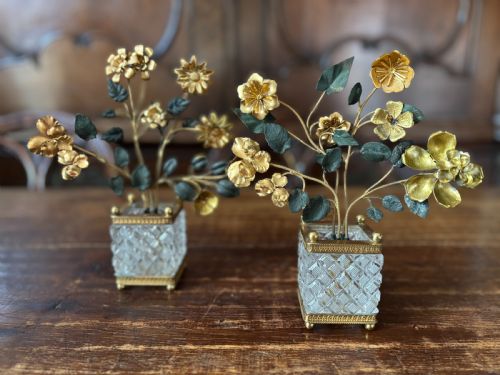
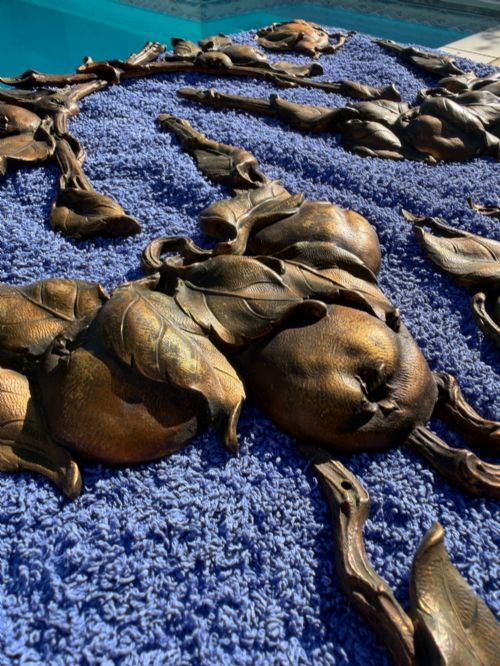
These decorative brass ornament pieces bring heavy cast metals and intricate gilt finishes directly into your interior scheme.
Decorative Brass Ornament
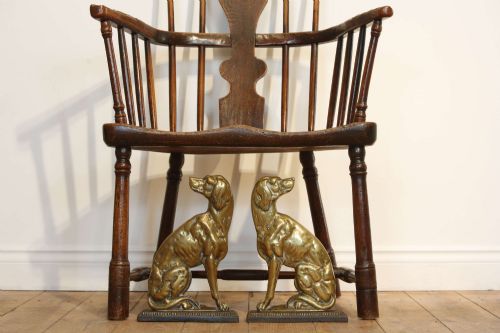
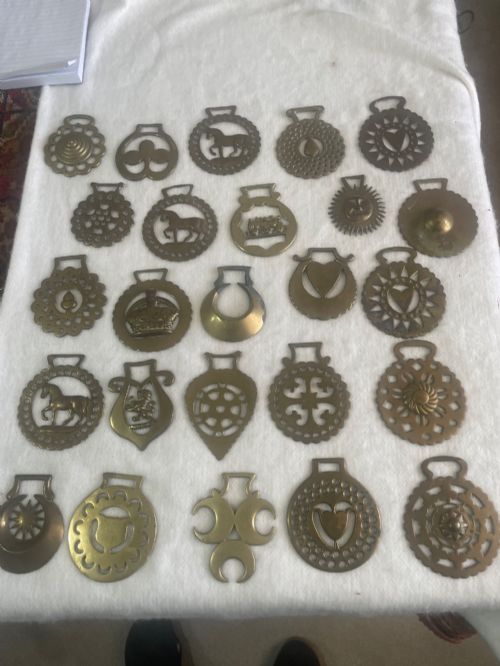
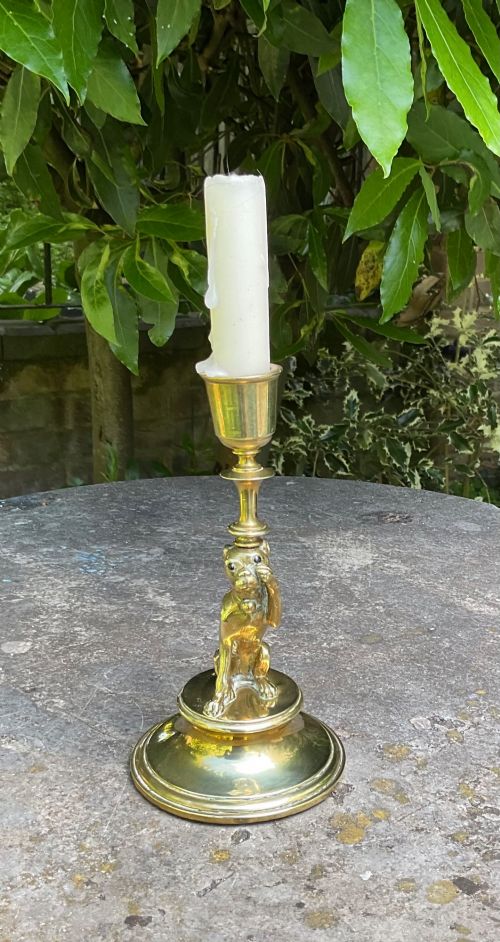
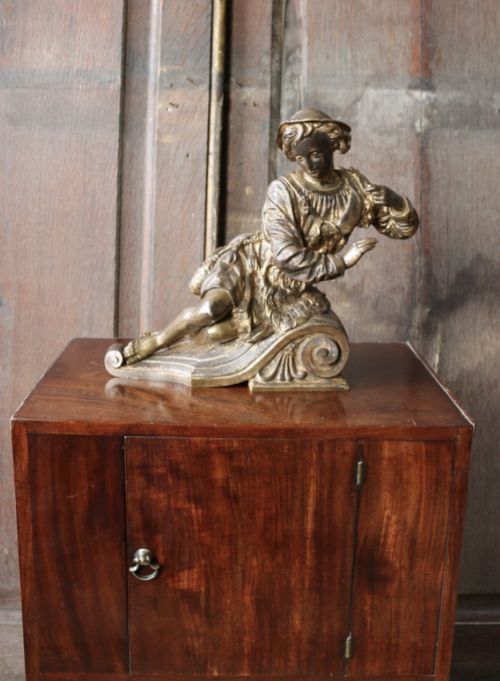
When you search for decorative brass ornament items, you encounter a diverse mix of Victorian novelties, desk accessories, and fireplace furnishings. The selection spans the eighteenth, nineteenth, and early twentieth centuries, incorporating styles ranging from French Rococo to Egyptian Revival and Chinese export work. You will most frequently find domestic metalwork, such as candlesticks, vases, and miniature figures.
Objects on this page range from utilitarian items adapted for display to purely ornamental sculptures and furniture mounts. Many pieces combine brass with contrasting materials like wood, marble, and iron to create distinct visual focal points. These items reflect both traditional British manufacturing and international decorative traditions from various historical periods.
Materials and construction methods
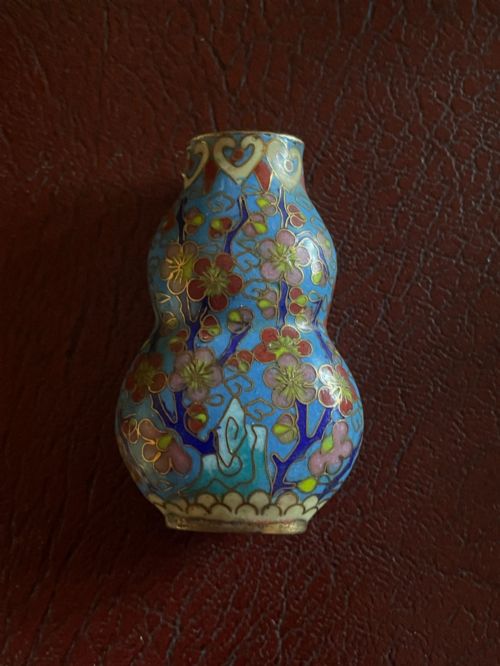
The objects on this page rely heavily on cast and chiseled brass, alongside gilt bronze and copper components. Artisans frequently paired metal with organic or structural elements such as oak, pine, horn, and marble. Enamel and cloisonné techniques add colour and pattern to smaller display pieces.
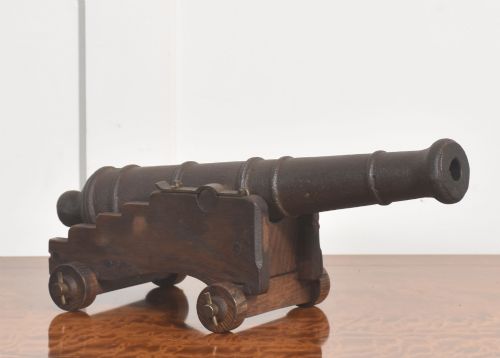
Manufacturing methods involve casting, piercing, and surface chasing to achieve fine detail on figures, vessels, and mounts. Iron and wood provide sturdy carriages or stands for heavier metal sculptures and cannons.
Decorative Brass Ornament Retail Price Guide 2026
Typical asking prices for decorative brass ornament among the pieces listed under this phrase on Sellingantiques today, from the lower quarter to the upper quarter. They describe what is for sale here now, not the wider market.
Listings feature items from the 18th century through to the early 20th century, including Victorian and Edwardian pieces.
Distinguishing quality in metalwork
Quality in these items rests upon the crispness of the casting and the precision of the hand-chased surface details. Superior examples display sharp definition in ornamentation, whether on figurative sculptures, architectural obelisks, or pierced vases.
The integration of mixed materials also defines the better pieces in the range. Well-executed patination, intact enamel work, and secure mounting to bases indicate higher workshop standards.
Poix Blin·Barwise London·Charles Korschann Paris
The Decorative Brass Ornament Glossary
- Gilt bronze
- Metal cast and coated with a thin layer of gold. This finish provides a bright metallic sheen that resists tarnishing.
- Cloisonné
- An enamelwork technique where metal wire is soldered to a base to form compartments. These sections are then filled with paste and fired.
- Champlevé
- A technique where troughs are dug into a metal surface and filled with enamel pigment before firing. The surrounding metal remains visible as part of the design.
- Andiron
- A horizontal metal support raised on legs, used to hold logs in a fireplace. Ornamental versions feature sculptural figures or cast brass details.
- Obelisk
- A tall, four-sided, narrow tapering monument that ends in a pyramid-like shape at the top. Miniature versions appear as decorative desk objects.
Decorative Brass Ornament: Frequently Asked Questions
What is a decorative brass ornament?
These items encompass a wide variety of cast and gilt metal objects created for domestic display and utility. They include desk accessories, figures, vessels, and fireplace furnishings from the eighteenth to the early twentieth century.
Such pieces bring historical metalwork into modern interiors, functioning as tabletop focal points or shelf displays.
How do I date a brass ornament?
Dating relies on stylistic clues, manufacturing techniques, and material combinations associated with specific periods like the Victorian era or the early twentieth century. Examining the casting method and any accompanying wooden or marble bases helps narrow down the decade of production.
Makers' marks or inscriptions, where present, provide further chronological context for individual pieces.
Where were these pieces used?
Original placements varied from formal drawing rooms and studies to grand fireplaces and desktop settings. Items like inkwells, candlesticks, and obelisks served functional roles on desks and mantelpieces.
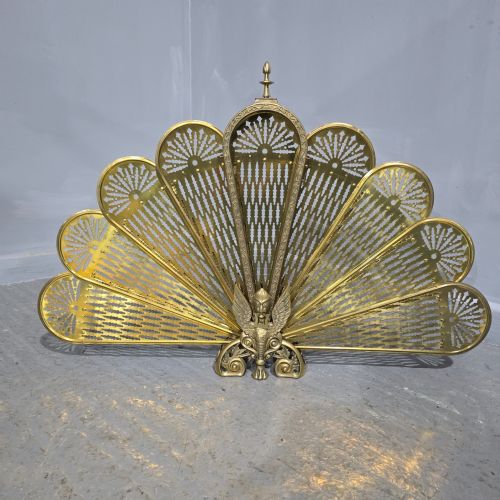
Larger sculptural pieces and fire screens were positioned around the hearth to catch the light and warm the room visually.
How do I care for antique brass?
Maintenance involves gentle dusting with a soft cloth to prevent the accumulation of dirt in recessed chased details. Avoid harsh chemical cleaners that strip the historic patination accumulated over the centuries.
Preserving the natural surface finish maintains both the visual depth and the historical character of the metal.