


Decorative Brass Column Lamp
A decorative brass column lamp brings classical proportion and warm metallic weight into a room, standing ready to anchor an interior scheme.
Decorative Brass Column Lamp
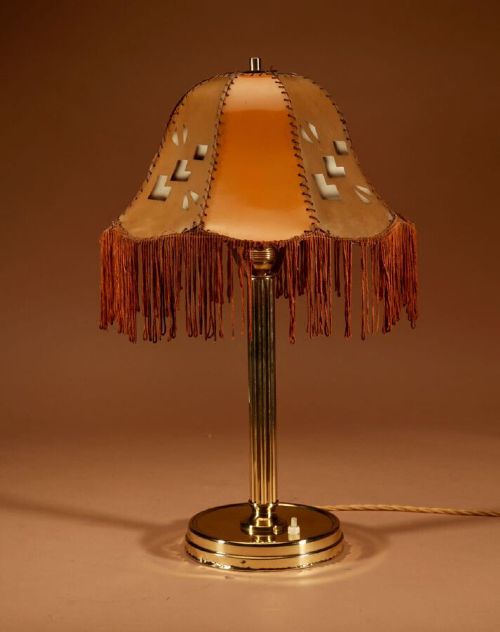
A decorative brass column lamp presents a classical architectural form adapted for interior illumination across the nineteenth and twentieth centuries. These pieces draw heavily on historical orders of architecture, frequently employing fluted shafts and decorative capitals to evoke ancient temples.
The selections available here range from austere nineteenth-century examples to later twentieth-century iterations influenced by Edwardian taste and Art Deco styling. Buyers encounter table lamps, floor standards, and converted oil lamps that utilise brass alongside materials such as glass, porcelain, and marble.
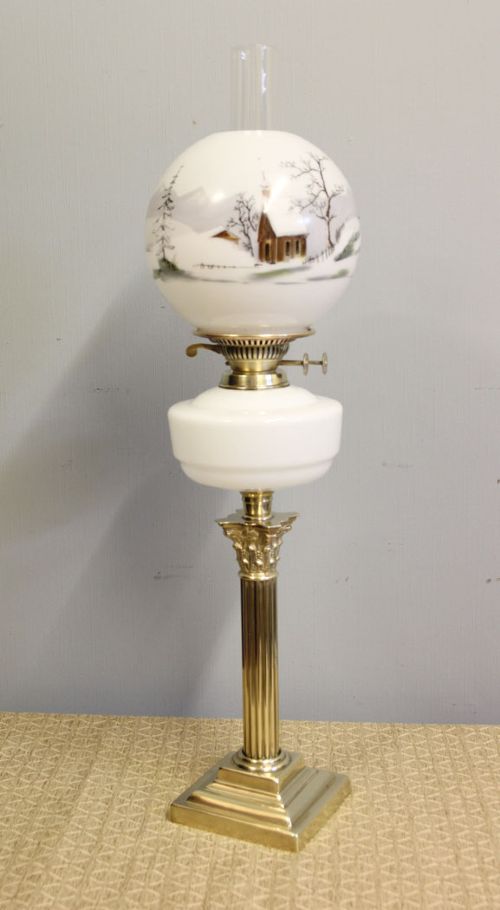
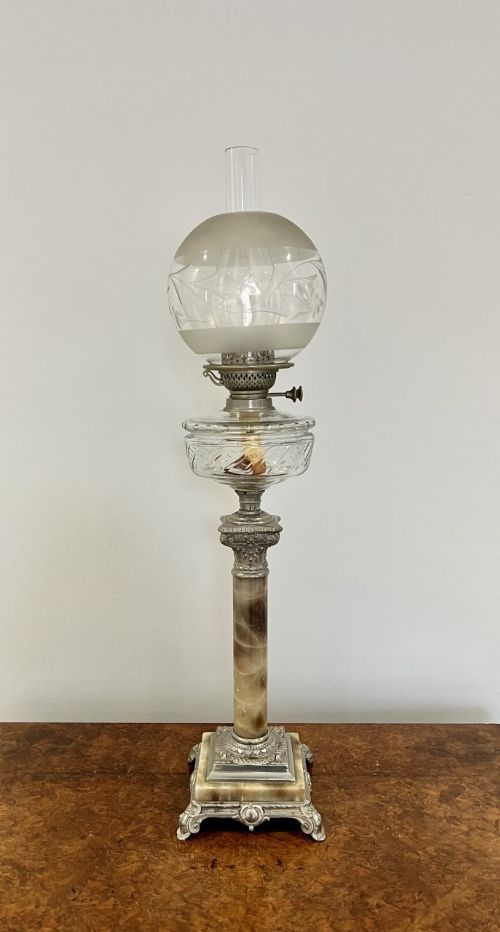
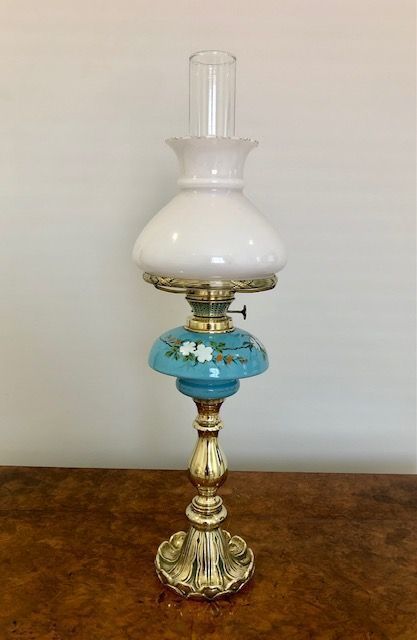
Victorian and Edwardian versions dominate the selection, often taking the specific form of Corinthian column oil lamps mounted on heavy metal bases. These pieces frequently incorporate glass fonts or painted bowls that sit atop the metallic shaft, bridging the gap between utilitarian lighting and ornamental sculpture.
Materials and construction
Constructed primarily from cast and spun brass, these lamps often incorporate ormolu, gilt bronze, and patinated metals to achieve varied surface textures. Heavier components are cast in sections before being turned on a lathe and joined, while capitals and bases receive detailed chased or moulded ornamentation.
Many examples integrate contrasting elements such as milk glass fonts, ceramic bodies of Porcelain de Paris or biscuit porcelain, and carved onyx or marble sections. Fabric components like silk shades appear alongside etched glass shades, though wiring and electrical fittings represent later additions to pieces originally designed for oil.
Materials appearing across the current inventory include brass, ormolu, gilt bronze, milk glass, porcelain, marble, and silk.
Evaluating quality and execution
Quality in a decorative brass column lamp rests on the crispness of the casting and the depth of the chasing on the capital and base. Superior pieces exhibit sharp fluting, solid metal weight rather than hollow thin gauge pressings, and harmonious proportions between the column and its plinth.
The integration of secondary materials further separates standard production from finer examples. Finely turned marble or onyx sections, heavy cast ormolu mounts, and carefully hand-painted porcelain components indicate higher workshop standards during the nineteenth and early twentieth centuries.
The Decorative Brass Column Lamp Glossary
- Corinthian column
- A classical architectural column style featuring ornate capitals decorated with acanthus leaves and scrolls. This design provides the most common visual template for nineteenth-century brass oil and table lamps.
- Ormolu
- Gilded bronze or brass applied to decorative metalwork and furniture mounts. It provides a rich, golden surface finish that enhances the classical detailing of nineteenth-century lamp bases.
- Font
- The oil reservoir of a lamp, positioned above the column and beneath the burner. These components are frequently fashioned from coloured glass, milk glass, or decorated porcelain.
- Porcelain de Paris
- A general term for porcelain produced by various independent workshops in Paris during the eighteenth and nineteenth centuries. These fine ceramic bodies frequently form the central shafts or bases of decorative lamps.
- Gilt bronze
- Metal cast in bronze and treated with a gold wash or mercury gilding. This material offers durability alongside a warm, reflective metallic sheen.
Decorative Brass Column Lamp: Frequently Asked Questions
Are these lamps safe for modern electrical use?
Most antique lamps require rewiring by a qualified professional to meet current safety standards and regulations.
Buyers should inspect the internal wiring and consult an electrician to ensure the vintage brass structure is safely adapted for modern domestic circuits.
How do I identify the period of a brass column lamp?
Dating relies on examining the casting methods, the style of the capital, and secondary materials like glass fonts or porcelain bases. Victorian and Edwardian examples often show heavier brass casting and specific stylistic revivals.
Comparing the construction techniques against documented periods helps establish a reliable timeframe for manufacture.
What is the difference between a table lamp and a converted oil lamp?
Converted oil lamps originally functioned by burning paraffin or oil through a wick and burner mechanism before later adaptation for electricity. Original table lamps were manufactured specifically for electrical components or earlier candle use.
Traces of the burner assembly or a removed reservoir often distinguish a conversion from a purpose-built electric standard.
How should I clean polished brass lamp bases?
Maintenance involves dusting with a soft, dry cloth to prevent the accumulation of grime on intricate column fluting and capitals. Avoid abrasive metal cleaners that strip away historical patina and wear down delicate surface details.
Preserving the natural ageing of the brass maintains the visual depth expected in antique metalwork.