
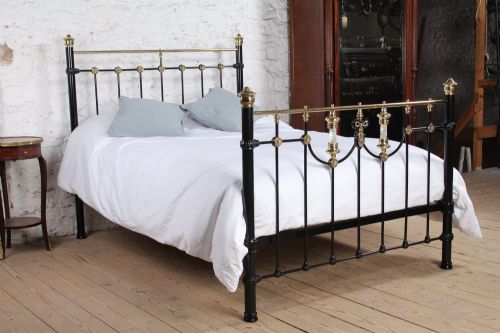


Decorative Brass Bedstead
A decorative brass bedstead brings solid nineteenth-century presence and polished metal warmth into a bedroom.
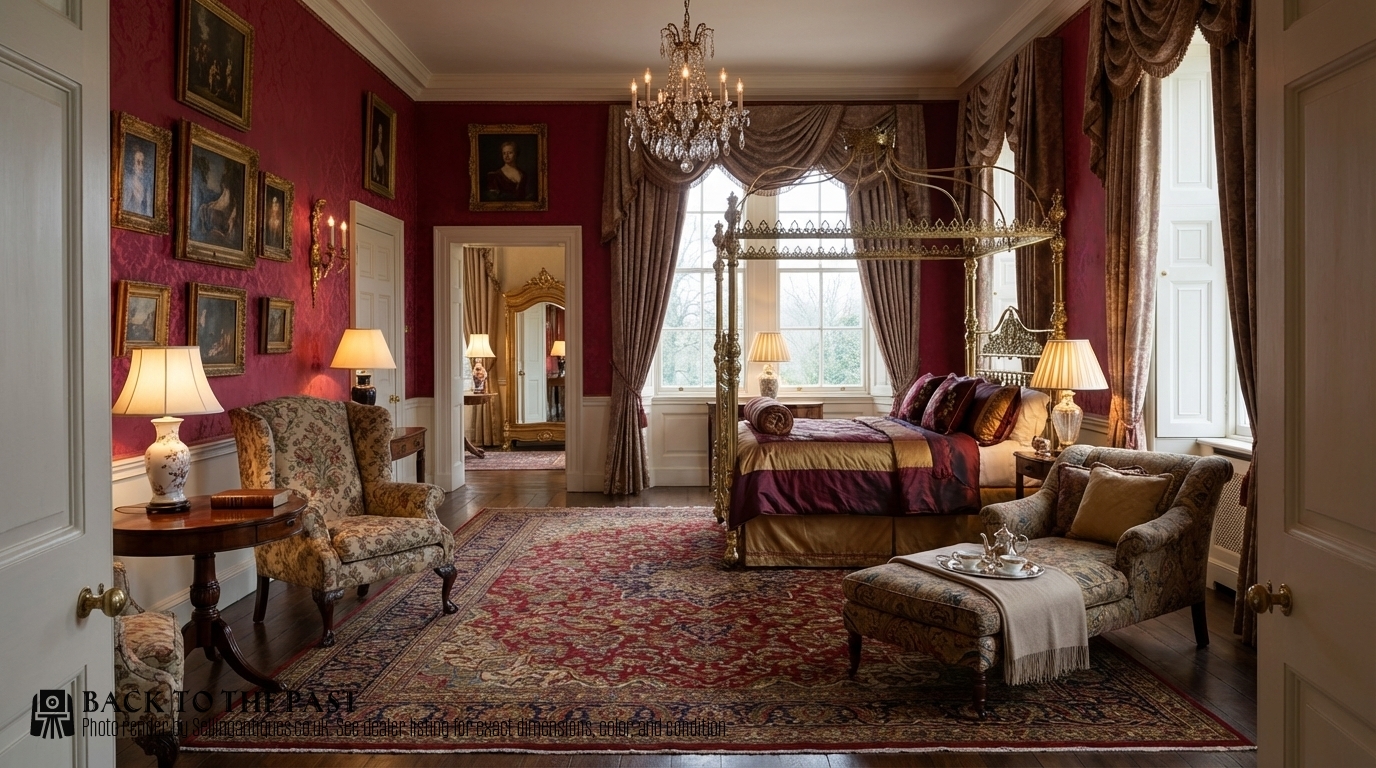
Decorative Brass Bedstead
A decorative brass bedstead is a substantial sleeping frame combining metal tubing and cast components, built primarily during the Victorian and Edwardian eras. Buyers searching for a decorative brass bedstead encounter robust double, king, and super king sizes designed to anchor a principal bedroom with architectural weight.
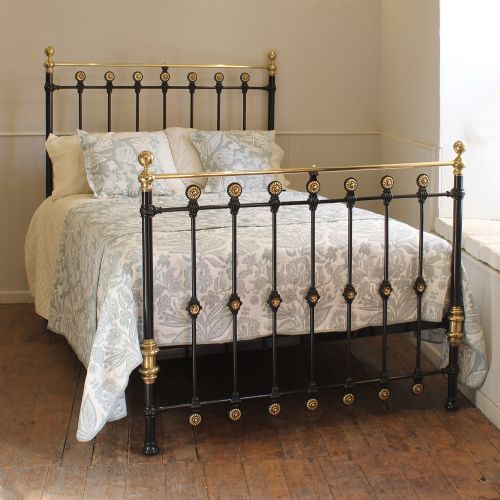
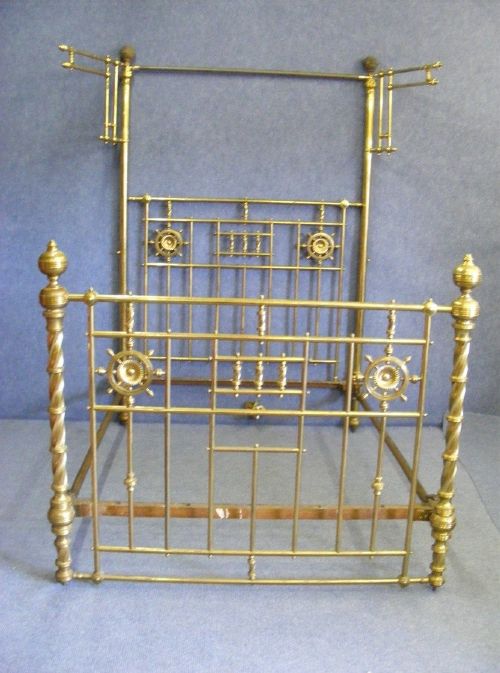
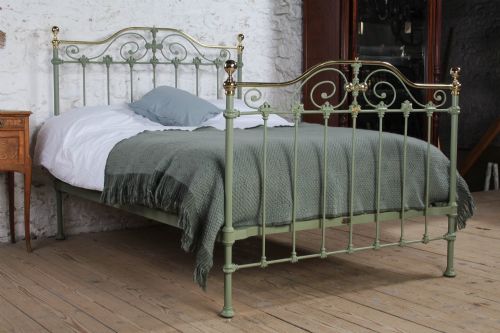
The dominant forms on this page pair polished brasswork with painted or enamelled iron frames in black or green, alongside occasional examples incorporating mother of pearl details. Pieces range from straightforward double configurations to grand half tester and four poster designs.
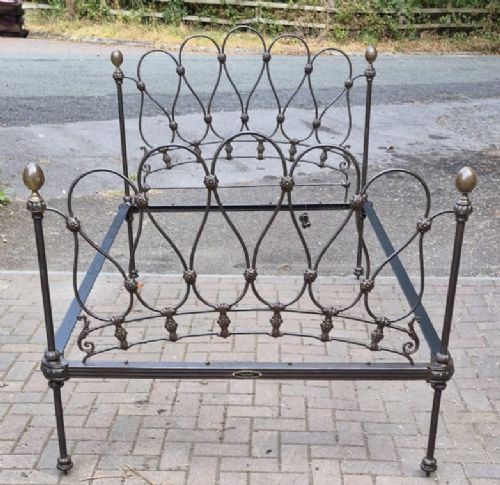
Origins span British workshops alongside continental European pieces, including Italian Art Nouveau framing and English creations bearing maker attribution like Maple and Co. These beds survive as functional focal points that bridge heavy metal construction with ornate surface detailing.
Materials and construction methods
Makers constructed these frames using combinations of solid brass, cast brass, and iron, often pairing a bright metallic headboard with structural iron side rails. Cast iron provided sturdy support while brass elements delivered the ornamental impact through spinning, casting, and polishing.
Surface finish varied through polished brass, applied paint effects, and nickel plating, occasionally enhanced with inlaid mother of pearl panels. Component parts were mechanically joined using heavy-duty mounts and threaded fixings designed for dismantling and transport.
Early bed makers occasionally used mother of pearl inlay so sleepers had something iridescent to admire while drifting off.
Factors that separate examples
Quality rests in the crispness of the brass castings and the structural integrity of the heavy iron framing. Finer examples display deeply embossed ornamentation, robust gauge metal tubing, and complete original finials rather than replacement components.
The presence of documented maker stamps, specialised forms such as half testers or four posters, and unusual decorative additions like mother of pearl elevate an individual piece above standard utilitarian frames.
Maple and Co.
The Decorative Brass Bedstead Glossary
- Half tester
- A bedstead featuring a partial canopy extending only partway over the head of the bed from the wall. This canopy typically supports fabric drapery to frame the pillow area.
- Cast brass
- Molten brass poured into a mould to create decorative finials, mounts, and joints. This technique allowed makers to produce intricate, three-dimensional ornamentation.
- Nickel-plated metal
- A base metal coated with a thin layer of nickel to provide a bright, silver-toned corrosion-resistant finish. This treatment was favoured in European workshops for a sleek modern aesthetic.
- Four poster
- A bed structure featuring four vertical columns supporting a full upper canopy frame. These substantial frames create a commanding architectural presence in a room.
Decorative Brass Bedstead: Frequently Asked Questions
How do I measure for a modern mattress?
Antique brass and iron beds often follow nineteenth-century sizing standards which can vary slightly from contemporary mattress dimensions. You should measure the internal width and length between the side rails and headboard carefully before ordering a custom or standard mattress.
Modern mattress suppliers frequently manufacture bespoke sizes to fit antique frames accurately, ensuring proper support without damaging the historical side rails or footboard.
Are these beds structurally strong?
Nineteenth-century metal bedsteads were engineered from heavy iron and brass components designed to withstand decades of daily domestic use. The heavy side rails and structural joints provide a remarkably rigid foundation when correctly assembled.
Modern buyers often utilise wooden slat roll foundations supported by the side rails to distribute mattress weight evenly across the historic frame.
How do I clean polished brass?
Polished brass requires gentle cleaning with a soft cloth and specialised metal polish to maintain its lustre without stripping thin surface layers. Avoid abrasive pads that can scratch the protective finish or damage the underlying metal.
Regular dusting and occasional treatment keep the brass components bright and prevent the accumulation of natural oxidation over time.
How do I distinguish Victorian from Edwardian pieces?
Victorian frames typically display heavier proportions, ornate classical castings, or Gothic influences with robust ironwork. Edwardian examples often introduce lighter aesthetic lines, softer floral motifs, and influences from the Art Nouveau movement.
Examining the casting detail and the style of applied ornamentation helps establish the decade of manufacture alongside any documented timeline evidence.