


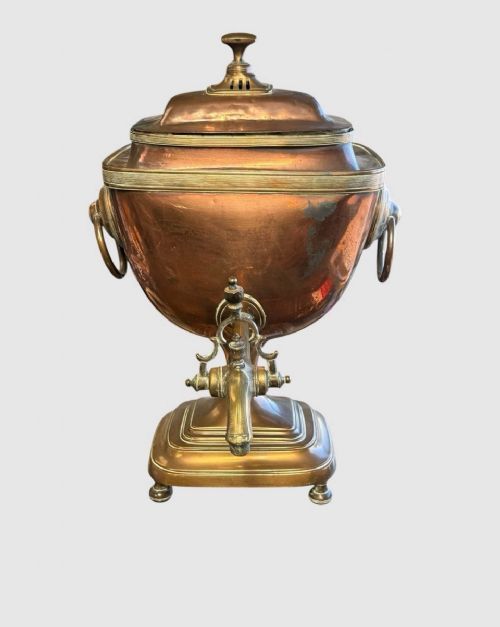


Decorative Brass and Copper
These decorative brass and copper pieces bring warmth and tactile weight to a room through hammered surfaces and rich metallic patinas.
Decorative Brass and Copper
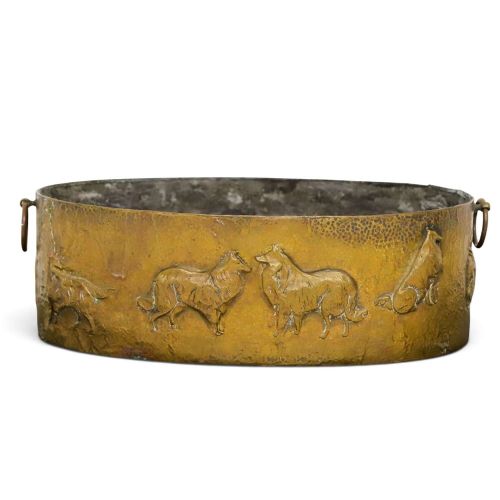
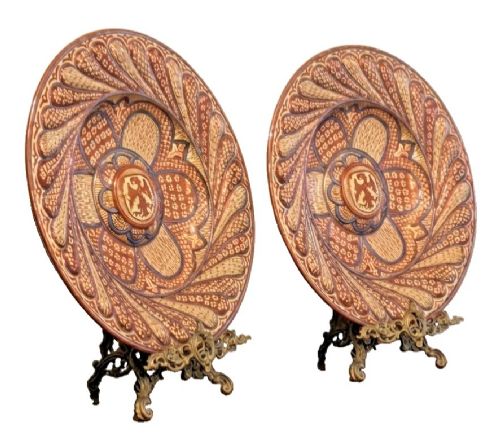
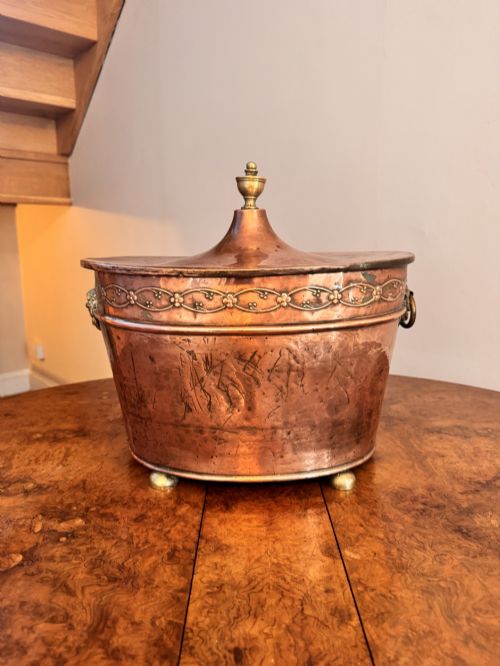
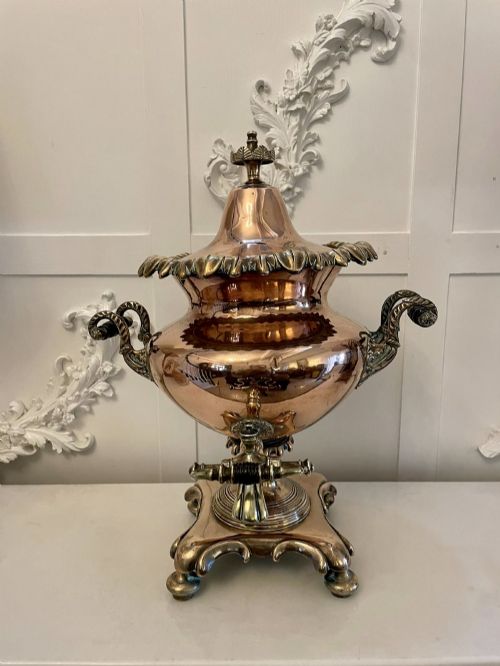
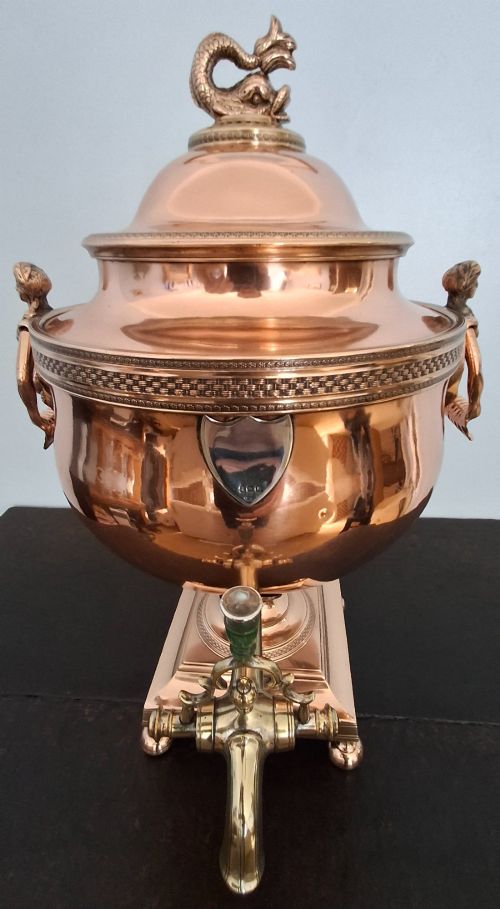
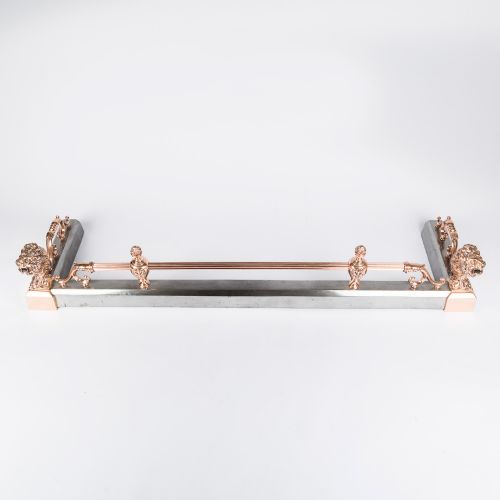
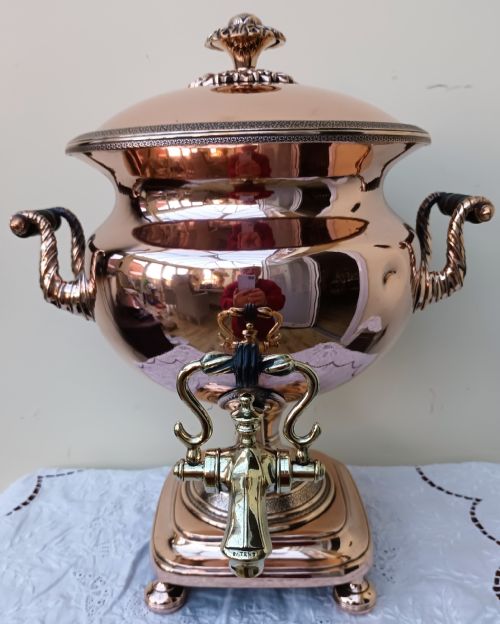
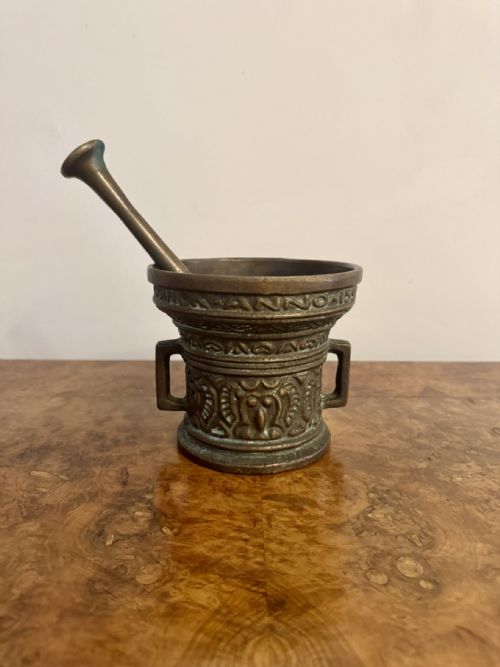
When you search for decorative brass and copper, you encounter a wide array of domestic and ornamental vessels spanning multiple centuries. The selection ranges from substantial tea urns and samovars to delicate cloisonne trays, wall mirrors, and planters.
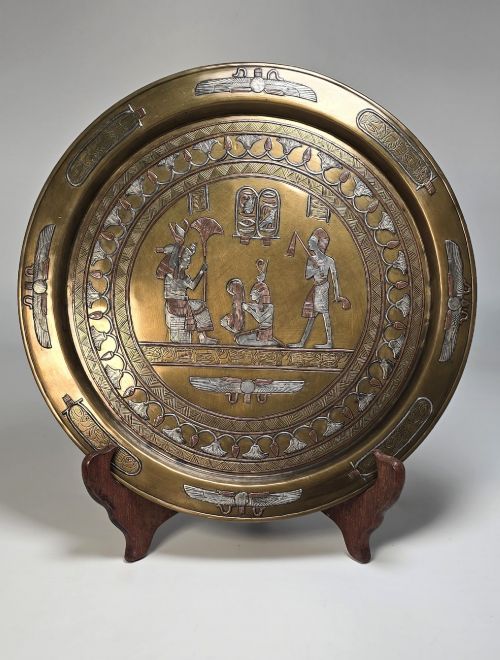
Victorian and Edwardian items dominate the offerings, alongside distinctive Arts and Crafts examples and Japanese Meiji period metalwork. Pieces frequently combine metals, pairing copper bodies with brass mounts or silver and enamel inlay.
Functional objects intended for daily hearth and dining use, such as kettles, coal buckets, and water barrels, transition naturally into purely decorative roles today. They bring industrial and domestic history directly into contemporary interiors.
Materials and methods of construction
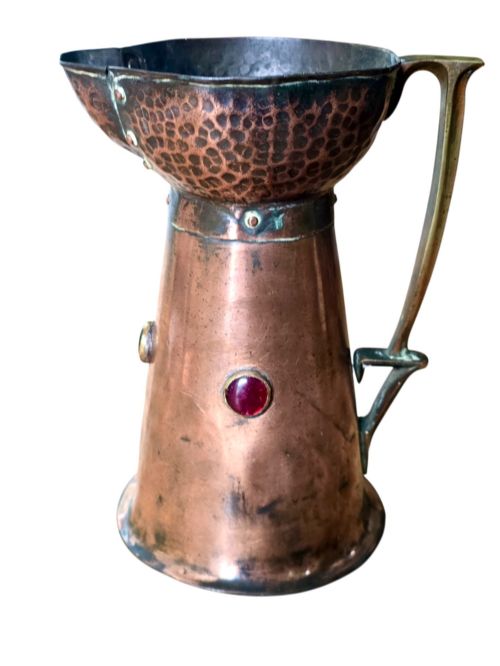
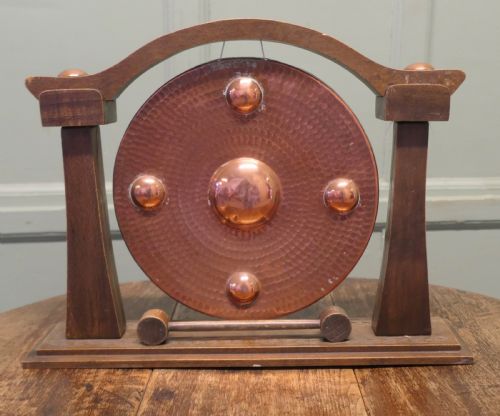
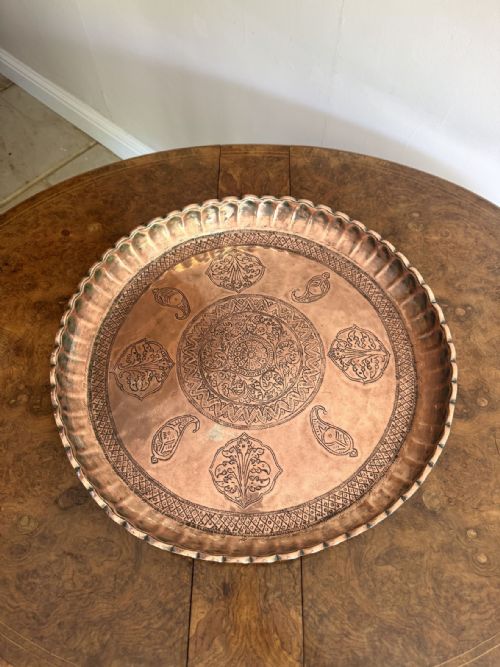
Artisans formed these objects through manual techniques, notably hand-hammering sheet metal over wooden or iron stakes to create vessels like jardinieres, trays, and jugs. Tool marks and subtle irregularities remain visible on the surfaces, reflecting individual craftsmanship.
Surface ornamentation involved chasing, engraving, and repousse work, where designs are punched from the reverse to create high-relief motifs. Workshops also applied mixed-metal inlay, silver wire work, and vitreous enamel to enrich the visual contrast against the dark patinated copper and bright brass.
Decorative Brass and Copper Retail Price Guide 2026
Typical asking prices for decorative brass and copper among the pieces listed under this phrase on Sellingantiques today, from the lower quarter to the upper quarter. They describe what is for sale here now, not the wider market.
Listings span eight distinct material categories, uniting base metals like copper and brass with enamel, glass, wood, silver, and tin.
Distinctions in quality and execution
Quality rests upon the depth of relief, the crispness of chased or engraved details, and the integrity of the original construction without modern reinforcement. Superior pieces display harmonious proportions and purposeful weight, particularly in larger items like samovars and floor lamps.
The sophistication of surface decoration separates standard production from exceptional work, seen in the precision of Japanese cloisonne enamel or the deliberate hand-beaten texture of Arts and Crafts metalwork. Original patination and intact mixed-metal inlays preserve the visual impact intended by the maker.
William Soutter And Sons
The Decorative Brass and Copper Glossary
- Cloisonne
- An ancient technique for decorating metalwork objects with coloured glass enamel compartments separated by strips of metal wire.
- Repousse
- A malleable metalworking technique where the artisan hammers the design from the reverse side to create a raised relief on the front.
- Jardiniere
- An ornamental pot or stand designed to hold live plants or flowers, frequently constructed from coopered wood with brass bands or solid hammered metal.
- Cairoware
- Metalware originating from or inspired by Middle Eastern traditions, characterised by dense silver and copper inlay work depicting geometric and figurative motifs.
Decorative Brass and Copper: Frequently Asked Questions
How do I clean antique copper and brass safely?
Maintenance requires gentle dusting and occasional cleaning with specialised non-abrasive metal creams only if removing active oxidation is necessary. Preserving the dark historic patina prevents the loss of surface character.
Avoid harsh chemical dips that strip away age-related coloration and leave the metal unnaturally bright. A soft cloth and mild soap suffice for routine care.
Are these old samovars and urns still watertight?
Many older vessels retain soldered internal seams, but temperature shifts and age can compromise their integrity over decades. Testing with cold water over a sink before indoor display prevents unexpected leaks.
When utilised as decorative planters or umbrella stands, placing a modern waterproof liner inside protects the historic base from moisture damage.
What distinguishes Arts and Crafts metalwork?
The movement emphasised visible hand craftsmanship, honest construction, and individual artistic expression over industrial uniformity. Hammer marks and exposed rivets are celebrated design elements rather than flaws.
Makers often utilised natural motifs and cabochon stones, creating pieces that feel tactile and grounded in traditional workshop practices.
How can I date mixed-metal Japanese pieces?
Japanese decorative items often date from the Meiji period, reflecting a surge in export quality metalwork featuring intricate cloisonne or Komai style inlay. Signature panels and specific motifs like Mt Fuji offer clues to the workshop origin.
Examining the base construction and the fineness of the wirework helps differentiate late nineteenth-century output from later decorative reproductions.