



Decorative Botanical Art
When you search for decorative botanical art, you are tracking down pieces that bring flowers, leaves and natural forms into interior spaces.
Decorative Botanical Art
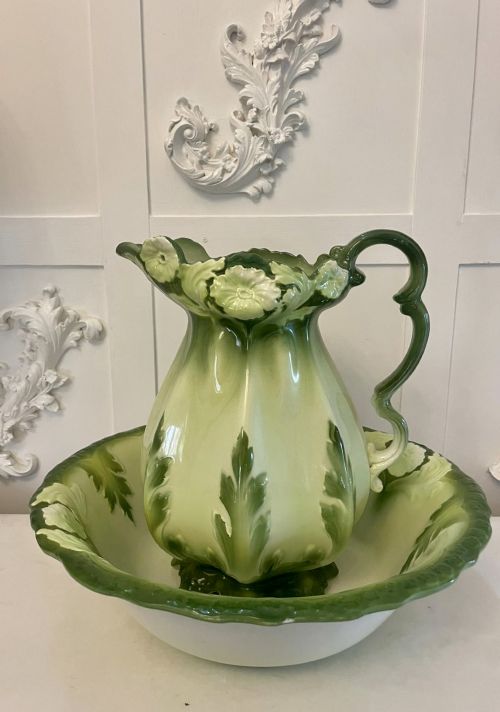
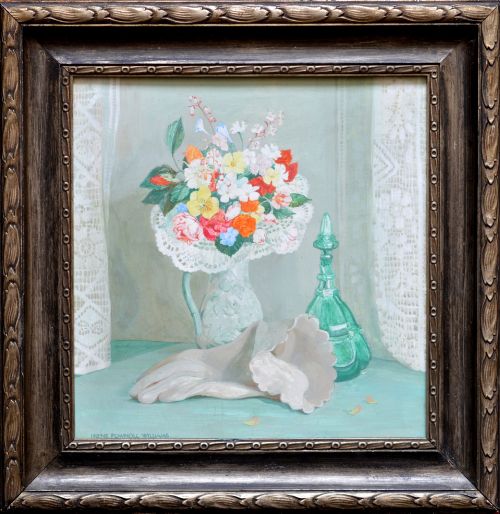
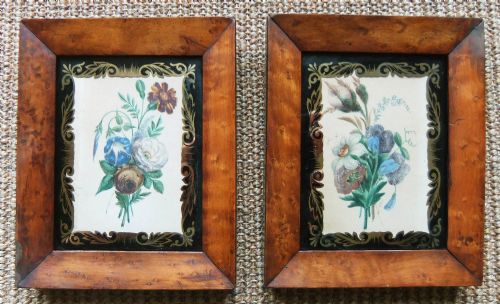
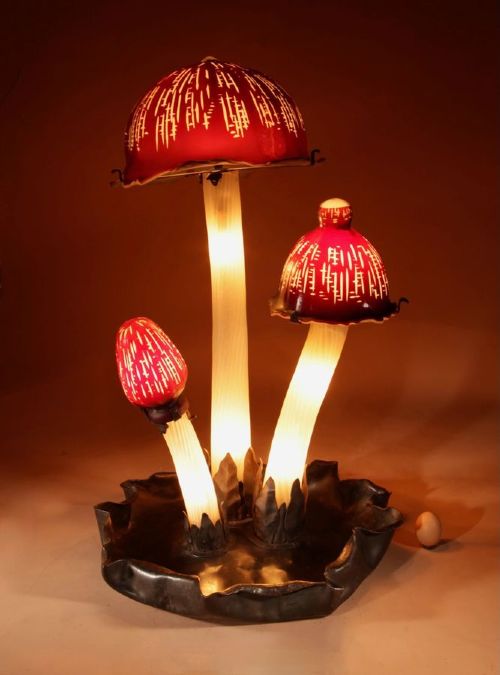
Decorative botanical art spans watercolours, tempera paintings and oils depicting floral and plant subjects alongside physical objects shaped by natural motifs. You will encounter framed watercolours of flowers alongside ceramic vases moulded with leaves and glass vessels etched with blossoms.
The selections on this page draw heavily from the nineteenth and twentieth centuries, capturing the sustained fascination with plant forms across multiple decades. Art Nouveau and Victorian pieces dominate the forms, translating natural growth into sweeping curves on pottery, glass and metalwork.
Materials and construction methods
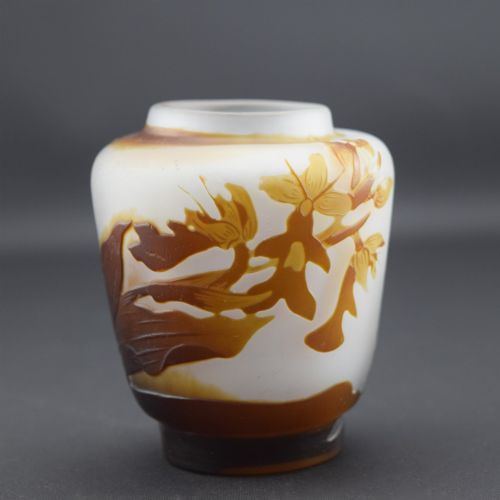
Makers utilised cameo glass, earthenware, porcelain and bronze, working pigments onto paper, wood panels and canvas. Glass pieces often involve layered acid-etching to reveal contrasting colours beneath, while ceramic vessels combine moulded earthenware with slip decoration or glazed painting.
Metalwork items employ cast bronze, copper and pewter, sometimes accented with enamel or glass cabochons. Textile and paper works rely on traditional watercolour, tempera or stitching techniques executed on paper, silk or canvas.
Decorative Botanical Art Retail Price Guide 2026
Typical asking prices for decorative botanical art among the pieces listed under this phrase on Sellingantiques today, from the lower quarter to the upper quarter. They describe what is for sale here now, not the wider market.
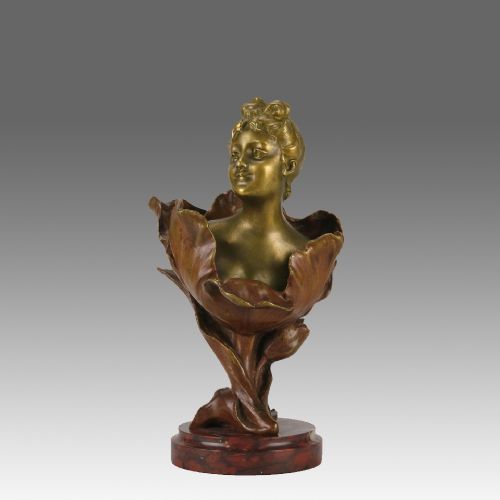
Fairies find their way into bronze botanical busts alongside watercolours of pelargoniums.
Judging the standard of execution
Quality rests upon the precision of the hand and the depth of the material treatment. In cameo glass, sharpness in the acid-cut floral details separates standard production from exceptional artistry.
Painted works distinguish themselves through the subtlety of tone, sureness of brushwork in rendering natural structures, and the preservation of pigment vibrancy across paper and panel.
Emile Galle·Royal Doulton·Henri Godet·Georges Leleu·Sir Edmund Elton·Ernst Wahliss·Daum Freres·Stuart Armfield·Rene Lalique·Thomas Webb
The Decorative Botanical Art Glossary
- Cameo glass
- A form of multi-layered art glass produced by carving or acid-etching away outer layers to create contrasting designs. This technique allows intricate depictions of botanical subjects in relief.
- Tempera
- A permanent, fast-drying painting medium consisting of coloured pigment mixed with a water-soluble binder medium. It yields a matte finish frequently utilised on wood panels.
- Cloisonné
- An ancient technique for decorating metalwork objects with coloured glass paste separated by strips of metal. The resulting compartments form detailed visual patterns.
- Faience
- Tinned-glazed earthenware associated with European pottery traditions. It provides a smooth white surface suitable for painted botanical decoration.
Decorative Botanical Art: Frequently Asked Questions
What periods do these botanical pieces come from?
The pieces span the nineteenth and twentieth centuries, encompassing Victorian, Art Nouveau, Arts and Crafts, and mid-century aesthetics.
Most examples cluster around the late nineteenth and early twentieth centuries, reflecting the high point of botanical ornamentation in decorative design.
How do I identify Art Nouveau botanical items?
Art Nouveau botanical items feature asymmetrical, flowing lines derived directly from stems, seed pods and flower petals. Look for sinuous curves integrated into the handles of vases and the frames of paintings.
These pieces typically date from around eighteen-ninety to nineteen-ten and utilise materials like cameo glass, bronze and glazed pottery.
Were these items meant for display or daily use?
Many ceramic vessels, ewers and jugs were functional objects intended to hold flowers or water while serving as ornamental centrepieces. Paintings and framed watercolours were strictly created for wall display.
Glass vases and lamps combined practical illumination or containment with artistic representation of natural flora.
How should I care for antique painted botanical panels?
Painted panels on wood or paper require stable indoor humidity and protection from direct sunlight to prevent pigment fading and material warping. Keep them away from heat sources.
Dust wooden frames and glass surfaces gently with a dry, soft cloth without applying liquid cleaning agents directly to painted areas.