





Decorative Black Lacquer Box
A decorative black lacquer box offers an elegant receptacle for precious trifles, combining deep dark finishes with intricate hand-painted detail.
Decorative Black Lacquer Box
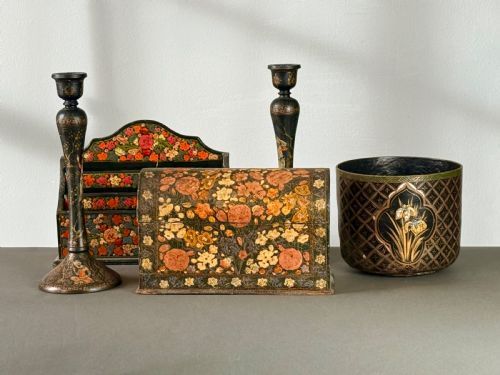
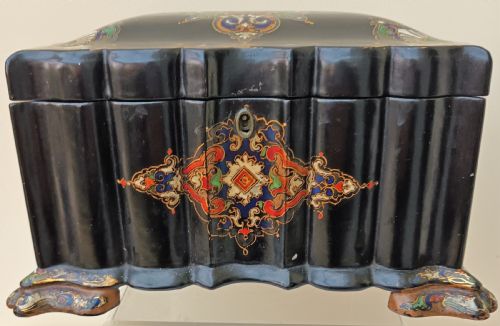
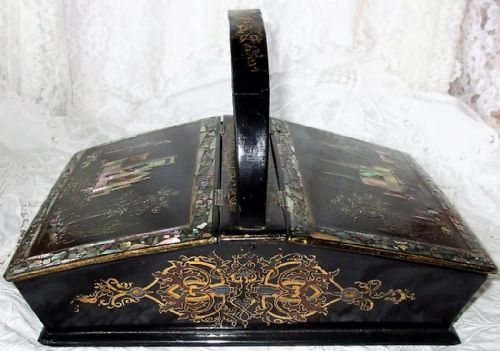
When you search for a decorative black lacquer box, you encounter pieces originating from diverse traditions including Regency England, nineteenth-century China, and twentieth-century Russia. These objects serve multiple domestic purposes, appearing as tea caddies, sewing baskets, letter racks, and small table cabinets.
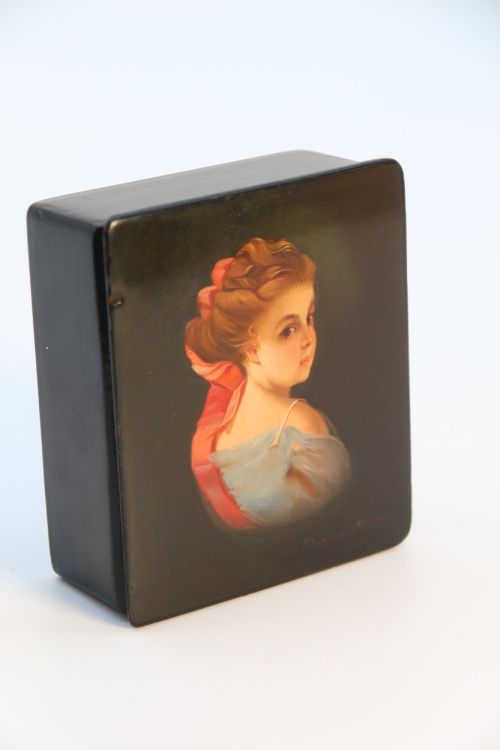
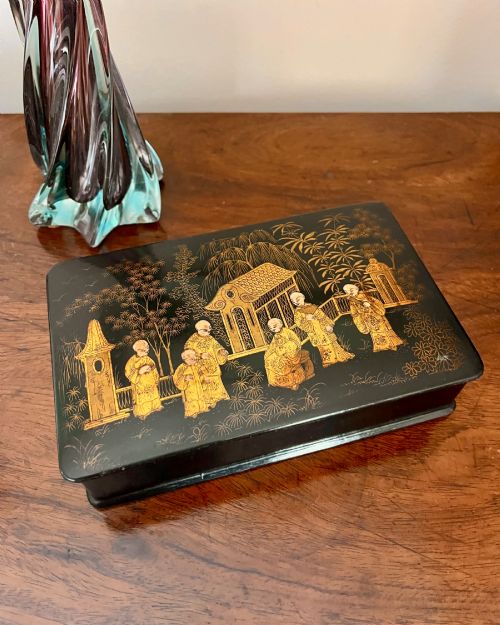
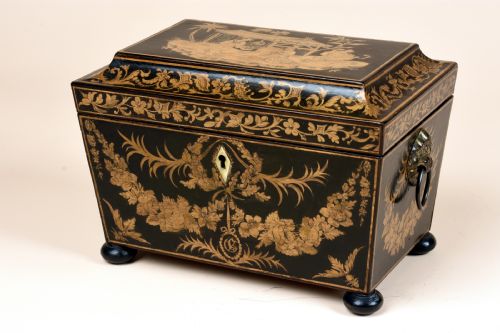
The nineteenth-century examples frequently employ papier-mâché alongside timber carcases, presenting lustrous dark surfaces adorned with chinoiserie motifs or penwork decoration. Russian pieces from around nineteen-twenty typically feature hand-painted portrait miniatures upon black lacquered surfaces.
You also discover items spanning the Regency period through to the nineteen-forties, encompassing Japanese kodansu cabinets and Italian poker game boxes. Each origin brings distinct regional aesthetics to the fundamental form of the dark lacquered container.
Materials and construction techniques
The foundational carcase of a decorative black lacquer box is constructed from wood or papier-mâché, providing a stable base for repeated layers of dark surface coating. Artisans apply lacquer, ink, oil paint, and gold leaf to build up complex pictorial scenes and geometric borders.
Decorative Black Lacquer Box Retail Price Guide 2026
Typical asking prices for decorative black lacquer box among the pieces listed under this phrase on Sellingantiques today, from the lower quarter to the upper quarter. They describe what is for sale here now, not the wider market.
Materials recorded across these objects include wood, papier-mâché, brass, gold leaf, ink, oil paint, and gilt applied over traditional lacquered surfaces.
Distinctions in craftsmanship and finish
The division between standard and superior pieces rests upon the precision of the hand-painted details and the preservation of the delicate surface finish. Finer boxes display meticulous brushwork in portrait miniatures or intricate chinoiserie scenes that retain their original crispness and tonal depth.
Structural integrity of the wooden or papier-mâché body alongside the intact condition of applied gold leaf and brass hardware dictates the standing of an individual box. Superior examples maintain unblemished black grounds without significant crazing or restoration to the pictorial elements.
The Decorative Black Lacquer Box Glossary
- Lacquer
- A durable finish applied to wooden or papier-mâché objects, creating a smooth and lustrous dark surface. It forms the protective and decorative skin characteristic of these boxes.
- Chinoiserie
- European decorative art imitating Chinese artistic styles, commonly found on nineteenth-century pieces. It typically depicts imagined oriental landscapes and figures in gold upon black grounds.
- Papier-mâché
- A composite material made from paper pulp or reinforced paper sheets pressed and dried into a rigid form. This medium was extensively utilised for nineteenth-century tea caddies and needlework caskets.
- Penwork
- A meticulous decoration technique executed with ink upon a light or dark ground, prevalent during the Regency era. Skilled artisans drew intricate motifs directly onto the prepared surface before sealing them with varnish.
Decorative Black Lacquer Box: Frequently Asked Questions
What were these boxes originally used for?
Many of these containers served specialised domestic functions, holding dry tea leaves, sewing implements, writing materials, or playing cards. Tea caddies often featured internal compartments to keep blends separate.
Other formats functioned as desktop letter racks, small storage cabinets, or simply decorative caskets for personal treasures and keepsakes.
How do I care for a lacquer box?
Keep the object away from direct sunlight and steady heat sources to prevent the lacquer from drying, fading, or cracking over time. Avoid using abrasive cleaning agents or modern polishes.
Dust the surface gently with a soft, dry cloth to maintain the lustre of the dark finish without disturbing delicate gold leaf or hand-painted details.
How can I distinguish Regency penwork pieces?
Regency penwork is characterised by exceptionally fine ink drawing executed directly onto the prepared surface of a box, often depicting architectural scenes or classical motifs. These items frequently date from the early nineteenth century and rely on meticulous line work rather than raised lacquer layers.
They commonly take the form of tea caddies or sewing baskets, displaying remarkable patience in the execution of miniature pictorial borders.
What defines Russian lacquer boxes?
Russian examples from the early twentieth century typically feature hand-painted portrait miniatures or traditional folk art scenes set against a dense black papier-mâché ground. Many of these pieces are signed by the artist.
They showcase distinctive portraiture styles that set them apart from contemporary British or Asian decorative containers.