


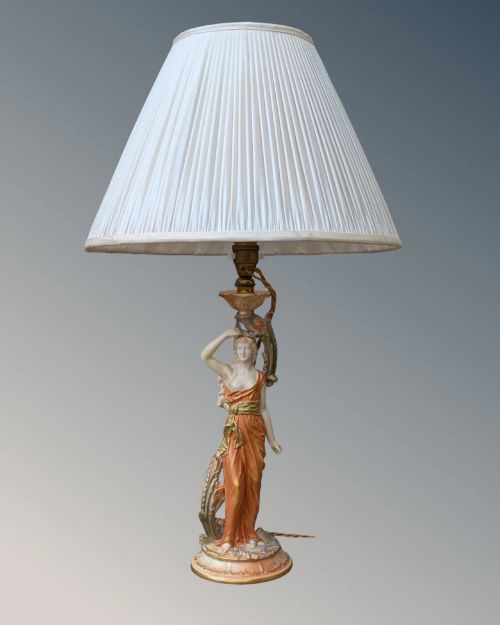


Decorative Bedside Lamps
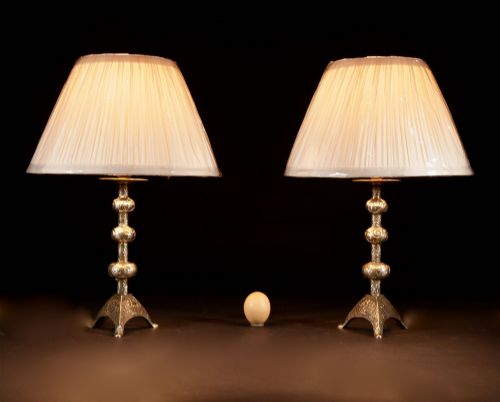
These decorative bedside lamps bring historical forms and rich materials to the bedroom, offering warm, characterful illumination for a room.
Decorative Bedside Lamps
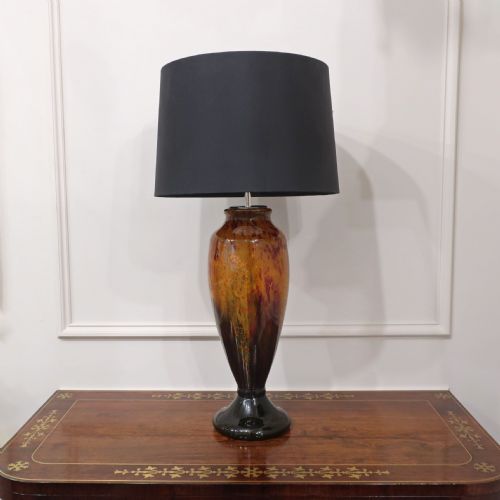
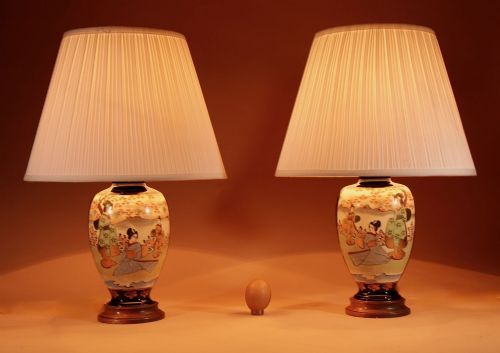
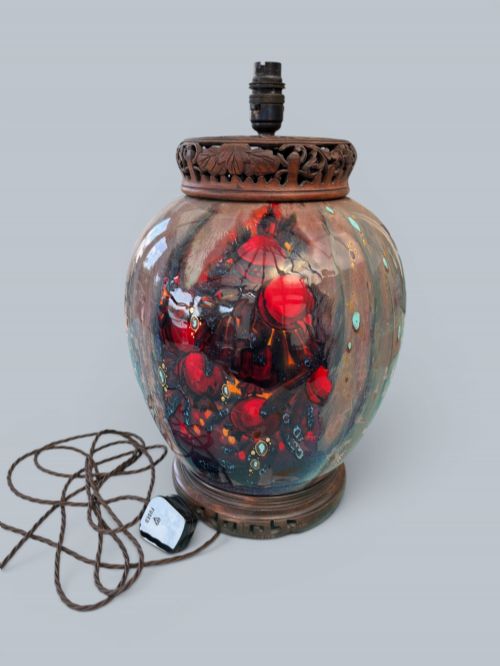
Decorative bedside lamps encompass a diverse range of converted vessels, classical columns, and figurative lighting spanning from the nineteenth century into the mid-twentieth century. When exploring decorative bedside lamps, buyers frequently encounter pairs of converted porcelain vases, heavy brass columns, and distinctive glass forms.
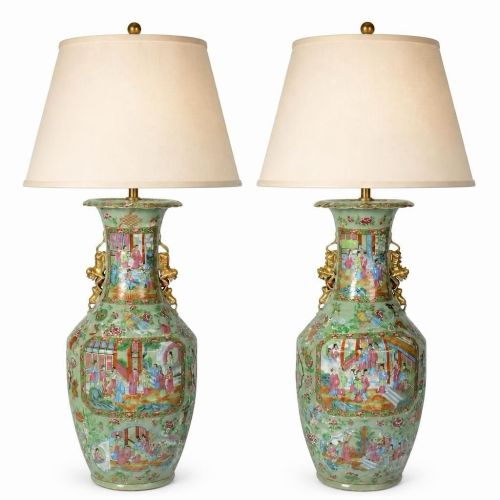
The selection ranges from Victorian brass and glass pairings to restrained Art Deco glass and robust pottery from makers such as Moorcroft and Royal Worcester. French Neoclassical and Louis XVI styles appear alongside Japanese Satsuma and Chinese export vases adapted for electricity.
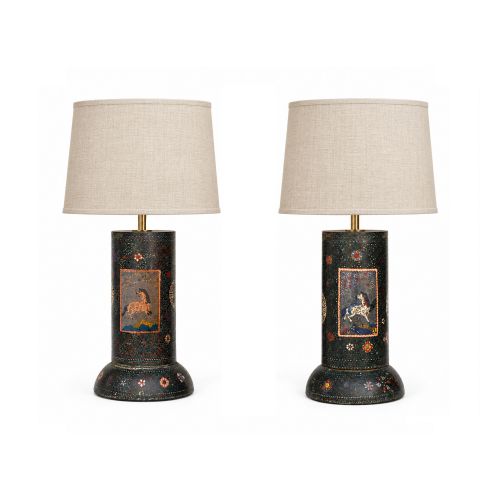
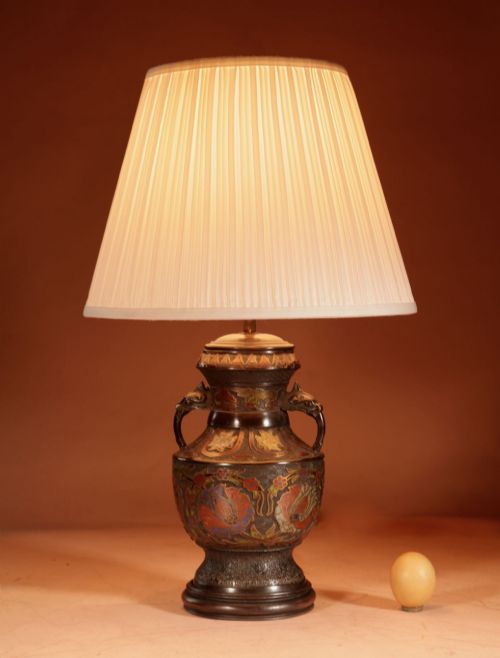
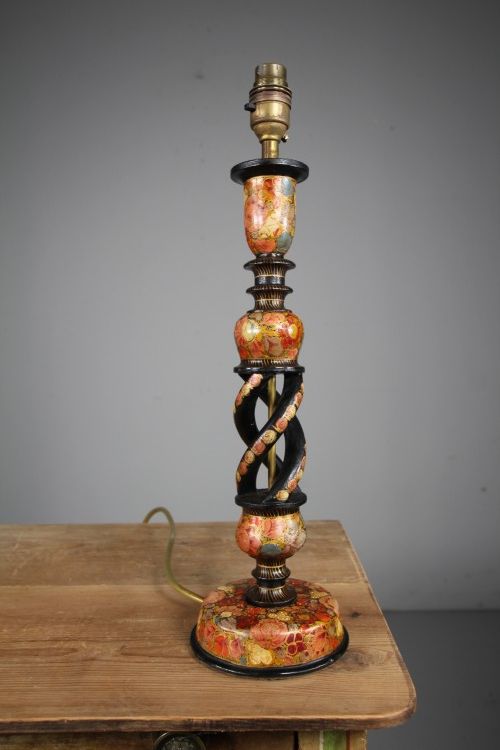
Makers and manufacturers utilised varied global traditions, incorporating Kashmiri painted woodwork, Chinoiserie motifs, and French ormolu mounts. These pieces transform historical decorative objects into functional lighting suitable for modern interiors.
What varies in quality
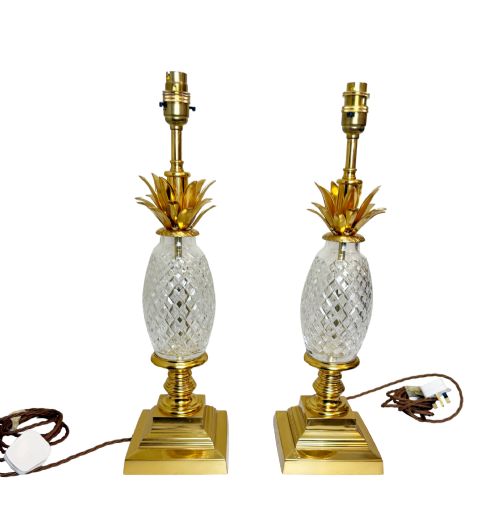
Quality rests upon the crispness of the casting in metal mounts and ormolu, where finely chased details distinguish superior French and English work from simpler commercial productions. The weight and clarity of cut crystal or moulded glass similarly dictate the refinement of the piece.
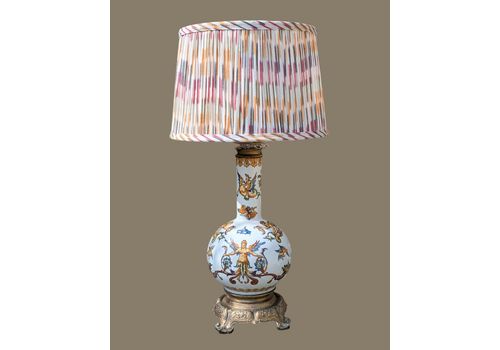
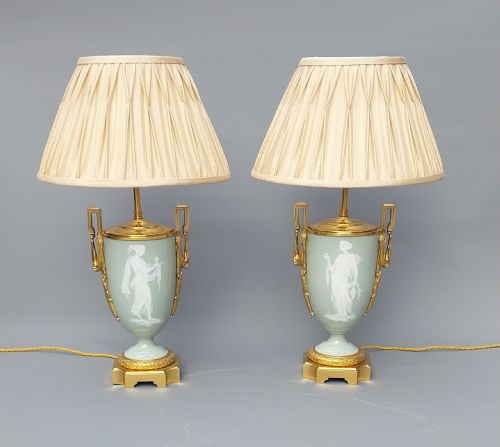
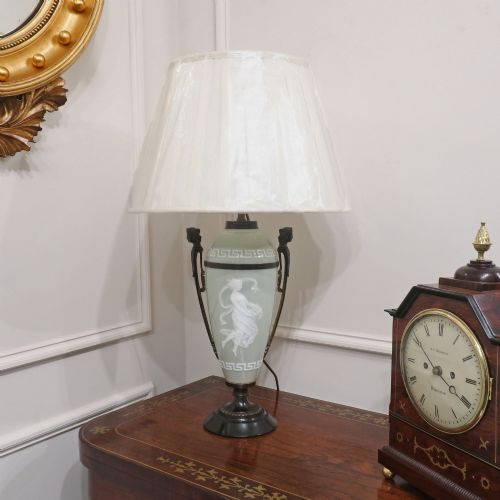
Hand-painted ceramics show variance in the precision of the enamel work, particularly in Satsuma, Famille Verte, and pate sur pate porcelain where brushwork expresses the artisan's skill. The integration of original components, such as matching burners or coordinated glass shades, elevates the integrity of the lamp.
The balance between the decorative base and the lighting hardware affects both stability and visual harmony. Superior examples maintain proportional elegance while securely housing electrical wiring within historical bodies.
Decorative Bedside Lamps Retail Price Guide 2026
Typical asking prices for decorative bedside lamps among the pieces listed under this phrase on Sellingantiques today, from the lower quarter to the upper quarter. They describe what is for sale here now, not the wider market.
At least one nineteenth-century tea canister has traded its leaves for copper wiring and a luminous second career as a bedside companion.
Charles Schneider·Moorcroft·Royal Worcester
The Decorative Bedside Lamps Glossary
- Ormolu
- Gilded bronze, typically cast and chased, used extensively for decorative mounts on nineteenth-century French furniture and lighting.
- Champlevé
- An enamelling technique where troughs are carved into a metal surface and filled with vitreous enamel before firing.
- Pate sur pate
- A porcelain manufacturing method where raised designs are built up in white relief paste upon a contrasting coloured body.
- Famille Rose
- A Chinese porcelain palette dominated by opaque pink enamel, widely exported and later adapted into European lamps.
- Spelter
- A zinc alloy used as a less costly alternative to bronze, frequently painted or bronzed to simulate heavier metal.
Decorative Bedside Lamps: Frequently Asked Questions
Are these lamps safe to use today?
Many older lamps have been rewired during their history to meet modern standards, though older cloth or rubber wiring should be inspected by a qualified electrician before daily use.
Adding contemporary bulb holders or modern safety components preserves the historical body while ensuring safe domestic operation.
How do I match antique lamps to a bedroom?
Consider the scale of the bedside table alongside the height of the lamp to ensure adequate reading illumination and balanced proportions.
Pairing contrasting materials, such as placing a brass column on a wooden table, adds texture and visual depth to a room.
Can I replace the lampshades?
Replacement shades allow you to soften the light output or update the colour scheme while keeping the antique base intact.
Look for fixings that match the original gallery or shade carrier to ensure secure fitting without damaging historical metalwork.
How do I distinguish between periods?
Nineteenth-century examples often feature heavy cast brass, hand-painted porcelain, or converted oil lamp fittings with distinct patination.
Twentieth-century pieces from the Art Deco era tend to introduce simplified geometric forms, mottled glass, and bolder, stylised motifs.