



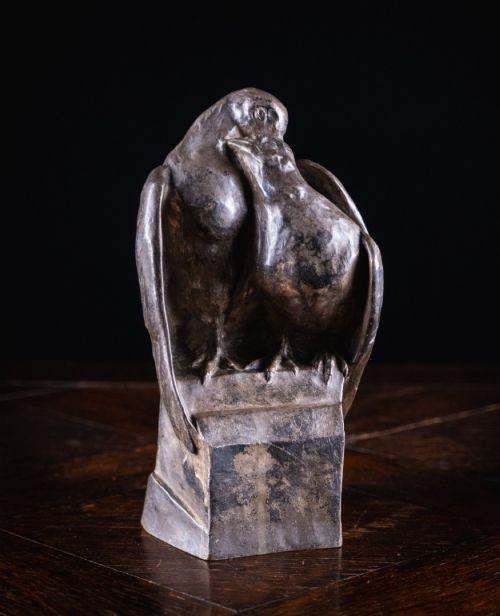
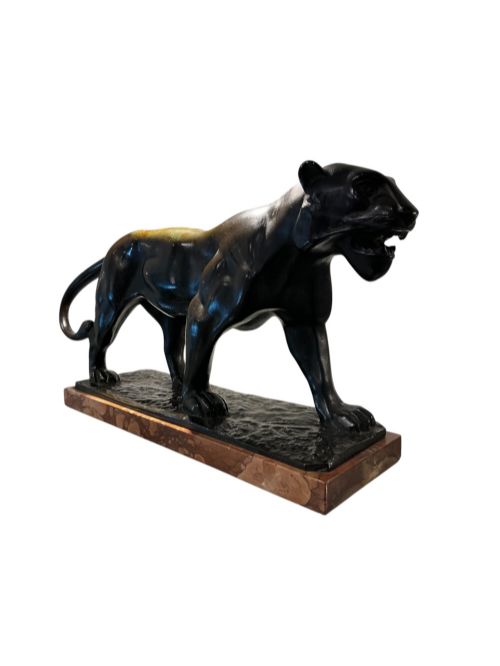
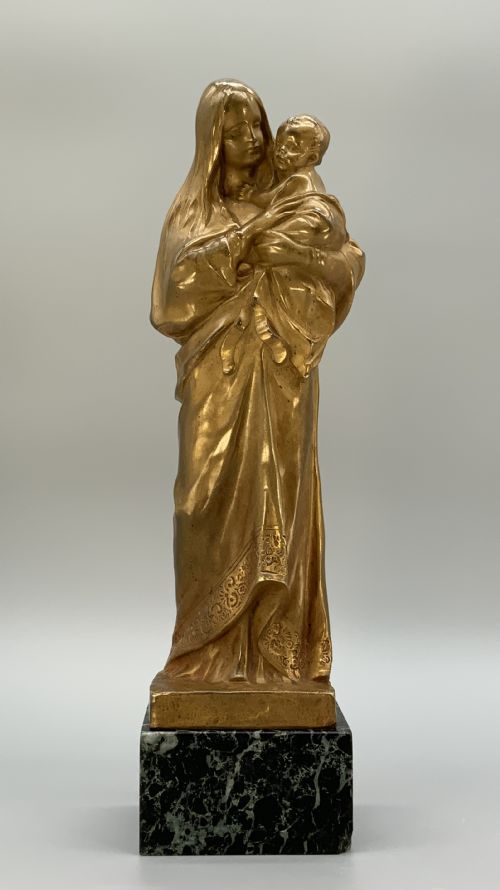
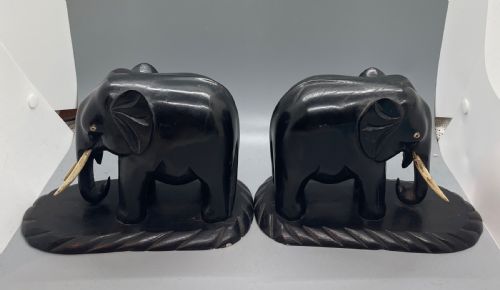
Decorative Art Statue
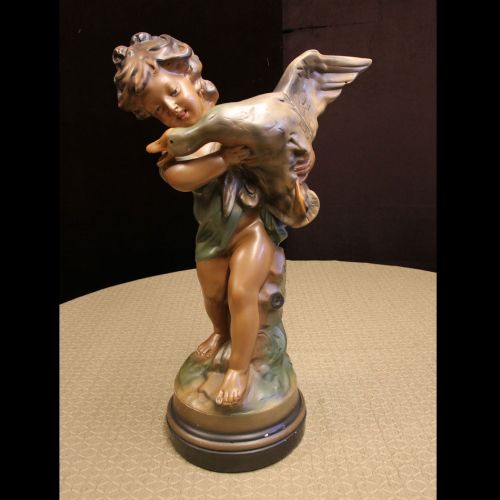
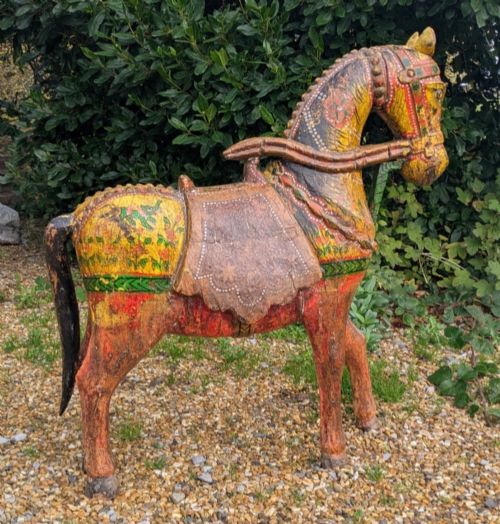
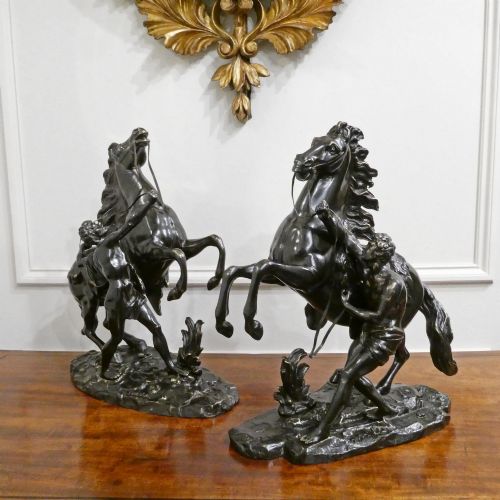
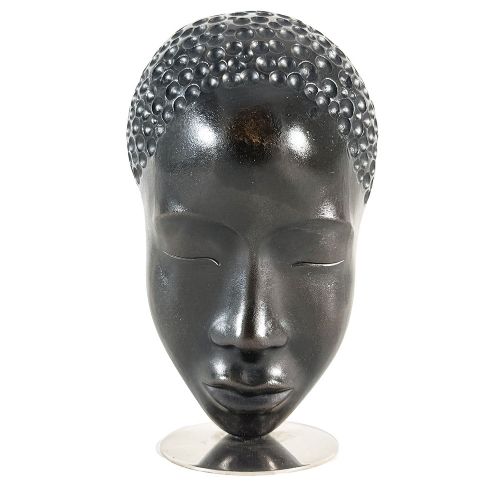
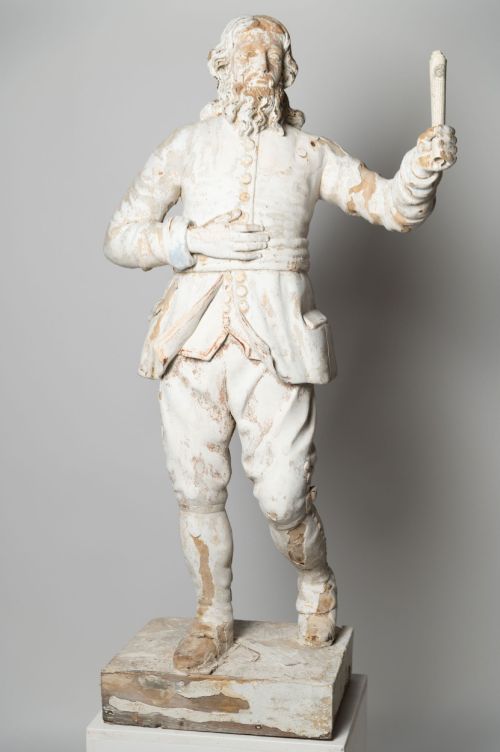
When you search for a decorative art statue, you enter a diverse field of figures, busts, and bookends spanning multiple decades and continents.
Decorative Art Statue
The objects originate from diverse traditions, including European foundries, Japanese studios, and African workshops. Pieces span the Victorian era, Art Nouveau, Arts and Crafts, and Art Deco movements, reflecting the shifting tastes of collectors over more than a century.
How they were made
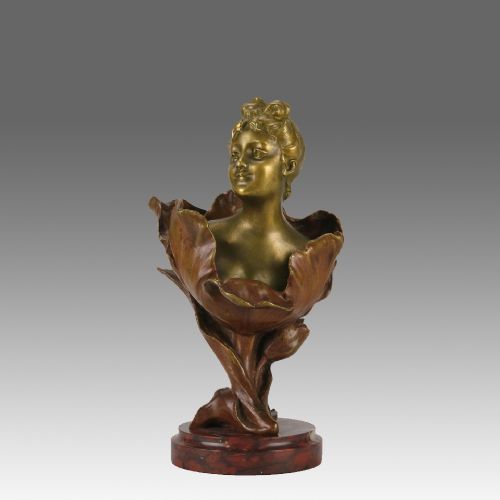
Metals such as bronze, silvered bronze, and gilt bronze often combine with carved marble bases, particularly in twentieth-century figures. Artisans utilised casting techniques for metal sculptures while retaining patination and cold-painted finishes.
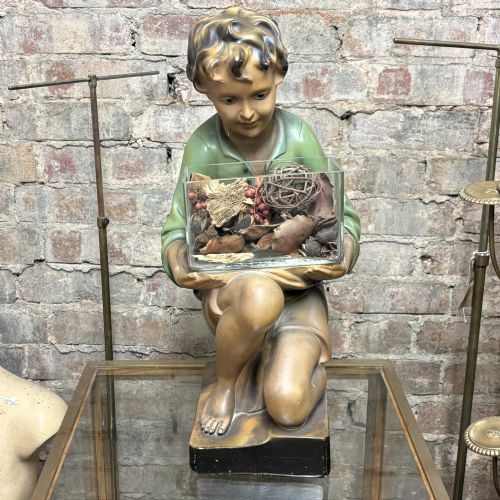
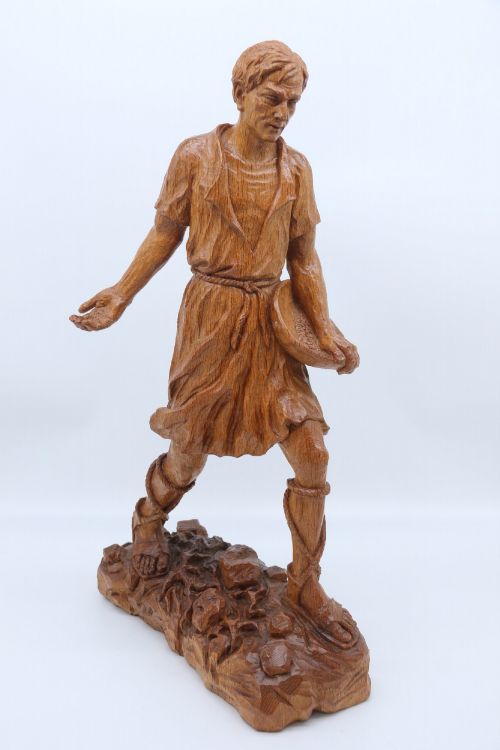
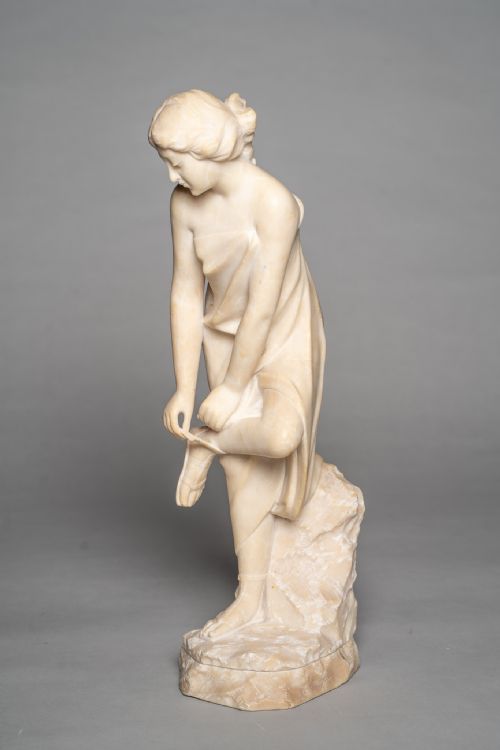
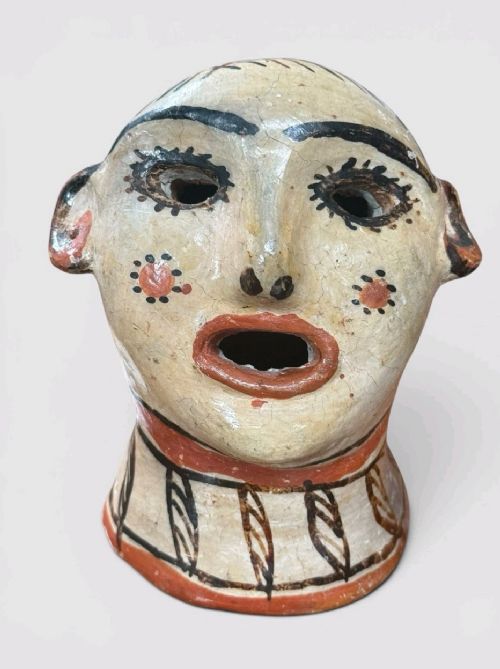
Carved pieces rely on traditional materials like cedar, oak, limewood, and alabaster, shaped directly by hand. Ceramic, terracotta, and porcelain figures involve moulding, glazing, and hand-painting by pottery workshops.
Decorative Art Statue Retail Price Guide 2026
Typical asking prices for decorative art statue among the pieces listed under this phrase on Sellingantiques today, from the lower quarter to the upper quarter. They describe what is for sale here now, not the wider market.
A nineteenth-century French sailor utilised gathered seashells to construct a curious figurine.
What varies in quality
The sharpness of surface detail and the fidelity of the casting separate standard figures from finer works. Master founders and carvers achieved crisp facial expressions, delicate drapery, and balanced proportions.
The choice and execution of materials influence the overall standard, such as dense natural marble bases paired with cast metal, or intricate hand-painted polychrome finishes on ceramics and wood.
Hagenauer·Maurice Giraud-Rivière·Bruno Zach·Hans Müller·Henri Godet·A.Gamay·Demetre Chiparus·Goldscheider·Fabergé·Haruyama Shunzan·Compton Potters Art Guild·Josef Lorenzl·Royal Dux·Alexandre Kelety
The Decorative Art Statue Glossary
- Patina
- The surface sheen or colour achieved through age, wear, or chemical treatment applied to metal and wood. This layer develops naturally over decades or is deliberately applied by the artist during creation.
- Okimono
- A Japanese ornamental carving or statue designed for display in a household setting. These decorative pieces often depict figures, animals, or subjects from folklore.
- Bookends
- A matched pair of heavy sculptures used to support upright rows of books on a shelf. They frequently adopt architectural, animal, or human forms suited to the period style.
- Terracotta
- Fired unglazed clay possessing a reddish-brown earthy tone. Sculptors shape this material before firing to create durable figures and busts.
Decorative Art Statue: Frequently Asked Questions
What is a decorative art statue?
A decorative art statue is a sculptural object created primarily for aesthetic display rather than religious or utilitarian use. These pieces include standalone figures, busts, and functional items like bookends.
They draw on distinct aesthetic movements, ranging from nineteenth-century realism and folk traditions to the stylised geometric forms of Art Deco.
How do I identify Art Deco statues?
Art Deco statues typically feature stylised human figures, dancers, and animals with streamlined silhouettes and dynamic poses. They frequently combine patinated or silvered bronze with contrasting marble bases.
Materials like ceramic and alabaster also appear, often reflecting the modern design sensibilities of the nineteen-twenties and nineteen-thirties.
Where were these statues made?
These statues originate from workshops and foundries across Europe, Asia, and other regions. European pieces often hail from French, Austrian, and German studios.
Other examples include traditional Japanese wood and ivory carvings, as well as terracotta and stone figures from diverse global folk traditions.
How do I care for wooden and bronze sculptures?
Wooden sculptures require stable indoor humidity away from direct sunlight and heat sources to prevent cracking. Dust them gently with a dry, soft cloth without applying liquid polishes.
Bronze figures benefit from occasional light dusting and maintaining a stable environment to preserve the original metal patina.