



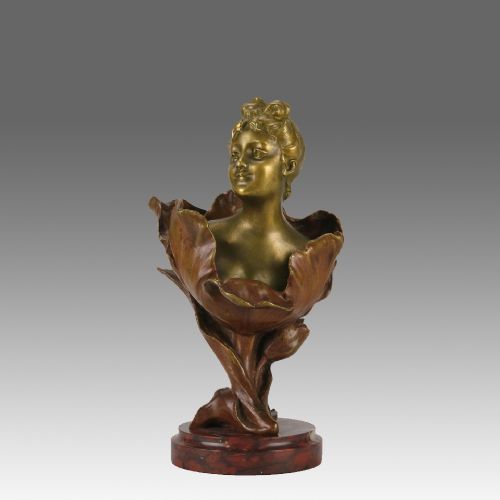

Decorative Art Sculpture
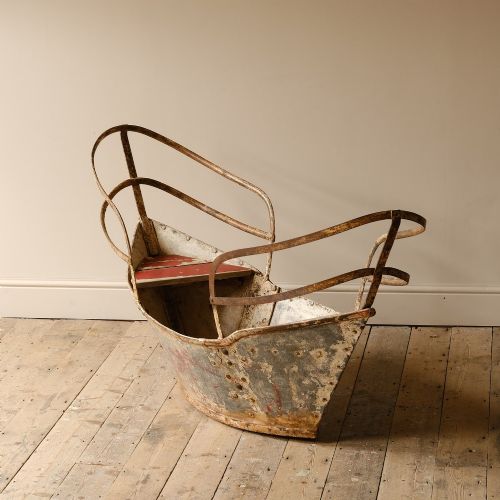
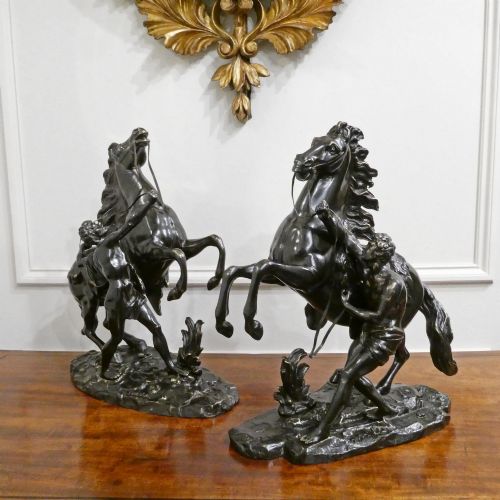
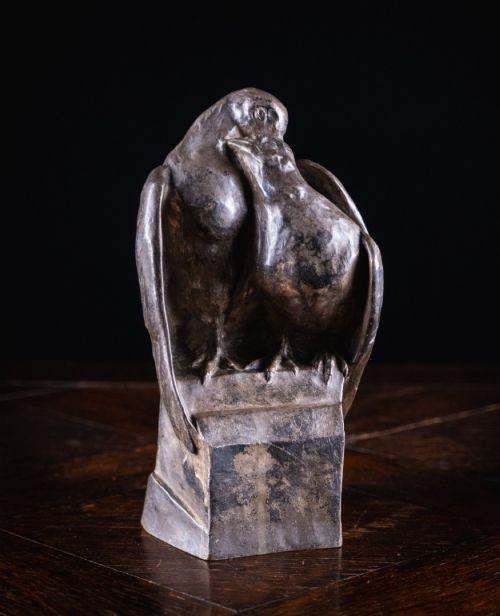
These decorative art sculpture pieces bring nineteenth and twentieth century figures, animals, and architectural forms into your interior.
Decorative Art Sculpture
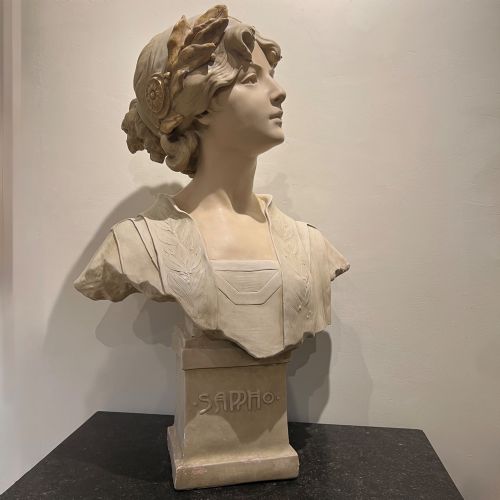
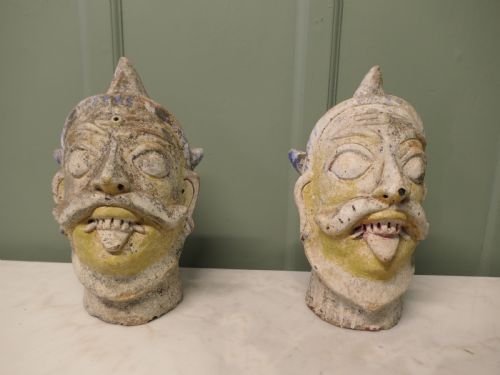
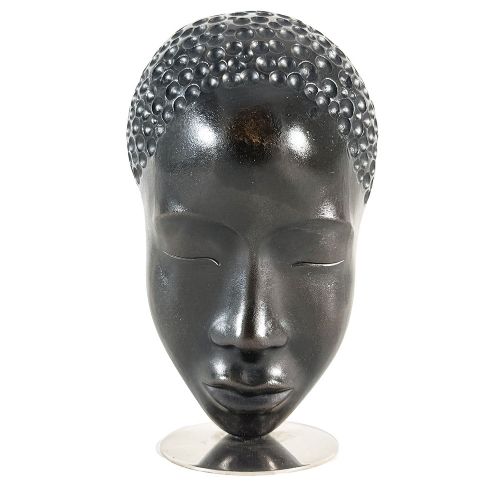
When you search for decorative art sculpture, you encounter a diverse gathering of objects ranging from nineteenth century folk carvings to twentieth century modernist figures. The selection includes bronze dancers, carved wooden animals, alabaster busts, and ceramic figures created across Europe, Asia, and beyond.
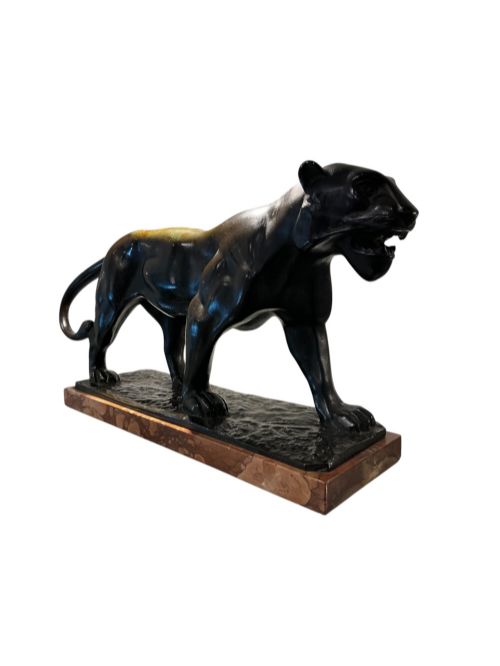
You are most likely to meet twentieth century Art Deco bronzes on marble bases alongside nineteenth century wooden carvings and Japanese okimono. These pieces function as standalone focal points on pedestals, mantels, and tables.
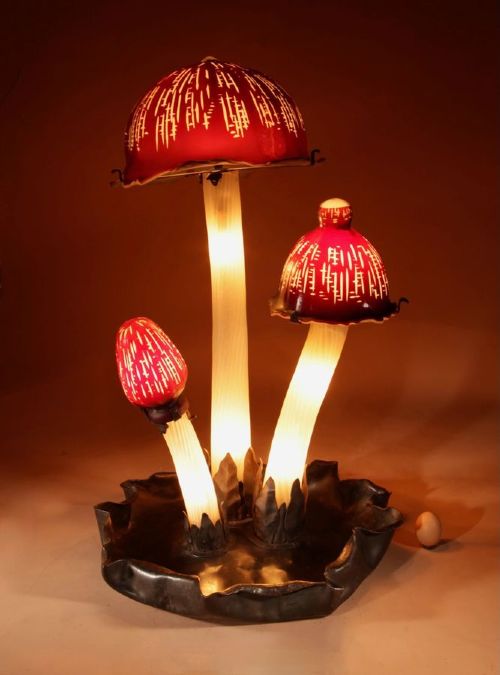
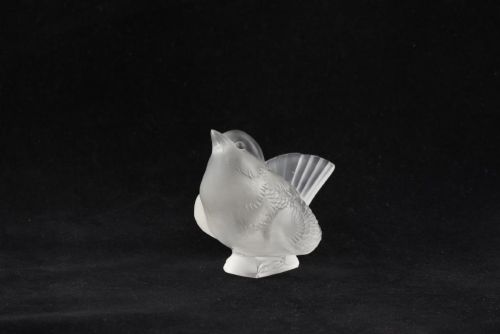
The materials span cast bronze, carved cedar, terracotta, alabaster, and glass, reflecting the wide creative output of makers working through the Victorian, Art Nouveau, and Art Deco periods.
Materials and methods
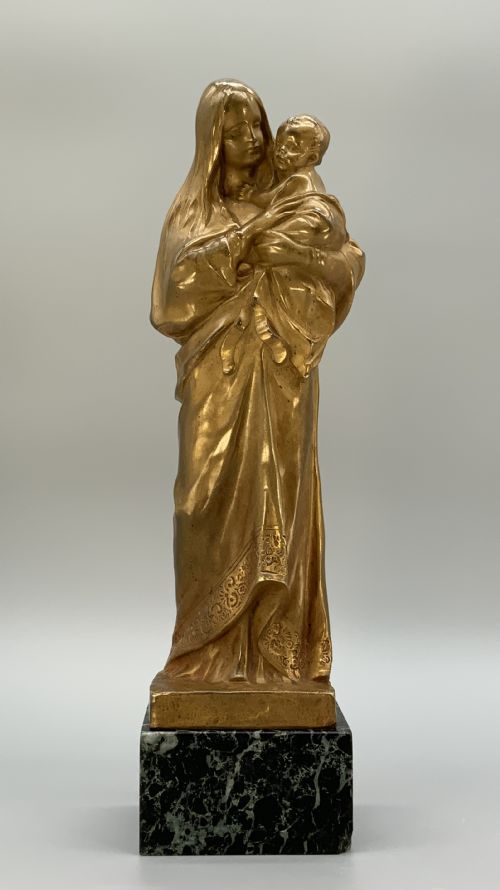
Foundry casting brought forth patinated and silvered bronzes, often mounted upon heavy marble bases to provide stability and visual contrast. Makers utilised lost-wax casting methods to achieve fine detail in figures such as dancers and animals.
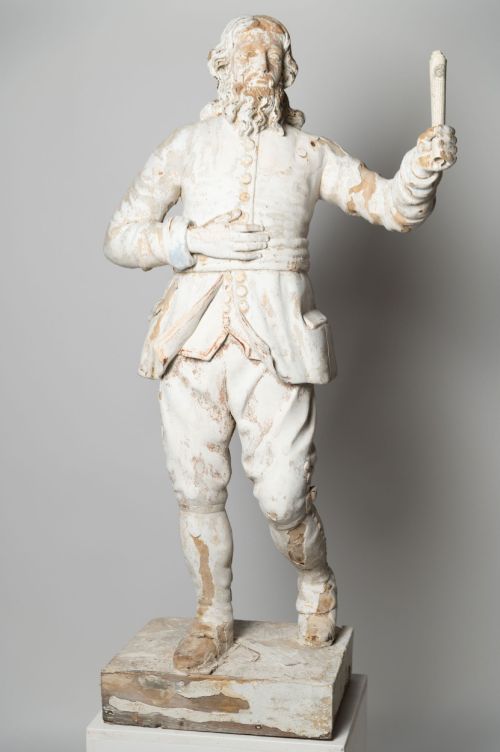
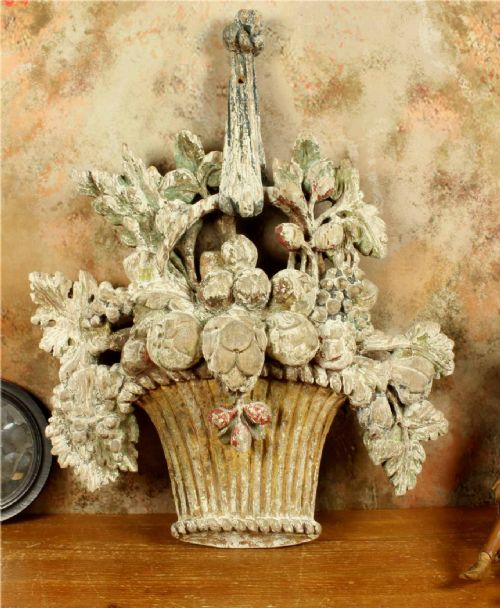
Carving traditions relied on skilled hand work using woods like cedar, yew, and oak, alongside alabaster and stone. Artisans shaped these natural materials with chisels and knives to produce expressive surface textures and distinct regional folk art forms.
Decorative Art Sculpture Retail Price Guide 2026
Typical asking prices for decorative art sculpture among the pieces listed under this phrase on Sellingantiques today, from the lower quarter to the upper quarter. They describe what is for sale here now, not the wider market.
Listings span the nineteenth century through the nineteen-forties, uniting bronze, marble, wood, and terracotta across multiple global traditions.
Distinctions in quality
The refinement of the casting and the crispness of the hand chiselling separate the finer works from standard production pieces. Superior bronzes retain subtle nuances in facial expression and drapery, whereas lesser examples lose definition in the finishing stages.
The choice of base materials, such as contrasting marbles or fine hardwoods, alters the overall presence of the sculpture. Master sculptors and established foundries achieved a harmonious weight and proportion that lesser workshops failed to replicate.
Hagenauer·Maurice Giraud-Rivière·Bruno Zach·Hans Müller·Rene Lalique·Henri Godet·Demetre Chiparus·Goldscheider·Fabergé·Charles Korschann
The Decorative Art Sculpture Glossary
- Patina
- The surface sheen or coloration developed by age or chemical treatment on metals and wood. It indicates the natural ageing process of the material.
- Okimono
- A Japanese ornamental carving intended for display in a domestic interior. These small figures typically depict deities, animals, or daily scenes.
- Lost-wax casting
- A metalworking method where a molten metal is poured into a mould that has been created by means of a wax model. This technique allows for intricate sculptural detail.
Decorative Art Sculpture: Frequently Asked Questions
Where should I place a bronze sculpture?
Place your bronze sculpture on a sturdy surface such as a wooden sideboard, a mantelpiece, or a dedicated pedestal where it receives adequate ambient light. Ensure the location remains away from excessive moisture and direct heat sources to preserve the patina.
Heavier pieces require solid furniture that safely supports their weight, while smaller figurines sit comfortably within display cabinets or on desks.
How do I clean carved wooden sculptures?
Dust carved wooden sculptures regularly using a soft, dry lint-free cloth to prevent dirt accumulation in the crevices. Avoid using water, chemical sprays, or harsh polish, as these substances damage the historic finish.
Maintain a stable indoor humidity level to protect the wood from expanding or contracting, which prevents splitting over time.
What is an Art Deco bronze?
An Art Deco bronze is a sculptural piece created during the interwar period, typically featuring stylised human figures, animals, or dancers with clean geometric lines. These works frequently combine patinated or silvered bronze with contrasting marble or onyx bases.
They reflect the modernity and glamour of the nineteen-twenties and nineteen-thirties design movements.
How do I identify alabaster figures?
Alabaster figures feature a smooth, slightly translucent surface that often allows light to pass through thin sections of the stone. The material feels cool to the touch and presents subtle natural veining.
Because alabaster is relatively soft compared to marble, these sculptures require careful handling to avoid surface scratches and abrasions.