

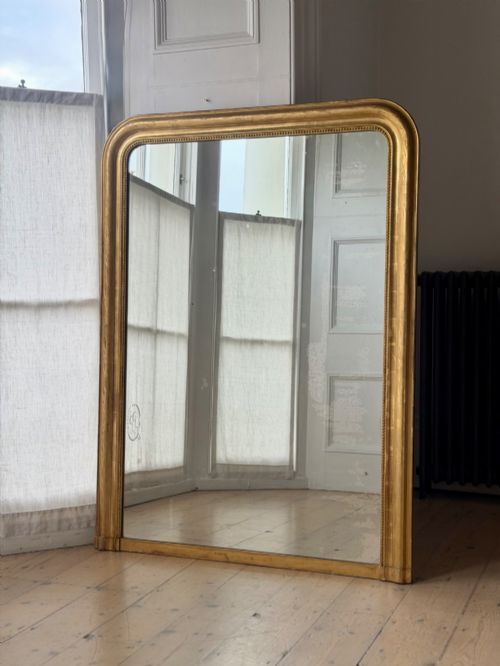
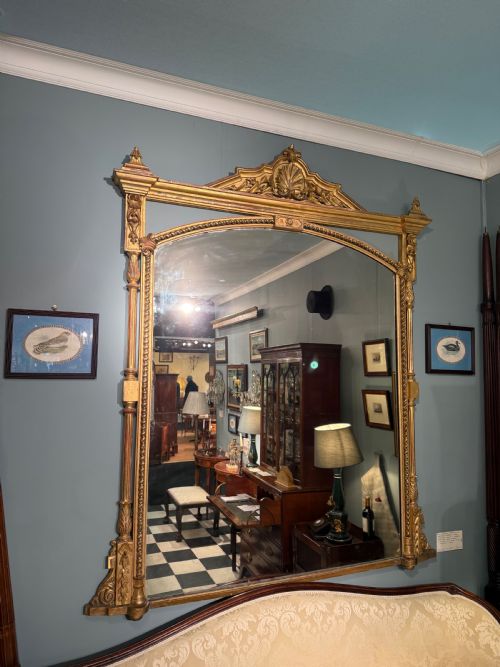
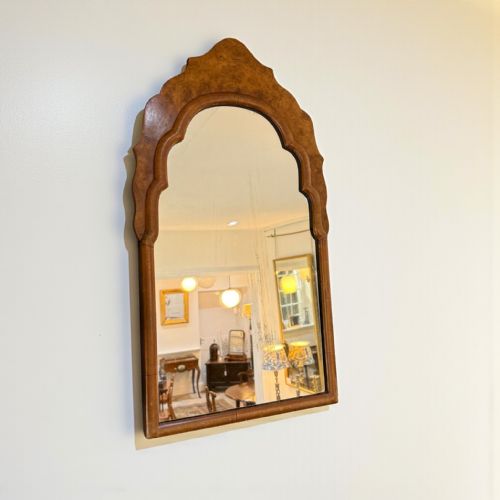
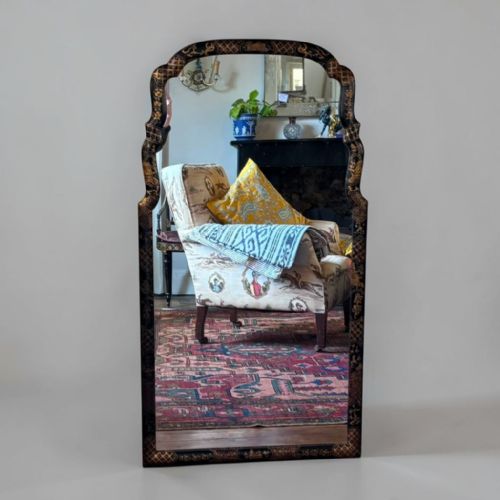
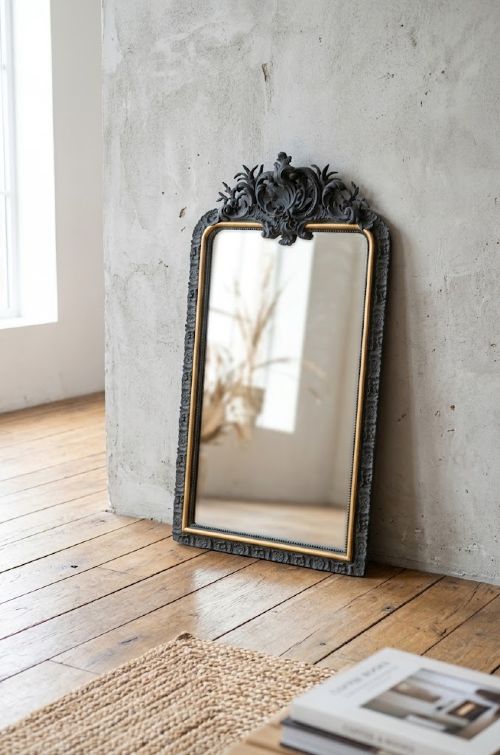
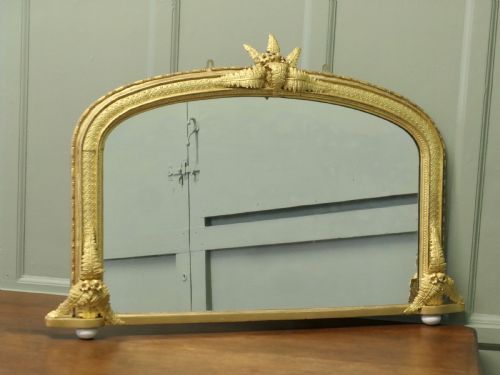
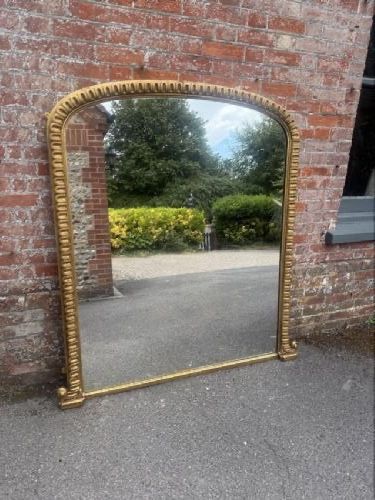
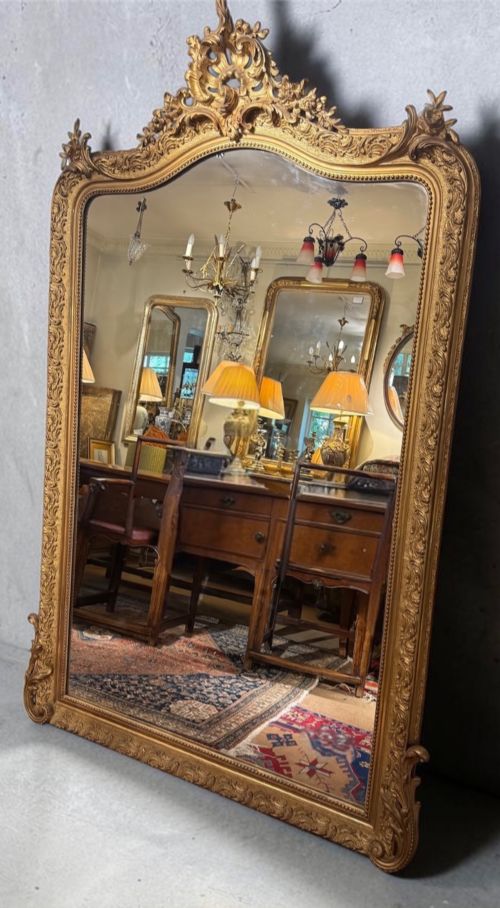

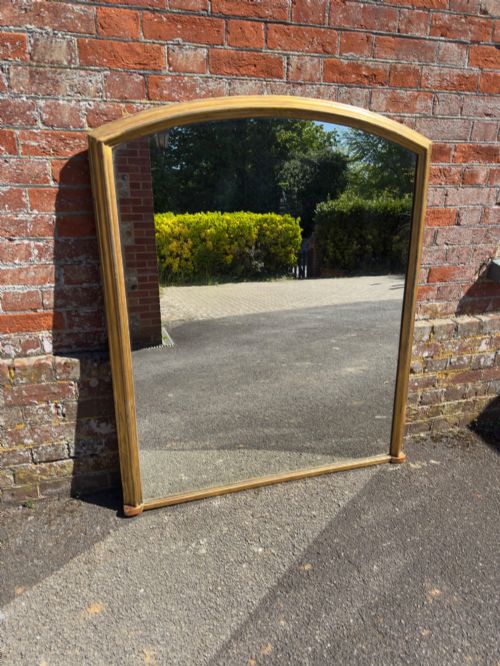

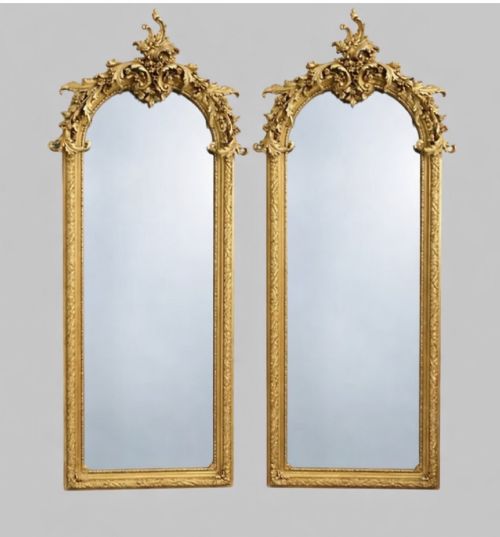
Decorative Arch Mirror
These decorative arch mirror pieces bring dramatic height and reflected light to a room, drawing the eye upwards with their curved tops.
Decorative Arch Mirror
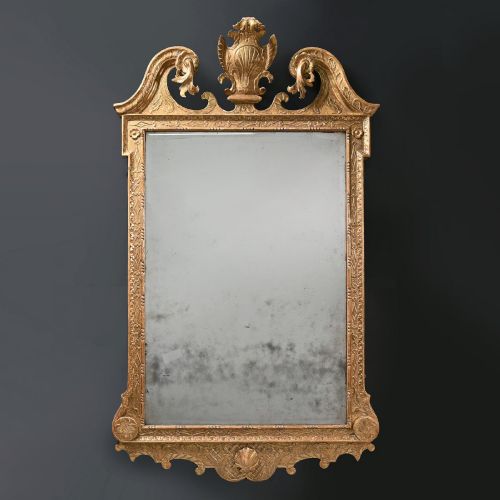
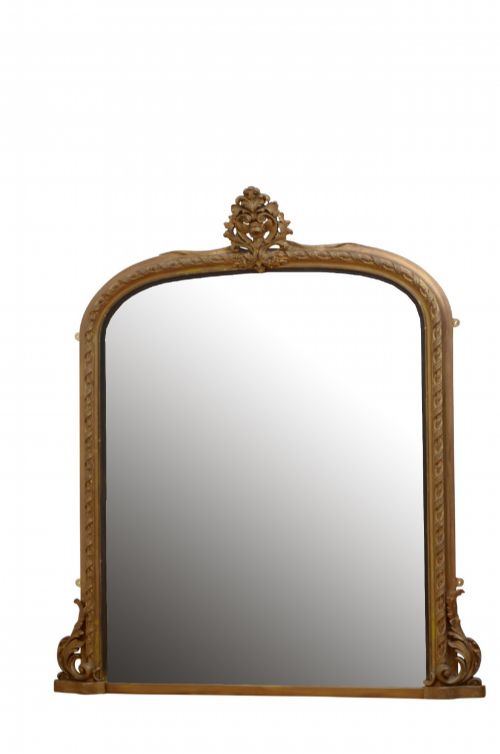
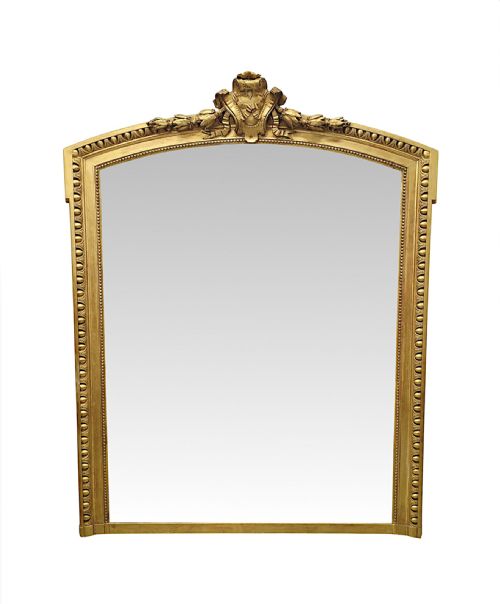
A decorative arch mirror functions primarily as a wall hanging or a commanding overmantel piece above a fireplace. The pieces appearing here span from the 19th Century and the Victorian era through to Edwardian and 1930s examples.
Most commonly, buyers encounter large English and French overmantel mirrors featuring arched or shaped tops. These forms were designed to sit low on a mantelpiece and follow the architectural line of a chimney breast.
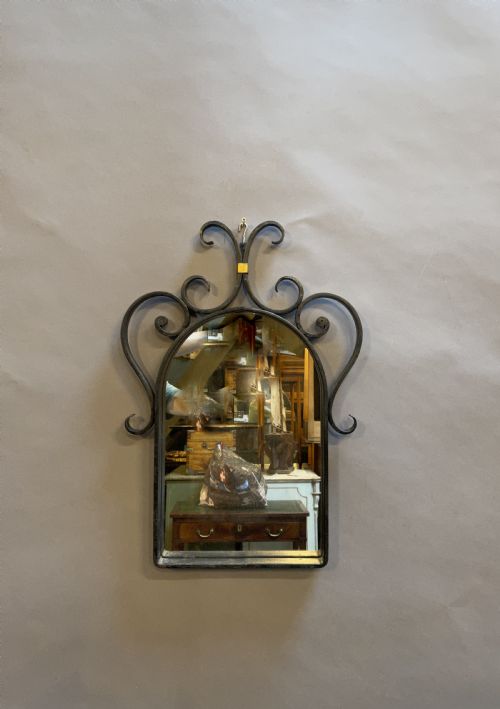
Alongside standard gilt wall mirrors, the selection includes pier mirrors, smaller Chinoiserie hanging frames, and specific regional revivals like Gothic or French Rococo styles. Each format serves a distinct architectural purpose within a traditional interior scheme.
Judging Quality
Quality rests in the crispness of the hand-carved wooden details and the depth of the gesso modelling on the frame. Finer pieces display sharply defined scrolls, shell motifs, and cartouches rather than soft, mass-produced cast plaster.
The integrity of the reflective glass plate also determines the grade of the mirror, with original mercury or heavily bevelled plates adding historical depth. Furthermore, the cohesion between the original gilding or paint layer and its underlying wooden substrate dictates the piece's overall preservation.
Decorative Arch Mirror Retail Price Guide 2026
Typical asking prices for decorative arch mirror among the pieces listed under this phrase on Sellingantiques today, from the lower quarter to the upper quarter. They describe what is for sale here now, not the wider market.
Listings span multiple materials including giltwood, gesso, carved wood, and painted finishes across the 19th and early 20th centuries.
The Decorative Arch Mirror Glossary
- Gesso
- A plaster-like mixture applied to wooden frame bases and carved or moulded into intricate decorative relief before gilding. This technique allows for sharp, ornate scrollwork and floral motifs.
- Mercury glass
- An early type of double-walled glass blown with a silvering mixture trapped between the layers, creating a mottled, atmospheric reflection. It is commonly found on 19th century French examples.
- Pier mirror
- A tall, narrow mirror designed to be hung on the strip of wall between two windows, often placed above a matching pier table. They maximise natural light in period reception rooms.
- Eglomise
- A technique where gold or silver leaf is applied to the rear of glass and then etched or painted from the front. This produces a decorative border or panel with a deep, lustrous metallic sheen.
Decorative Arch Mirror: Frequently Asked Questions
How do I hang a heavy overmantel mirror?
These substantial frames require professional wall fixings secured directly into the masonry or heavy studwork rather than standard plasterboard hooks. Given their weight, the hanging wire or brackets on the rear must be inspected to ensure they can bear the load safely.
Position the mirror at a height that allows it to reflect light effectively across the room while maintaining a balanced relationship with the furniture below it.
Are original mirror plates always wavy?
Older manufacturing methods meant that glass production resulted in subtle distortions and minor surface imperfections rather than the flawless, flat reflections of modern float glass. These gentle waves and tiny bubbles are characteristic of period glass and confirm its age.
Buyers should expect some natural ageing, foxing, or speckling within the silvering of antique glass plates, which adds to their decorative character.
How do I tell Victorian from Edwardian mirrors?
Victorian mirrors tend to feature heavier, highly ornate frames with deep gesso moulding, rich gilt finishes, and prominent architectural scrolls or shell motifs. They are built for formal, grandly proportioned reception rooms.
Edwardian pieces often display lighter woods such as walnut, alongside simpler, more restrained decorative lines that reflect changing domestic tastes at the turn of the century.