


Decorative Desk Lights
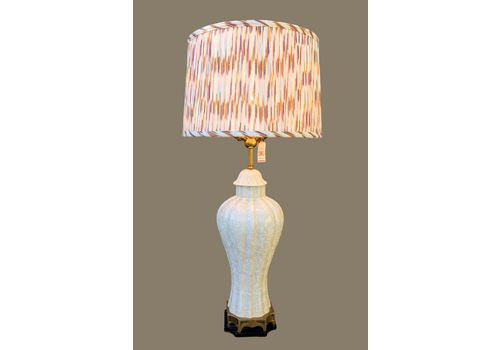
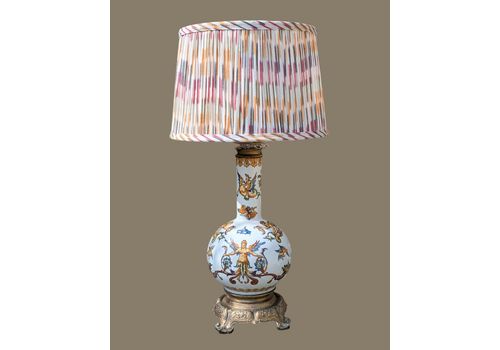
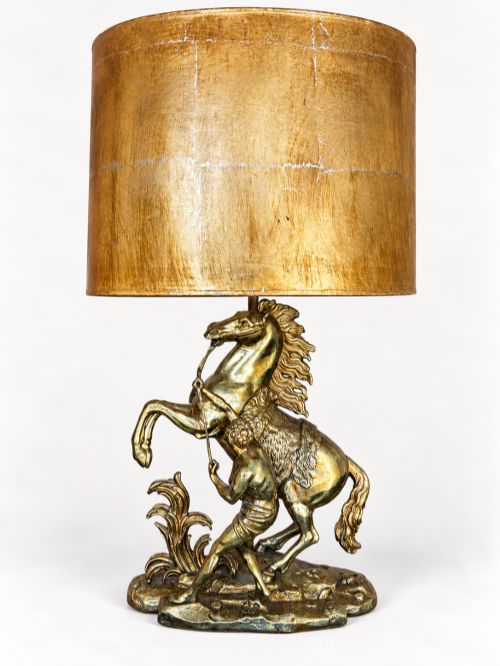
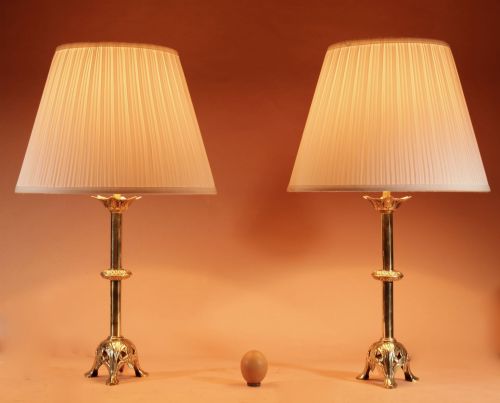
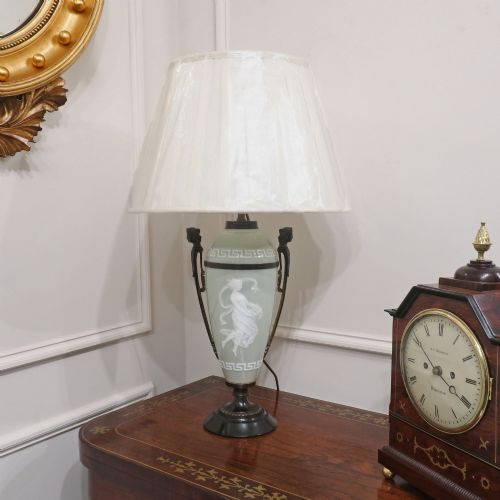
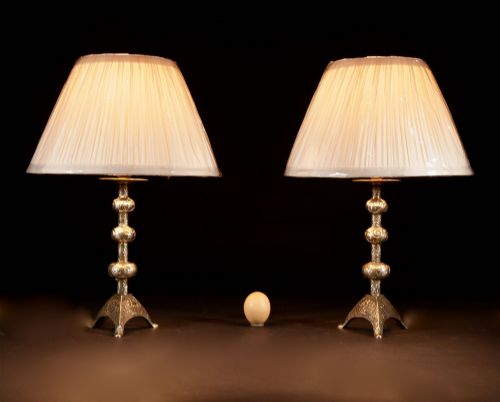
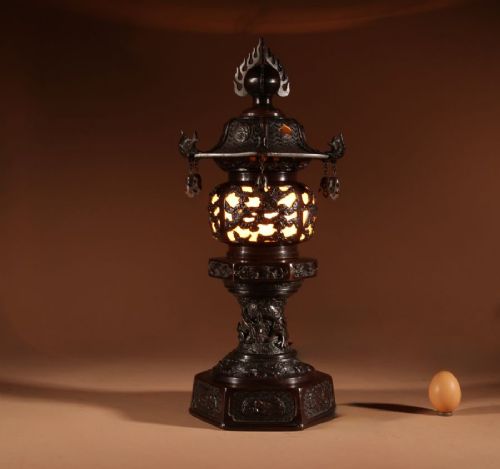
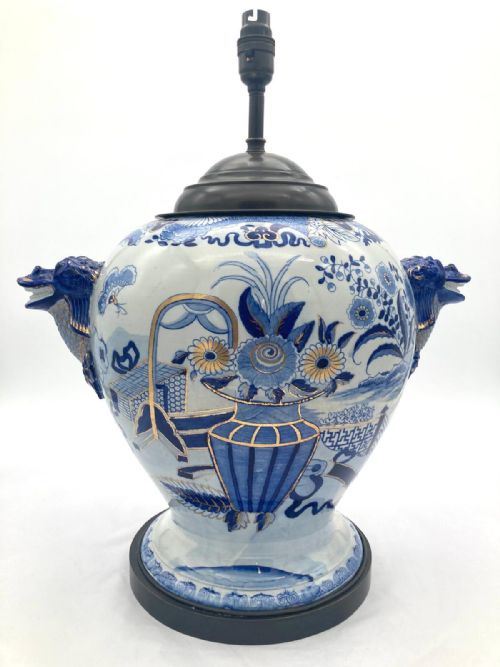
These decorative antique desk lights bring together cast brass, hand-painted porcelain and rich bronze to illuminate a workspace with period character.
Decorative Desk Lights
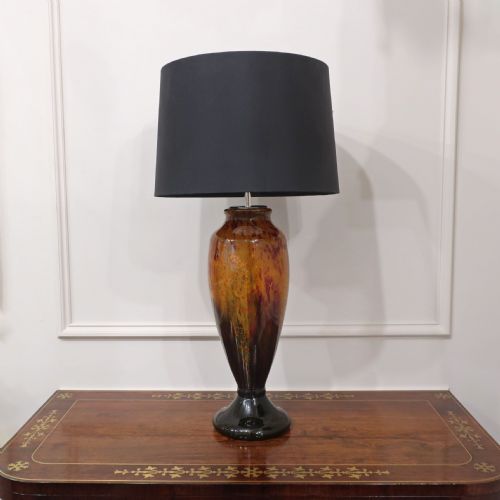
When searching for decorative antique desk lights, buyers encounter table lamps, converted oil lamps, candlesticks and lamp bases spanning the nineteenth and early twentieth centuries. These pieces reflect diverse aesthetics including Victorian, Art Deco, Art Nouveau and Neoclassical styles.
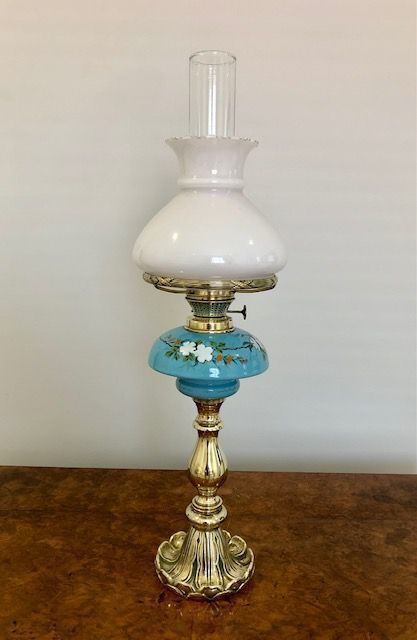
The most common examples on this page are brass column lamps and porcelain bases dating from the Victorian era and the nineteen-twenties, often adapted from earlier oil lamps or vases.
How they were made
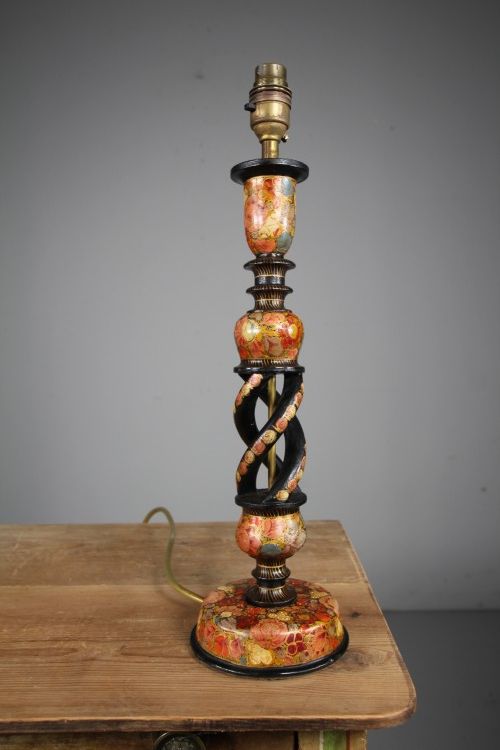
Maker workshops utilised cast brass and bronze alongside porcelain and cut crystal glass, shaping metal through foundry casting and turning. Many items combine gilt bronze mounts with hand-painted ceramic bodies or carved wood elements.
Lighting conversion work incorporates wiring routed through former oil fonts, tea canisters and ewers, pairing period metalwork with fabric shades.
Decorative Desk Lights Retail Price Guide 2026
Typical asking prices for decorative desk lights among the pieces listed under this phrase on Sellingantiques today, from the lower quarter to the upper quarter. They describe what is for sale here now, not the wider market.
Listings span the nineteenth and early twentieth centuries, recording materials from bronze and porcelain to fabric and marble across several distinct historical styles.
What varies in quality
The standard of a piece rests upon the crispness of the bronze or brass casting, the detail in hand-painted porcelain or champlevé enamel work, and the weight of the marble or metal base. Superior examples display refined chasing on ormolu mounts and intact original glass components.
Lower tiers include simpler turned brass columns or later conversions where the proportions between the base and the fitting feel less balanced.
Georges Leleu·WAS Benson·Emile Picault
The Decorative Desk Lights Glossary
- Ormolu
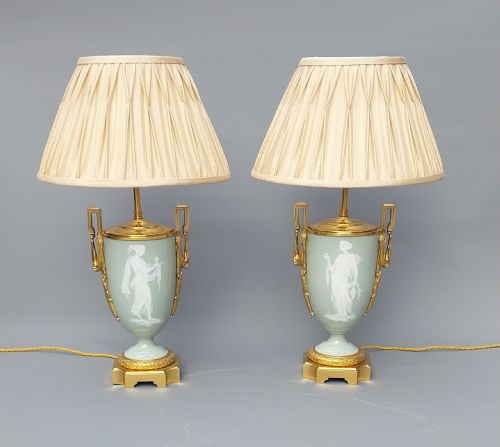
- Gilded bronze mounts applied to furniture and lighting. This technique involves coating a bronze base with a mercury and gold amalgam.
- Champlevé
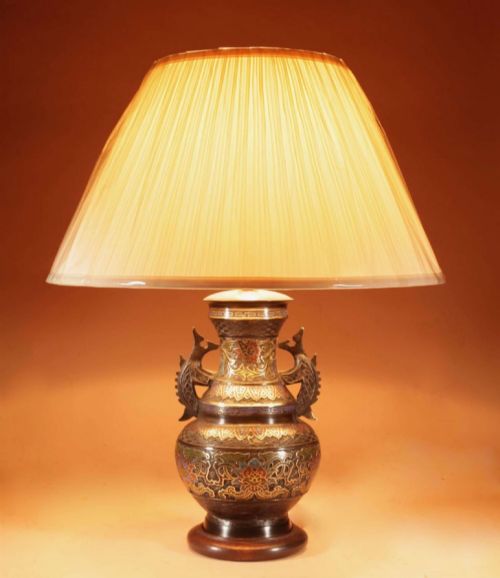
- An enamelling technique where troughs are dug into a metal surface and filled with vitreous enamel before firing.
- Pate sur pate
- A ceramic decorating method where white relief designs are built up layer by layer on a coloured porcelain body.
- Corinthian column
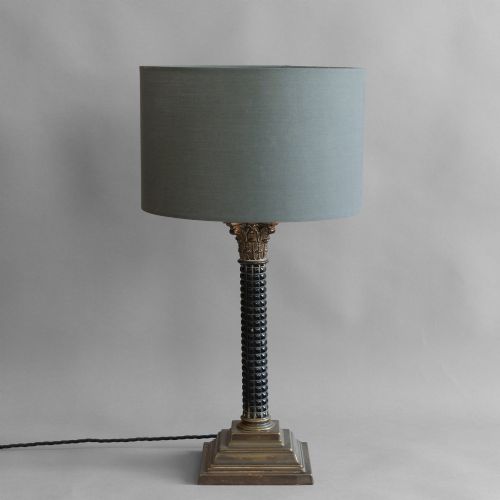
- A classical architectural column style featuring an ornate capital decorated with acanthus leaves, frequently used for brass lamp bases.
Decorative Desk Lights: Frequently Asked Questions
How do I date an antique brass lamp?
Dating relies upon examining the manufacturing methods of the metal base, such as cast brass construction details, switch types and wiring conduits. Victorian models often feature heavy weighted bases and threaded oil font collars.
Comparing the decorative style, whether Aesthetic movement, Neoclassical or early Art Deco, helps narrow the decade of production alongside any maker stamps.
Were these always electric lamps?
Many nineteenth-century examples began life as oil lamps, candlesticks, vases or tea canisters before undergoing later conversion to electricity. This adaptation involves running a flex through the original burner or body.
Converted pieces retain their original nineteenth-century patination while receiving updated internal wiring for modern domestic use.
How do I choose a shade for a vintage lamp?
Selecting a shade involves balancing the visual weight of the base, whether it is a monumental bronze figure or a slender brass column. Fabric shades complement porcelain and ceramic bodies, while etched glass shades suit traditional brass frames.
Proportion guides the choice, ensuring the diameter of the shade matches the height and width of the base below.
What materials are common in these lights?
The listings feature a high proportion of cast brass, bronze and ormolu, frequently paired with porcelain, cut crystal glass and fabric elements. Some pieces incorporate marble, wood or cloisonné enamel details.
Materials reflect the prevailing taste of the period, from ornate Victorian oil lamps to streamlined Art Deco cubism designs.