

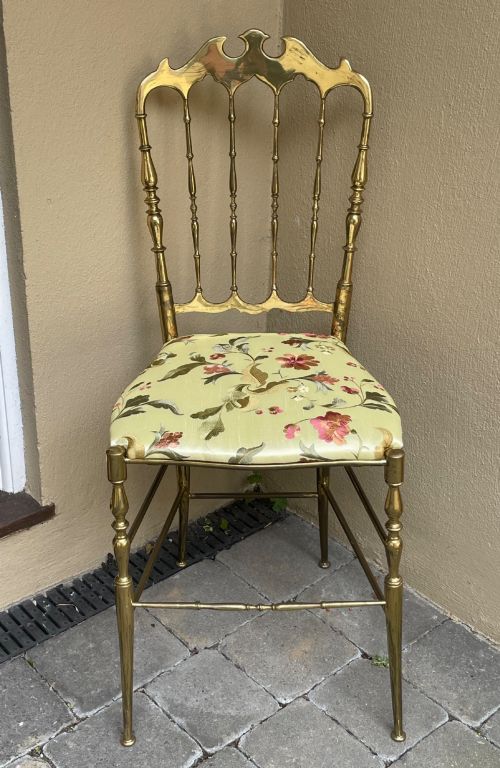


Decorative Accent Chair
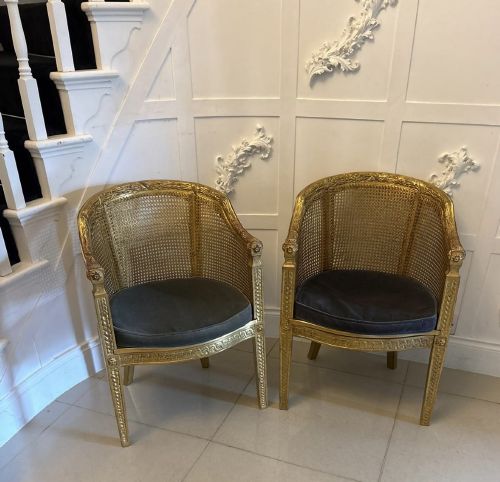
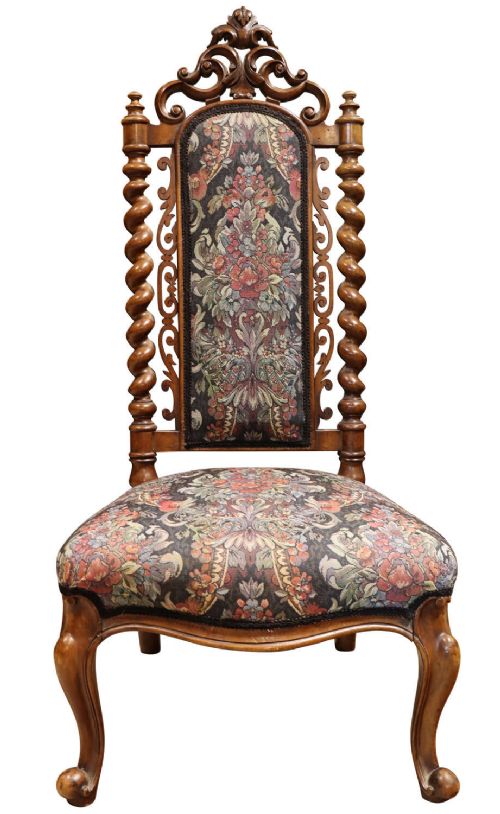
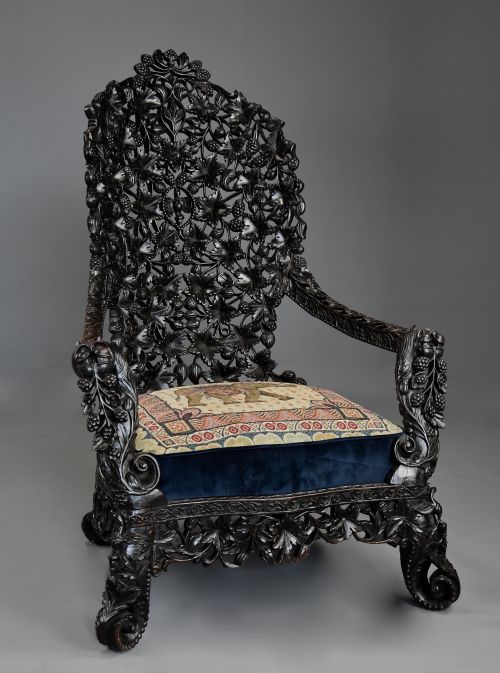
A decorative accent chair brings character and pattern to a corner, combining carved wood and upholstered textile.
Decorative Accent Chair
A decorative accent chair serves as a functional seat and a striking visual piece within a room. Buyers searching this phrase look for seating that carries distinct period detail, from Victorian low salon chairs to Edwardian inlaid mahogany designs.
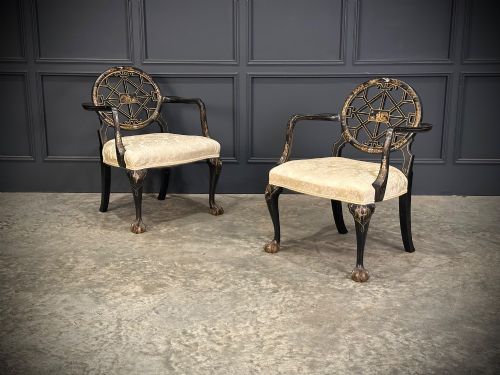
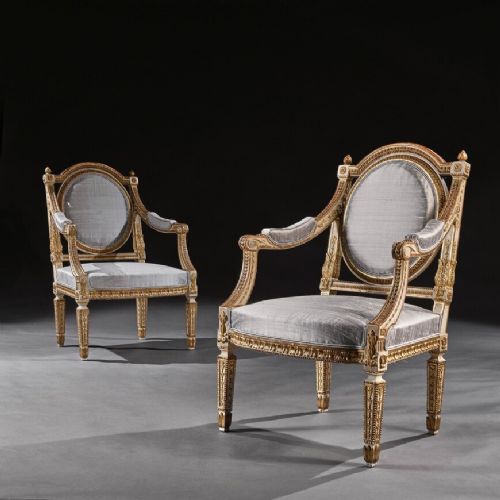
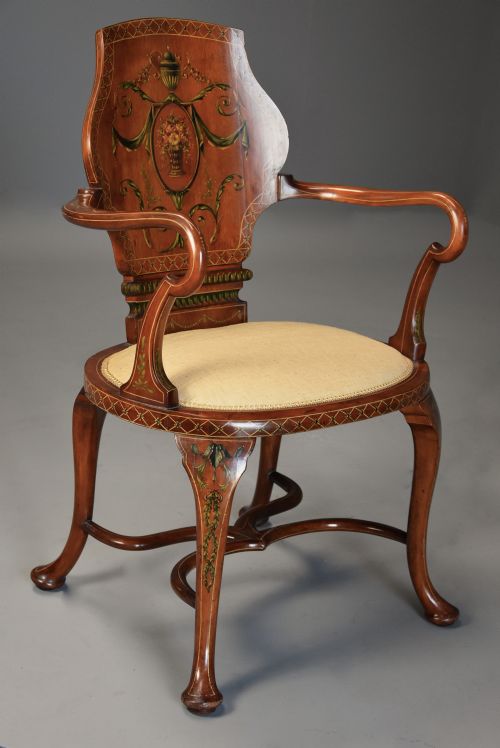
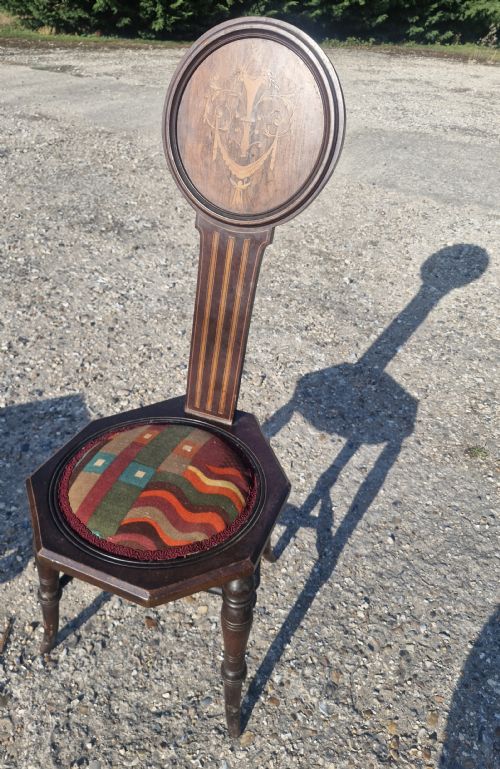
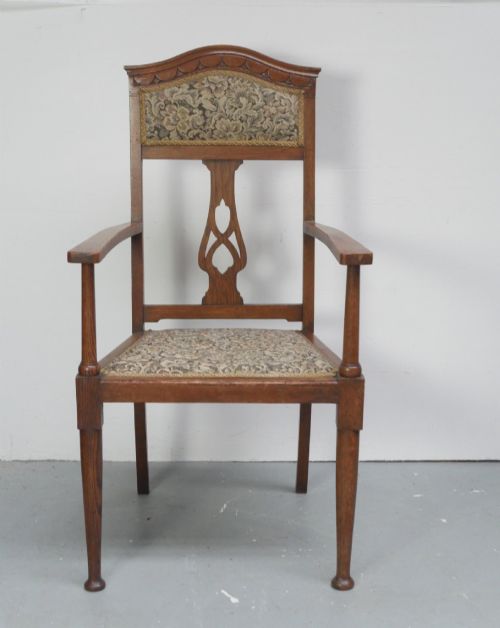
The selections span various forms including armchairs, side chairs, hall chairs, bedroom chairs, and spinning chairs. Pieces originate from diverse regional and international traditions such as French giltwood, Italian painted frames, and Anglo-Indian blackwood.
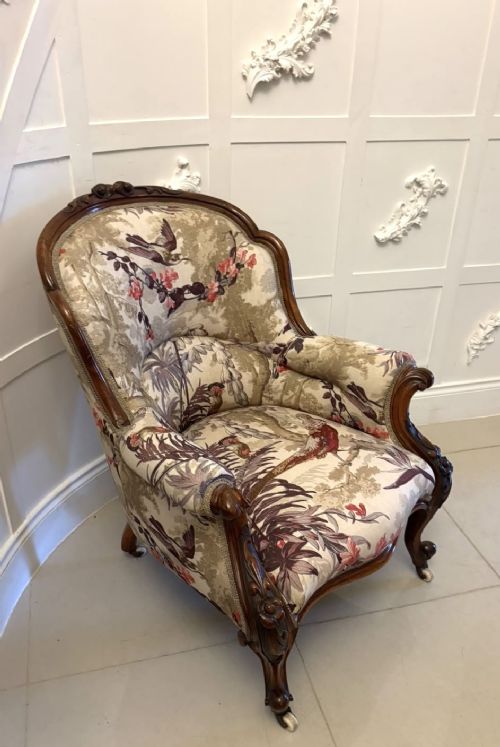
Victorian and Edwardian examples predominate, often featuring carved walnut, mahogany, or painted finishes. These chairs suit spaces requiring a concentrated focal point rather than a matched suite.
How they were made
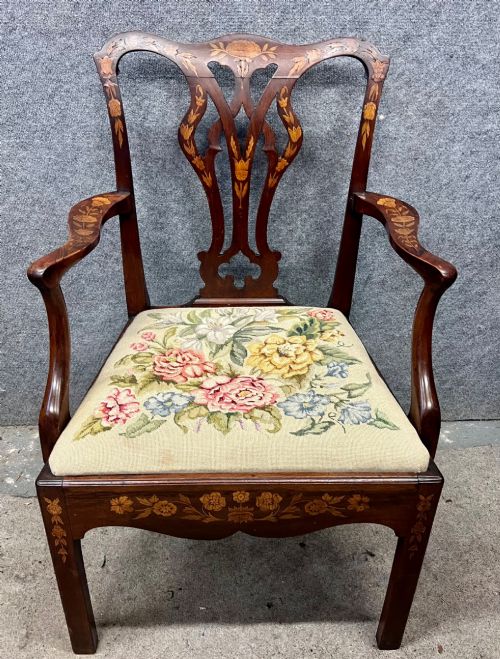
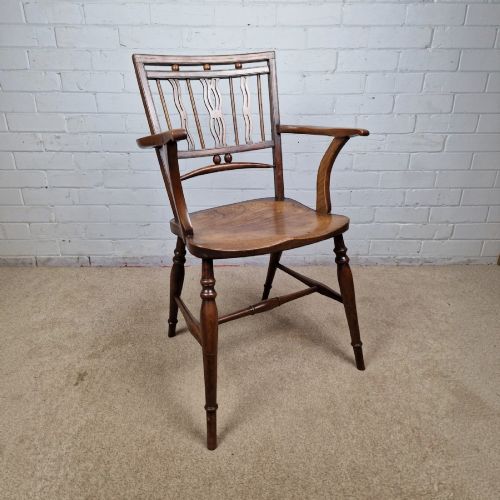
Frames are constructed from timbers such as walnut, mahogany, oak, and satinwood, frequently shaped with hand carving or inlaid details. Specialised pieces incorporate papier-mâché, wrought iron, brass, or cane to achieve varied textures.
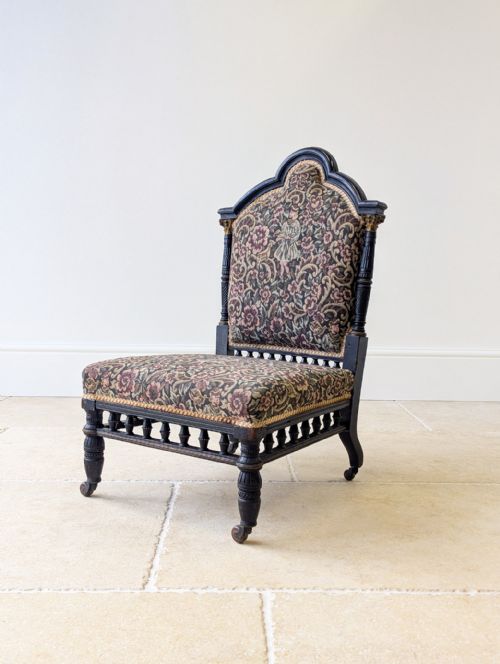
Upholstery relies on traditional textiles, tapestry, silk, and fabric fixed to the frame. Decorative treatments include hand painting, parcel gilding, bone inlay, and ebonising to enrich the surface appearance.
Decorative Accent Chair Retail Price Guide 2026
Typical asking prices for decorative accent chair among the pieces listed under this phrase on Sellingantiques today, from the lower quarter to the upper quarter. They describe what is for sale here now, not the wider market.
Current listings feature pieces constructed from walnut, mahogany, oak, brass, cane, and papier-mâché across the nineteenth and early twentieth centuries.
What varies in quality
Quality rests in the crispness of the timber carving and the sophistication of surface decoration, such as hand-painted motifs or intricate bone and satinwood inlay. Superior examples display balanced proportions and refined joinery across complex forms like X frames or spindle turnings.
The integrity of the original materials, whether giltwood, lacquered papier-mâché, or carved blackwood, dictates the distinction of the piece. Subtle details in upholstery selection and period-appropriate textile work elevate the standing of an individual chair.
The Decorative Accent Chair Glossary
- Salon chair
- A light, decorative seat designed for nineteenth-century reception rooms. These pieces often feature low profiles and elaborate frames intended for occasional use rather than heavy sitting.
- Inlay
- A technique where contrasting materials like light wood, bone, or metal are inserted into recesses within the primary timber surface to create geometric or floral patterns.
- Parcel gilt
- A decorative treatment where selected portions of a carved wood or gesso surface are highlighted with thin layers of gold leaf.
- Ebonisation
- A chemical or staining process applied to timber, usually fruitwood or beech, to imitate the dark, dense appearance of ebony.
- Glastonbury chair
- A traditional folding ecclesiastical chair design featuring an X-framed base and a sloping panel back.
Decorative Accent Chair: Frequently Asked Questions
Where do I put a decorative accent chair?
These chairs find natural placement in bedrooms, hallways, or quiet corners of living spaces where floor area permits a statement piece. Their varied forms allow them to function as standalone visual anchors.
Because many historical examples are built for lighter use or smaller proportions, they serve best in low-traffic spots rather than primary seating around a dining table.
How do I identify Victorian styles?
Victorian seating often displays heavy walnut or mahogany frames with deep, naturalistic carvings, button-tufted upholstery, or ebonised finishes associated with the Aesthetic Movement. Papier-mâché and mother-of-pearl inlay also point directly to mid-nineteenth-century British production.
Later Victorian work leans into revived historical motifs like Flemish scrolls or Renaissance details, distinguishing itself from the lighter, inlaid satinwood common in the subsequent Edwardian era.
Can I use these chairs every day?
Most antique accent chairs suit regular, gentle sitting, though delicate forms like spinning chairs or papier-mâché bedroom chairs require more careful handling. Assessing the sturdiness of the frame and joints determines practical daily utility.
Upholstered components may benefit from modern reinforcement beneath historical fabric if continuous use is planned for the room.
What defines Edwardian accent chairs?
Edwardian examples typically favor lighter woods such as satinwood and mahogany, frequently enhanced with delicate stringing, painted floral motifs, or silk upholstery. The overall aesthetic feels brighter and more refined than heavy mid-nineteenth-century precedents.
Common Edwardian variations include nursing chairs and X-frame armchairs that reflect Sheraton or Georgian revivals adapted for comfortable parlor use.