

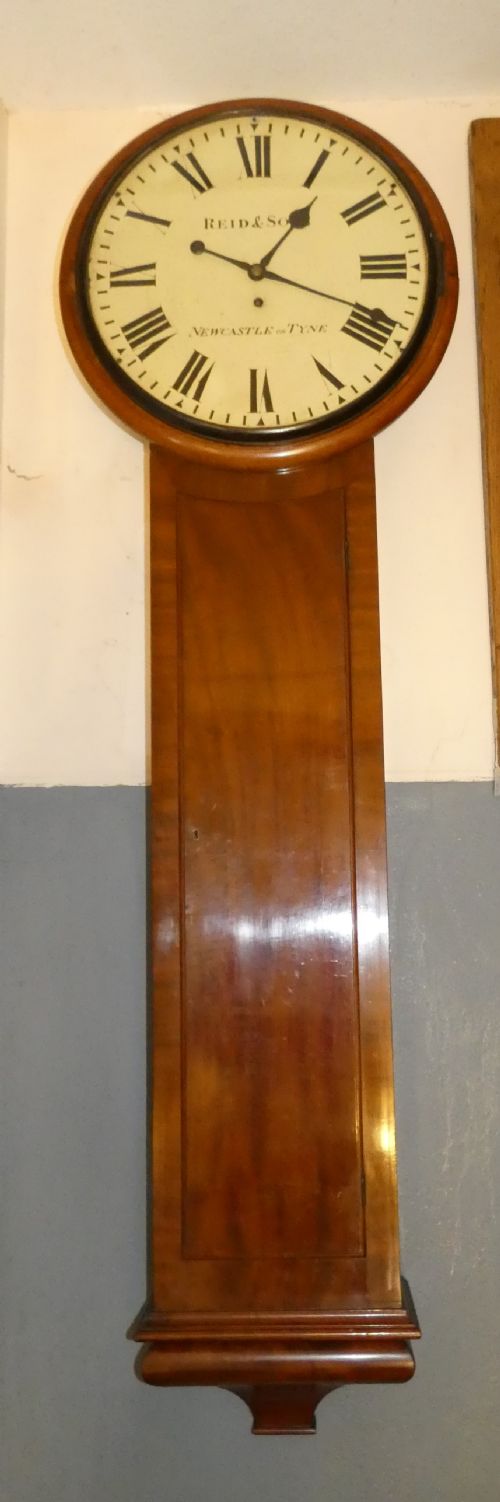


Dark Wood Timepiece
A dark wood timepiece anchors a room with rich grain and precise engineering, spanning styles from Regency brackets to Victorian wall dials.
Dark Wood Timepiece
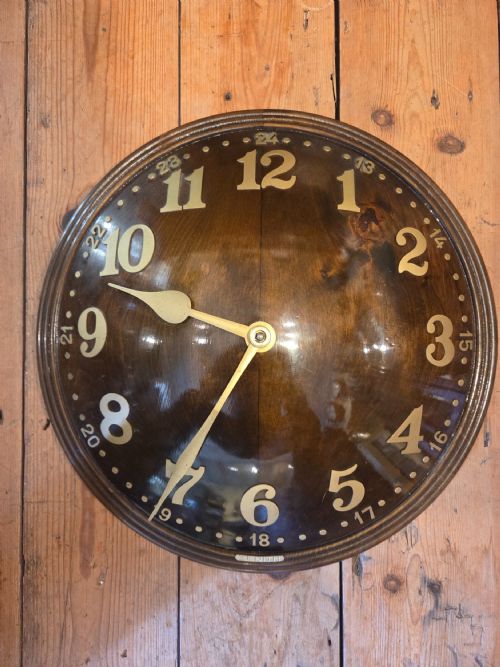
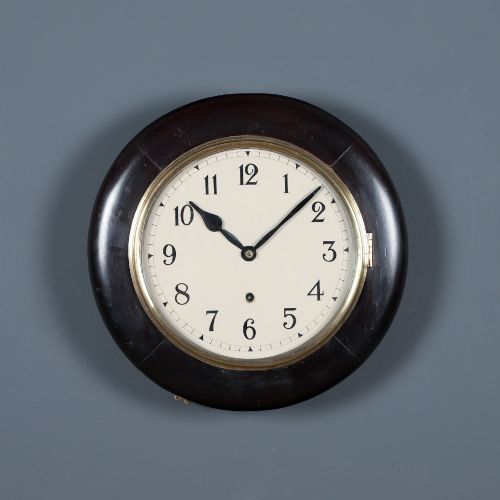
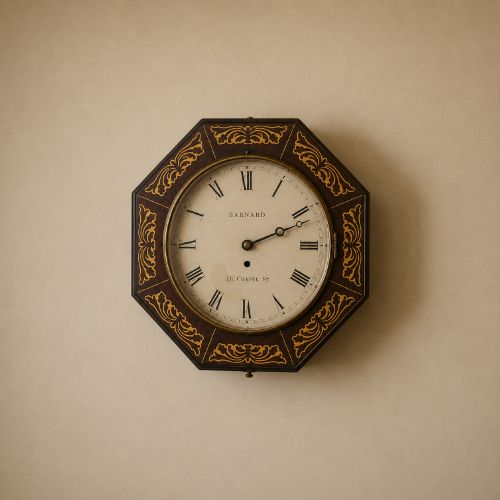
A dark wood timepiece encompasses a variety of horological instruments housed in rich timbers, which buyers seek for their functional utility and traditional aesthetic. These objects primarily take the form of wall clocks, mantel clocks, and bracket clocks spanning multiple centuries and regions.
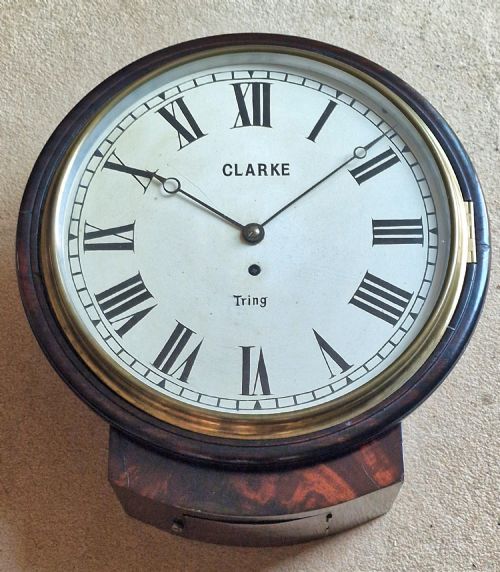
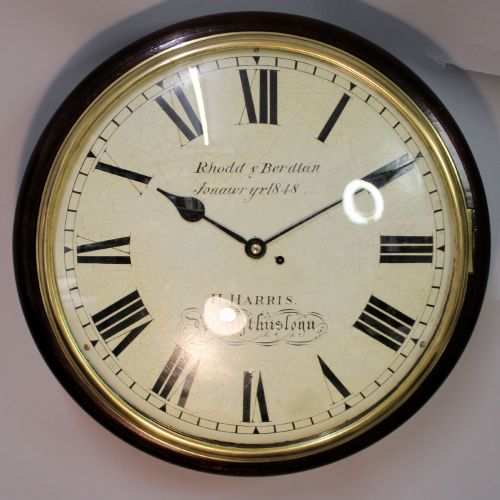
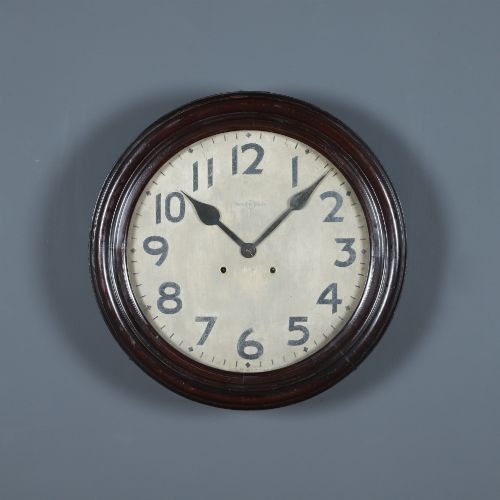
The versions most commonly met on this page include mahogany, rosewood, and walnut wall dials or drop-dial clocks originating from the nineteenth century. Pieces range from modest railway station timepieces to elaborate bracket clocks designed for library or mantel placement.
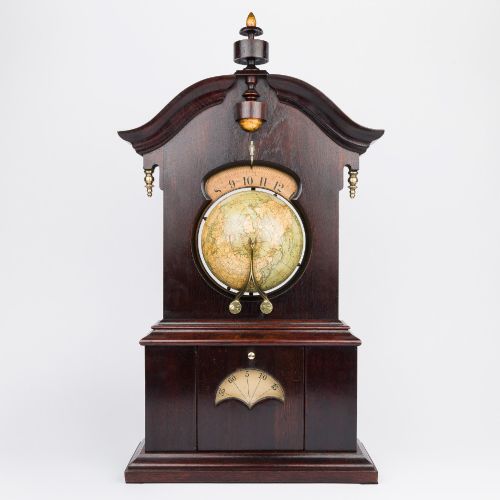
Regional variations appear frequently in the selection, including English fusee clocks, German bracket movements, and French portico or mantel pieces. Each variant demonstrates how different makers adapted dark timbers to suit prevailing domestic and public architectural styles.
Materials and construction
Cases rely heavily on dense hardwoods such as mahogany, rosewood, and walnut, frequently enhanced by brass inlay, marquetry, or carved details. These timbers provide the structural stability necessary to house intricate gear trains while offering a deep, polished surface finish.
Movements are constructed using brass plates and wheels, often incorporating fusee mechanisms to maintain even tension on the drive chain or cord as the mainspring unwinds. Enamel or painted dials display the hours, protected behind hinged glass bezels set within the wooden housing.
Some nineteenth-century travellers carried portable silver watch walking sticks to keep time on the move.
Distinctions in quality
The sophistication of the internal movement dictates much of a piece's standing, with double fusee or pinwheel escapement systems representing higher levels of horological skill. Heavier brass castings and finely cut gear wheels operate with greater precision and longevity than standard mass-produced alternatives.
Cabinetwork separates standard production items from exceptional commissions through timber selection and joinery execution. Matched grain veneers, precise brass stringing, and hand-carved decorative elements indicate a maker who devoted significant attention to the exterior housing.
George Clarke·Henry Harris·Winterhalder and Hofmeier·John Walker·Henry Marc·Haley and Milner·Tissot·Valiant Paris
The Dark Wood Timepiece Glossary
- Fusee
- A conical pulley used in mechanical clocks to equalise the torque of the mainspring as it unwinds. This mechanism ensures consistent force is delivered to the escapement throughout the running period.
- Dial
- The face of the clock upon which the hours and minutes are indicated. These components often feature painted numerals on convex enamel or metal plates.
- Bracket clock
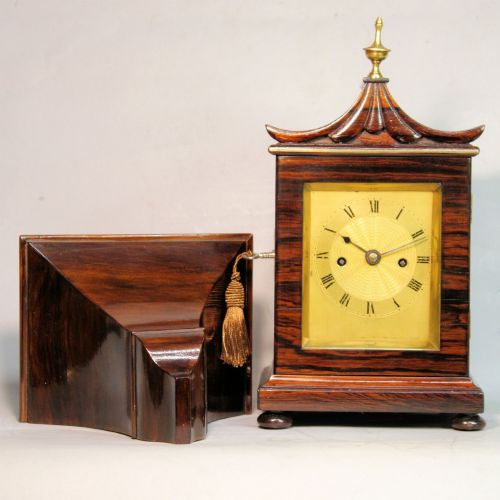
- A portable household clock originally designed to sit upon a dedicated wall bracket or shelf. Many examples feature detailed wooden cases with carrying handles.
- Drop dial
- A wall clock design featuring an extended wooden trunk beneath the circular face to accommodate the pendulum swing. This form became prevalent in public spaces and railway stations during the nineteenth century.
- Escapement
- The mechanical linkage that controls the release of gear train energy to maintain the pendulum swing. Different configurations like the pinwheel offer varying degrees of accuracy.
Dark Wood Timepiece: Frequently Asked Questions
How do I wind a fusee wall clock safely?
Insert the winding key into the aperture on the dial and turn it gently in the direction indicated by the directional arrow. Take care not to overwind the movement, stopping as soon as resistance increases.
Ensure the pendulum hangs freely and remains in beat before setting the hands to the correct time. Regular servicing by a qualified horologist helps preserve the internal brass components.
Where should I place a heavy wooden bracket clock?
Position the clock on a stable, level surface away from direct sunlight, central heating sources, and damp environments. Mahogany and rosewood cases react poorly to extreme temperature fluctuations.
If the piece is designed for wall mounting, ensure the fixings are secured directly into wall studs to support the substantial weight of the timber and brass movement.
How can I tell a Victorian wall clock from a Regency one?
Regency timepieces often exhibit restrained classical proportions with brass inlay or ebony stringing set into figured mahogany. The dial surrounds tend to be cleaner and more architectural in layout.
Victorian examples frequently introduce deeper drop-dial cases, carved walnut ornamentation, or regional railway markings. Movement signatures and case construction details also help confirm the manufacturing era.
What is the difference between a timepiece and a striking clock?
A timepiece refers strictly to a clock that measures and displays the hours and minutes without any striking or chiming mechanism. These movements contain fewer gear trains and focus entirely on accurate timekeeping.
Striking clocks include an additional gear train and hammer arrangement to sound the hours or quarters on a bell or gong. This extra complication requires a separate power source within the wooden case.