


Dark Wood Silver Clock
These dark wood silver clock pieces combine rich timber cases with gleaming metallic dials, offering both functional timekeeping and striking interior presence.
Dark Wood Silver Clock
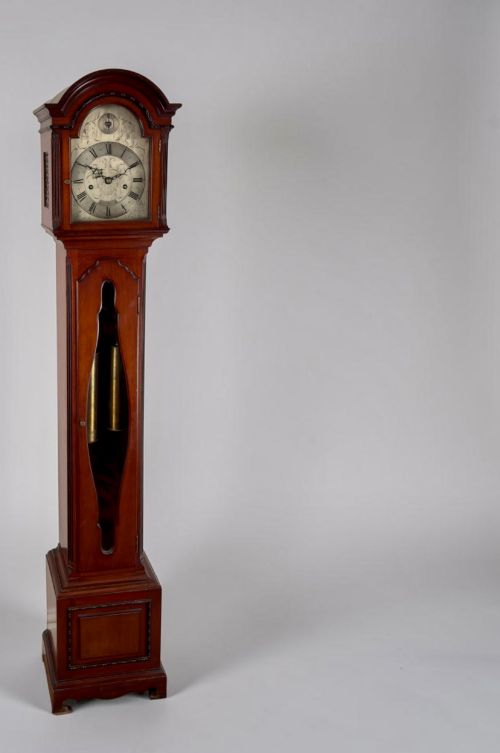
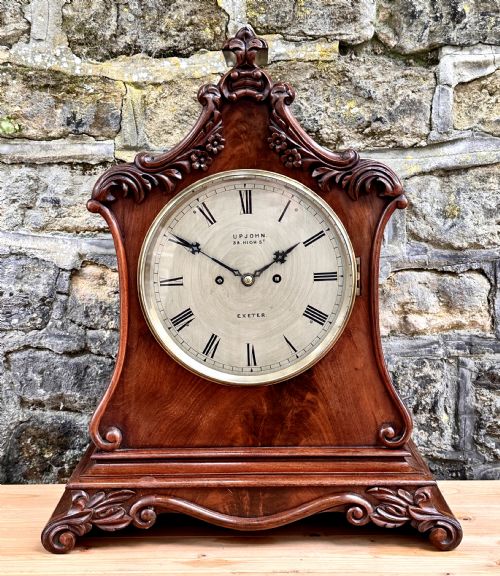
When you search for a dark wood silver clock, you encounter a selection of timepieces featuring timber cases paired with silvered brass, silvered metal, or silver dials. The examples found here span several distinct forms, including tall longcase clocks, compact mantel clocks, and substantial bracket clocks.
The versions you are most likely to meet on this page date from the nineteenth century and the Edwardian period, alongside Regency and Victorian interpretations. These pieces employ traditional cabinet woods such as mahogany, rosewood, and coromandel to house their mechanical movements.
Makers such as Gillett & Johnston of Croydon, Winterhalder & Hofmeier, and Archibald Collier feature among the origins represented. Each piece demonstrates the integration of dark cabinetry with pale metallic faces designed for clear legibility.
How they were made
The construction relies heavily on dense cabinet timbers like mahogany and rosewood, frequently shaped into flame mahogany veneers or solid coromandel housings. These timber enclosures are joined using traditional cabinetmaking techniques to support heavy mechanical movements.
Dials are typically formed from silvered brass or silvered metal, featuring engraved or etched numerals that are subsequently dark-filled for contrast. Protective glass bezels and brass fittings complete the structural assembly of these timepieces.
Several clocks rely on a ting tang mechanism, politely chiming twice before the hour just to make sure you were listening.
What varies in quality
The standard of timber selection marks a primary distinction across the range, with figured veneers and dense grains separating standard production from finer workshop output. Cabinet proportions and the crispness of mouldings dictate the visual refinement of the case.
Movement complexity also determines standing, with twin fusee or quarter-striking mechanisms representing a higher tier of horological ambition than simpler time-only designs. Signed dials and documented maker attributions further elevate the standing of individual examples.
Gillett & Johnston·Winterhalder & Hofmeier·William Chisholm·Archibald Collier·Richard Rowell
The Dark Wood Silver Clock Glossary
- Bracket clock
- A portable mechanical clock originally designed to sit on a wall bracket or a table surface. These pieces often feature carrying handles and glazed side panels.
- Fusee
- A conical pulley used in mechanical clocks to maintain even power delivery as the mainspring unwinds. This mechanism improves timekeeping consistency throughout the running period.
- Longcase clock
- A tall floor-standing timepiece housed in a wooden trunk with a weighted pendulum. They are commonly referred to as grandfather or grandmother clocks depending on their height.
- Silvered dial
- A brass or metal clock face treated with a silver compound to produce a pale, reflective matte finish. Numerals and markings are typically engraved into this surface.
- Ting tang
- A striking mechanism that sounds two different notes on the quarters before sounding the hour. It uses two hammers and two bells or gongs.
Dark Wood Silver Clock: Frequently Asked Questions
What is a dark wood silver clock?
A dark wood silver clock is a timepiece housed in a timber case, such as mahogany, rosewood, or coromandel, featuring a silvered metal or brass dial.
These pieces range from tall floor-standing longcase clocks to smaller table and bracket models produced across the nineteenth and early twentieth centuries.
How do fusee movements work?
A fusee movement uses a spiral-grooved cone connected to the mainspring by a chain or gut line. This system compensates for the declining tension of the spring as it unwinds.
By regulating the pull on the gear train, the fusee helps the clock maintain a consistent rate of timekeeping between windings.
Where should I place a bracket clock?
Bracket clocks are designed for stable surfaces such as sideboards, mantels, or dedicated wall brackets where the pendulum can swing level. Keeping them away from direct sunlight and damp walls protects the wood and the internal metalwork.
Because many examples feature glass panels on multiple sides, positioning them at eye level allows the internal movement to be observed.
How do I identify a Victorian clock?
Victorian clocks often display the robust proportions, dark mahogany or rosewood cases, and ornate carving characteristic of the nineteenth century. Maker signatures on the silvered dial or backplate can confirm the period of production.
Examining the construction methods inside the case provides further clues regarding the manufacturing era and workshop origin.