

Dark Wood Pediment
A dark wood pediment crowns grand furniture or doorways, bringing architectural dignity and rich timber grain to high-ceilinged rooms.
Dark Wood Pediment
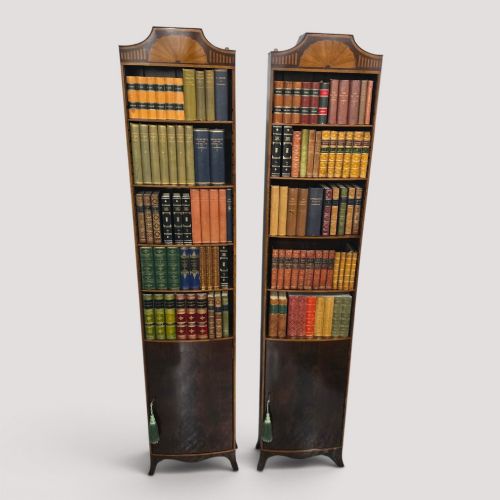
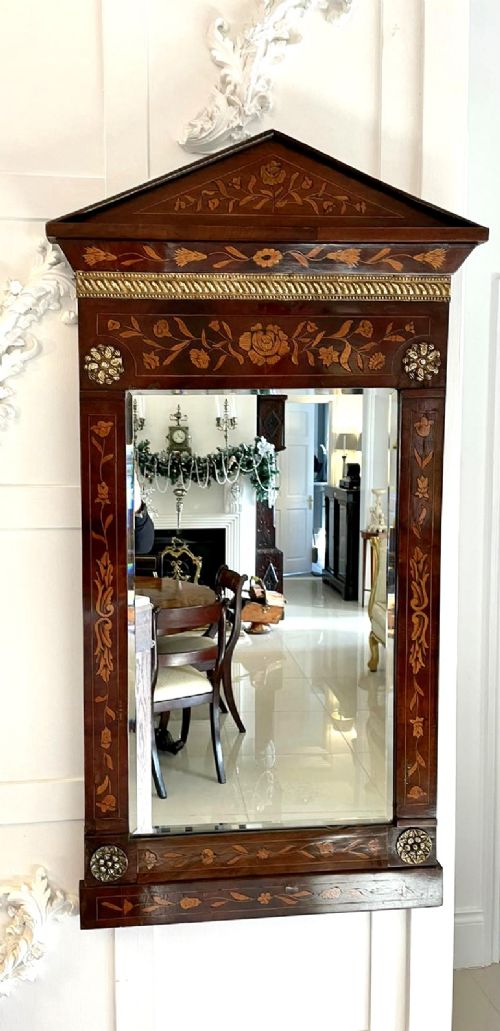
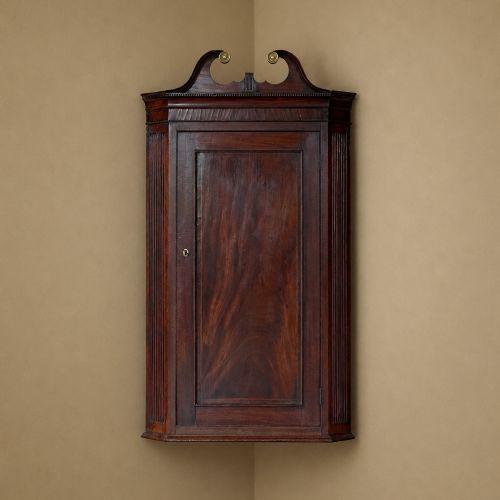
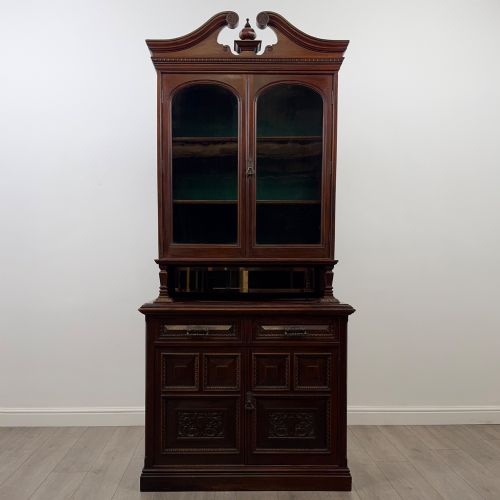
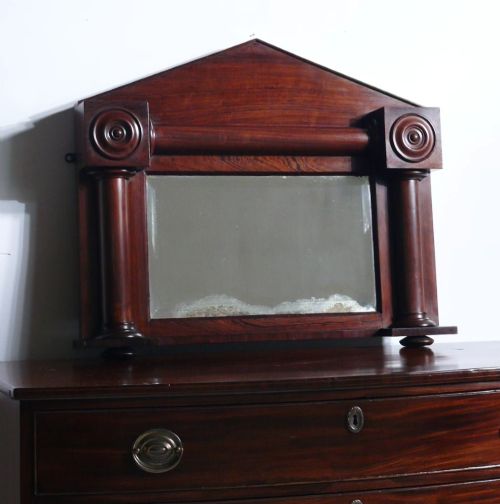
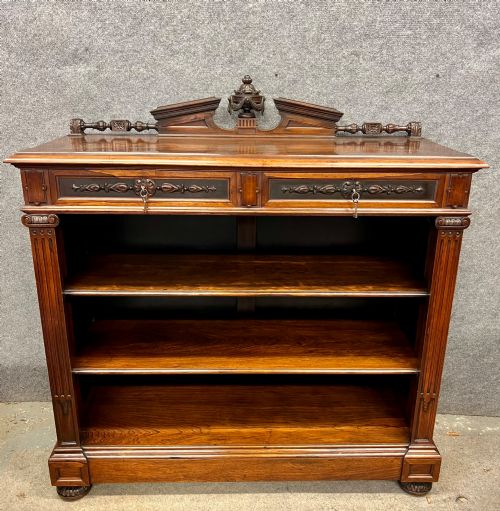
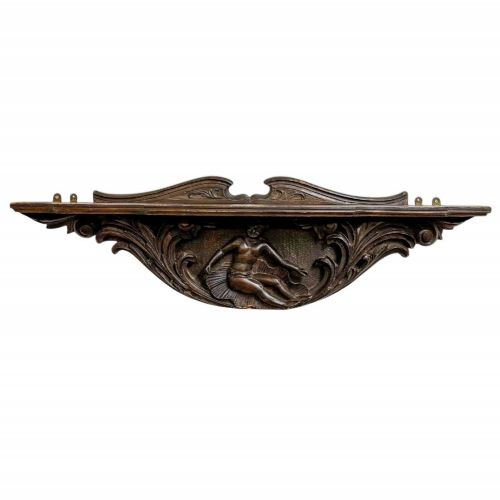
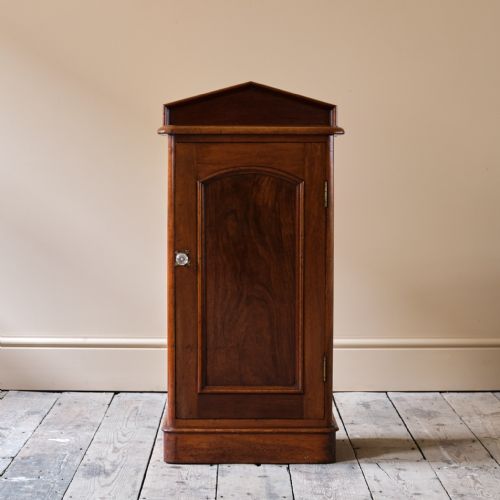
When you search for a dark wood pediment, you encounter architectural woodwork, carved panels, and top sections salvaged from larger pieces like bookcases, cabinets, and mirrors. These elements originate primarily from the eighteenth and nineteenth centuries, spanning the Georgian, Victorian, and Edwardian periods.
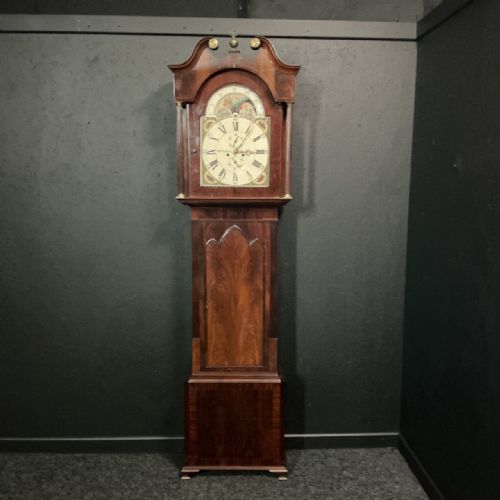
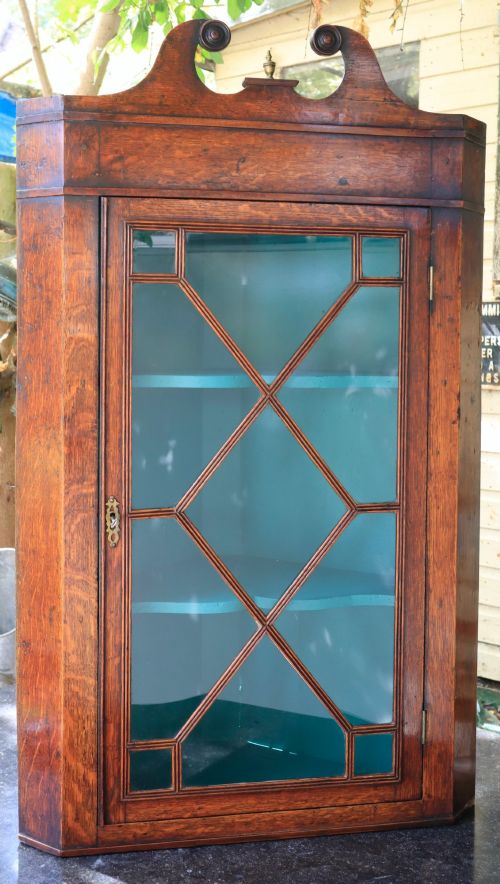
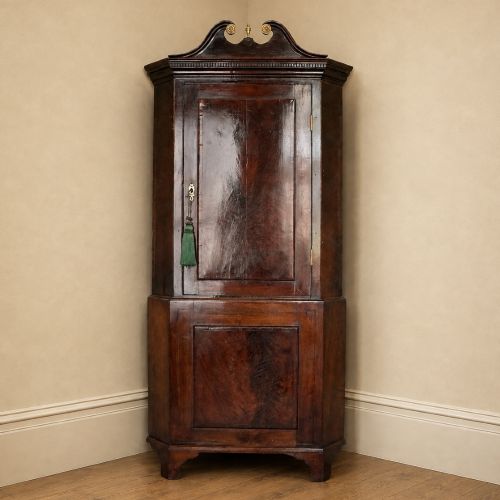
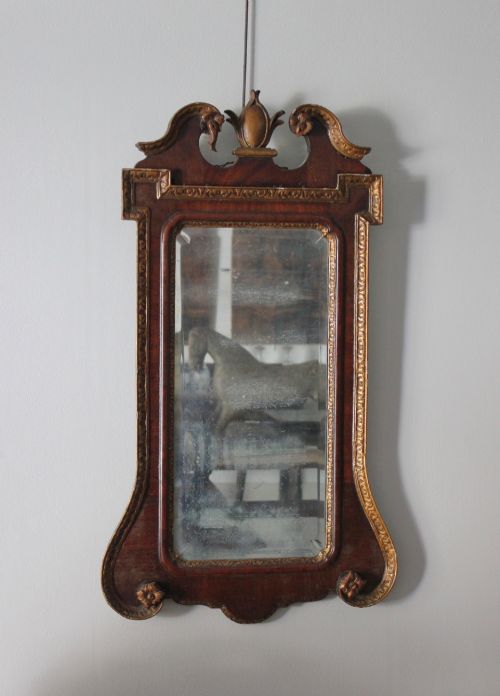
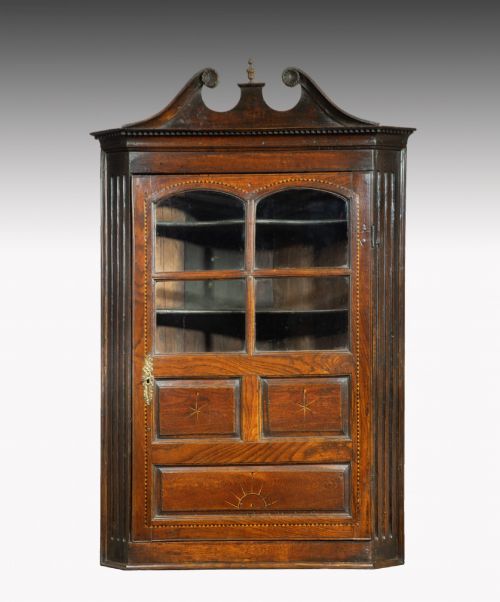
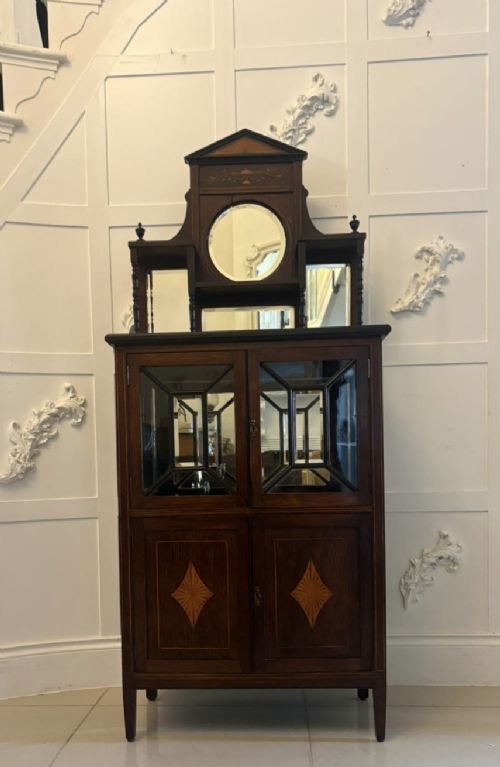
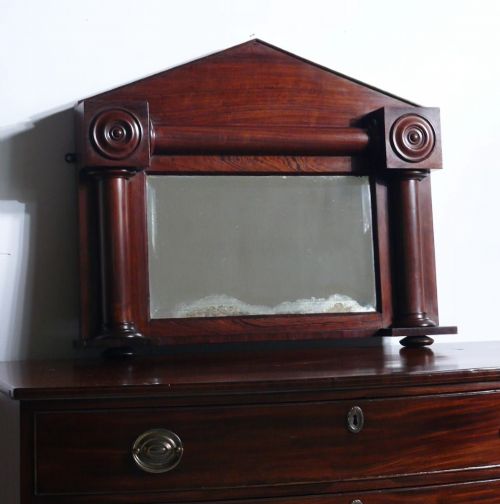
The most common examples on this page are integrated into the crests of mahogany, oak, and walnut wall mirrors, corner cupboards, and library bookcases. They frequently feature architectural motifs such as broken arches, carved cornices, and applied mouldings.
How they were made
Cabinet makers constructed these architectural elements from dense hardwoods, primarily selecting figured mahogany, native oak, and rich walnut. Artisans often enhanced these surfaces with satinwood inlay, marquetry, or parcel gilding to create visual contrast against the dark timber base.
Construction relied on traditional joinery techniques, using hand-carved mouldings and fitted panels to build up the complex profiles of broken arch and swan-neck pediments. Central shelves, glazed panels, and brass accents were frequently integrated into the broader architectural frames from which these pediments derive.
Listings feature eighteenth and nineteenth century periods, incorporating materials such as mahogany, oak, walnut, rosewood, and mirror glass.
What varies in quality
The standard of carving defines the upper tier of these pieces, distinguishing crisp, deeply undercut foliage and moulded lines from softer, mechanically produced edges. The choice of timber also dictates quality, with tightly grained, highly figured mahogany or burr walnut commanding greater appreciation than plain planks.
Proportion and architectural integrity separate superior examples from lesser items, as the finest pieces maintain balanced sightlines that complement high-ceilinged interiors. Original surface patination and untouched timber finishes preserve the historical authenticity valued by discerning collectors.
Edward Pearce·George Adams·Edward Shepley·Matt Wylie
The Dark Wood Pediment Glossary
- Pediment
- An architectural crowning element placed above doors, windows, or large pieces of furniture. It often takes a triangular or broken scroll form.
- Broken Arch
- A pediment design where the sloping cornice is interrupted at the apex, frequently leaving a central space for a finial or carved urn.
- Marquetry
- The art of applying decorative veneer pieces in wood to a structure to form intricate geometric or floral patterns.
- Parcel Gilt
- A decorative technique where specific carved details or mouldings are partially covered in gold leaf while the surrounding timber remains exposed.
- Cornice
- A horizontal moulded projection that crowns the top of a building, wall, or tall piece of cabinetry.
Dark Wood Pediment: Frequently Asked Questions
What is a dark wood pediment?
A dark wood pediment is a decorative architectural crown, usually carved from mahogany, oak, or walnut, designed to sit atop grand furniture or doorways.
These timber elements range from simple moulded cornices to elaborate broken arch designs featuring intricate joinery and classical proportions.
How were pediments used originally?
Makers positioned these wooden crowns atop tall case furniture such as bookcases, linen presses, grandfather clocks, and large wall mirrors.
They served to draw the eye upward, giving domestic furnishings the monumental scale and dignity of classical architecture.
How do I hang a wooden pediment?
Mounting a wooden pediment requires assessing the weight of the dense hardwood and securing appropriate fixings to wall studs or masonry.
Many architectural panels and overdoor elements feature integrated brackets or rear hanging points designed to support their substantial timber mass safely.
How can I tell the period of the wood?
Distinguishing periods relies on observing timber selection, such as early dense mahogany versus later softer pine carcasses, alongside tool marks and construction methods.
Stylistic cues like Georgian broken arches or Victorian Gothic carvings also provide clear indicators of the era in which the piece was shaped.