

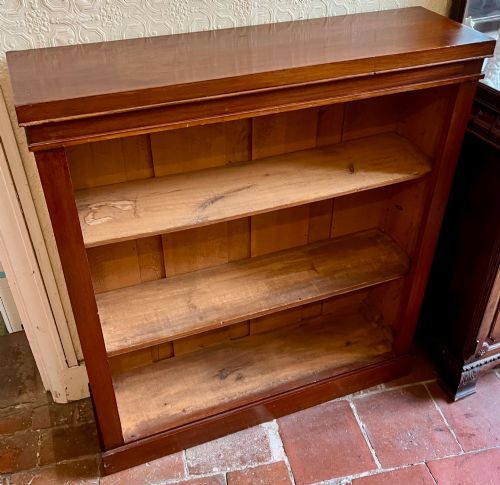
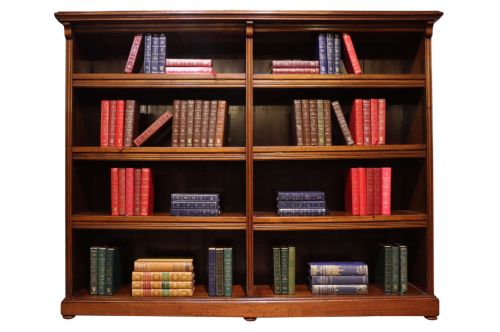
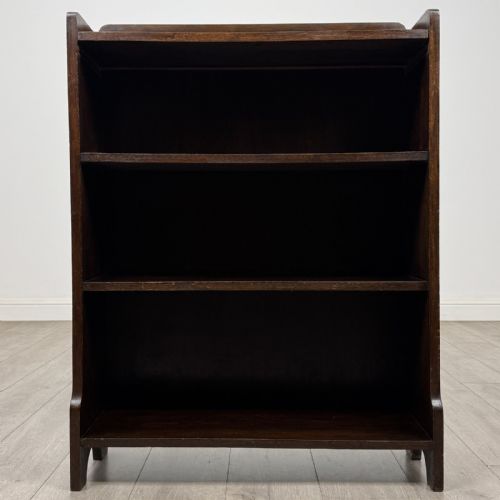
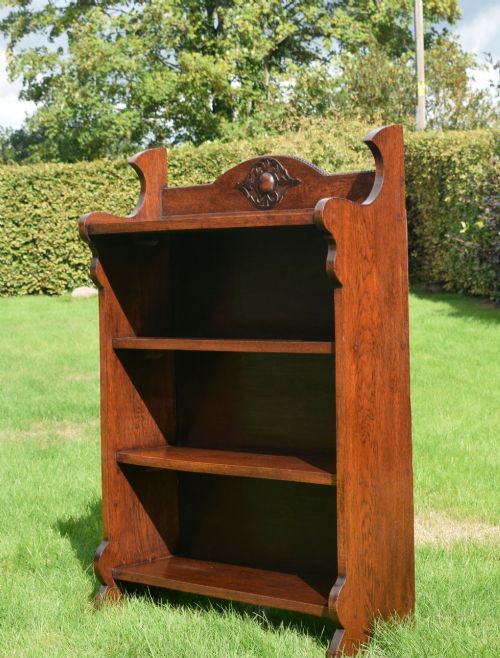
Dark Wood Low Bookshelf
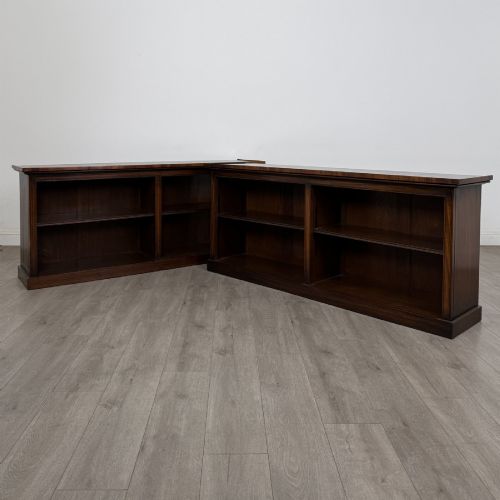
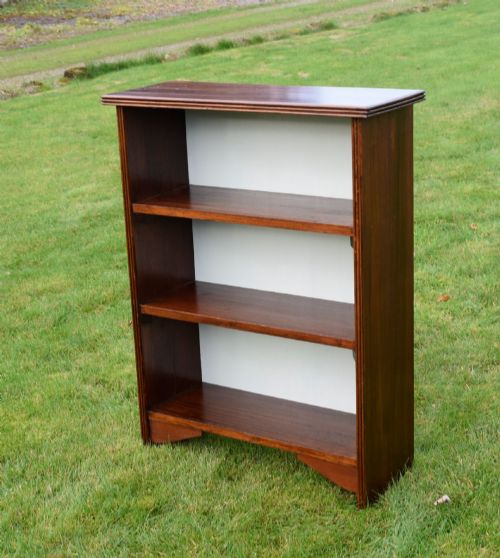
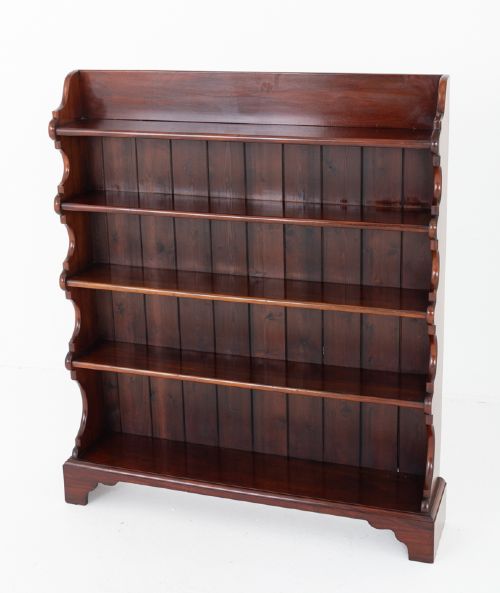
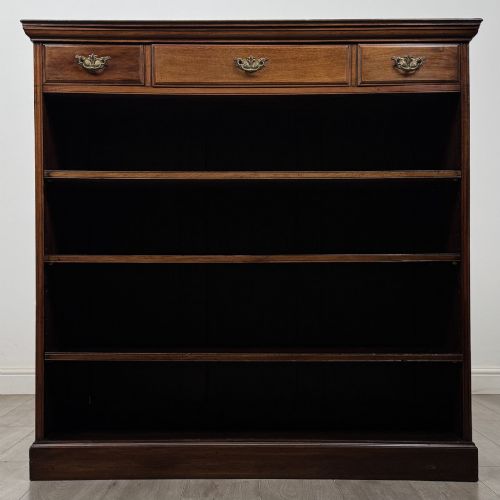
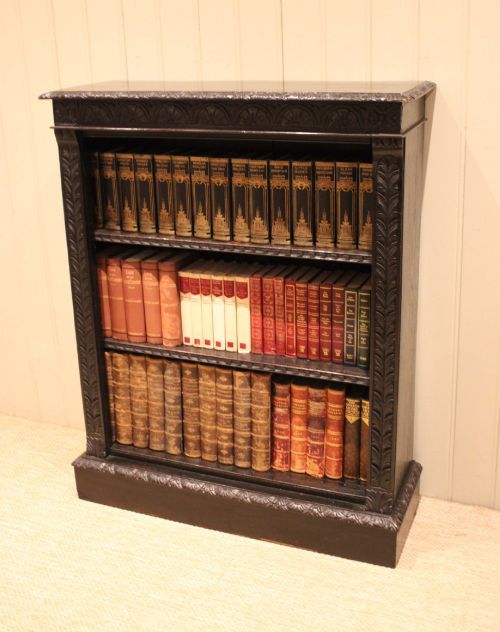
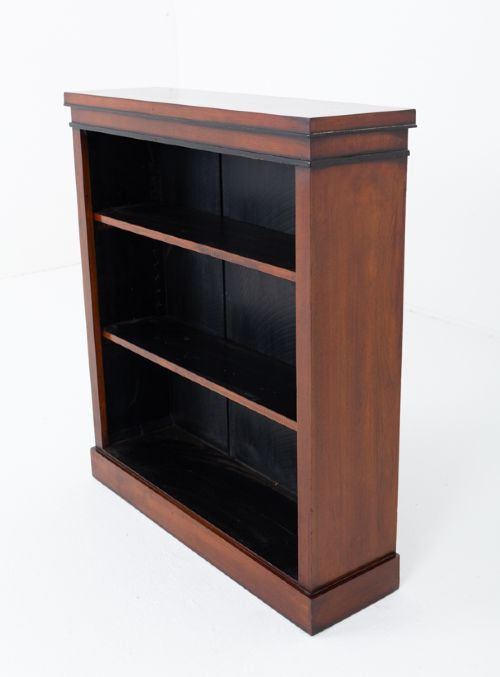
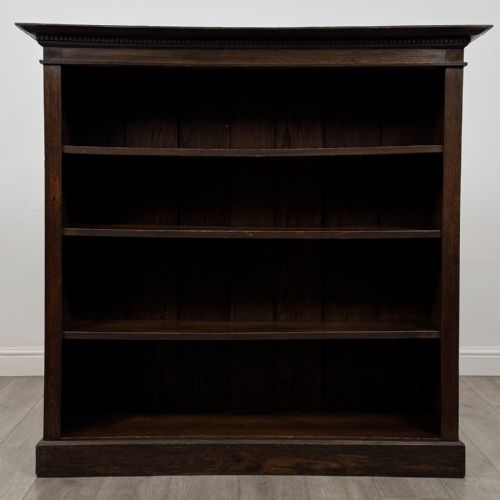
A dark wood low bookshelf brings character and accessible storage to a room, holding volumes within reach while keeping sightlines open.
Dark Wood Low Bookshelf
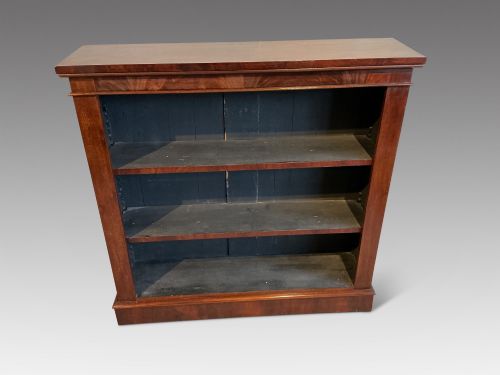
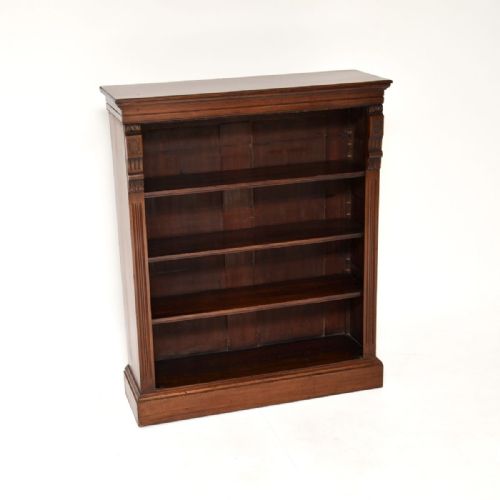
A dark wood low bookshelf offers open shelving at a convenient height, making it a staple for displaying volumes without dominating the wall space of a room. These pieces appear frequently from the Victorian and Edwardian periods, alongside early twentieth-century examples.
How they were made
Makers utilised dense timbers such as mahogany, oak, walnut, and rosewood, applying polish that brought out the deep grain of the wood. Brass fittings frequently appeared on adjustable shelf supports and hardware.
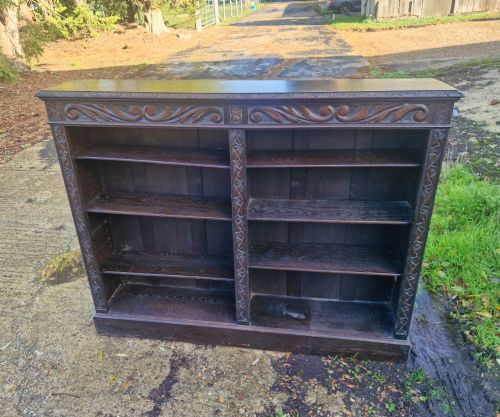
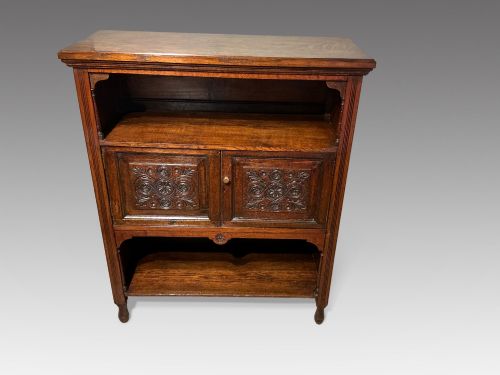
Construction methods relied on sturdy joinery to support heavy rows of books, while decorative elements like carved oak, raised galleries, or inlaid details defined specific stylistic revivals.
Dark Wood Low Bookshelf Retail Price Guide 2026
Typical asking prices for dark wood low bookshelf among the pieces listed under this phrase on Sellingantiques today, from the lower quarter to the upper quarter. They describe what is for sale here now, not the wider market.
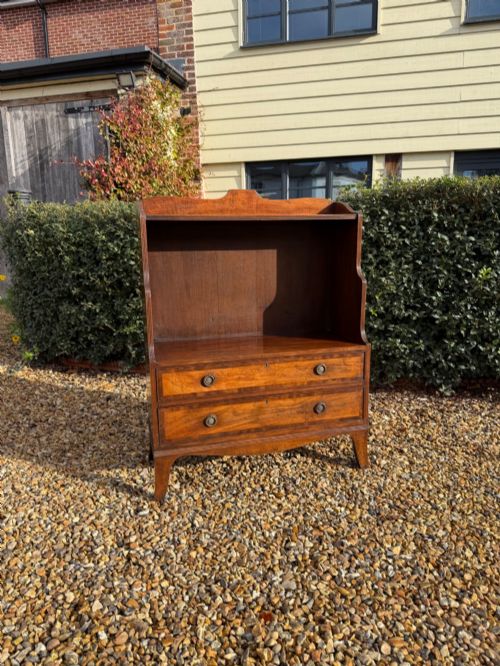
A few unexpected pieces feature magazine racks or green man carvings hiding quietly among the bookshelves.
What varies in quality
The distinction between standard examples and finer pieces lies in the selection of timber, such as flame mahogany or richly figured walnut. The presence of thoughtful detailing, such as beaded edges, dentil cornices, and clean inlay work, separates simpler utilitarian items from more refined cabinetmaking.
Proportion and execution also dictate the character of a piece. Well-balanced proportions, smoothly functioning adjustable shelves, and crisp carving distinguish the work of skilled makers from routine workshop production.
The Dark Wood Low Bookshelf Glossary
- Open bookcase
- A piece of furniture designed for storing books behind an open front rather than glass doors.
- Dentil cornice
- A classical architectural moulding featuring small square blocks set in a row along the top edge.
- Adjustable shelves
- Shelving resting on movable supports that allows the interior height to be altered.
- Raised gallery
- A low decorative railing or rim fitted along the top surface of a piece of furniture.
- Flame mahogany
- Timber veneer cut from the branch junction of a mahogany tree to produce a swirling, flame-like pattern.
Dark Wood Low Bookshelf: Frequently Asked Questions
Where should I place a low bookshelf?
These pieces sit comfortably beneath windows or against low walls, where their height preserves natural light and allows objects to be displayed on top.
Because they remain low in profile, they integrate easily into sitting rooms and studies without overwhelming the surrounding space.
How do I adjust the shelves?
Most period examples utilise traditional wooden or brass support systems, where shelves rest on pins or movable ratchets.
Lifting the shelf clear of its supports allows you to reposition the pins into alternative slots to accommodate different book sizes.
What woods are most common?
Mahogany and oak appear most frequently across these pieces, reflecting the predominant timber choices of the nineteenth and early twentieth centuries.
Walnut, rosewood, and pine also occur in select examples from specific periods and styles.
How do I date a bookcase?
Dating relies on observing the combination of timber, construction techniques, and stylistic markers such as Victorian carving or Edwardian inlay.
Comparing the cornices, feet, and overall proportions against documented period styles helps establish an approximate time of manufacture.