

Dark Wood Lighting
Dark wood lighting brings warmth and architectural weight to a room through centuries of turned timber and patinated grain.
Dark Wood Lighting
Dark wood lighting encompasses functional domestic illumination and candleholders carved from rich timbers, spanning centuries of British and international craftsmanship. When searching for dark wood lighting, buyers encounter everything from Georgian mahogany candlesticks to 1920s oak standard lamps and floor lamps.
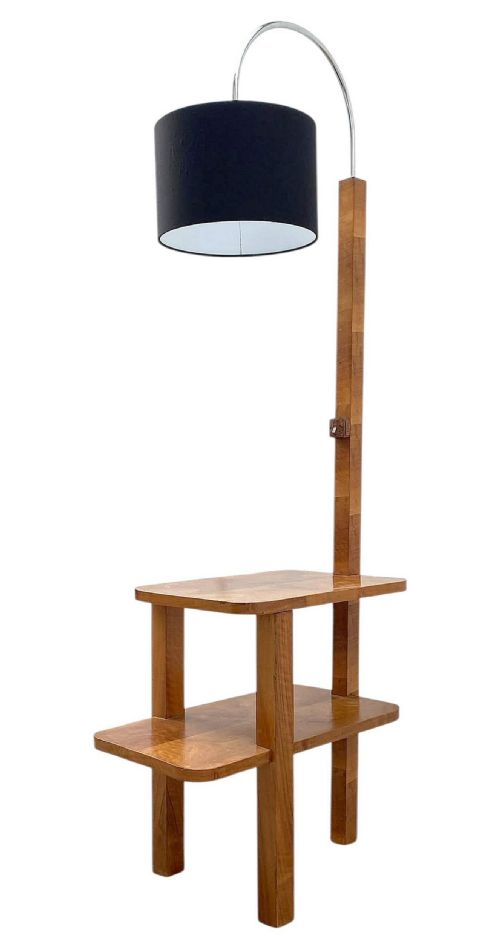
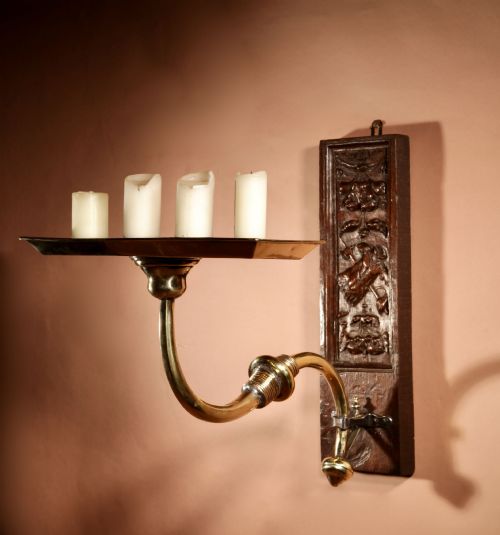
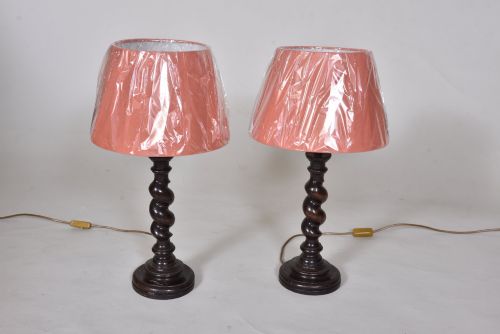
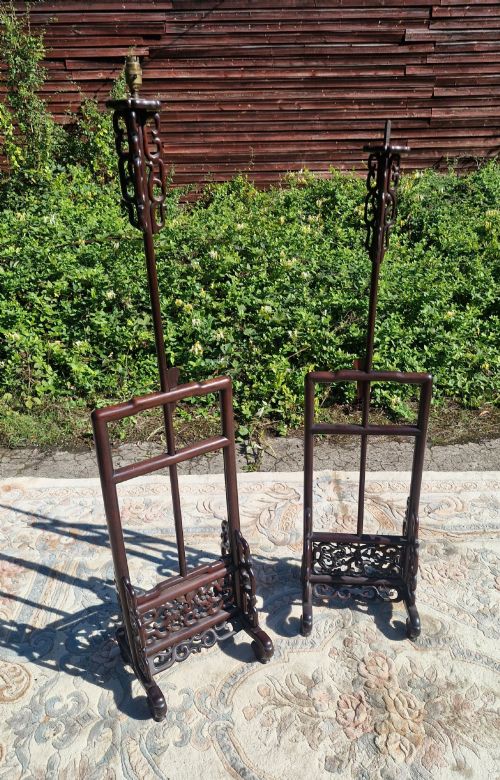
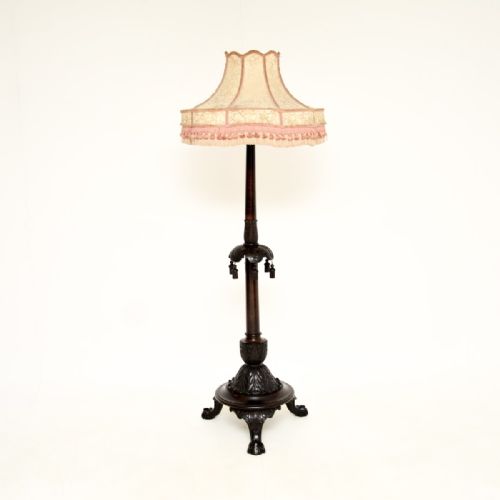
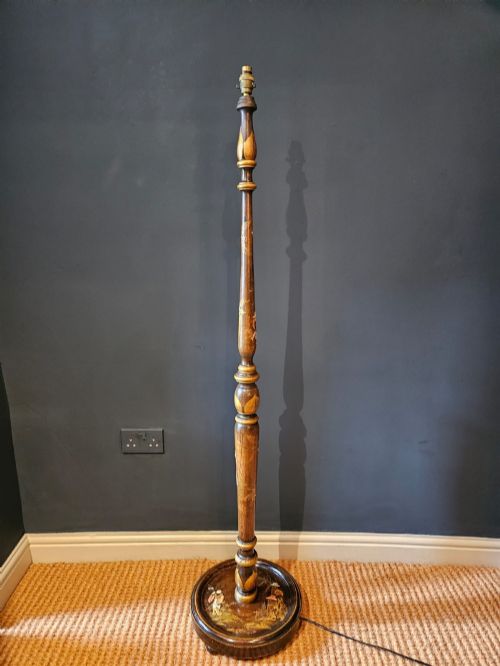
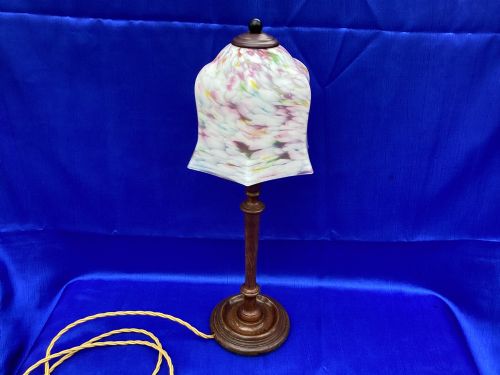
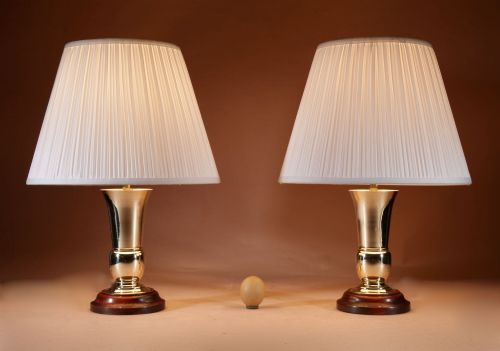
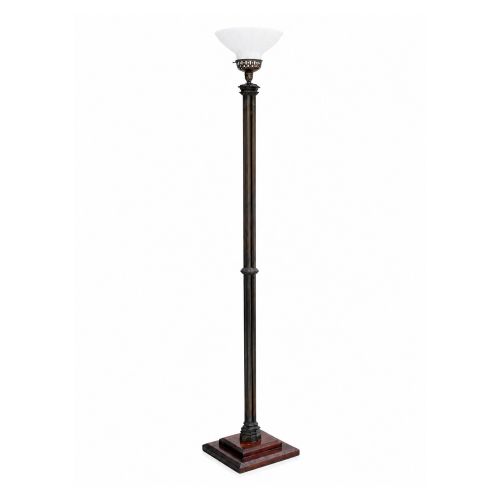
The selection on this page relies heavily on foundational forms like standard lamps, table lamps, and candlesticks, alongside wall sconces and torchere bases. Walnut, mahogany, and oak dominate the offerings, often complemented by brass fittings and fabric shades.
Regional styles broaden the scope beyond simple domestic items, including Anglo-Indian, Kashmiri, and Chinese adaptations alongside European Gothic Revival and Art Deco pieces. These variations provide distinct sculptural silhouettes that function equally as art objects and light sources.
How they were made
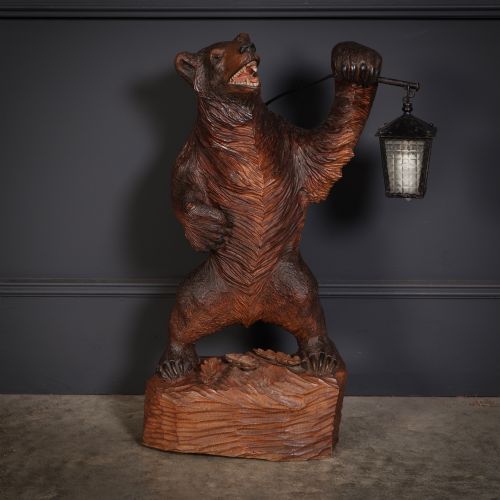
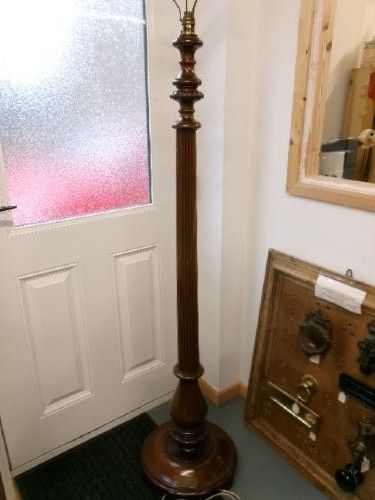
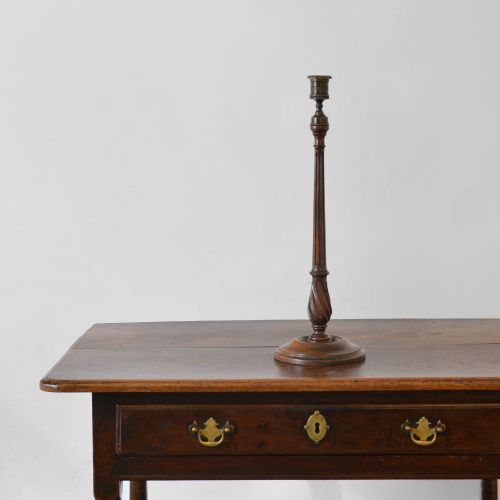
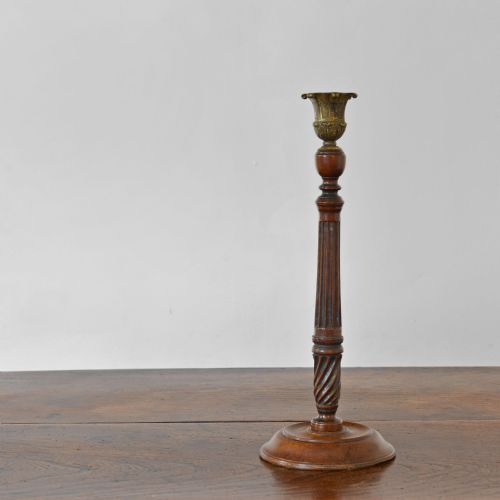
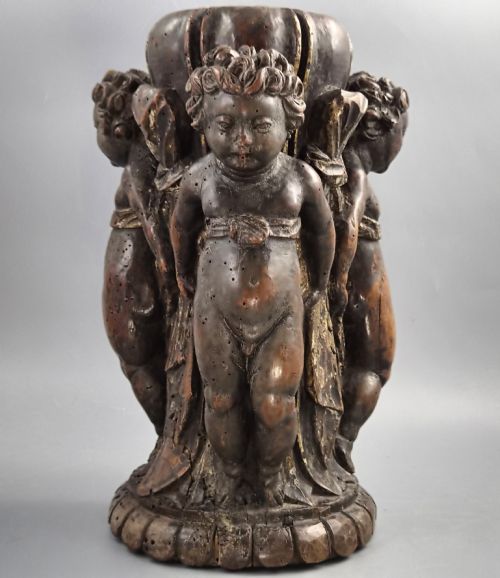
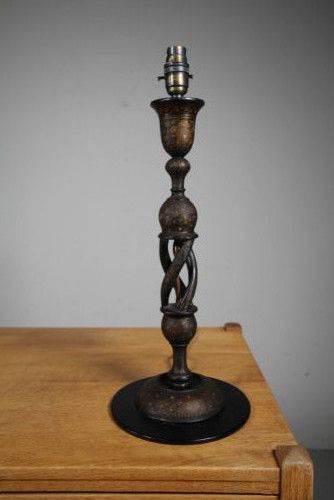
Makers utilised dense hardwoods such as mahogany, oak, and walnut, turning them on lathes to create barley twist columns and fluted pedestals. Carved wood details, including figural elements and putti, demonstrate the dexterity of artisans working across the seventeenth, nineteenth, and early twentieth centuries.
Metal components like brass brackets, nozzles, and weighted bases were integrated to support candles or electrical conversions safely. Combinations of mother of pearl inlay, silver-plated figures, and painted Chinoiserie decoration frequently enhance the turned wooden bodies.
Dark Wood Lighting Retail Price Guide 2026
Typical asking prices for dark wood lighting among the pieces listed under this phrase on Sellingantiques today, from the lower quarter to the upper quarter. They describe what is for sale here now, not the wider market.
Object types in this selection range from floor lamps and desk lamps to elaborate carved candlesticks and wall-hanging pricket holders.
What varies in quality
Quality rests in the depth of timber grain, the precision of the turning, and the integrity of the joinery across the base and shaft. Pieces that retain their original proportions and surface patination without excessive modern intervention command greater appreciation from collectors.
The harmony between the wooden standard and supplementary elements like brass mountings or carved figural details dictates the overall refinement of the object. Finer items demonstrate intentional design choices where every material element serves the sculptural silhouette.
The Dark Wood Lighting Glossary
- Standard Lamp
- A tall floor-standing lamp designed to illuminate a room from a corner or beside seating. These often feature heavy wooden columns and weighted bases for stability.
- Torchiere
- A tall decorative candlestick or lamp base designed to direct light upwards. Many examples feature elaborate carving or figural supports.
- Barley Twist
- A spiral turning technique applied to wooden columns and candlestick shafts. This decorative method gained popularity in seventeenth-century furniture and saw robust revival periods.
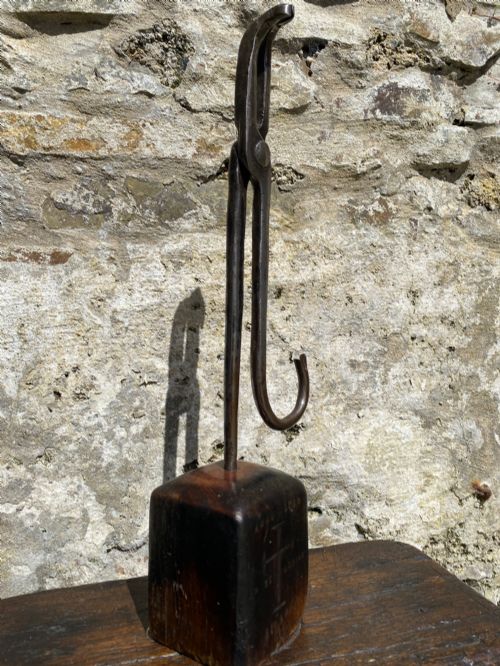
- Pricket Candle Holder
- A candlestick featuring a central metal spike to secure the candle rather than a socket. These often appear in ecclesiastical or heavy brass and oak configurations.
- Socle
- A short plinth or pedestal supporting a larger sculpture or candlestick base. It elevates the primary form and provides a stable foundation on furniture surfaces.
Dark Wood Lighting: Frequently Asked Questions
How do I date an oak lamp base?
Dating an oak lamp base involves examining the turning style, construction joints, and the degree of oxidation in the timber. Earlier pieces often display hand-turned irregularities and dry patination.
Electrical wiring and modern socket fittings usually indicate later conversion or manufacture, as electricity was not integrated into domestic lighting until the late nineteenth and early twentieth centuries.
Are standard lamps original to the Georgian period?
True floor-standing electric standard lamps did not exist in the Georgian period, as lighting relied on portable candles, oil lamps, and wall sconces. Georgian items listed as floor lighting are typically candlesticks or converted torchieres.
Tall wooden columns from the Georgian era were designed to hold candles rather than bulbs, though many later received electrical fittings during the twentieth century.
What distinguishes Anglo-Indian lighting pieces?
Anglo-Indian lighting incorporates traditional British furniture forms executed by Indian artisans using native timbers like teak and mahogany. These pieces frequently exhibit dense, intricate carving that reflects regional craftsmanship traditions.
They often appear alongside Kashmiri twist lamps, which bring brightly painted or polished surfaces to standard lamp and table lamp forms.
How should I care for antique wooden lighting?
Maintaining antique wooden lighting requires keeping pieces away from direct heat sources and extreme humidity fluctuations that cause timber to split. Gentle dusting with a dry cloth preserves the aged surface without stripping the patina.
If the piece is wired for electricity, a qualified electrician should inspect the internal cord and plug to ensure safety standards are met.