


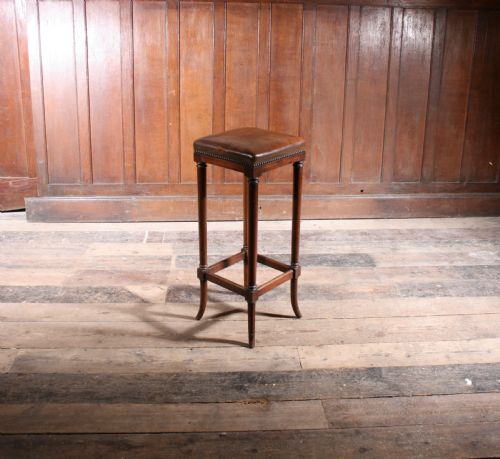


Dark Wood Leather Seats
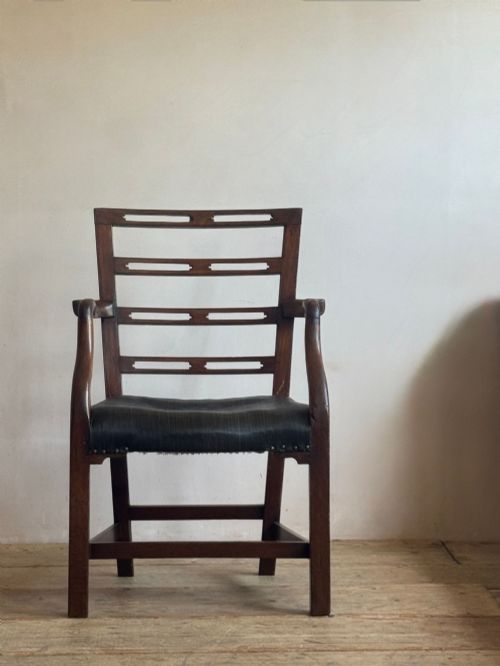
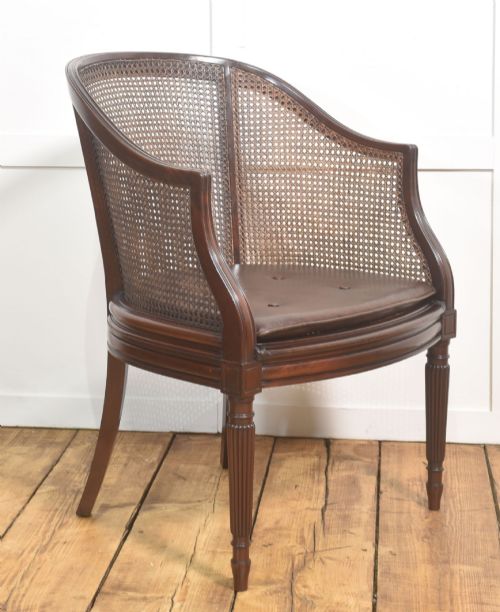
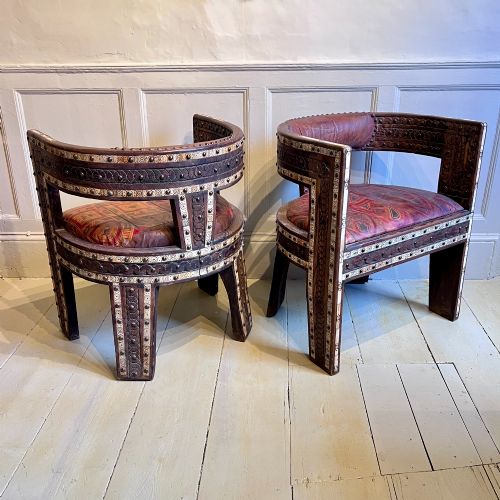
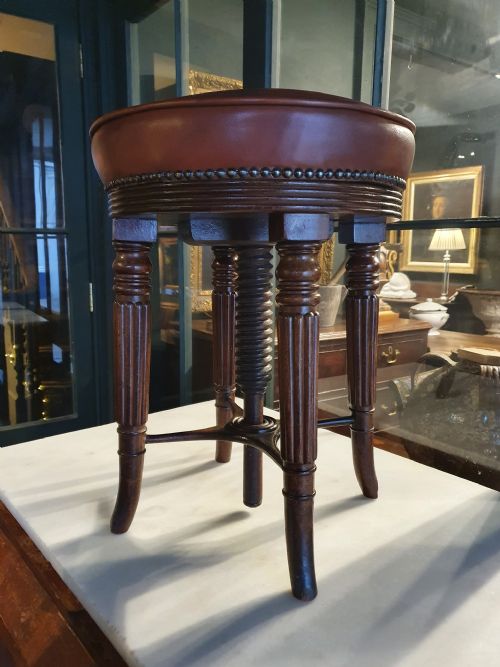
Dark wood leather seats bring together rich timber frames and supple hides, offering enduring comfort and strong character for dining rooms and studies.
Dark Wood Leather Seats
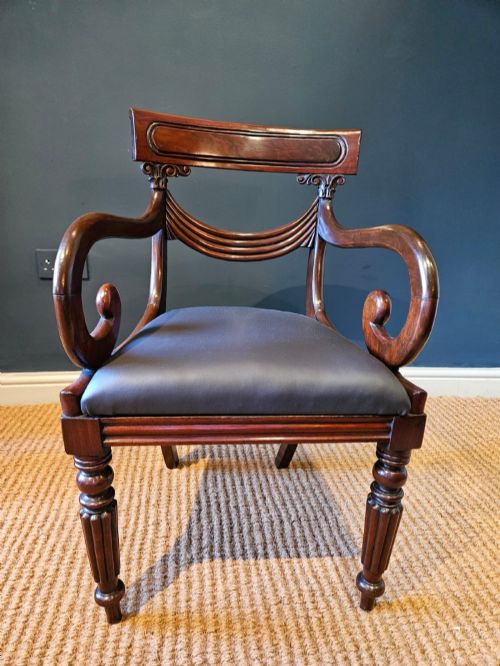
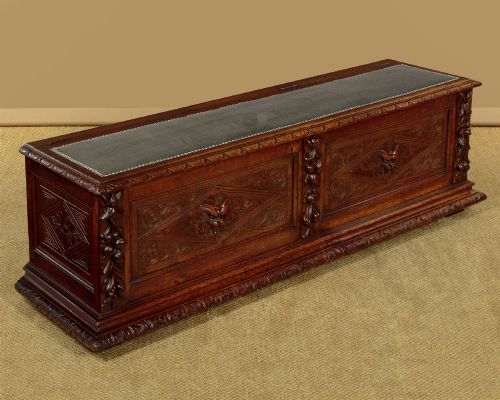
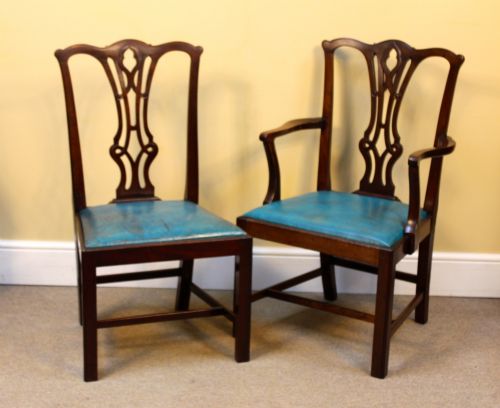
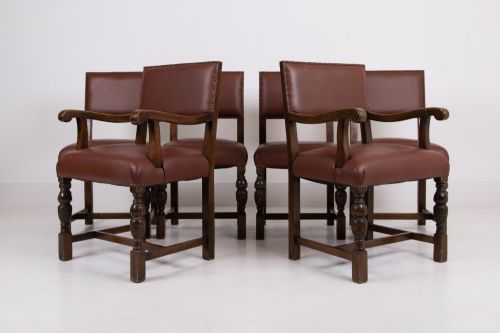
When you search for dark wood leather seats, you encounter a wide array of historical seating designed for dining, reading, and everyday utility. These pieces combine robust timber frames with practical hide upholstery, spanning centuries of cabinet-making and design evolution.
The selections on this page run from formal dining chairs and carvers to library armchairs, desk chairs, and occasional seating. You find single items alongside large matched sets, reflecting how these pieces served both grand households and domestic interiors.
Origins stretch across Georgian, Regency, Victorian, and Edwardian periods, taking in revival styles like Chippendale, Hepplewhite, and Queen Anne. Woods such as mahogany, oak, and walnut predominate, often paired with brass details or carved elements.
Materials and construction
Timbers like mahogany, oak, walnut, and rosewood form the structural core of these chairs and benches, selected for strength and deep natural grain. Cabinet-makers utilised traditional joinery techniques, including mortise and tenon joints, to ensure the frames withstood decades of daily use.
Leather upholstery is secured to the wooden frames using traditional tacks or brass studs, often concealing stuffing materials like horsehair beneath the surface. Ebonised finishes and inlaid decorations appear on specific pieces, showing the diverse surface treatments applied by period workshops.
Listings feature mahogany, oak, walnut, and rosewood timbers paired with leather, brass, and ebonised wood across multiple centuries.
Evaluating craftsmanship
The distinction between ordinary and exceptional pieces lies in the crispness of the timber carving and the integrity of the structural frame. Finer examples display meticulous attention to proportion, hand-cut joinery that remains tight, and timber selected for superior grain figure and rich natural colour.
Upholstery methods and the grade of the leather also set pieces apart, with higher quality seating retaining supportive internal padding and durable, supple hide. Original surfaces and patination earned through age elevate a piece above those with heavy modern restorations.
Liberty and Co·H. Samuel, London
The Dark Wood Leather Seats Glossary
- Carver
- An armchair, typically designed to sit at the head of a dining table or function as a standalone study seat. These pieces feature supportive armrests integrated into the wooden frame.
- Ebonised wood
- Timber treated with a dark stain or chemical process to imitate ebony. This finish gained popularity in the nineteenth century for library and occasional furniture.
- Mortise and tenon
- A traditional woodworking joint where a projecting tongue fits snugly into a corresponding cavity. This method provides immense structural rigidity without relying on metal fasteners.
- Patina
- The surface sheen and softening of colour developed by wood and leather over decades of handling and exposure to light. A rich patina indicates genuine age and careful maintenance.
- Revival style
- A design movement drawing inspiration from earlier historical periods such as Georgian or Queen Anne. Makers reinterpreted these classic forms for contemporary nineteenth and twentieth-century interiors.
Dark Wood Leather Seats: Frequently Asked Questions
Can I mix different chair styles?
Combining various dark wood chairs around a single table creates a collected, eclectic interior. Matching timber tones helps unify disparate designs.
Ensure seat heights remain uniform so diners sit at a comfortable level. Pairing armchairs at the head of the table with simpler side chairs works particularly well.
How do I identify the wood type?
Examine the grain pattern, colour depth, and weight of the timber frame. Mahogany tends to show a reddish-brown hue with fine, straight grain, while oak displays prominent growth rings and medullary rays.
Dark finishes like ebonised wood or walnut have distinct undertones that emerge under bright natural light. Consulting period characteristics helps confirm the material.
Are these chairs suitable for daily use?
Period seating is built with robust joinery designed to withstand generations of physical weight and movement. Checking the stability of the frame ensures it handles everyday demands.
Upholstered leather seats offer durable support that improves with proper care. Regular inspection of joints keeps vintage chairs safe for regular sitting.