




Dark Wood Jardiniere
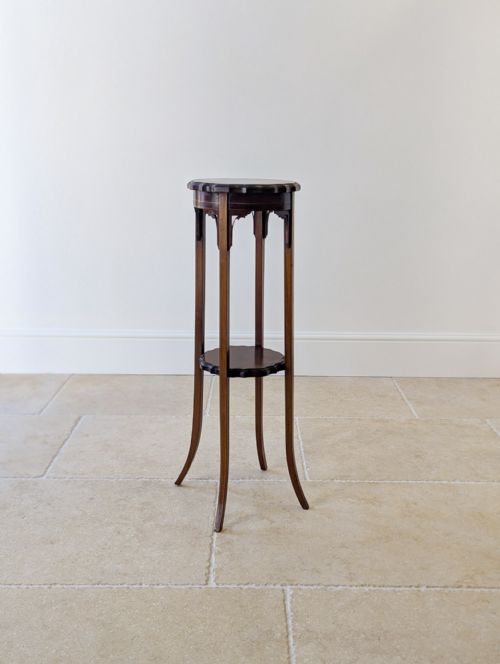
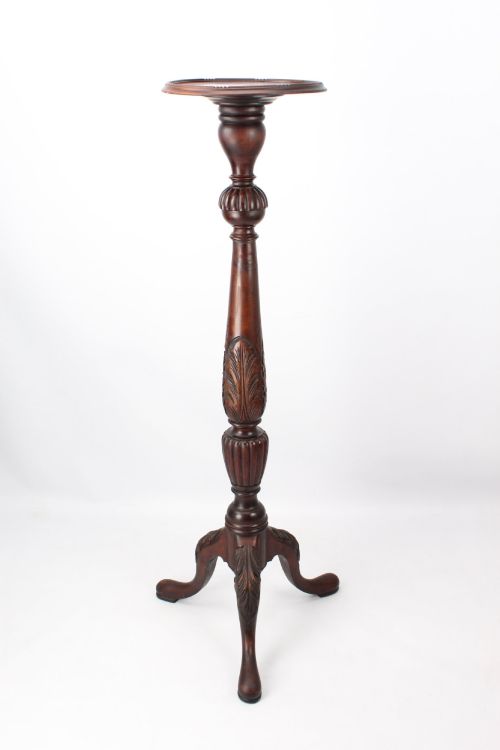
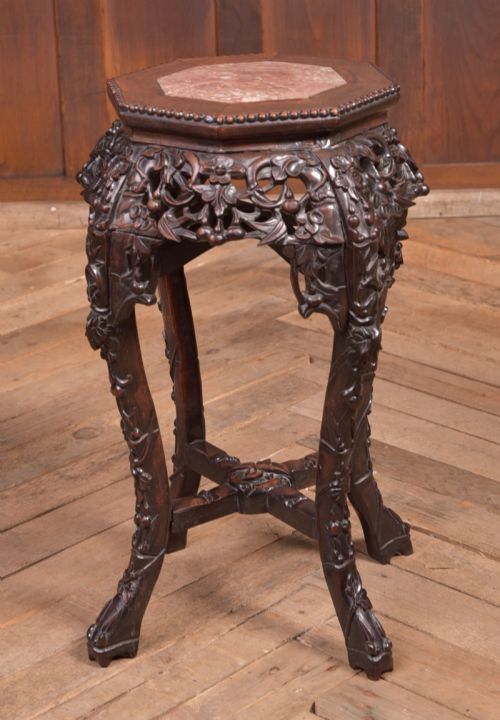
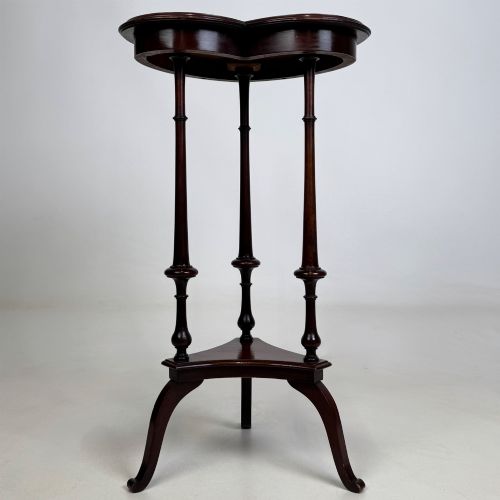
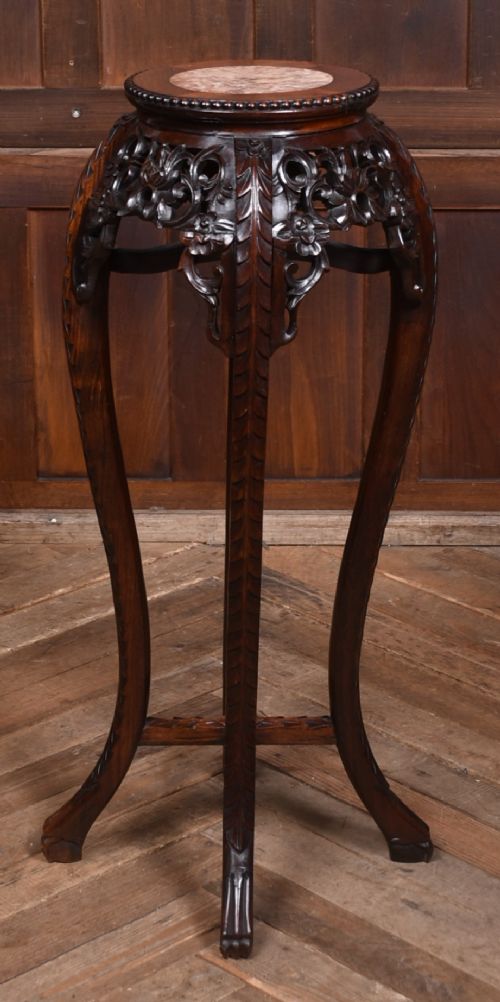
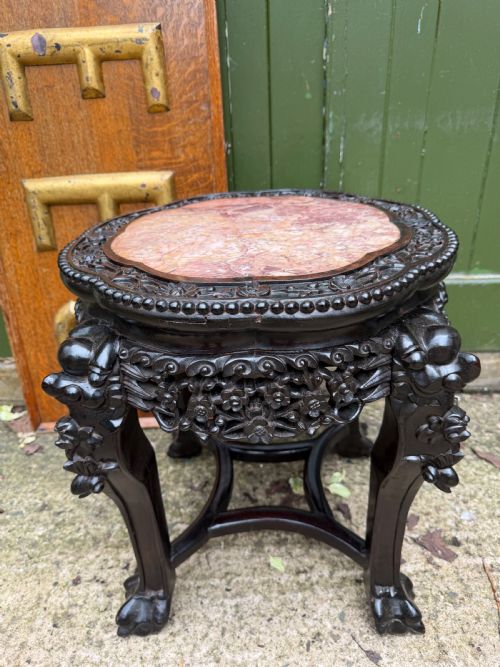
A dark wood jardiniere brings natural texture indoors, holding plants in solid timber containers shaped across centuries.
Identifying a dark wood jardiniere
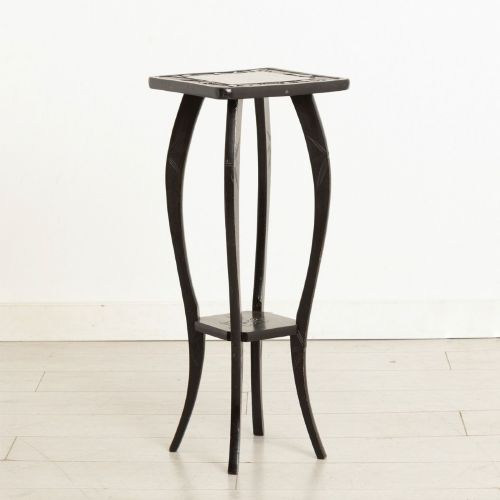
The selections span the Georgian, Edwardian, and 1930 periods, showing how interior planting evolved from formal drawing rooms to domestic spaces. Most examples combine rich timber frames with metal liners designed to hold soil and water safely.
Construction and materials
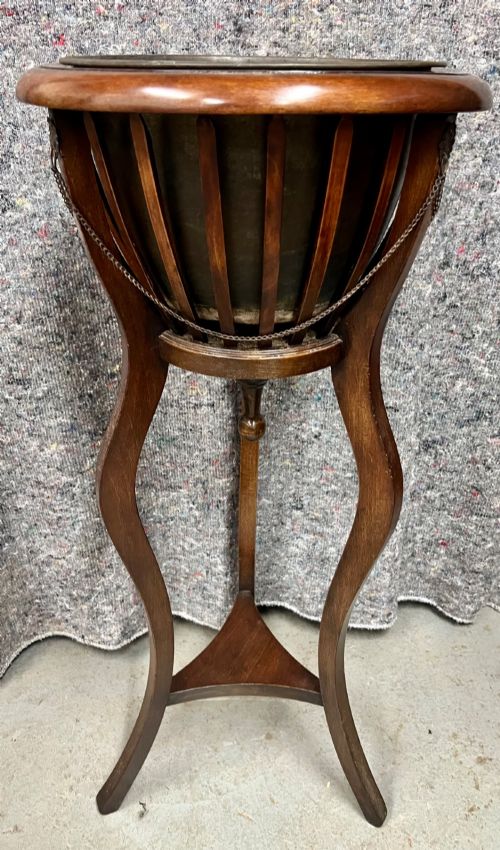
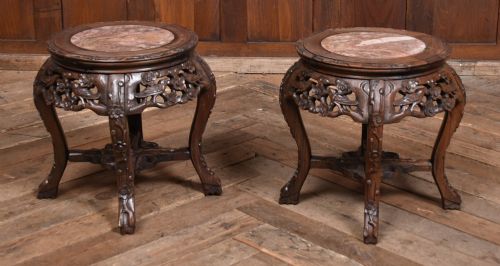
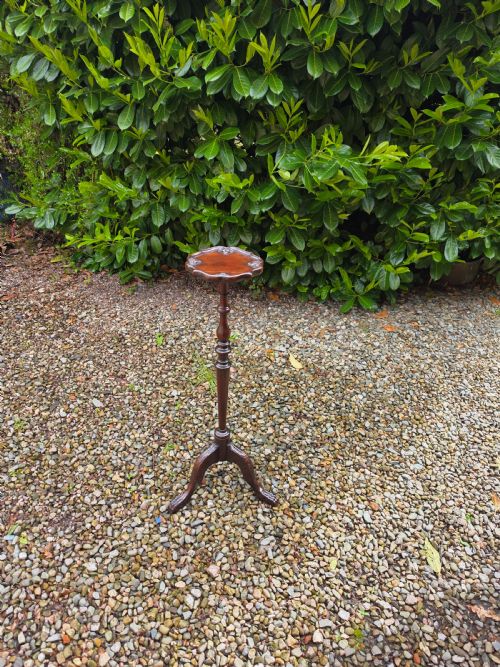
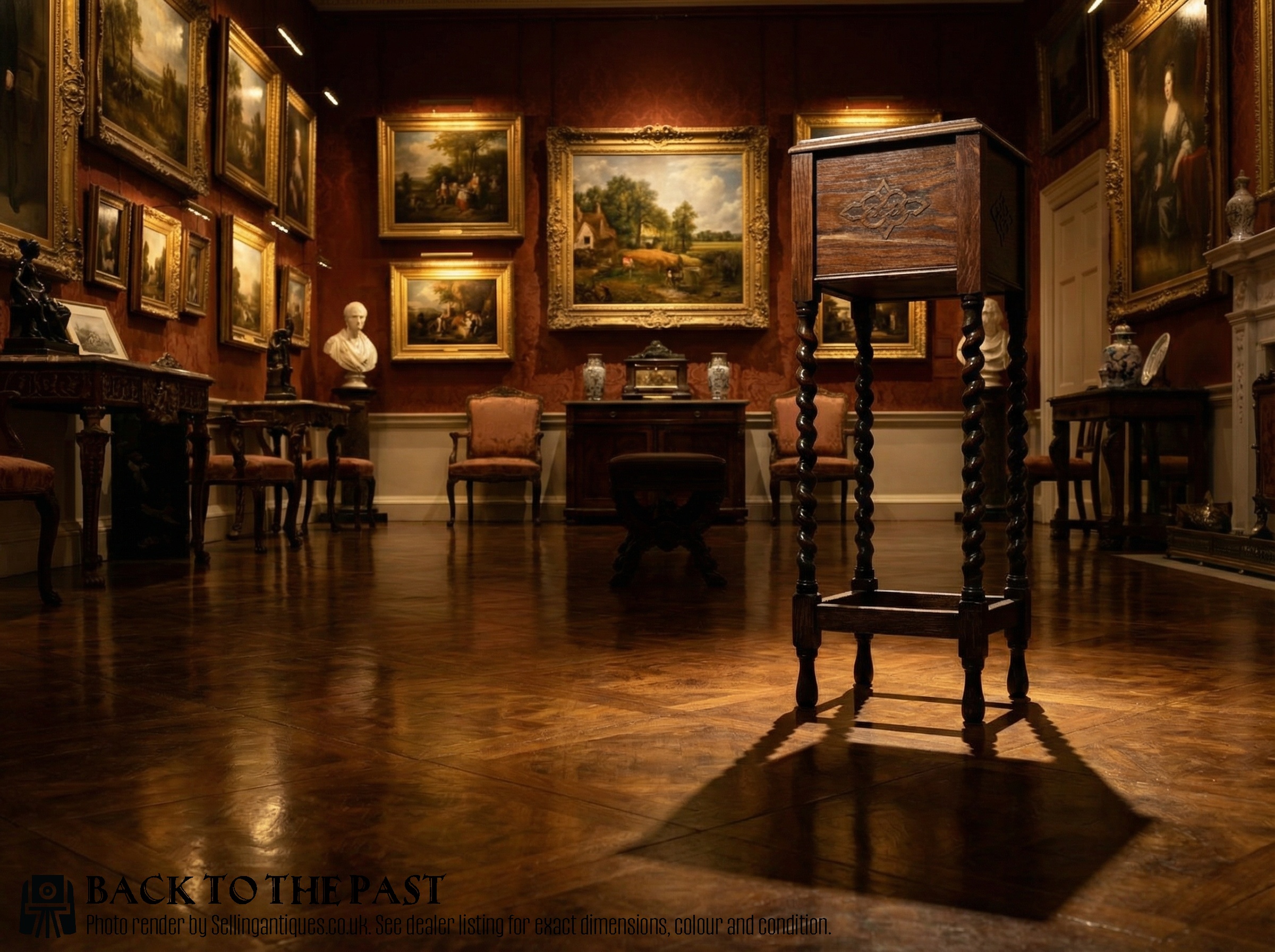
Cabinetmakers utilised durable timbers including mahogany, oak, and rosewood, shaping them with turned elements like barley twist columns and carved details. Woodwork is frequently paired with brass or copper liners to protect the timber from moisture.
Joinery methods reflect the active periods, from early nineteenth-century carved rosewood frames to Edwardian turned plant stands. Metal components are integrated directly into the timber structure to support live planting.
Retail Price Guide 2026
Typical UK retail prices for dark wood jardiniere, calculated from the Sellingantiques database of over a million retail prices indexed since 2003. This retail price guide relies exclusively on Sellingantiques data; no external sources or auction records are used, so the figures do not describe the wider market.
Some nineteenth-century makers designed specialised crocus tables just so indoor bulbs could be admired at eye level during winter.
Assessing quality
Quality rests in the choice of timber and the precision of the turning, distinguishing simple utility vessels from finely carved George IV examples. Grain pattern and surface depth separate standard production items from pieces bearing detailed artisan carving.
The integration of original metal liners and the crispness of carved motifs indicate higher workshop standards. Pieces showing considered proportion and intact structural joinery stand apart from basic utilitarian planters.
Thomas King
The Dark Wood Jardiniere Glossary
- Jardiniere
- An ornamental pot or stand designed to hold plants or flowers indoors. They function as both decorative furniture and practical botanical vessels.
- Barley Twist
- A decorative turning technique resembling a twisted rope, seen frequently on upright supports. This style adds texture and visual movement to wooden furniture legs.
- Crocus Table
- A low table or stand specifically designed for holding small bulbous plants or cut spring flowers. These specialist forms date to the early nineteenth century.
- Cache Pot
- An ornamental flowerpot used to conceal a plain inner pot without a drainage hole. They prevent water from damaging surrounding furniture.
Frequently Asked Questions
What is a dark wood jardiniere used for?
These pieces serve as decorative stands and containers for displaying indoor plants, ferns, and floral arrangements. They elevate greenery off the floor while protecting interior surfaces with fitted metal liners.
Historically, they allowed affluent households to bring botanical specimens into formal living spaces. Today, they function both as plant holders and as sculptural wooden furniture.
Are these planters waterproof?
Most antique jardinieres include a removable brass or copper liner designed to catch water and hold soil. These metal inserts protect the surrounding dark wood from moisture damage during watering.
However, liners can develop leaks over long periods of use. It is wise to check the condition of the metal insert before placing live plants inside.
How do I care for antique wood furniture?
Maintenance involves dusting with a soft, dry cloth and avoiding placement near direct heat sources or strong sunlight. Maintaining stable indoor humidity prevents timber from drying out or splitting.
Applying a traditional beeswax polish occasionally helps nourish the wood grain. Avoid using modern chemical sprays that can strip the historic finish.