



Dark Wood Inlaid Trunk
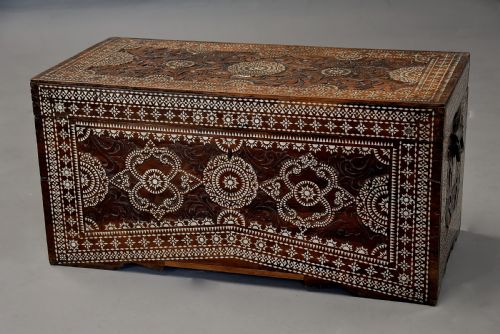
These dark wood inlaid trunks span centuries and origins, bringing tactile grain and contrasting detail into a room.
Dark Wood Inlaid Trunk
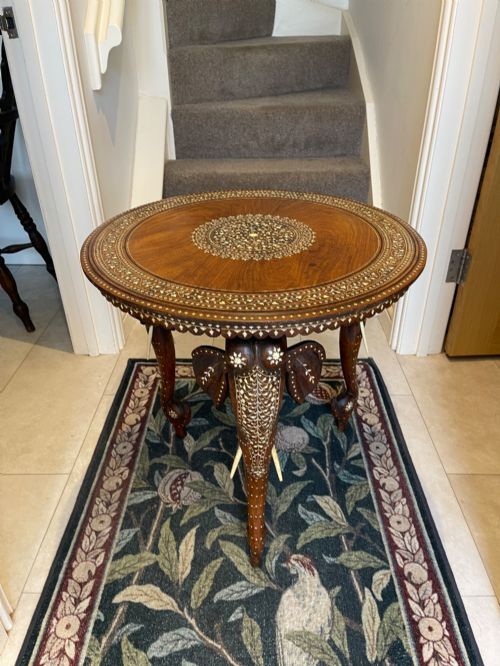
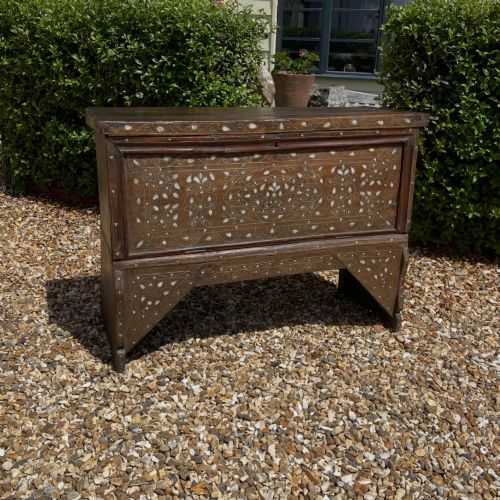
When searching for a dark wood inlaid trunk, a buyer encounters pieces originating from different geographic traditions, including Middle Eastern, Syrian, and Indian workshops. These items function as storage vessels or decorative chests, often incorporating rich timbers like hardwood and rosewood.
The versions most commonly met on this page range from nineteenth-century Syrian examples to early twentieth-century Middle Eastern storage chests. They sit alongside related coffers and dowry chests from periods such as the seventeenth century and the Georgian era.
Makers and artisans utilised various ornamental traditions, combining dark wood surfaces with reflective materials to create striking visual contrast. Each piece reflects the functional requirements and aesthetic preferences of its specific period of production.
How they were made
Construction relies heavily on dense timbers such as rosewood, mahogany, and general hardwoods, providing a sturdy foundation for intricate surface work. Artisans built these chests using traditional joinery appropriate to the period and regional workshop.
Decoration is achieved through the precise insertion of contrasting elements into the wooden body. Craftsmen employed mother of pearl, brass, and bone to create geometric or floral patterns across the lids and panels.
Dark Wood Inlaid Trunk Retail Price Guide 2026
Typical asking prices for dark wood inlaid trunk among the pieces listed under this phrase on Sellingantiques today, from the lower quarter to the upper quarter. They describe what is for sale here now, not the wider market.
Some nineteenth-century Indian dowry chests feature hidden compartments designed to guard secret family recipes from overly curious relatives.
What varies in quality
The standard of a dark wood inlaid trunk depends upon the precision and complexity of its surface decoration. Finely executed pieces display tightly fitted mother of pearl and metal wire without significant gaps or missing sections in the pattern.
The choice and preparation of the underlying timber also determine the overall merit of the object. Heavier, well-seasoned woods with rich natural grain provide a superior ground for the decorative elements compared to simpler utilitarian alternatives.
Haley & Milner·Sam Robson·James Bell Bath
The Dark Wood Inlaid Trunk Glossary
- Mother-of-pearl
- The iridescent inner layer of certain mollusc shells used for decorative inlay. It creates a luminous contrast against dark timbers.
- Cofer
- An archaic spelling for a chest or strongbox used for valuables. These heavy storage pieces often featured hinged lids and robust construction.
- Hardwood
- Timber derived from broad-leaved trees, noted for density and durability. It forms the structural body of many decorative trunks.
- Inlay
- A technique where pieces of contrasting material are embedded into a recessed surface. This method creates flush, ornamental patterns on furniture.
Dark Wood Inlaid Trunk: Frequently Asked Questions
How do I clean a mother of pearl inlay?
Dust the surface gently with a soft, dry cloth to prevent dirt accumulation in the recessed joints.
Avoid using harsh chemical polishes or excessive moisture, which can loosen the delicate shell pieces.
What is a dowry chest?
A dowry chest was traditionally used by a bride's family to store household goods, linens, and valuables before marriage.
These pieces often feature specific regional ornamentation and sturdy construction to last across generations.
How do I date an inlaid trunk?
Dating relies on examining the construction methods, nail types, hinge styles, and the specific composition of the wood.
Comparing the decorative patterns to known regional and period examples also helps narrow down the decade of production.