


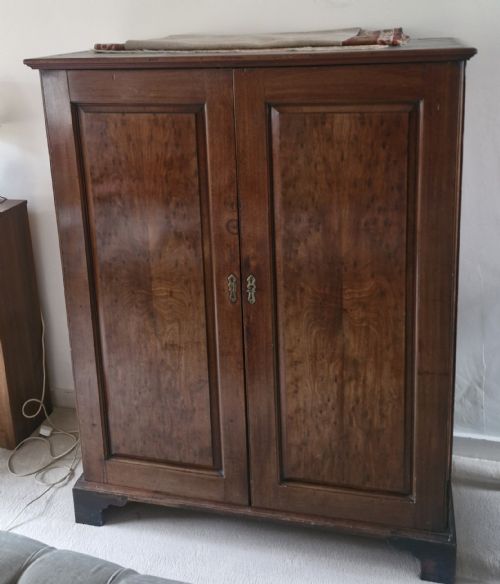

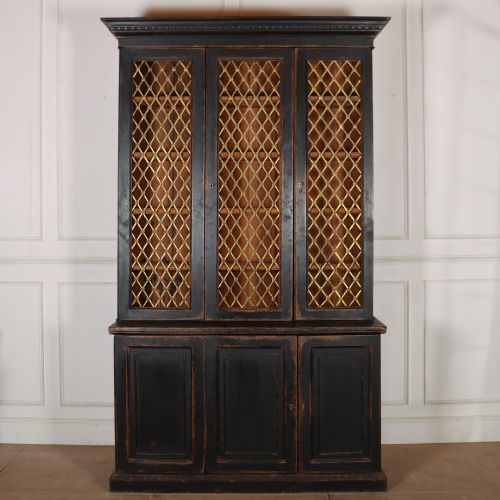
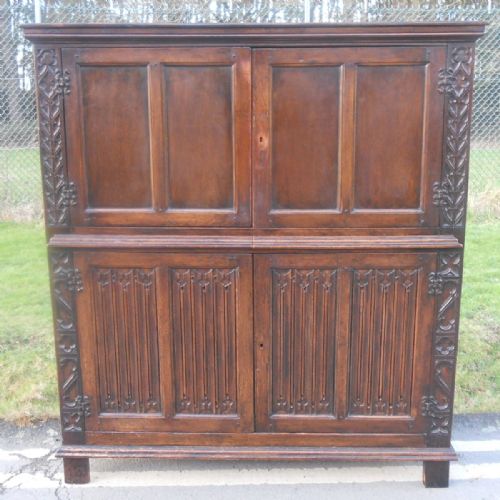
Dark Wood Housekeepers Cupboard
A dark wood housekeepers cupboard is a sturdy utilitarian piece offering generous storage, built to last for generations.
Dark Wood Housekeepers Cupboard
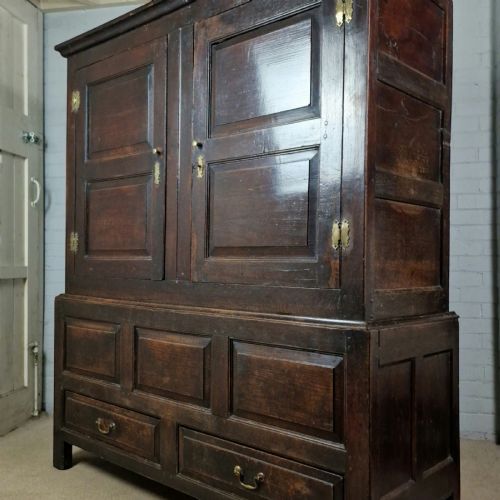
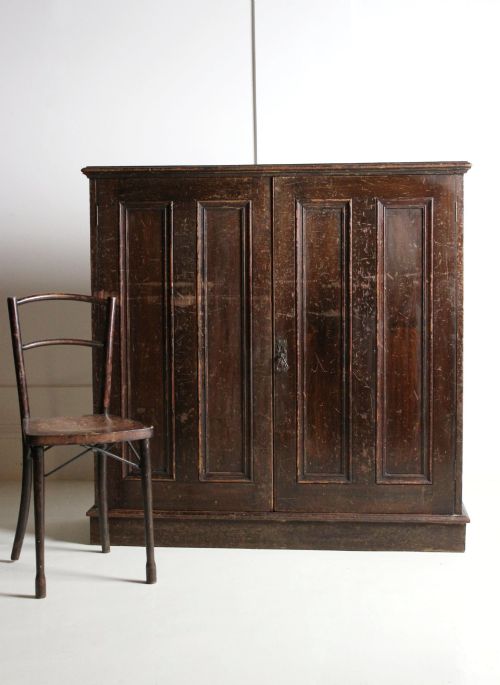
When you search for a dark wood housekeepers cupboard, you encounter substantial storage furniture designed for domestic linen and provisions. These pieces span periods from the mid eighteenth century through to the twentieth century, reflecting practical storage needs in large houses.
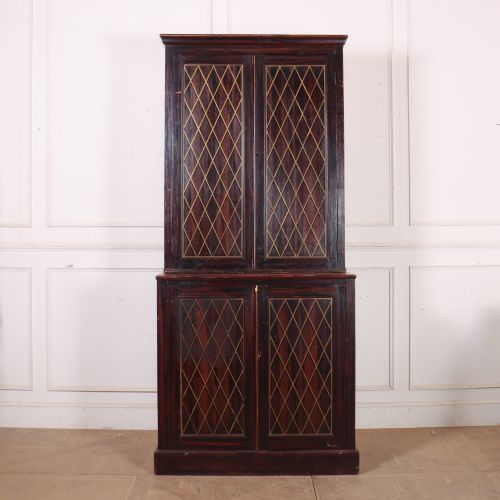
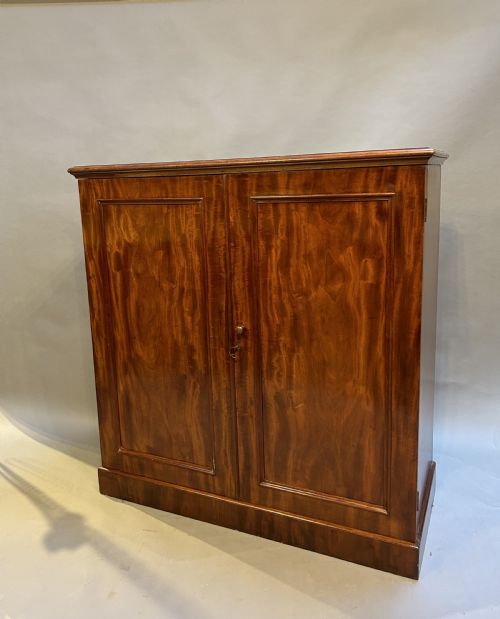
The versions most commonly met on this page include robust oak and mahogany constructions from the Georgian and Victorian eras. These range from traditional press cupboards and linen presses to simpler storage cabinets and painted examples.
Originating in large country houses where housekeepers managed household textiles and stores, these substantial cupboards provide deep shelving and hanging space. Their enduring appeal lies in their combination of honest proportions and generous capacity.
Materials and construction methods
Makers utilised sturdy timbers such as oak, mahogany, and pine to build these heavy storage units. Solid construction methods ensured the pieces could withstand daily domestic use in busy households.
Metal hardware such as brass handles and iron hinges provided functional reinforcement to heavy doors and drawers. Painted finishes and stained pine treatments also appear, reflecting regional preferences and later decorative choices.
Many historic food cupboards retain subtle traces of old flour and dried herbs deep within their untouched timber corners.
Assessing quality and finish
Quality in these large cupboards rests upon the selection of timber and the integrity of the joinery. Fine pieces display well-figured mahogany or closely grained oak with precise panel construction.
Proportion and original hardware distinguish superior examples from simpler utilitarian storage. The handling of cornices, base plinths, and door panels reveals the skill of the original cabinetmaker.
Heals
The Dark Wood Housekeepers Cupboard Glossary
- Housekeepers cupboard
- A large storage cabinet traditionally used for linens and provisions in a country house. These pieces often feature upper cupboard sections combined with lower drawers.
- Linen press
- A tall cupboard designed specifically for storing folded linen, typically featuring sliding trays or shelves behind upper doors. They often incorporate a chest of drawers in the base section.
- Livery cupboard
- An early form of ventilation cupboard used for storing food and household provisions. These pieces frequently incorporate pierced or louvred panels to allow air circulation.
- Cornice
- The ornamental moulding running round the top edge of a cabinet or press. It provides a finished architectural transition to the ceiling.
- Plinth
- The heavy base block upon which a tall cupboard rests. It gives stability and visual weight to large storage furniture.
Dark Wood Housekeepers Cupboard: Frequently Asked Questions
What is a housekeepers cupboard?
A housekeepers cupboard is a large, utilitarian piece of furniture traditionally used in large domestic settings for storing household linens, blankets, and dry provisions. They are characterised by their generous proportions and combination of deep shelving and drawers.
Over time, these versatile pieces transitioned from service wings into main living spaces, where they serve as impressive standalone storage solutions for modern homes.
How were linen presses used?
Linen presses were designed to keep household textiles flat and organised by utilising internal sliding trays or shelves behind large upper doors. The heavy weight of the timber press helped to smooth linens naturally.
The base section usually contains chest drawers for smaller items, making the entire unit a comprehensive wardrobe and storage system for historical households.
How do I date an oak cupboard?
Dating an oak cupboard involves examining the construction techniques, timber preparation marks, and overall joinery style. Eighteenth-century examples often display pegged mortise and tenon joints with hand-planed surfaces.
Later Victorian and twentieth-century iterations show standardised machine sawing and different hardware styles, helping to narrow down the period of manufacture.
Where should I place a large cupboard?
These large cupboards require substantial wall space and careful placement to accommodate their deep proportions and swinging doors. Hallways, large kitchens, and spacious bedrooms suit their scale best.
Ensuring adequate clearance for internal shelves and drawers is essential before positioning these heavy wooden pieces in a room.