
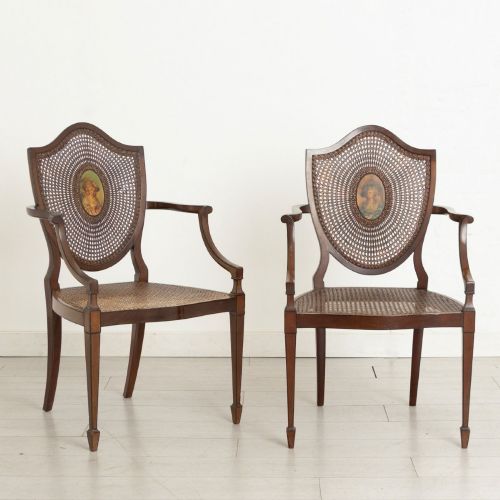
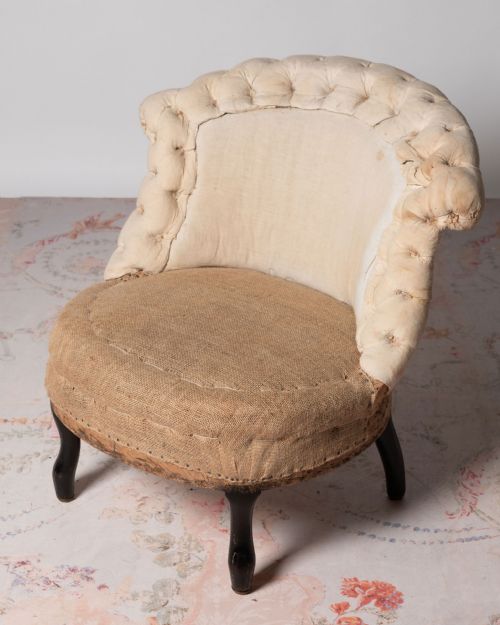


Dark Wood French Chair
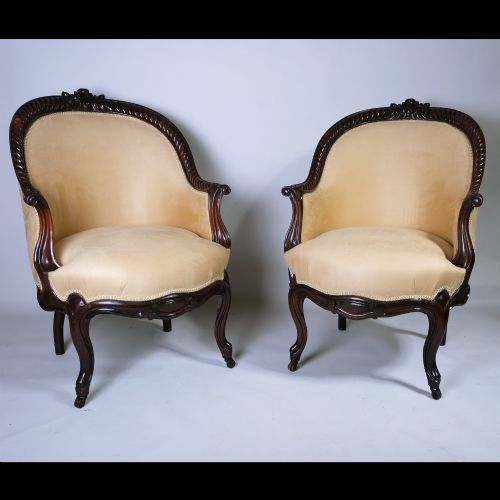
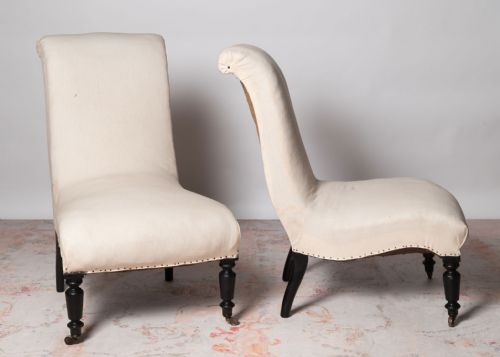
A dark wood french chair brings substantial timber and continental shape into a room, offering both practical seating and strong decorative presence.
Materials and construction methods
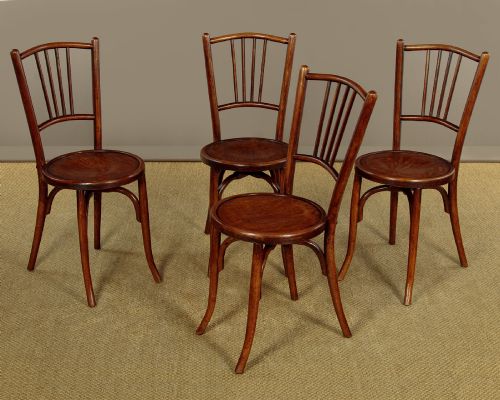
Construction relies heavily on dense timbers like mahogany, oak, beech, and walnut, often enhanced with exotic veneers such as kingwood, calamander, and macassar ebony. Makers utilised traditional joinery alongside steam-bending techniques for bentwood components and structural frames.
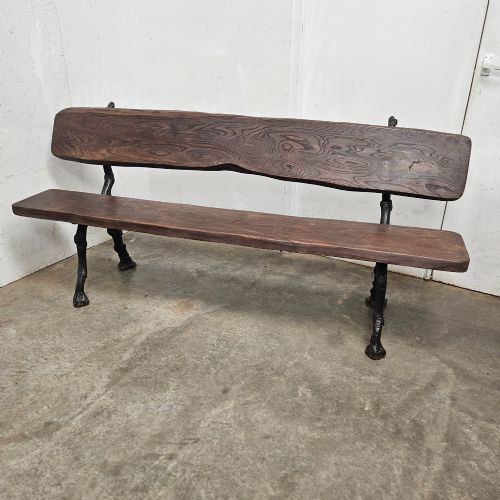
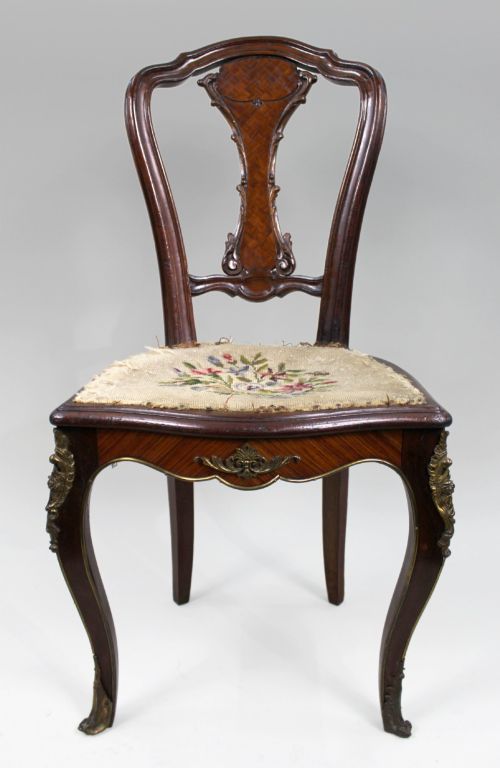
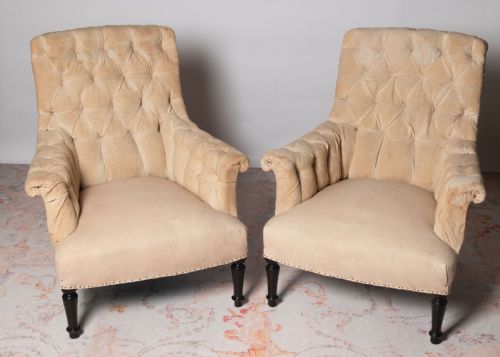
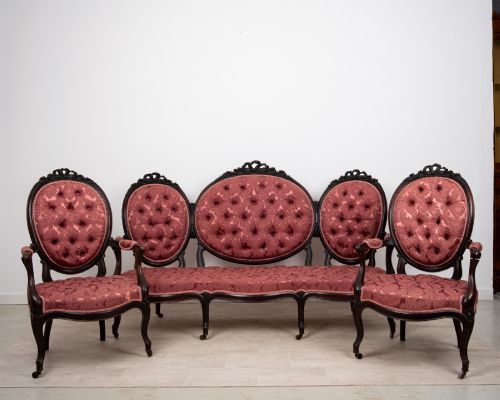
Decorative enrichment frequently includes hand-carved motifs, parquetry, brass or ormolu mounts, and iron elements. Upholstered examples incorporate deep buttoning, fabric, linen, and needlepoint tapestry panels secured to the wooden frames.
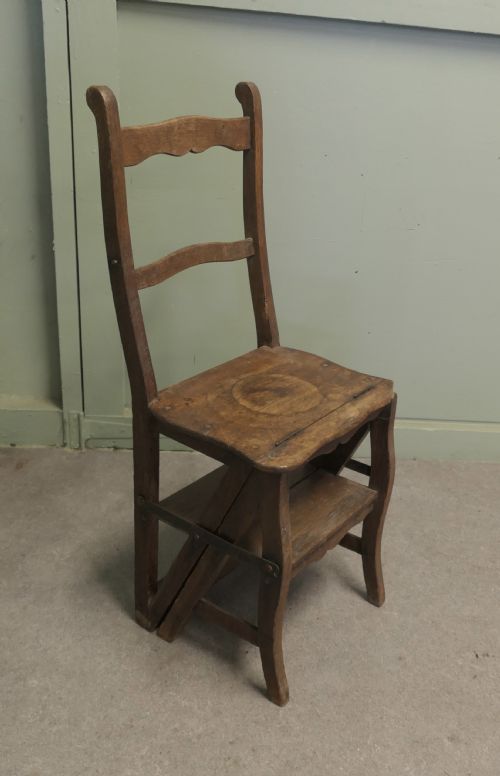
Workshops combined structural joinery with surface polishing to highlight the natural grain and dark colour of the wood. Metal brackets, hinges, and mounts provided reinforcement for folding or metamorphic designs.
Determinants of quality
The standard of a piece rests on the precision of the timber selection, the complexity of its veneers, and the crispness of any carved ornamentation. Superior examples display seamless parquetry, tightly fitted joinery, and well-preserved brass or ormolu mounts.
The integrity of the structural frame dictates longevity, with heavier hardwood skeletons resisting daily wear more effectively than lighter alternatives. Upholstery execution, from the tension of the springs to the fineness of needlepoint panels or fabric, distinguishes standard production from masterwork output.
Historical provenance and maker attribution elevate certain items above domestic equivalents, particularly those bearing identifiable workshop signatures or documented Parisian origins. The harmony between the original wood finish and applied decorative elements governs the overall visual impact.
One listed nineteenth century item cleverly conceals its primary function as seating inside a metamorphic step ladder.
Louis Majorelle·Codina·Baumann
The Dark Wood French Chair Glossary
- Fauteil
- An open-arm armchair with upholstered back and seat, typically featuring exposed wooden arms and carved framework.
- Bergere
- An enclosed upholstered armchair with a wooden frame and cane or fabric sides.
- Parquetry
- Geometric wood inlay work used to create decorative patterns on furniture surfaces.
- Ormolu
- Gilded bronze mounts applied as decorative ornaments to wooden furniture.
- Bentwood
- Wood softened by steam and bent into curved structural forms, commonly utilised in bistro and salon seating.
Dark Wood French Chair: Frequently Asked Questions
How do I identify nineteenth century pieces?
Nineteenth century pieces are identified through traditional joinery methods, period-specific styles like Gothic Revival or Louis XVI revival, and the use of solid timbers and veneers.
Examination of the wood grain, wear patterns, and upholstery backing often reveals the age and manufacturing origin of the chair.
Where were these chairs used?
These chairs were utilised across various domestic and institutional settings, ranging from formal parlours and libraries to dining rooms and gardens.
Different forms served specific purposes, such as folding chairs for travel, side chairs for salons, and armchairs for reading or relaxation.
How should I care for dark wood furniture?
Dark wood furniture benefits from placement away from direct sunlight and extreme temperature fluctuations to prevent timber splitting or fading.
Regular dusting with a soft cloth and occasional appropriate polishing helps maintain the finish of woods like mahogany, rosewood, and oak.