




Dark Wood Document Box
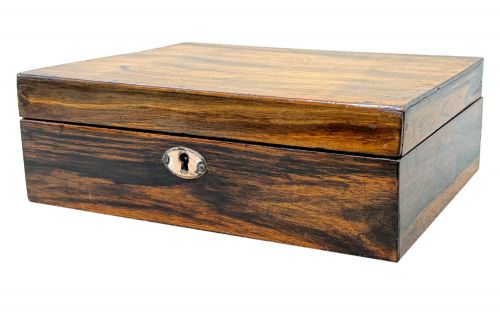
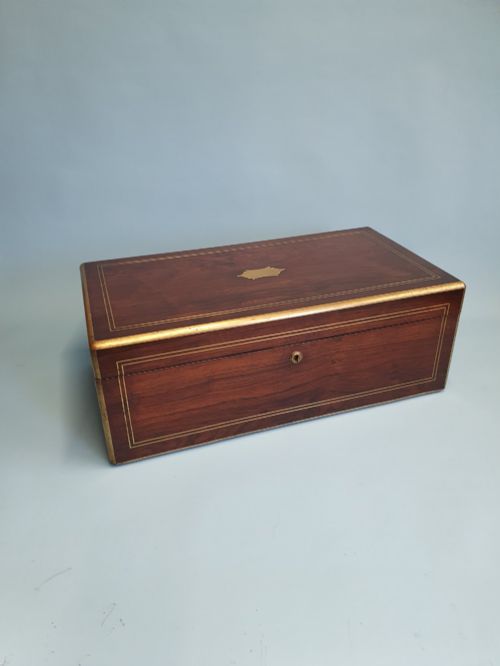
A dark wood document box holds private papers and keepsakes, offering solid construction and rich timber figure.
Dark Wood Document Box
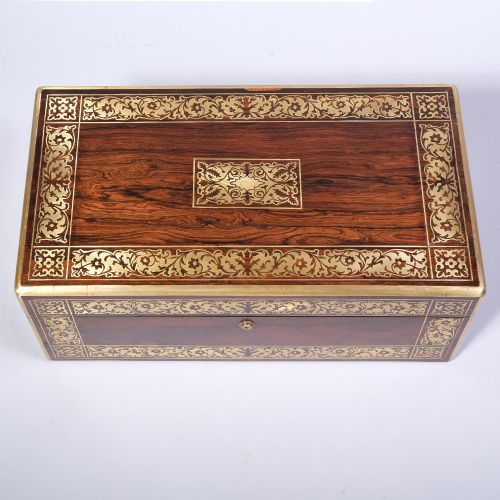
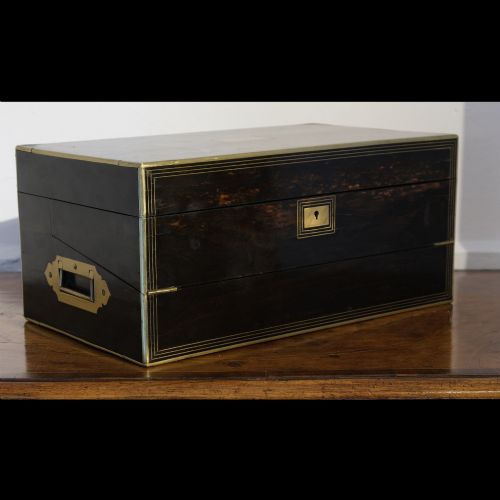
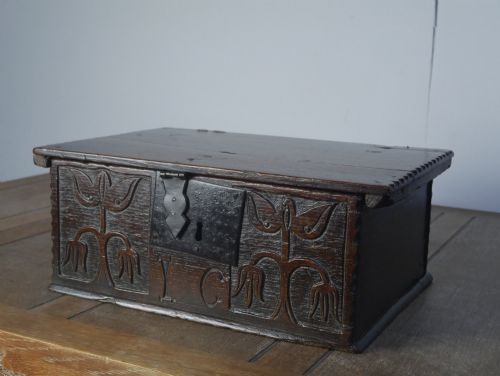
When you search for a dark wood document box, you examine a variety of storage pieces designed to protect papers, letters and valuables. These items range from sturdy oak bible boxes and early deed chests to refined Victorian writing slopes and coromandel stationery cabinets. The selection leans heavily toward nineteenth-century rosewood, mahogany and coromandel examples fitted with brass mounts or secret drawers.
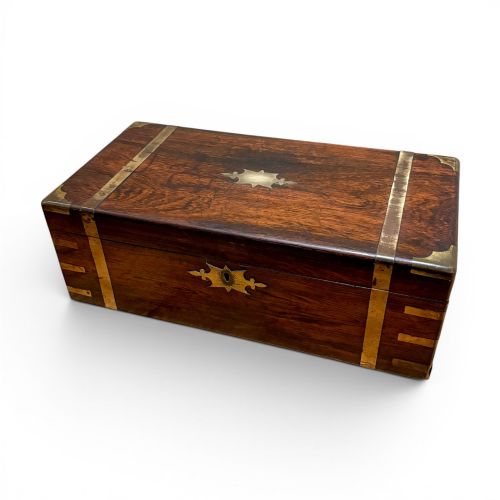
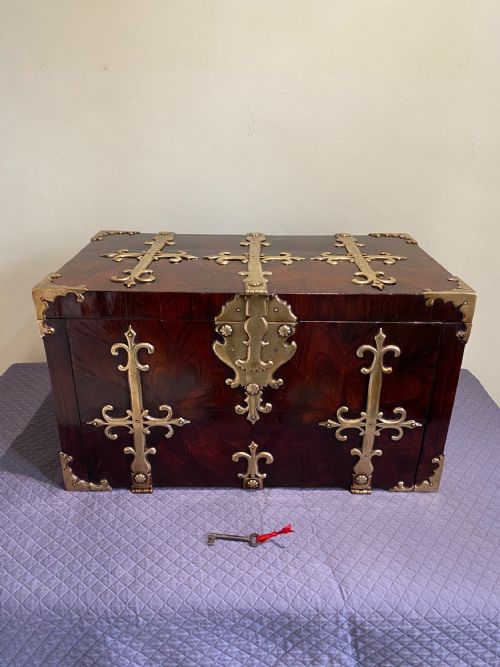
You meet many forms on this page, including campaign writing boxes, tabletop cabinets, and folk art painted pine strong boxes. Earlier pieces from the sixteenth and seventeenth centuries include iron-bound Nuremberg caskets and carved oak boxes on stands. The nineteenth-century variants dominate the listings, offering compartmentalised interiors suited for correspondence and documents.
Materials and construction
Cabinetmakers utilised dense exotic hardwoods such as rosewood, coromandel, ebony and kingwood alongside domestic timbers like oak and mahogany. These dark woods were selected for their rich grain patterns and durability, often enhanced by marquetry inlay, pokerwork, or brass banding and corner mounts to reinforce the structure.
Internal fitting required precise joinery to create secret compartments, letter slots and sloping writing surfaces lined with leather or velvet. Metalwork components, including iron locks, brass hinges and working keys, were integrated to secure valuable papers and correspondence.
A nineteenth-century box preserves the records of the King's Own regiment.
What separates the finest examples
Quality rests upon the selection of timber veneers and the crispness of the brass inlay or marquetry work. Superior boxes display carefully matched grain patterns across the lid and sides, combined with robust internal carpentry that includes hidden drawers and pigeonholes.
The degree of original finish, the presence of working locks with keys, and specialised ornamentation such as pietra dura panels or fine gothic carving elevate certain pieces above standard utility boxes.
Houghton and Gunn·Lund of London·C.G. Hope Hastings
The Dark Wood Document Box Glossary
- Writing slope
- A portable box with an angled lid that folds down to form a writing surface, containing compartments for inkwells and paper.
- Coromandel
- A dense, heavily figured Southeast Asian timber featuring dark brown and black stripes, highly prized in Victorian cabinetmaking.
- Campaign box
- A sturdy portable chest or writing box constructed for travel, typically reinforced with brass corners and flush carrying handles.
- Nuremberg casket
- An intricate iron-locking strong box produced in Germany from the sixteenth century onwards, featuring complex internal mechanisms.
- Pietra dura
- An artistic technique using inlaid cut and fitted polished coloured stones to create decorative pictures on box lids.
Dark Wood Document Box: Frequently Asked Questions
What fits inside a document box?
These boxes accommodate folded letters, deeds, writing paper and small personal valuables within their compartmentalised interiors.
Many examples include specific slots for envelopes and inkwells alongside hidden drawers for extra security.
How do I secure the box?
Most pieces utilise integrated brass or iron locks operated by a working key to keep the contents safe.
Campaign and stationery boxes often feature robust latches designed for regular transport and everyday use.
Where were these boxes placed?
Owners kept them on writing tables, desks or chests of drawers in studies, libraries and drawing rooms.
Portable variants were designed to travel with owners on journeys or military campaigns.
How do I date an oak box?
Earlier seventeenth-century pieces display pegged joinery, hand-carved panels and heavy oak construction without delicate veneers.
Later nineteenth-century iterations incorporate machine-sawn elements, exotic hardwoods and flush brass hardware.