

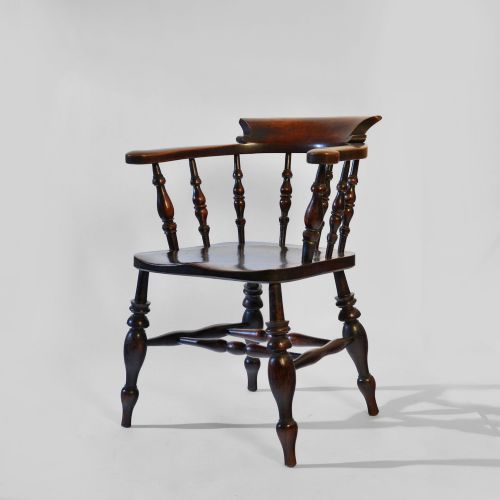
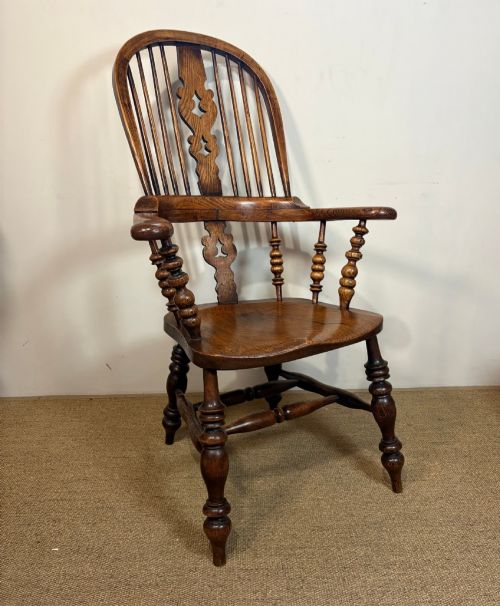
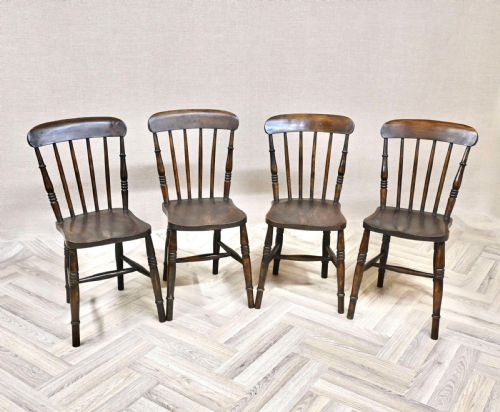
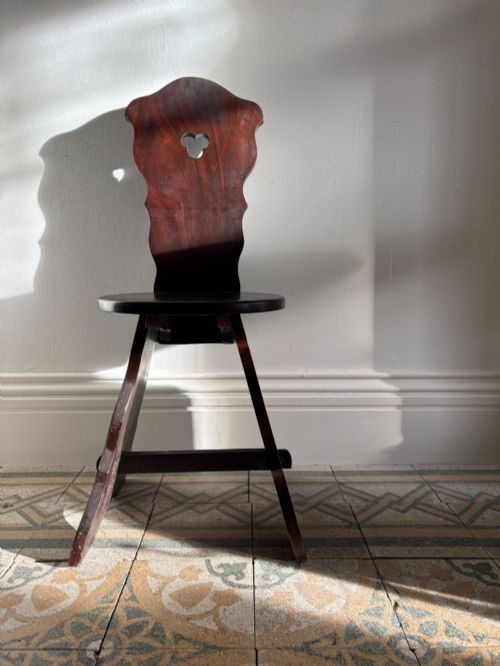
Dark Wood Country Chair
A dark wood country chair brings honest regional character and sturdy timber to domestic seating.
Dark Wood Country Chair
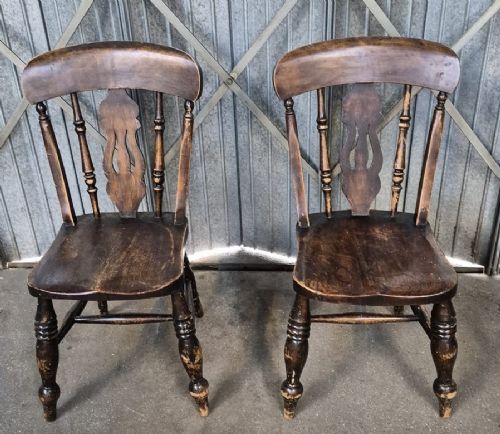
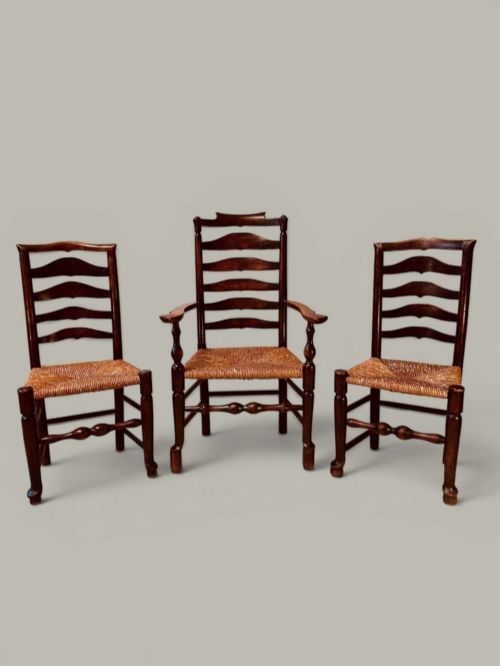
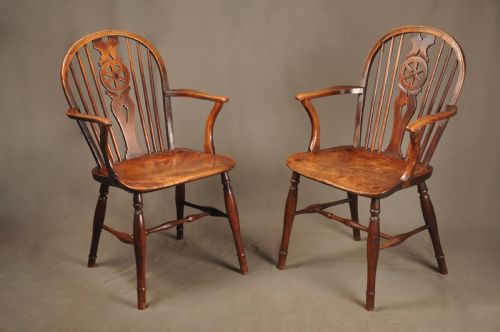
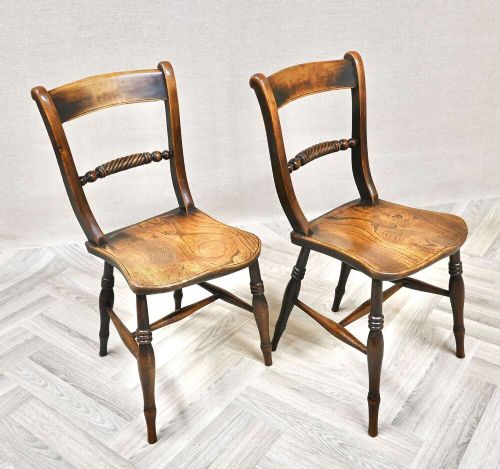
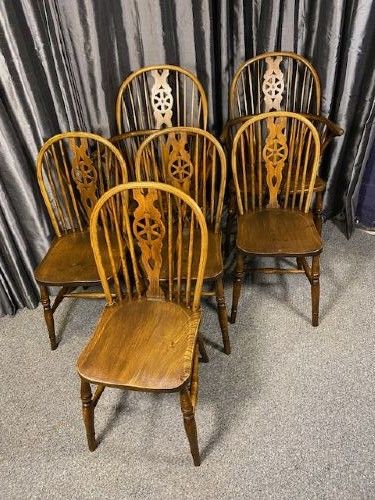
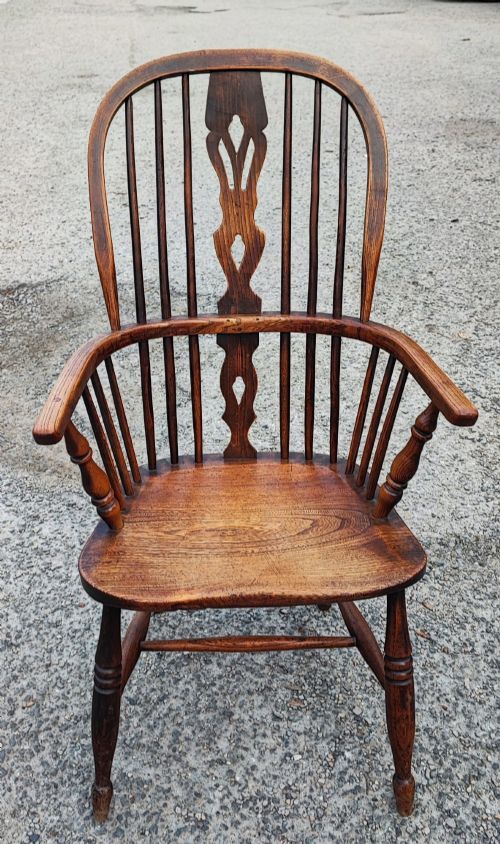
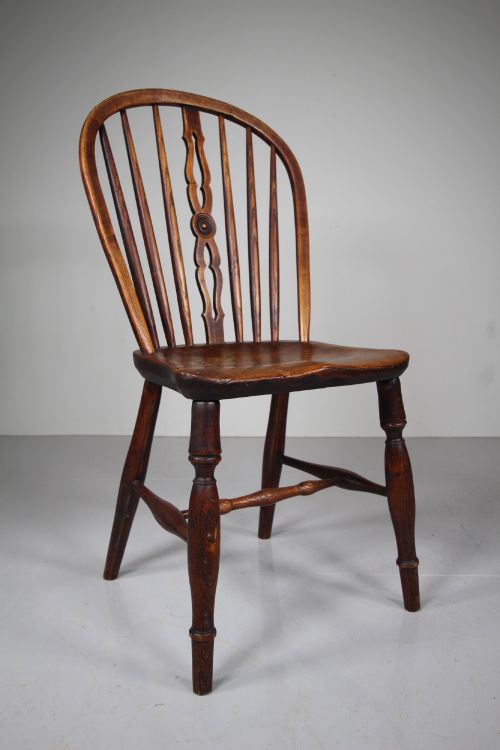
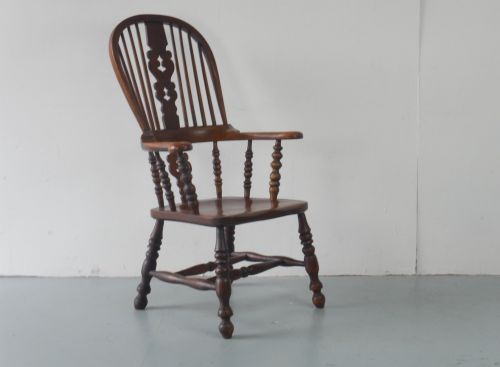
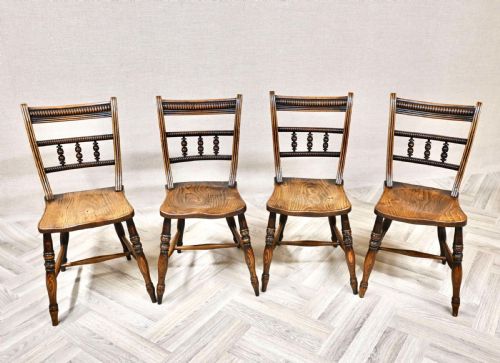
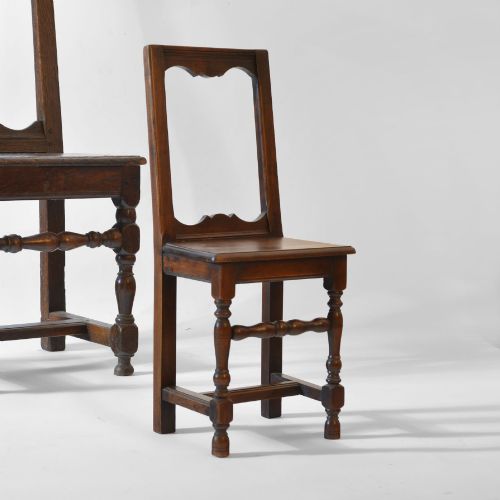
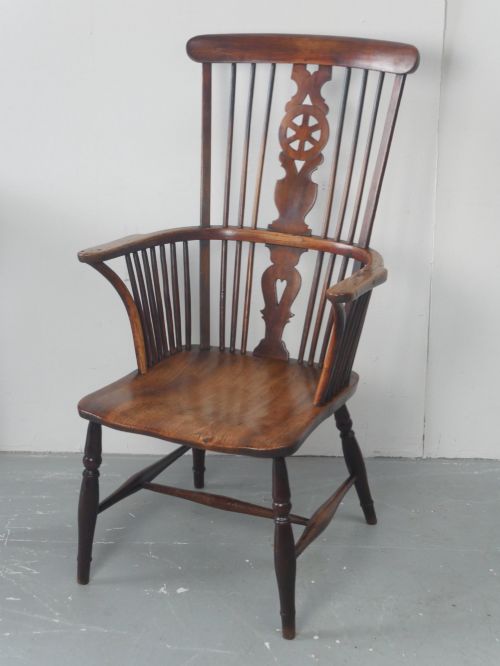
A dark wood country chair encompasses domestic vernacular seating designed for everyday utility across rural homes and farmhouses. Buyers searching for a dark wood country chair will most frequently encounter Windsor armchairs, ladder-backs, and kitchen dining chairs dating from the eighteenth and nineteenth centuries. These rustic seats originate from various English regions, including the Thames Valley and West Country, alongside other British and European locations.
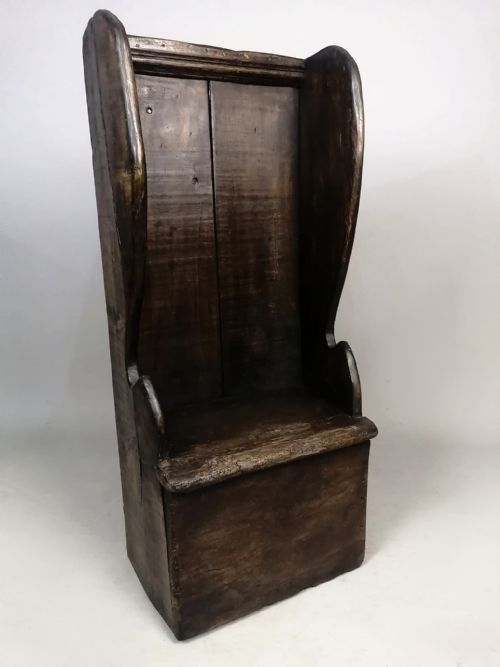
Forms range from broad armchairs and low kitchen helpers to child-size stick-back chairs and rocking variants. Makers utilised native hardwoods to build seating suited to hard domestic use rather than formal entertaining. Surviving examples often display the honest marks of workshop construction and decades of household service.
How they were made
Traditional makers built these chairs using a combination of solid native timbers such as elm, ash, beech, and oak. Frameworks relied on turned spindles and bentwood components, with saddle-shaped wooden seats hollowed out for comfort. Joinery typically involved pegged mortise and tenon joints or wedged tenons passing straight through the seat plank.
Surface treatments range from clear beeswax polishes that highlight the grain to early layers of paint or original dark finishes. Workshop construction often combined multiple timber species within a single frame, utilising harder woods for legs and softer ones for seats.
Dark Wood Country Chair Retail Price Guide 2026
Typical asking prices for dark wood country chair among the pieces listed under this phrase on Sellingantiques today, from the lower quarter to the upper quarter. They describe what is for sale here now, not the wider market.
The selection spans diverse regional forms such as Windsor armchairs, Thames Valley Oxford chairs, ladder-backs, and low kitchen dining variants.
What varies in quality
The quality of a country chair depends on the crispness of the turning, the comfort and depth of the carved seat, and the balanced proportions of the frame. Superior examples demonstrate thoughtful selection of timber figure, particularly in elm seats and yew wood bows, paired with slender, well-proportioned spindles.
Construction integrity separates high-grade vernacular pieces from lesser items, showing tight joints and minimal replacement parts. Original surface finishes and untouched patination elevate pieces above those stripped down or heavily rebuilt over generations.
Philip Clissett·Mellier & Co
The Dark Wood Country Chair Glossary
- Windsor chair
- A wooden chair constructed with a solid sculpted seat into which the legs, back sticks, and bow are separately inserted. This design creates a sturdy seating form typical of rural British production.
- Comb back
- A Windsor chair variation where the tall back resembles a traditional dressing comb, featuring a horizontal crest rail supported by vertical spindles. It offers an upright and supportive seat.
- Stretcher
- A horizontal wooden rod connecting the legs of a chair to provide structural rigidity and stop them from spreading under weight. Turned stretchers are common in nineteenth-century vernacular seating.
- Vernacular
- Everyday objects made by local craftsmen following regional traditions rather than formal architectural patterns. These pieces prioritise functional utility and local materials over high-style design.
- Rush seat
- A woven seating surface made from dried marsh grasses twisted into cords and hand-plaited around the seat rails. It provides a flexible and traditional platform for dining chairs.
Dark Wood Country Chair: Frequently Asked Questions
What is a smokers bow chair?
A smokers bow is a low-backed Windsor armchair featuring a rounded, turned wooden rail wrapping around the upper arms. This form gained popularity in nineteenth-century pubs, kitchens, and reading rooms.
These chairs combine the sturdy construction of traditional Windsor seating with a lower profile designed for relaxed sitting. They typically pair an elm saddle seat with ash or beech spindles.
How do I identify a Windsor chair?
A true Windsor chair is defined by its thick solid timber seat plank that directly anchors the legs and back components. Without a central frame or upholstered core, all structural members slot into the seat itself.
Regional variations display distinct back designs, such as wheel-backs, comb-backs, or simple stick-backs. The timber choice often mixes durable hardwoods like ash for the frame and elm for the seat.
Are country chairs comfortable for daily use?
Most country chairs feature seats hand-carved into a shallow saddle shape that distributes weight naturally. Their sturdy wooden frames provide reliable support for everyday dining or desk work.
Adding a loose cushion can increase comfort for prolonged sitting. Their solid timber construction handles daily family life with ease.
How do I date an antique country chair?
Dating relies on examining tool marks, timber combinations, joinery methods, and overall form evolution. Eighteenth-century examples often show broader proportions and deeper hand-sculpted seats compared to later Victorian iterations.
Turned components on legs and stretchers also shift in profile across decades. Original surface finishes and signs of long use help confirm age.