






Dark Wood Counter Display
These dark wood counter display pieces are commercial shop fittings designed to showcase merchandise, offering practical utility and period character for any interior.
Dark Wood Counter Display
A dark wood counter display serves as a functional shop fixture originating from commercial spaces during the Victorian, Edwardian, and interwar commercial periods. Buyers seeking these items encounter a variety of forms, including countertop display cabinets, haberdashery cabinets, chemist shop fittings, and advertising display units.
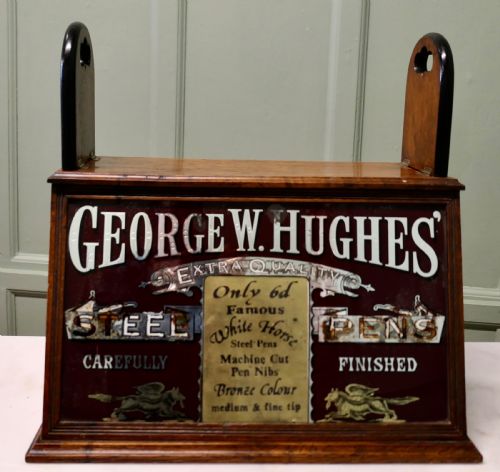
The selection on this page leans heavily towards mahogany and oak constructions designed to sit upon shop counters or serve as serving counters themselves. Pieces such as draper's needle drawer cabinets, pencil dispensers, and confectionary display units reflect the specialised retail needs of the late nineteenth and early twentieth centuries.
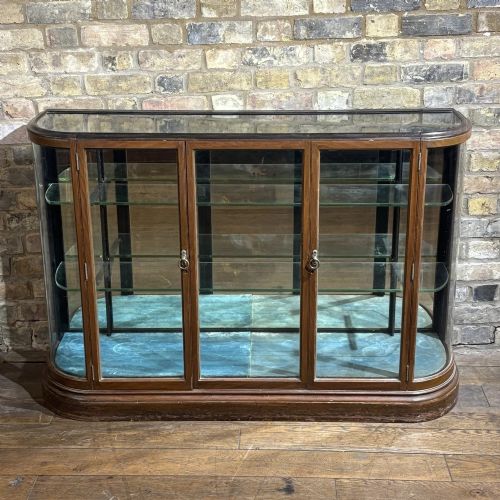
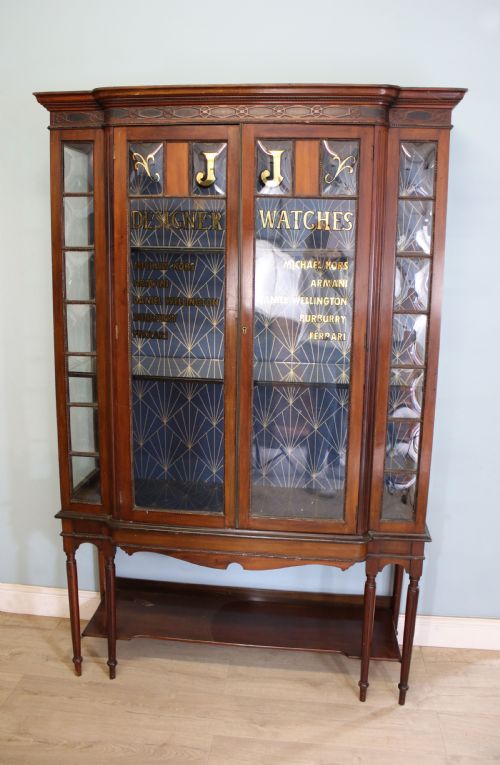
Objects range from large banks of drawers to glazed countertop cabinets and branded advertising units. These fittings often incorporate glass panels to protect goods while maintaining visibility for customers.
Materials and construction
Construction relies primarily on dense timbers such as mahogany and oak, occasionally supplemented by pine and briar wood for specific components. Cabinet makers utilised these durable woods to withstand the heavy daily wear of bustling retail environments.
Glass panels feature prominently in the design of display cabinets, held within timber frames often complemented by brass hardware. Fabric linings and specialised labeling appear in specific mercantile drawers, such as those intended for haberdashery or sewing equipment.
Dark Wood Counter Display Retail Price Guide 2026
Typical asking prices for dark wood counter display among the pieces listed under this phrase on Sellingantiques today, from the lower quarter to the upper quarter. They describe what is for sale here now, not the wider market.
Listings feature pieces spanning the Victorian, Edwardian, and interwar commercial periods, constructed primarily from mahogany, oak, and pine.
Evaluating quality and execution
Quality in these commercial pieces rests on the integrity of the timber framing, the clarity of the original glass, and the retention of maker or brand markings. Pieces constructed with solid mahogany and refined joinery demonstrate a higher grade of craftsmanship than utilitarian pine alternatives.
The survival of original elements, such as brass fittings, adjustable feet, and period advertising lettering, significantly influences the standing of a piece. F. Sage & Co. London or branded chocolate and pencil displays show specific commercial provenance that elevates their interest.
F. Sage & Co. London·Rowntree’s Chocolates·Cadbury's·GBD
The Dark Wood Counter Display Glossary
- Haberdashery cabinet
- A multi-drawer unit originally used in drapery shops to store small sewing items like buttons, threads, and needles. These cabinets typically feature shallow drawers with glass fronts or brass pulls.
- Chemist shop fitting
- Specialised cabinetry and furniture produced for nineteenth-century pharmacies and apothecaries. They often incorporate banks of small drawers and labeled compartments for botanical ingredients and medicines.
- Countertop display cabinet
- A glazed showcase designed to sit atop a retail counter to protect merchandise while keeping it visible to buyers. They frequently utilise mahogany frames and hinged or sliding rear doors.
- Advertising display
- A branded retail unit created to promote specific commercial products such as tobacco, sweets, or writing materials. These items often incorporate painted signage, specialised dispensers, or shaped wooden frames.
- Bank of drawers
- A large assembly of multiple small or medium drawers built into a single housing. They provide systematic storage and organisation for retail stock.
Dark Wood Counter Display: Frequently Asked Questions
What were dark wood counter displays used for?
These pieces served as functional fixtures in nineteenth and early twentieth-century shops, holding and organising small goods while presenting them to customers. Merchants utilised them for items ranging from sewing supplies and tobacco to confectionery and writing equipment.
Their placement on top of counters ensured that goods remained within easy reach of the shopkeeper yet protected behind glass or timber drawers.
How do I date a counter display cabinet?
Dating relies on observing the prevailing styles, timber choices, and construction methods associated with specific decades. Victorian and Edwardian examples often feature heavier mahogany framing and traditional joinery, while 1920s and 1930s pieces can reflect interwar commercial styling and branded advertising.
Maker marks, patent stamps, and the specific type of commercial enterprise the unit served also help narrow down the period of manufacture.
Where can I use a counter display in a modern home?
Countertop cabinets and small drawer units integrate well into domestic spaces as functional storage for collections, jewellery, or stationery. Their glass panels allow items to be displayed securely in living rooms, studies, or kitchens.
Larger shop counters and banks of drawers serve effectively as kitchen islands, sideboards, or hallway storage units, bringing commercial character into residential interiors.
Are these displays suitable for everyday use?
Built originally for busy retail environments, these commercial pieces are structurally robust and designed for regular handling. Solid timber frames and durable drawers accommodate practical daily storage without difficulty.
Care should be taken with antique glass panels and original surface finishes, treating them with standard consideration appropriate for period wooden furniture.