


Dark Wood Chinese Chest
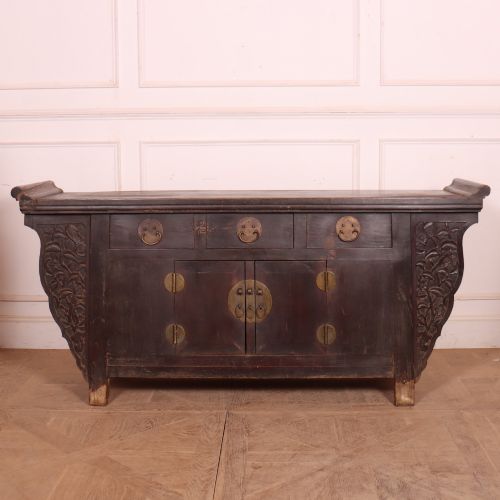
A dark wood chinese chest brings tactile depth and practical storage into a room, spanning camphor wood trunks to elm apothecary cabinets.
Dark Wood Chinese Chest
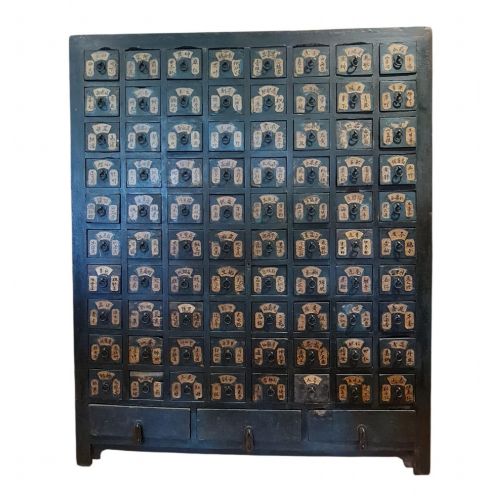
A dark wood chinese chest encompasses a diverse group of storage forms including trunks, blanket boxes, table cabinets, and expansive apothecary chests. These pieces emerge from periods spanning the eighteenth century through the early twentieth century, incorporating Qing Dynasty and Chinese Export traditions.
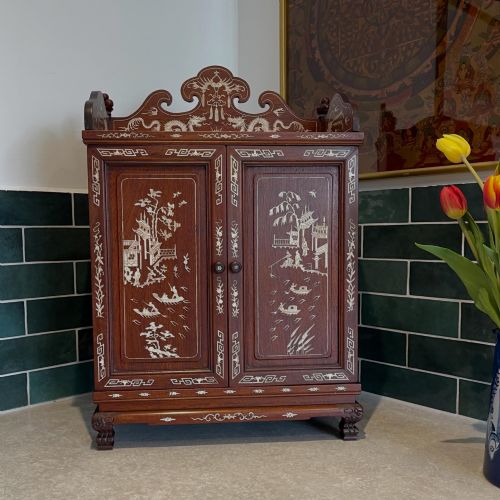
Buyers encounter variations ranging from utilitarian camphor wood blanket boxes to elaborate hardwood and mother of pearl inlaid boxes. Sideboards, floor cabinets, and travelling boxes reflect the broad spectrum of traditional Chinese domestic furniture available on the market.
Provincial pieces sit alongside more formal storage cabinets, showcasing regional preferences from areas such as Shanxi Province. The structural forms balance utilitarian storage needs with distinct regional joinery and decorative finishes.
Materials and Construction Techniques
Makers utilised dense timbers including elm, camphor wood, and various regional hardwoods. Camphor wood was selected for storage trunks due to its natural aromatic properties, while elm and hongmu provided robust framing for heavy-duty cabinets and apothecary chests.
Decoration relied on skilled carving, mother of pearl inlay, and traditional lacquer work. Metal hardware in brass and iron provided structural reinforcement and closure mechanisms for travelling boxes and heavy coffers.
Listings span the 18th century through the 1920s, featuring materials such as camphor wood, elm, lacquer, brass, and mother of pearl.
Factors Defining Quality
Quality rests upon the selection and stability of the timber, alongside the precision of traditional joinery. Denser hardwoods and carefully figured elm indicate higher status pieces designed for longevity.
The sophistication of surface ornament, from detailed carving to secure mother of pearl inlay and intact lacquer finishes, separates standard utilitarian storage from finer decorative examples.
The Dark Wood Chinese Chest Glossary
- Apothecary chest
- A multi-drawer storage unit historically used for sorting medicinal herbs and powders. These pieces feature numerous small drawers.
- Camphor wood
- An aromatic timber prized for storage boxes and trunks. It naturally repels insects and protects textiles.
- Hongmu
- A category of dense, dark Asian hardwoods used for quality furniture. It translates literally as red wood.
- Qing Dynasty
- The final imperial dynasty of China, lasting from 1644 until 1912. Pieces from this era reflect traditional dynastic aesthetics.
- Cofer
- A large strongbox or chest used for safekeeping valuables and garments. They often feature robust iron or brass mounts.
Dark Wood Chinese Chest: Frequently Asked Questions
What were apothecary chests used for?
Apothecary chests served traditional medical practitioners and merchants for storing dried herbs, roots, and medicinal ingredients. The numerous small drawers kept specific remedies separated and organised.
Today, these multi-drawer cabinets function well in modern homes for sorting small items, stationery, or collections.
How do I care for a camphor wood chest?
Camphor wood requires minimal maintenance due to its natural oils and durable construction. Keep the wood away from direct heat sources and drastic humidity changes to prevent movement in the timber.
Clean the surface simply with a soft, dry cloth. Avoid applying modern chemical polishes that might damage the original finish.
How can I date an eighteenth-century chest?
Dating relies upon examining the timber grain, tool marks left by traditional hand tools, and the style of joinery. Eighteenth-century pieces exhibit construction methods consistent with period workshop practices.
Wear patterns around handles and feet also offer clues to the age and history of active use.
Are camphor wood trunks good for blankets?
Camphor wood trunks were traditionally constructed precisely for storing garments and blankets. The natural aroma of the timber protects textiles from moths and dampness.
This makes them practical additions to bedrooms for storing seasonal linens and woollens.