
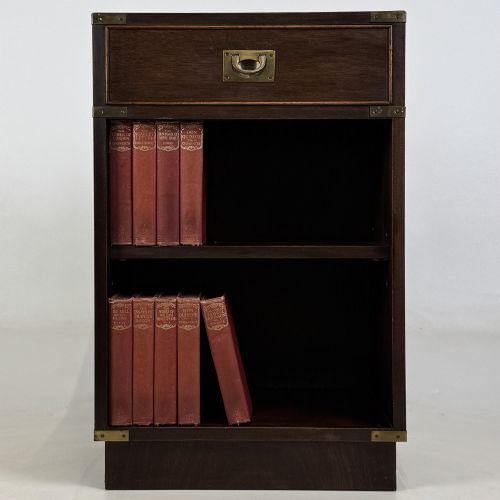


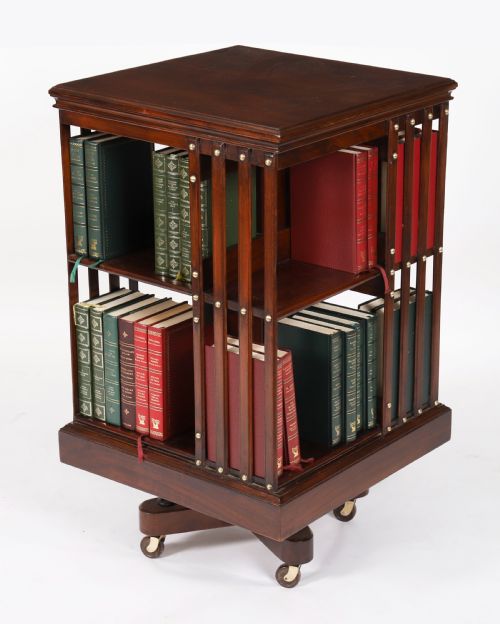


Dark Wood Bookcase Table
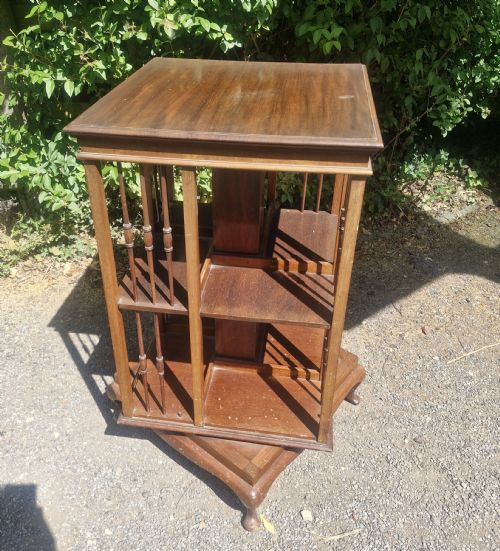
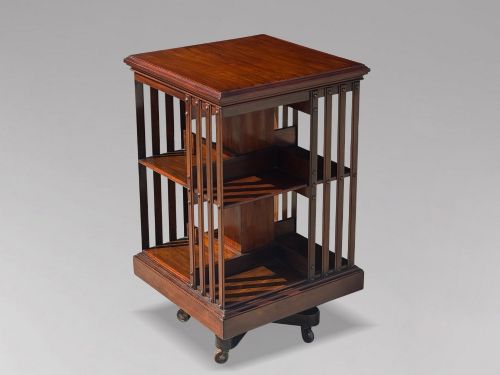
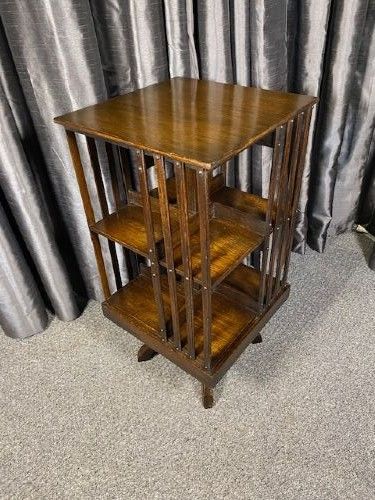
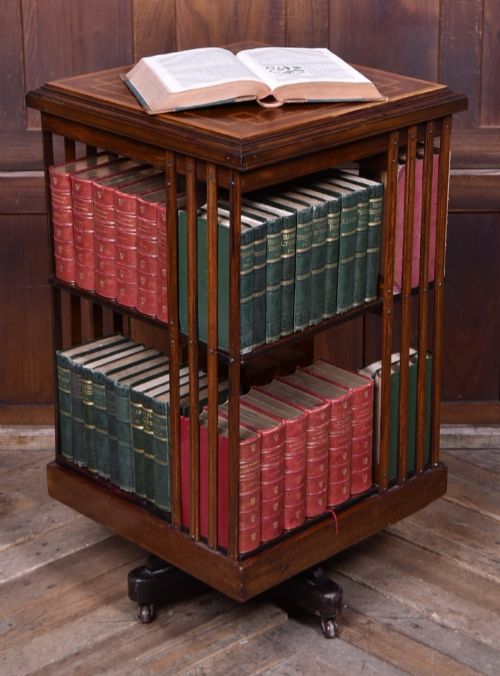
These pieces combine the practicality of a dark wood bookcase table with compact shelf space, built to hold working volumes close at hand.
Dark Wood Bookcase Table
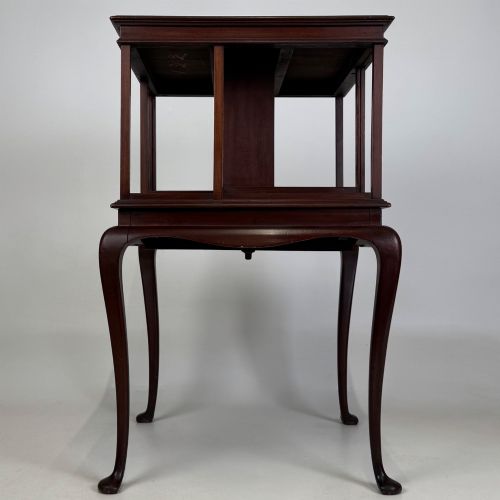
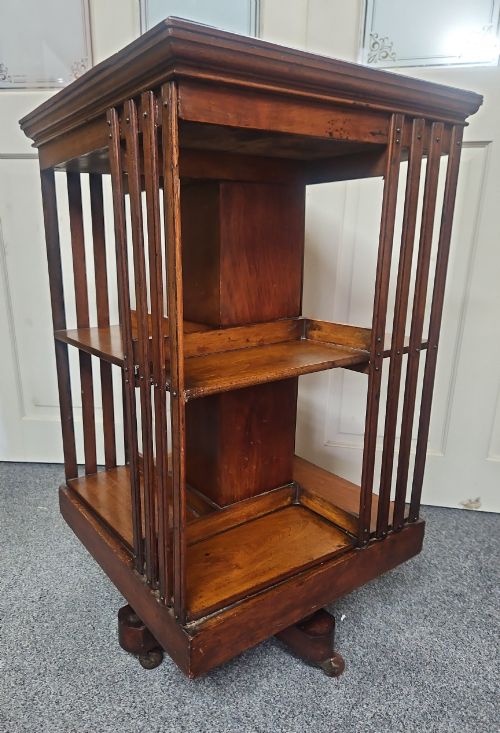
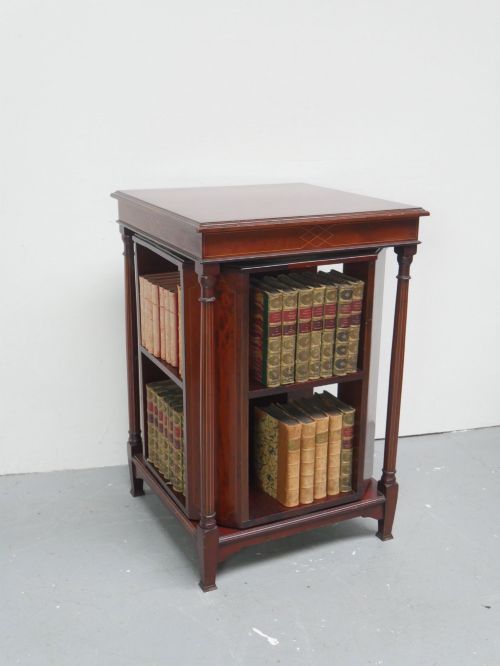
When exploring a dark wood bookcase table, buyers encounter rotating designs and tiered stands built for household libraries. These items range from Edwardian revolving examples to Georgian carriers and Victorian tier units.
Most pieces on offer take the form of revolving bookcases or compact stands, frequently rendered in rich mahogany or rosewood. Makers scaled these designs to sit beside armchairs or on tabletops for easy volume selection.
Originating largely from the eighteenth, nineteenth, and early twentieth centuries, these dark wood bookcase table items reflect shifting domestic habits. Georgian and Victorian workshops met the demand for accessible reading material with sturdy, multi-level timber structures.
Materials and Construction
Makers relied primarily on mahogany, walnut, and rosewood for their deep grain and durability under frequent handling. Oak and satinwood also appear, sometimes supplemented by brass fittings and iron mechanisms to support rotation.
Joinery techniques focused on stability, securing tiered shelves and revolving pivots to withstand the weight of heavy books. Timber surfaces received polished finishes that accentuated the natural figure of the dark woods.
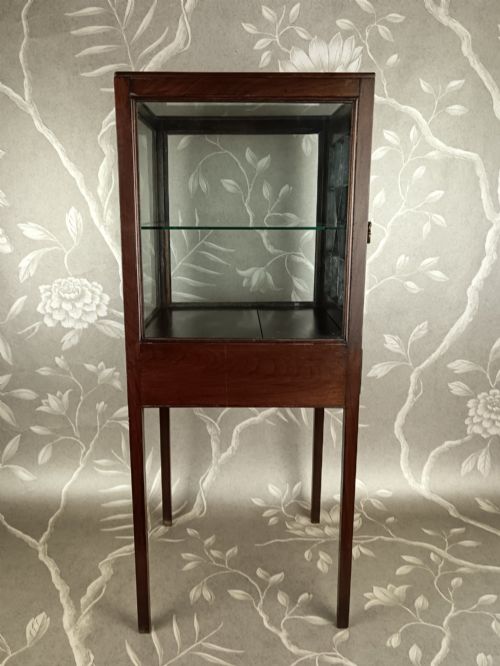
Listings feature revolving bookcases spanning the Edwardian and Victorian eras, alongside Georgian display cabinets and occasional tables.
Assessing Quality and Craftsmanship
The sophistication of the revolving mechanism and the crispness of any inlaid detail dictate the standing of a piece. Fine examples show seamless rotation alongside carefully selected timber veneers and solid framing.
Proportion and the integrity of the original structure distinguish superior pieces from utilitarian alternatives. Uniform colour across the timber and restrained decorative additions mark out the better workshops of the period.
Maple & Co
The Dark Wood Bookcase Table Glossary
- Revolving bookcase
- A freestanding or table-top tier designed to spin on a concealed base for easy book access. This mechanism allows a reader to browse multiple volumes from a single seated position.
- Whatnot
- A set of open shelves supported by slender uprights, used for displaying books and ornaments. Victorians favoured these versatile pieces in drawing rooms and libraries alike.
- Vitrine
- A glass-fronted display cabinet intended for showing delicate volumes or collections. Such pieces protect contents behind glazed doors while offering clear visibility.
- Book carrier
- A portable stand fitted with a central handle for moving a selection of active reading volumes between rooms. These items combine a flat base with upright dividers.
- Campaign style
- Furniture constructed with portability in mind, featuring recessed brass handles and robust framing. This aesthetic ensured items could withstand transport without losing structural integrity.
Dark Wood Bookcase Table: Frequently Asked Questions
What is a revolving bookcase table?
A revolving bookcase table is a compact shelving unit built to rotate on a central pivot, placing a selection of volumes within arm's reach. They were designed for studies and sitting rooms where space was at a premium.
These pieces allow readers to store dictionaries, novels, and reference books directly beside a desk or armchair. Their rotating action keeps the entire collection accessible without requiring repositioning.
How do I date a mahogany bookcase table?
Dating relies on observing construction methods, timber choice, and prevailing stylistic details such as Edwardian inlay or Georgian proportions. Examining the interior secondary woods and the style of the base offers further clues to the decade of manufacture.
Makers changed their hardware and joinery over the nineteenth and early twentieth centuries. Comparing these structural traits against known period examples helps narrow down the age.
Where should I place a revolving book stand?
These stands suit positions beside armchairs, sofas, or office desks where books are consulted frequently. Their small footprint allows them to sit comfortably in corners or between pieces of larger furniture.
Because they rotate, they do not require clearance for doors to open, making them ideal for narrower spaces. Keeping them away from direct heat sources protects the timber grain.