
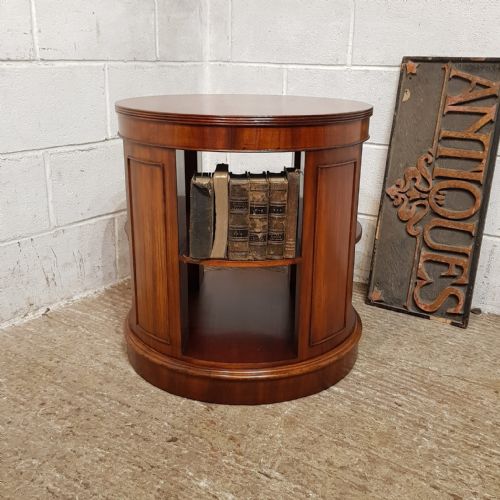


Brown Mahogany Book Table
A brown mahogany book table brings together timber and text, offering a sturdy surface for volumes with the rich grain typical of nineteenth-century furniture.
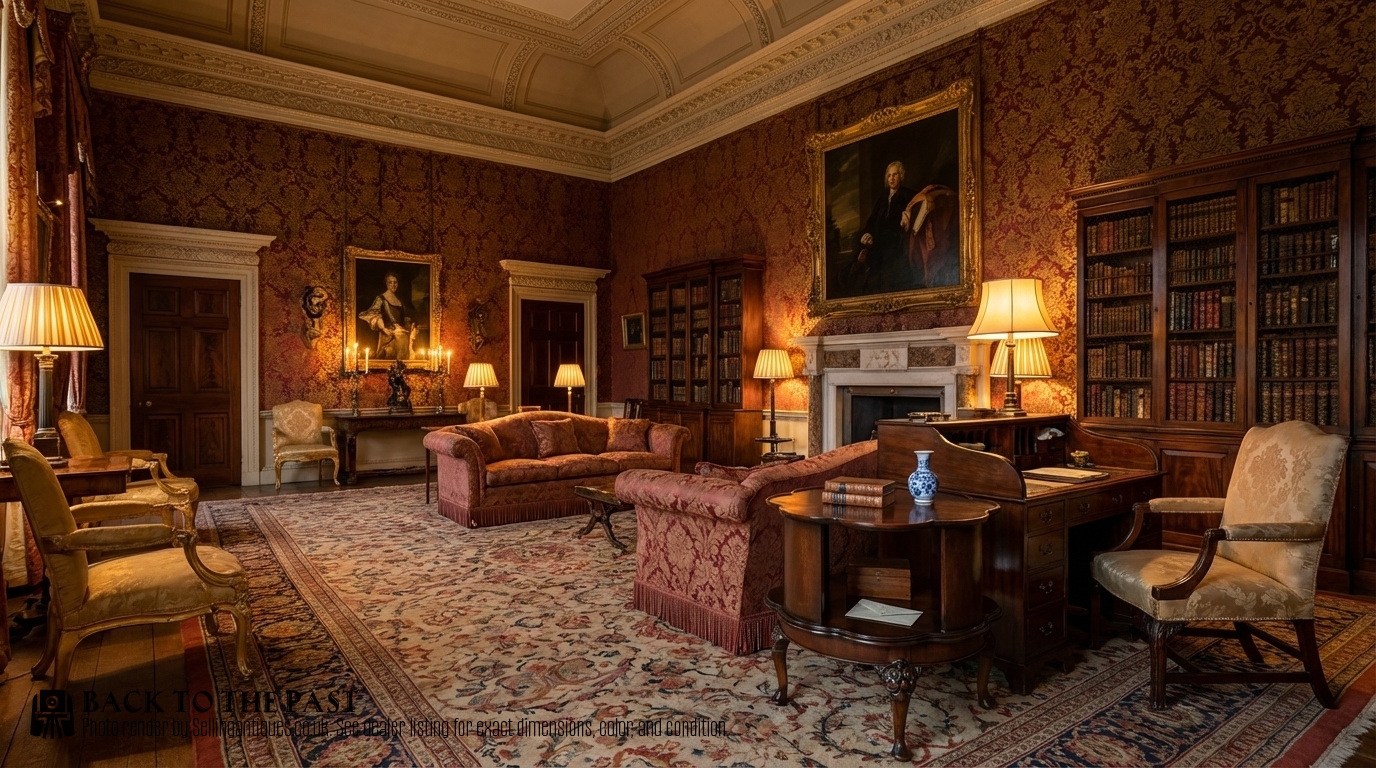
Brown Mahogany Book Table
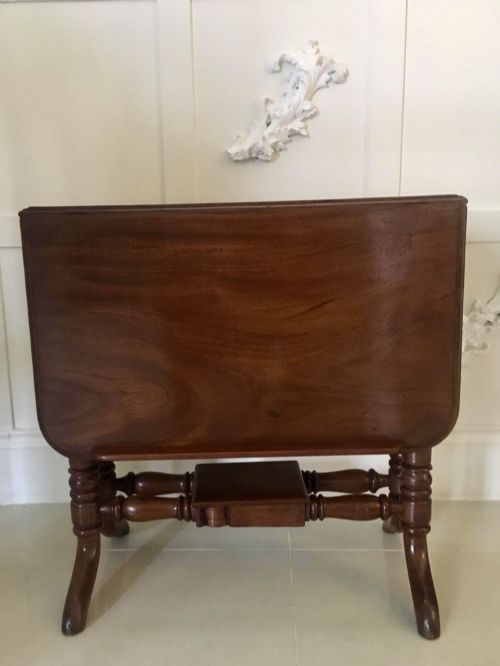
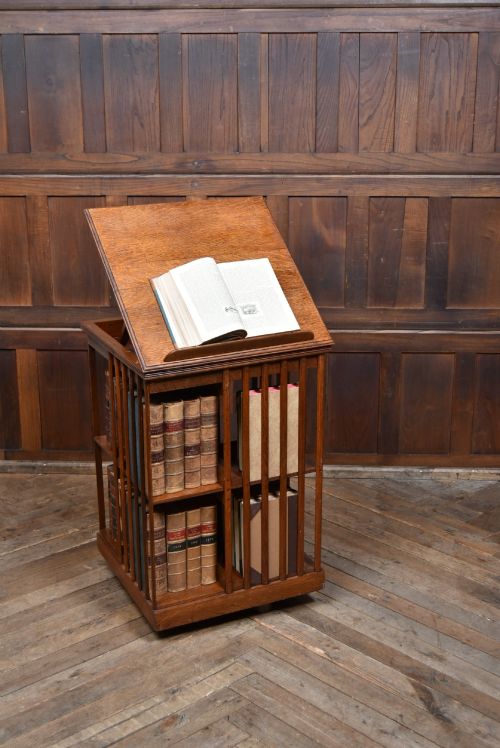
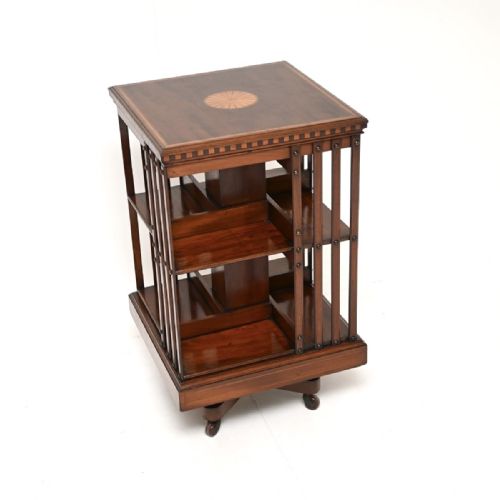
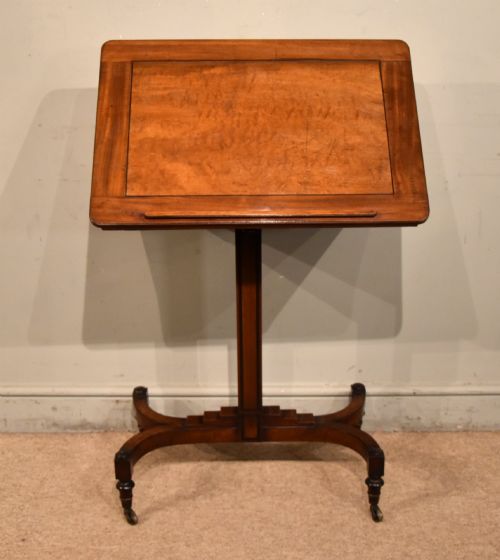
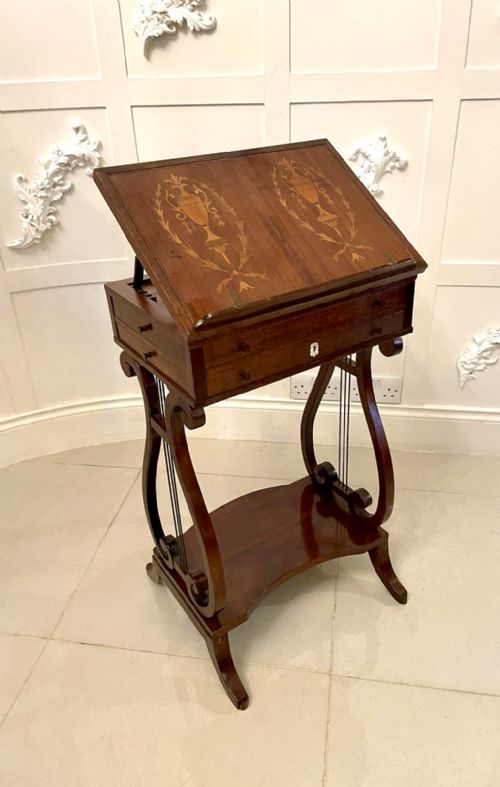
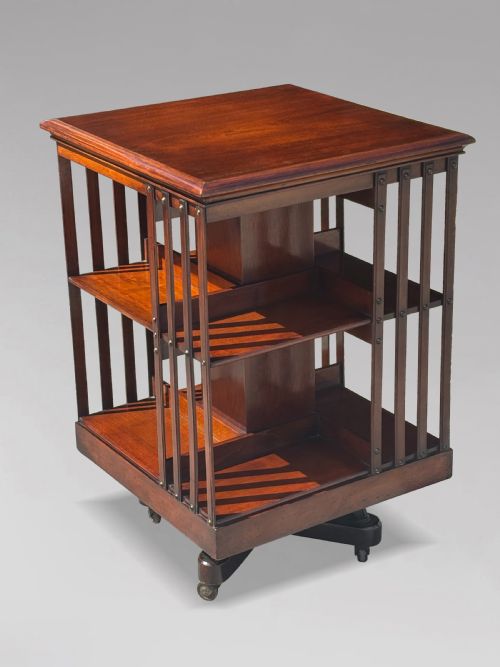
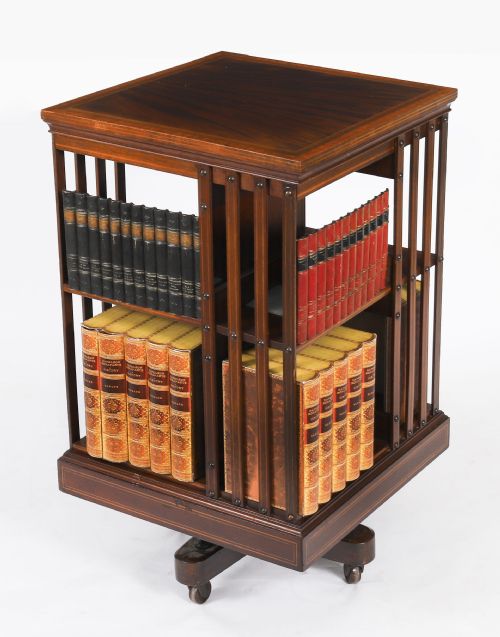
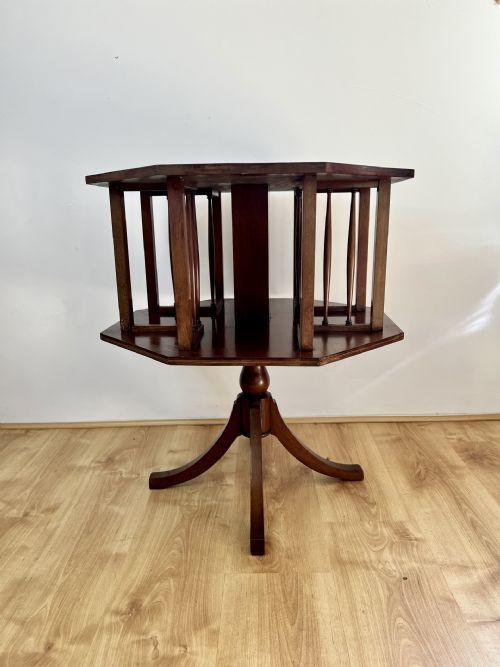
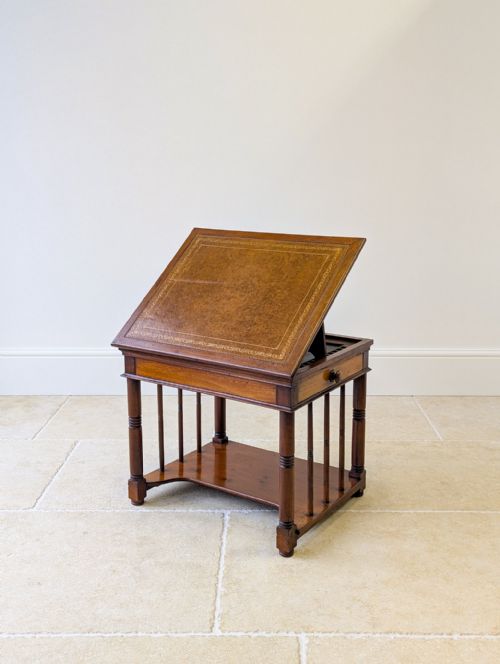
A brown mahogany book table serves those who gather volumes near a chair or desk, combining a writing or reading surface with space to store books. When searching for a brown mahogany book table, buyers encounter a variety of forms designed to hold print, from revolving bookcases and music stands to tier tables and reading desks.
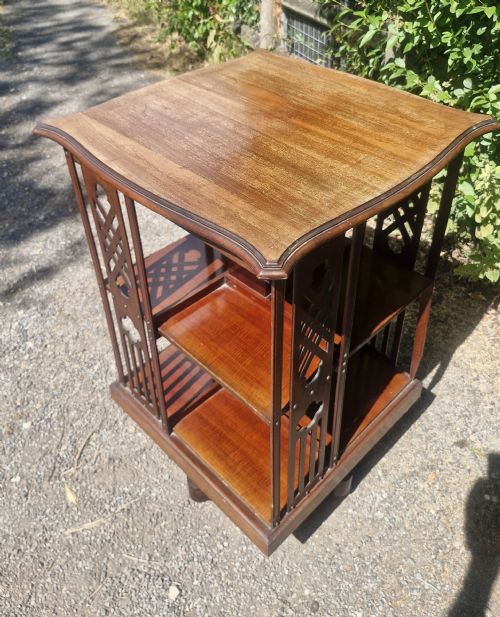
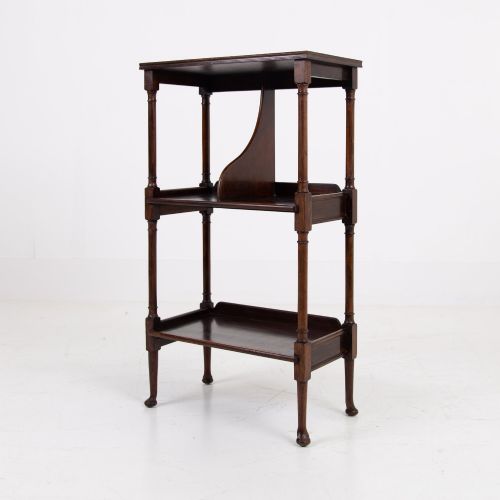
The pieces on this page span several centuries and styles, though Edwardian and Victorian examples appear most frequently alongside Regency and George III pieces. Makers adapted mahogany into revolving bookstands, whatnots, and campaign tables, demonstrating versatility in domestic and library settings.
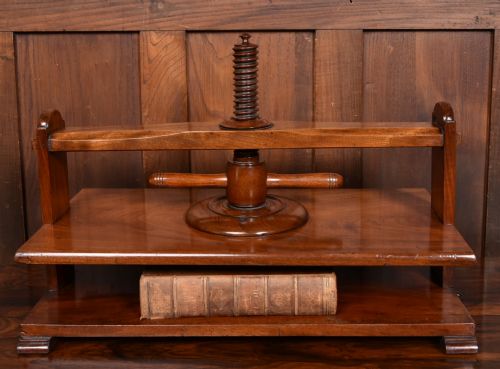
Forms range from floor-standing revolving bookcases to table-top book presses and adjustable reading tables. Each piece addresses the practical requirement of keeping texts within reach while displaying the characteristic warmth of mahogany timber.
How they were made
Cabinetmakers constructed these pieces primarily using solid mahogany and flame mahogany veneers, often incorporating contrasting timbers such as satinwood for inlay work. Brass fittings, such as adjustable brackets and hinges, provided mechanical movement for reading desks and music stands.
Construction techniques included dovetailed joints for drawers and precise turning for spindles on revolving bookcases and tiers. Cast iron and metal hardware occasionally reinforced adjustable reading mechanisms, ensuring stability under the weight of heavy volumes.
Listings feature mahogany, satinwood, brass, and cast iron across Victorian, Edwardian, and Regency periods.
What varies in quality
The quality of a brown mahogany book table depends upon the selection of timber, particularly the presence of rich figuring or flame mahogany grain. Superior examples display meticulous attention to detail in inlay work, brass mounts, and the smooth operation of mechanical reading rests or revolving tiers.
Proportion and structural integrity dictate the standing of a piece, distinguishing robust library furnishings from lighter occasional tables. Fine craftsmanship shows in the crispness of turned components and the seamless integration of adjustable mechanisms.
The Brown Mahogany Book Table Glossary
- Revolving bookcase
- A freestanding tiered bookcase designed to rotate on a central pivot for easy access to volumes from any angle.
- Reading table
- A specialised table featuring an adjustable desk surface or book rest designed for studying or holding heavy folios.
- Whatnot
- An open set of shelves used for displaying books and ornaments, often constructed with multiple tiers.
- Campaign table
- Portable furniture designed for travel, featuring folding or collapsible elements and durable brass hardware.
- Flame mahogany
- Timber cut from the fork of the mahogany tree, producing a distinctive rippled, flame-like pattern in the grain.
Brown Mahogany Book Table: Frequently Asked Questions
What is a brown mahogany book table?
A brown mahogany book table is a piece of furniture designed to hold and display books while providing a surface for reading or writing. These items combine timber construction with specialised storage such as shelves, revolving tiers, or adjustable book rests.
Originating across the Georgian, Regency, Victorian, and Edwardian periods, they reflect changing domestic habits regarding the accessibility of literature in the home.
How do revolving bookcases work?
Revolving bookcases utilise a concealed internal pivot mechanism that allows the tiered structure to spin smoothly on a stable base. This design enables a reader to access multiple directions of shelving without moving the furniture.
They appear frequently in Edwardian and late Victorian listings, often featuring inlaid satinwood details or slatted wooden sides.
Were these tables used in libraries?
These pieces served readers in studies, libraries, and sitting rooms where books needed to be kept close at hand. Adjustable reading stands and book presses catered to scholars handling heavy folios and correspondence.
Some portable variants, such as campaign tables, allowed readers to maintain their habits while away from permanent fixtures.
How do I identify a Regency book table?
Regency pieces often display classical influence, utilising dark mahogany with bold architectural lines, brass inlay, and saber legs. Their design emphasises utility combined with the refined aesthetics of the early nineteenth century.
Comparing the hardware and timber figuring to dated examples helps confirm the period of manufacture.