



Two Tier Revolving Table
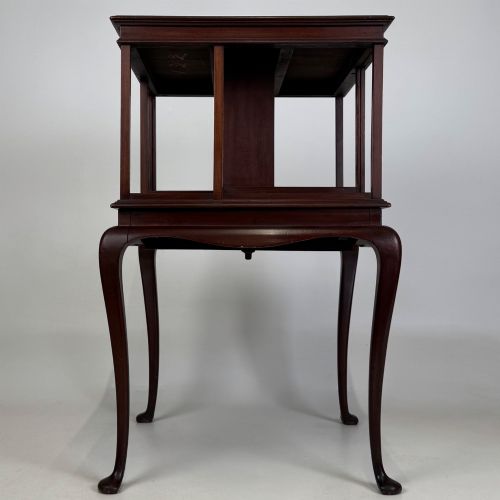
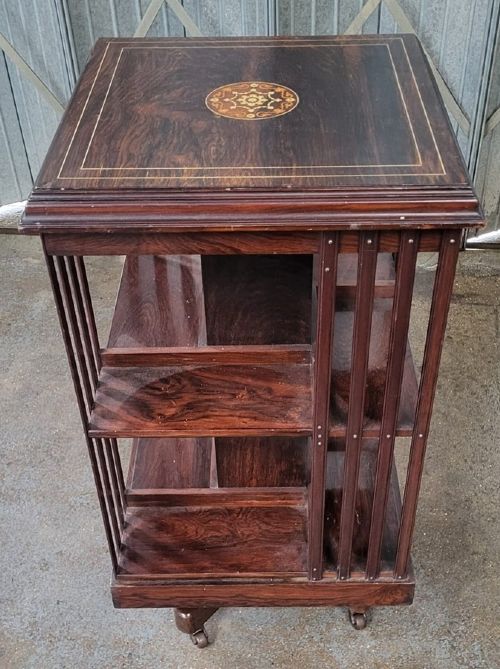
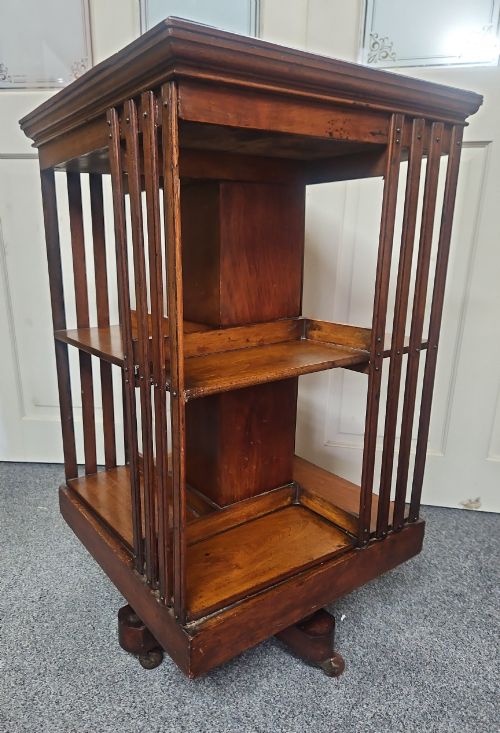
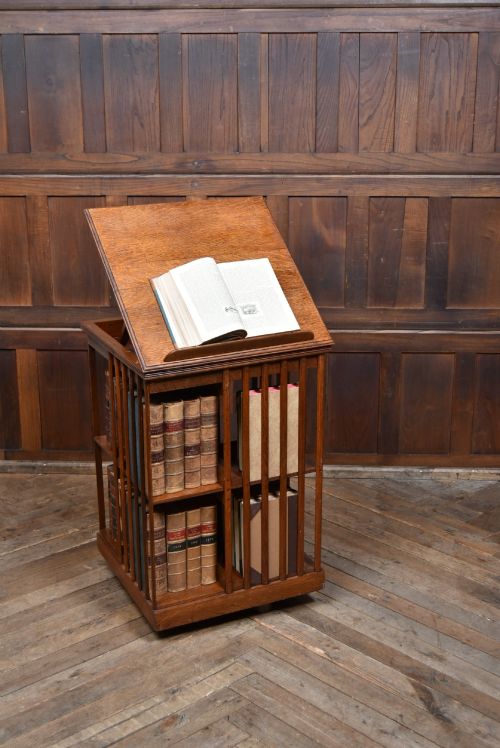
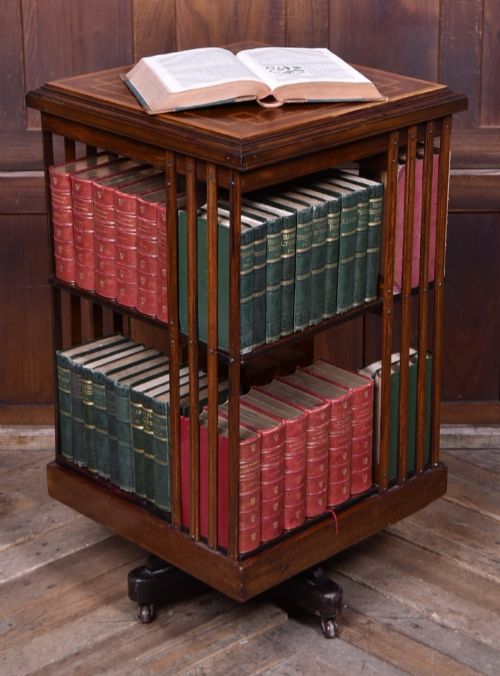
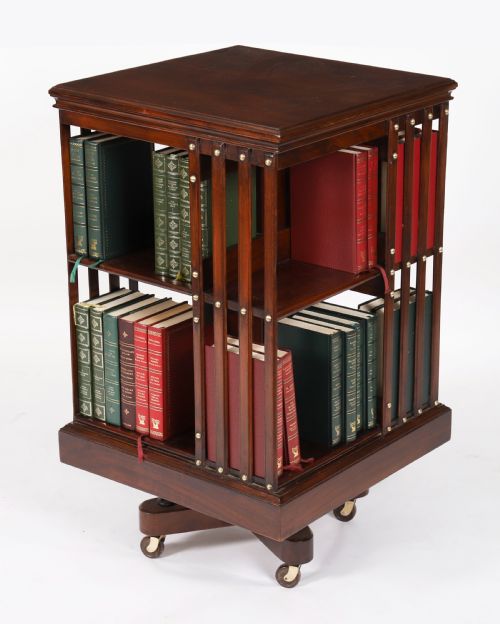
A two tier revolving table offers neat rotation for books and serving, combining practical utility with period craftsmanship.
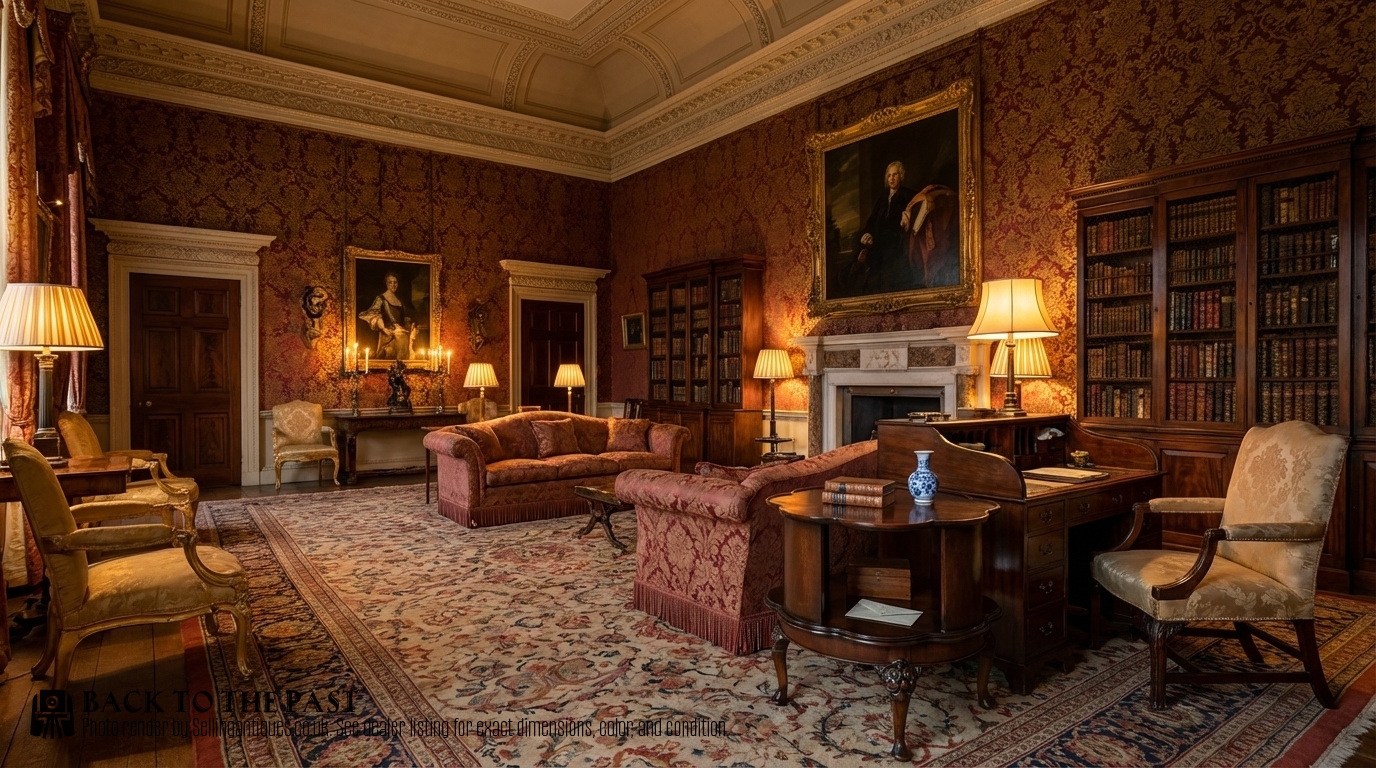
Two Tier Revolving Table
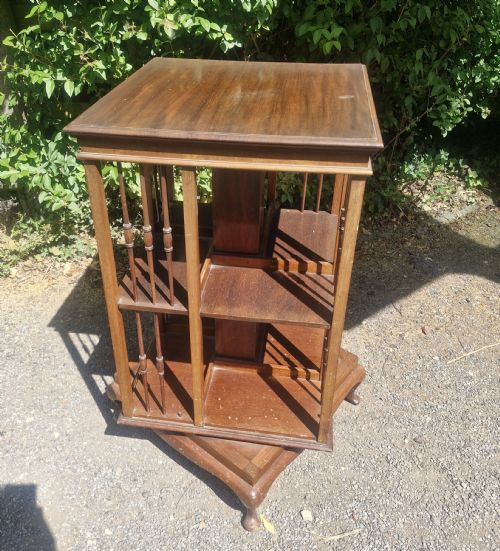
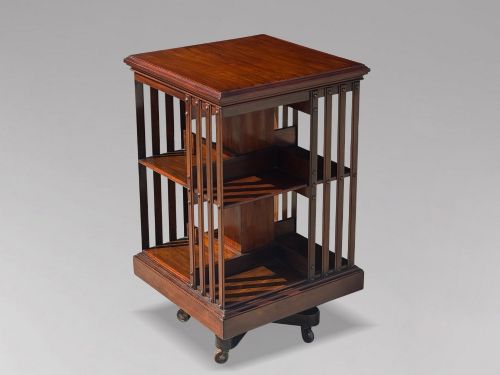
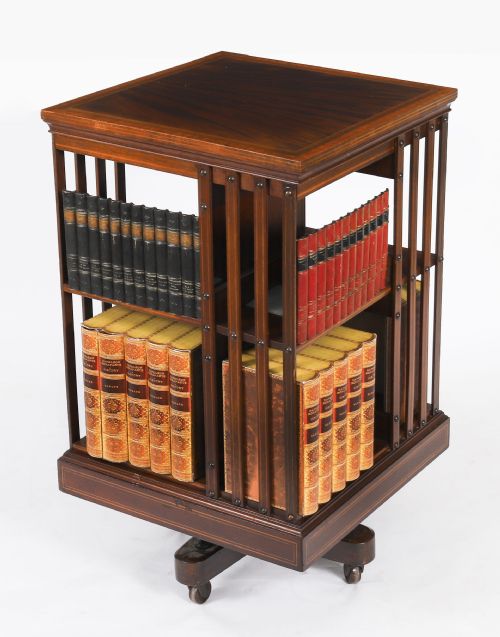
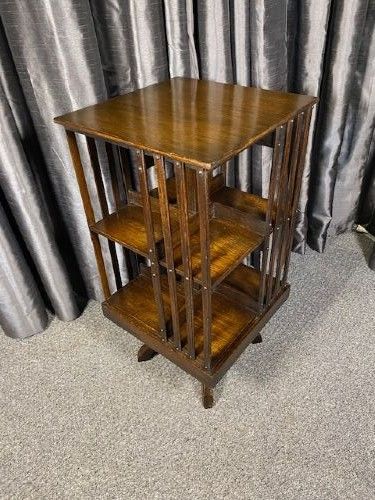
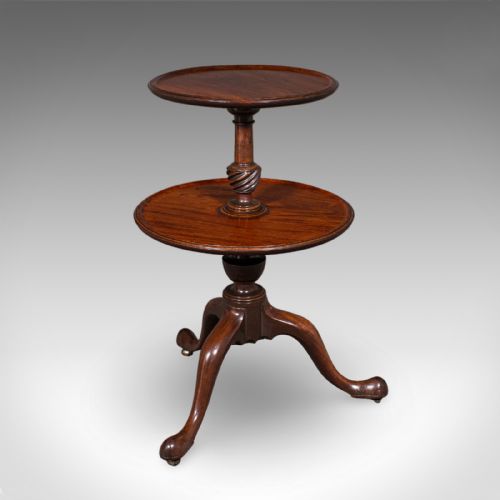
A two tier revolving table brings practical rotation to everyday surfaces, most commonly appearing as revolving bookcases, dumb waiters, and tray top tables from the Georgian, Regency, Victorian, and Edwardian eras. When searching for a two tier revolving table, buyers encounter pieces designed to turn smoothly on central axes, allowing easy access to books or serving dishes from a seated position.
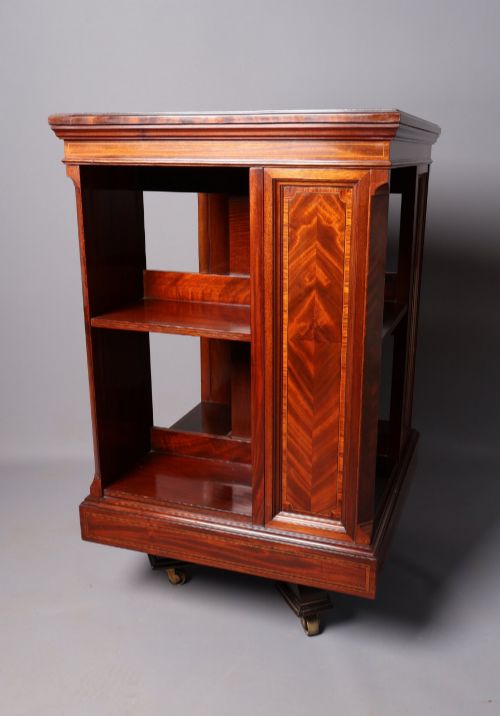
The selection ranges from compact Edwardian mahogany bookcases to earlier Victorian dumb waiters and Regency serving stands supported on tripod or column bases. Edwardian examples dominate the offerings, frequently rendered in mahogany with inlaid details, alongside occasional oak and rosewood pieces.
Materials and construction methods
Cabinet makers relied primarily on mahogany, oak, walnut, and rosewood, often enhancing plain timber with satinwood stringing or decorative brass fittings. Mechanisms beneath the tiers utilised iron and cast metal to ensure smooth rotation without binding.
Tripod bases and circular platforms required precise joinery to bear the weight of stacked volumes or dining items while maintaining balance during rotation.
One unusual item links a tiny treen egg cup stand directly to the private collection of the late Mrs Henry T Ford the second.
Assessing quality and craftsmanship
Quality rests upon the smoothness of the turning mechanism and the stability of the central column when fully loaded. Superior examples feature well-figured timber, crisp inlay work, and robust internal pivots that prevent wobble.
Lesser pieces may exhibit sluggish rotation or wear around the axis point, whereas finer workshop production maintains tight joints and balanced tiers across decades of use.
Maple & Co·Galle
The Two Tier Revolving Table Glossary
- Dumb waiter
- A multi-tiered serving stand designed to hold food or tableware without the need for a constant servant presence. These pieces often feature rotating tiers or fixed trays on sturdy pedestals.
- Tripod base
- A three-legged support structure commonly found beneath nineteenth-century tables and dumb waiters. This design ensures stability on uneven floorboards.
- Tray top
- A raised rim edging applied to the perimeter of a table surface to prevent items from sliding off during rotation. This feature frequently appears on serving tables and smaller occasional stands.
- Stringing
- Thin lines of contrasting timber inlaid into the primary surface of a piece of furniture for decorative effect. Satinwood stringing is frequently seen on Edwardian mahogany examples.
Two Tier Revolving Table: Frequently Asked Questions
What is a two tier revolving table used for?
These tables served various practical functions in period homes, from holding reference books beside a desk to presenting afternoon tea dishes.
The rotating mechanism allowed users to access items from a single seated position without rearranging the room.
How do I identify an Edwardian revolving table?
Edwardian pieces often display lighter mahogany timbers, sometimes accented with satinwood stringing or subtle inlaid motifs.
Construction from this period around 1900 tends to focus on compact proportions suitable for smaller drawing rooms.
Are these tables sturdy enough for daily use?
Most examples were built to handle the substantial weight of stacked books or heavy serving items using solid hardwood frames.
Proper maintenance of the internal pivoting mechanism ensures the tiers continue to turn smoothly.
What is the difference between a dumb waiter and a revolving bookcase?
Dumb waiters feature open tiers intended for serving food and drink during dining or afternoon tea.
Revolving bookcases incorporate dedicated vertical partitions designed specifically to store upright books.