




Dark Walnut Wardrobe
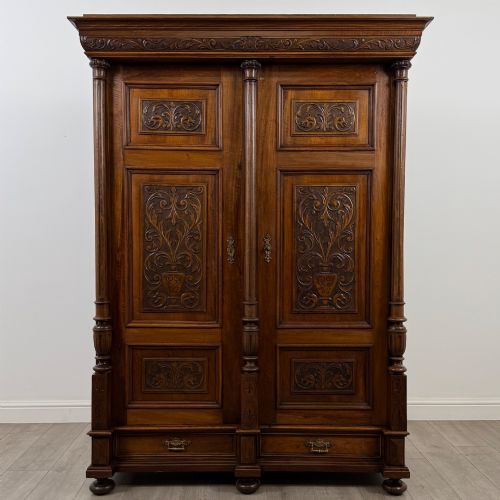
A dark walnut wardrobe brings rich timber grain and deep historical presence into a bedroom, offering substantial storage dressed in walnut and burr walnut.
Dark Walnut Wardrobe
When searching for a dark walnut wardrobe, a buyer encounters pieces spanning the 18th century, Georgian era, Victorian period, and early twentieth century. These tall storage pieces appear under various descriptions including armoires, tallboys, and linen presses.
The versions met most frequently on this page range from English Victorian and Georgian designs to French provincial armoires and continental styles such as Grunderzeit and Dutch marquetry. Timber selection dominates these forms, utilising solid walnut alongside highly figured burr walnut and American walnut.
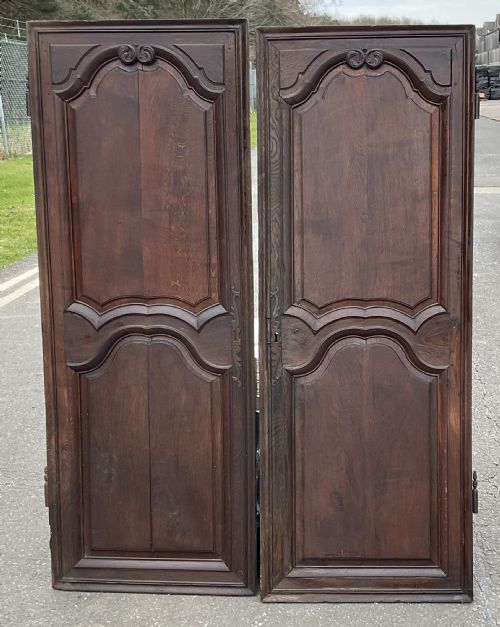
Forms vary from single components like cabinet doors to expansive three-door wardrobes and compendium pieces. Each format displays the natural darkness and varied grain patterns inherent to walnut timber across different stylistic traditions.
How dark walnut wardrobes were made
Cabinet makers utilised walnut timber, walnut veneer, and burr walnut to construct these wardrobes, often combining primary walnut structures with secondary timbers like mahogany. Selected sections of burr walnut veneer provided dramatic figurative patterning across large expanses of doors and drawer fronts.
Construction techniques incorporated applied carving, marquetry inlay, and glass panel integration, alongside the inclusion of brass hardware and mirror glass. Certain pieces combined walnut and mahogany, particularly in Georgian linen presses, while others integrated painted surfaces or architectural framing.
Some wardrobes arrive with matching dressing tables, proving that historical matching bedroom sets took vanity just as seriously as utility.
What varies in quality in dark walnut wardrobes
The distinction between tiers of quality rests upon the selection of timber veneers and the ambition of the construction. Pieces employing highly figured burr walnut across expansive surfaces demonstrate superior material ambition compared to plain planked constructions.
Design complexity and maker execution separate standard examples from notable works. Elaborate carved detailing, marquetry work, and integrated components such as matching dressing tables or fitted compendium interiors indicate higher workshop standards.
Shapland and Petter
The Dark Walnut Wardrobe Glossary
- Burr walnut
- A timber harvested from the growths of walnut trees, showing swirling, highly decorative grain patterns. Cabinet makers prized this material for veneering prominent surfaces.
- Armoire
- A tall cupboard or wardrobe used originally for storing clothes, frequently associated with continental European cabinet making. These pieces often feature double doors enclosing hanging space or shelving.
- Tallboy
- A tall chest of drawers or a wardrobe-style cabinet standing on a base, popular during the eighteenth century and later revival periods. This form maximises vertical storage capacity.
- Linen press
- A tall storage unit designed originally for household linens, combining upper hanging or shelving sections with lower drawer storage. Georgian examples frequently paired walnut with mahogany.
- Grunderzeit
- A Central European architectural and decorative style dating to the late nineteenth century, characterised by historical revivalism and robust proportions in furniture.
Dark Walnut Wardrobe: Frequently Asked Questions
What periods do these wardrobes come from?
These wardrobes originate from the eighteenth century, the Georgian era, the Victorian period, and the early twentieth century. Styles span English cabinet making, French provincial design, and continental European traditions.
Dates range from mid-eighteenth-century pieces to 1920s burr walnut furniture, reflecting shifting tastes in domestic storage over two centuries.
How do I distinguish an armoire from a wardrobe?
The term armoire generally describes continental European cupboards, particularly French provincial pieces, while wardrobe is more common for British furniture. Both serve the primary function of clothing storage.
European armoires frequently utilise walnut, painted walnut, or distinct regional locking mechanisms and panel configurations compared to standard British cabinet making.
What is burr walnut?
Burr walnut is a specialised timber cut from tree growths where the grain has grown in a deformed, swirling pattern. This produces intricate, circular eye formations highly valued by furniture makers.
Cabinet makers applied thin slices of this figured timber as veneer across large door surfaces to create dramatic visual contrast against plain dark walnut frames.
How should I fit a dark walnut wardrobe into a modern room?
A dark walnut wardrobe requires adequate wall space and ceiling height to accommodate its substantial proportions and heavy timber construction. Placing the piece away from direct heat sources protects the walnut veneer and polished finish.
Pairing the wardrobe with neutral walls allows the dark timber grain and brass hardware to serve as a focal point within the bedroom.